

Комментарий
Татьяна Становая
{
  "authors": [
    "Татьяна Становая"
  ],
  "type": "commentary",
  "blog": "Carnegie Politika",
  "centerAffiliationAll": "",
  "centers": [
    "Carnegie Endowment for International Peace",
    "Берлинский центр Карнеги"
  ],
  "englishNewsletterAll": "",
  "nonEnglishNewsletterAll": "",
  "primaryCenter": "Берлинский центр Карнеги",
  "programAffiliation": "",
  "programs": [],
  "projects": [],
  "regions": [
    "Россия",
    "Соединенные Штаты Америки"
  ],
  "topics": [
    "Внешняя политика США",
    "Мировой порядок",
    "Оборонная политика США"
  ]
}
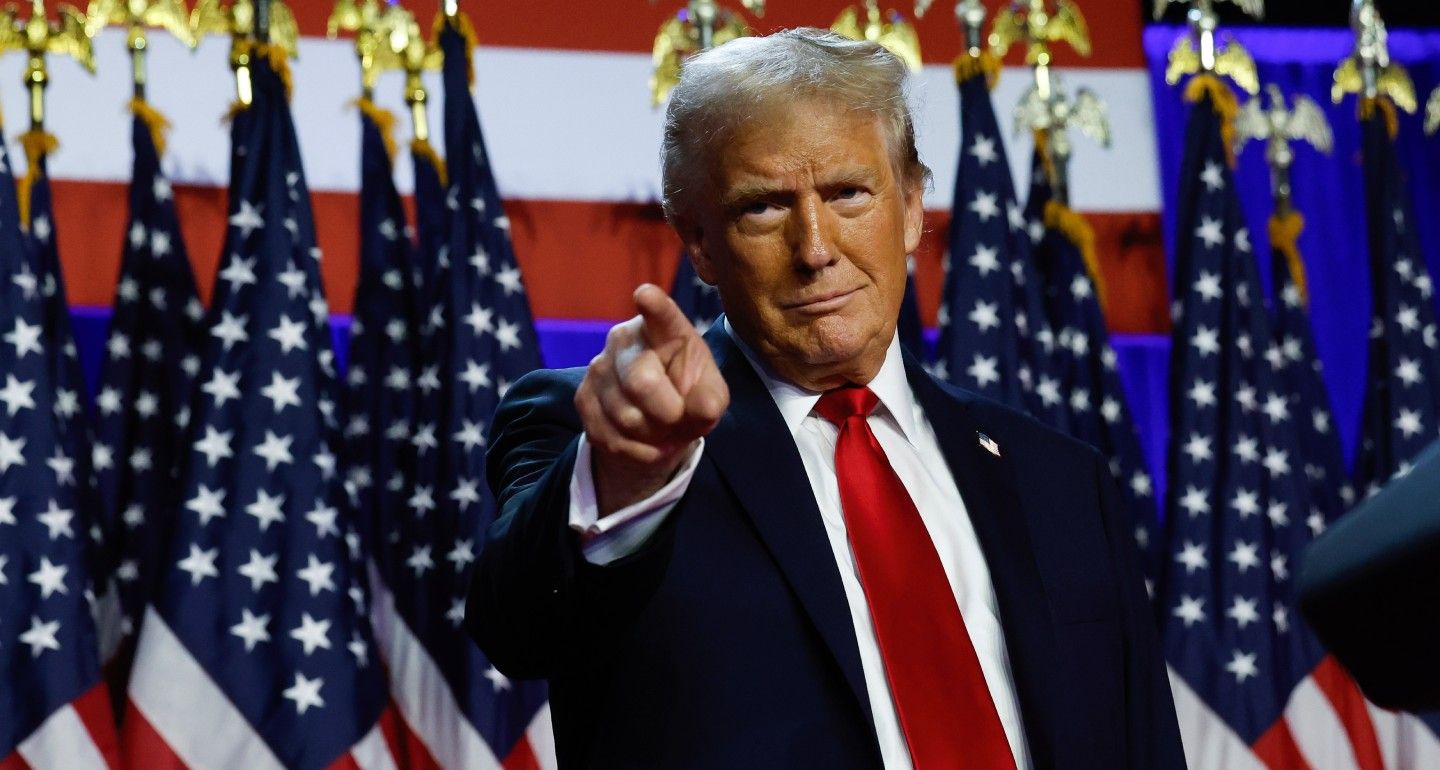
Фото: Getty Images
Главная проблема для Путина заключается в том, что ни у кого из западных лидеров, включая Трампа, нет такого плана прекращения войны, который был бы хотя бы отдаленно приемлем для России.
Последнее время кажется, что Владимиру Путину снова везет. Поддержка Украины на Западе слабеет, идея прямых переговоров с Кремлем перестает быть маргинальной, а сдвиг западной политической жизни вправо увенчался победой Дональда Трампа на президентских выборах в США. Вроде бы все выглядит так, что Кремль наконец получил шанс добиться желаемого. Однако реальное положение России не исчерпывается описанными выше тенденциями и оставляет Москве немного поводов для оптимизма.
После почти трех лет войны мало кто ставит под сомнение, что Россия добилась значительного военного преимущества — она владеет инициативой на поле боя, располагает большим количеством вооружений и солдат, а также давит на Киев постоянными бомбардировками инфраструктуры. Перспективы нового контрнаступления Украины выглядят призрачными, как и надежды на внутреннюю дестабилизацию в России, — Путин банально выигрывает войну. В сочетании с победой Трампа в США многие ожидают возобновления контактов двух лидеров, снижения помощи Украине и разлада в НАТО.
Однако из Москвы ситуация видится иначе. Главная проблема для Путина заключается в том, что ни у кого из западных лидеров, включая Трампа, нет такого плана прекращения войны, который был бы хотя бы отдаленно приемлем для России. Ни один из обсуждаемых вариантов урегулирования не подразумевает ни гарантий невступления Украины в НАТО, ни установления в Украине дружественного России режима.
Последнего Путин мог бы попробовать добиться несколькими способами, но ни один из них не выглядит на сегодня реалистичным. Первый, лежащий на поверхности, — это военный. Но ведущие военные эксперты сходятся в том, что у России, несмотря на продвижение на фронте, сейчас нет достаточно солдат и техники, чтобы захватить крупные города Украины. Все, на что может рассчитывать Москва, — медленное продавливание фронта при довольно больших потерях. В таких условиях Кремль не сможет одной только военной силой навязать Киеву те условия, которые пытался на переговорах в марте 2022 года.
Второй сценарий — развал нынешней Украины и капитуляция Киева. То есть Зеленского смещают, а на его место приходит некая новая власть с сомнительной легитимностью, но готовая взять на себя ответственность за сдачу страны Путину. Такая капитуляция будет подразумевать не просто прекращение огня, а принятие всего комплекса кремлевских требований, включая нейтральный статус, радикальное сокращение армии и переписывание конституции под «дружественные России» политические силы, не говоря уже об уступке территорий.
Москва не скрывает своего интереса именно к такому варианту, пытаясь убедить украинцев и Запад «сбросить» Зеленского и подобрать более договороспособного лидера. Однако пока, при всех проблемах Киева, никаких видимых подвижек в эту сторону хоть на Западе, хоть внутри Украины не наблюдается. Нет никакой надежды, что к власти в Украине вдруг придут те, кто готов всерьез рассматривать требования Москвы.
Остается третий сценарий — глубокие перемены на Западе, в результате которых к власти придут те, кто готов установить в Украине устраивающий Москву режим. И многое указывает на то, что именно на такое развитие событий сейчас больше всего рассчитывают в Кремле. Однако если объективно посмотреть на всех «прагматичных», с точки зрения Москвы, политиков на Западе, включая Трампа, никто из них даже близко не допускает искусственную смену власти в Украине «под Россию». А те, кто допускает переговоры, не рассматривают ни капитуляцию, ни установление марионеточного режима в Киеве как возможный вариант.
Кремль приготовил страну к последнему рывку в надежде добиться стратегического перелома в войне и заставить Киев прекратить сопротивление и начать переговоры о капитуляции. Если этого не произойдет достаточно быстро, российскому руководству придется пойти на военную мобилизацию со всеми вытекающими рисками, а также повысить градус эскалации. Недавно российские власти в очередной раз значительно подняли выплаты контрактникам, пытаясь избежать мобилизации, но дефицит новых сил все равно становится все более острой проблемой для Москвы. Даже нынешние невысокие темпы наступления будет трудно поддерживать при текущем расходе техники и уровне людских потерь.
В этой ситуации победа Трампа ставит Кремль перед сложным выбором. Как сказал Дмитрий Песков, в Москве внимательно следят за каждым словом и действием избранного президента, исходя из позиции, что мяч на стороне Вашингтона. Российское руководство будет ждать первых шагов Трампа, пытаясь понять, насколько обоснованы надежды на открывшееся окно возможностей.
Потенциально такое ожидание может удерживать Россию от дальнейшей эскалации. Сигнализируя, что открыт для новых идей, Кремль может снизить интенсивность военного давления на Украину. Но в Москве также сильна точка зрения, что не стоит тратить время на заигрывания с Трампом и нужно сразу готовиться к новой волне эскалации. Согласно этой логике, России ни к чему упускать имеющиеся сейчас преимущества, потому что надежды на диалог с Вашингтоном пустые и в американском руководстве все равно возобладают ястребы.
В результате получается, что при всех проблемах Украины Россия тоже строит свою стратегию победы на основе процессов, которые сама не контролирует, мечась между перспективой прекращения огня и новой эскалацией. При этом риски при неверном выборе получаются огромными, включая необходимость новой мобилизации и более радикальных мер контроля внутри страны, а также опасность прямой конфронтации с западными военными, которые могут появиться в куда больших количествах в Украине. Потому что именно Запад, несмотря на сегодняшнюю растерянность, продолжает играть решающую роль в определении будущего Украины.
Ссылка, которая откроется без VPN, — здесь.

Старший научный сотрудник
Татьяна Становая — старший научный сотрудник Берлинского центра Карнеги по изучению России и Евразии
Недавние работы
Татьяна Становая
Татьяна Становая
Карнеги не занимает институциональных позиций по вопросам государственной политики; изложенные здесь взгляды принадлежат автору(ам) и не обязательно отражают взгляды Карнеги, его сотрудников или попечителей.
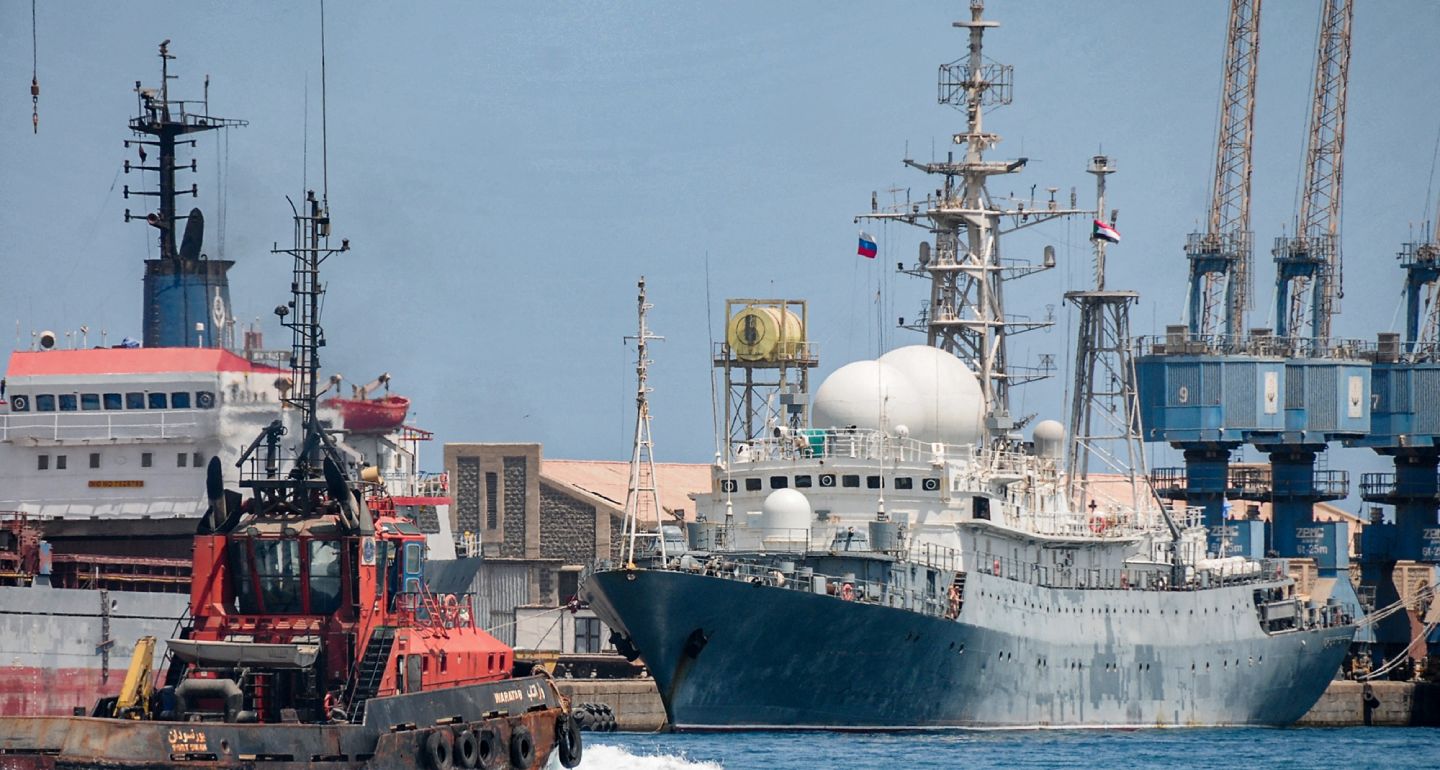
В суданской войне Кремль оказывается в роли младшего партнера в чужой коалиции, который способен лишь сдать в аренду российское право вето в Совбезе ООН.
Сергей Коняшин
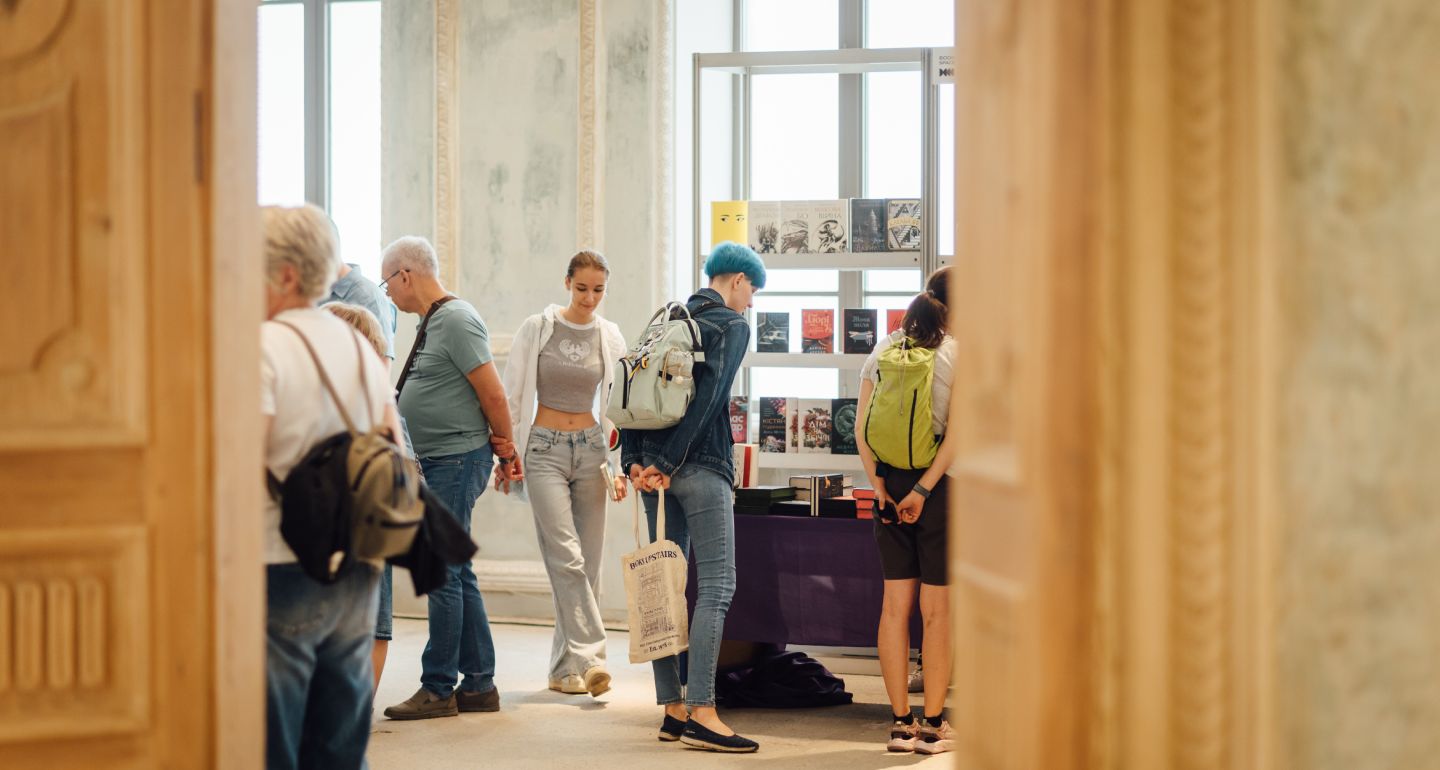
Читателю больше не нужны подмигивания, намеки, прозрачные аллегории, примеры из прошлого или инструменты проработки травмы. В книгах он ищет не объяснения происходящего с ним лично, со страной и миром, но укрытия от всего вышеперечисленного.
Галина Юзефович
Задержание Звинчука могло бы стать серьезным ударом по российской пропагандистской инфраструктуре на Балканах. Но пока из него можно сделать другой вывод: Москва ценит и защищает своих пропагандистов, а Европа до сих пор не решила, что с ними делать, ограничив риски для них несколькими часами в полиции.
Ксения Лученко, Иван Филиппов
При всей своей кажущейся незначительности нынешние перестановки закрепляют важную тенденцию: административное ядро российского госаппарата постепенно проседает, уступая все четче проступающим профильным сферам влияния.
Татьяна Становая
В широком диапазоне цен и рыночных условий, наблюдавшихся за четверть века, формула поставок газа в Китай дает на 20–30% более низкую цену, чем формула, действовавшая для Западной Европы.

Сергей Вакуленко