

Комментарий
Сергей Вакуленко
{
  "authors": [
    "Сергей Вакуленко"
  ],
  "type": "commentary",
  "blog": "Carnegie Politika",
  "centerAffiliationAll": "",
  "centers": [
    "Carnegie Endowment for International Peace",
    "Берлинский центр Карнеги"
  ],
  "englishNewsletterAll": "",
  "nonEnglishNewsletterAll": "",
  "primaryCenter": "Берлинский центр Карнеги",
  "programAffiliation": "",
  "programs": [],
  "projects": [],
  "regions": [
    "Россия",
    "Соединенные Штаты Америки"
  ],
  "topics": [
    "Энергетика",
    "Внешняя политика США",
    "Энергетическая политика"
  ]
}
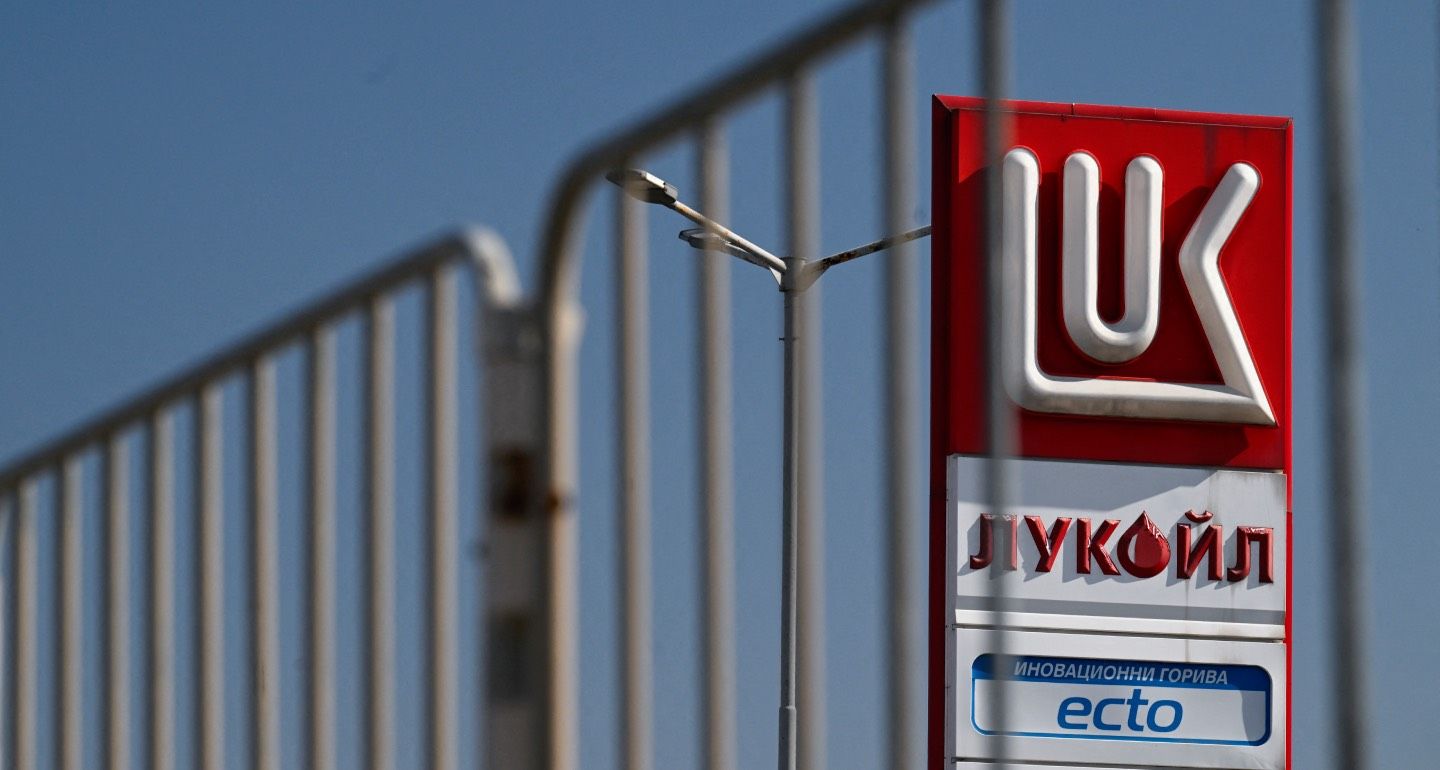
Фото: Getty Images
Крупные китайские и индийские нефтепереработчики еще могут на время изобразить готовность отказаться от нефти «Лукойла» и «Роснефти», но лишь для того, чтобы снова начать покупать ее, когда внимание Трампа переключится, скажем, на Венесуэлу. А покупатели помельче и этого делать не станут.
После того как США и России не удалось сблизить позиции в ходе подготовки к саммиту в Будапеште, Вашингтон ответил отменой встречи и введением новых санкций. На этот раз под ограничения подпали «Роснефть» и «Лукойл» с недвусмысленным пояснением, что это наказание за несерьезное отношение Москвы к мирному процессу.
Санкции тут же наделали много шума — в основном потому, что они стали первыми, введенными после возвращения Дональда Трампа в Белый дом. В остальном же они несут немного нового: «Роснефть» и «Лукойл» теперь оказались примерно под такими же ограничениями, под какими еще с 10 января 2025 года находятся две другие крупные российские нефтяные компании — «Сургутнефтегаз» и «Газпром Нефть».
Январские санкции, введенные уходящей администрацией Джо Байдена, тоже поначалу казались грозными. Но объемы добычи и экспорта у обеих компаний практически не снижались, а выросшие было накладные расходы и скидки при поставках в Индию и Китай вернулись к досанкционным значениям. Основные объемы экспорта пошли через компании-фронты, но обе компании достаточно часто отправляют нефтяные грузы и от своего имени. Поэтому пока нет серьезных оснований ожидать, что две следующие нефтяные компании не смогут справиться с той же задачей.
Санкции США считаются грознее других, потому что не только замораживают все активы подсанкционного лица в американской юрисдикции, но и стремятся заметно осложнить ведение бизнеса с этим лицом по всему миру. Понятно, что на четвертый год войны активов в США ни у «Лукойла», ни у «Роснефти» быть не должно — иметь дело со всей нефтяной отраслью РФ американцам запретили еще весной-летом 2022 года.
По практикуемой американскими судами концепции длинных рук американского закона американская юрисдикция может распространяться на любую активность, в которой используется хоть что-то американское. Это касается в том числе доллара как средства платежа — причем не только за саму нефть, но и за фрахт или даже за поставку еды на везущий эту нефть танкер. Последнего может быть достаточно в глазах американского суда, чтобы ввести обеспечительные меры, в том числе выписать ордеры на арест людей и активов и требовать сотрудничества в исполнении этих ордеров от иностранных государств, которые, как правило, предпочитают не ссориться с США.
И даже если доллар совсем никак не используется, власти США все равно могут карать участников торговли и внести уже контрагентов зачумленной компании в список SDN, отлучающий внесенного от финансовой системы Запада. Это административная, а не судебная процедура, и оспорить ее крайне трудно, потому что формально США никак не наказывают иностранное юридическое или физическое лицо, а лишь запрещают своим гражданам иметь с ним дело.
Все это делало американские санкции чрезвычайно эффективными на протяжении нескольких десятилетий после окончания холодной войны. Однако за последние годы сразу несколько тенденций заметно ограничили эффективность санкционной политики США.
Прежде всего, после российского вторжения в Украину размер подсанкционных потоков резко увеличился. Если раньше речь шла об обслуживании небольшой торговли нескольких стран-изгоев вроде Ливии и Северной Кореи, то теперь под санкции подпали обороты в сотни миллиардов долларов, вокруг которых быстро растет альтернативная финансовая система. А в ней становится достаточно места для разнообразных агентов, для которых попадание в проскрипционные списки больше не выглядит как полный крах и которые понимают, как будут работать, даже подпав под санкции.
Другой элемент новой реальности — это осознание, что США больше не всесильны и не могут вводить санкции безболезненно для себя. Если раньше для любой страны США как торговый партнер были куда важнее, чем любая страна для США, то теперь торговля с крупными экономиками вроде Китая и Индии для Америки, как минимум, не менее важна, чем торговля с Америкой для них. Лидеры этих стран хорошо это понимают и не стесняются противостоять американскому давлению.
Наконец, США стало намного сложнее системно мониторить введенные санкции. Добиться их стопроцентного выполнения не получалось и раньше, но с попаданием под них такой крупной экономики, как российская, нарушения санкций приобрели принципиально иной масштаб. Даже до инаугурации Трампа ограничения против России активно нарушались — например, откровенно не работал ценовой потолок на российскую нефть. А за последние месяцы следить за соблюдением санкций Вашингтону стало еще сложнее из-за многочисленных увольнений и причудливых реформ в американском госаппарате.
В результате, когда рациональный бизнесмен сравнивает, с одной стороны, потенциальные барыши от обслуживания российской нефтяной торговли с оборотом в миллиарды долларов в месяц, а с другой — вероятность и тяжесть потерь в случае подпадания под американские санкции, баланс смещается в сторону принятия рисков, а не отказа от деятельности.
По большому счету, чтобы создать России серьезные проблемы, администрации Трампа необязательно было вводить какие-то новые санкции. Достаточно было заставить работать старые — например, начать системно бороться за соблюдение ценового потолка или выявлять и наказывать покупателей и посредников, связанных с продажей нефти «Сургутнефтегаза» и «Газпром нефти».
Однако это не принесло бы мгновенного эффекта и выглядело бы как продолжение политики администрации Джо Байдена. А вот ввести новые санкции — это громко, зрелищно и привлекает внимание. Правда, весь предыдущий опыт показывает, что такой шаг, во-первых, вряд ли способен изменить позицию Владимира Путина, а во-вторых, будет иметь лишь краткосрочный и не слишком глубокий эффект на экспорт российской нефти.
Для Путина война с Украиной — это не прагматичная борьба за ценные территории с полезным населением, которую имеет смысл вести, лишь пока ее издержки не слишком велики. Для него эта война — дело принципа, и символический капитал, который он надеется приобрести, важнее потраченных ресурсов. Поэтому он будет продолжать воевать, не обращая внимания на будущие долгосрочные проблемы для экономики и упускаемую выгоду, пока на войну хватает ресурсов здесь и сейчас. А введенные санкции на это если и повлияют, то лишь через несколько лет.
Индия и Китай тоже вряд ли откажутся от российской нефти, потому что воспринимают войну в Украине как чужую, хотят иметь удобного поставщика, торгующего по приятным ценам, и готовы отстаивать свой суверенитет под давлением США. Крупные китайские и индийские нефтепереработчики еще могут на время изобразить готовность отказаться от нефти «Лукойла» и «Роснефти», но лишь для того, чтобы снова начать покупать ее, когда внимание Трампа переключится, скажем, на Венесуэлу. А покупатели помельче и этого делать не станут.
В таком случае новые санкции будут означать для России снижение выручки на миллиарды долларов в год, но не в несколько раз. Возможно, это подтолкнет власти немного уменьшить оборонное производство, что облегчит положение Украины, но не заставит Путина задуматься о смене курса.
Тем не менее краткосрочный эффект от новых санкций будет весьма заметным. Они повлияют на объем поставок российской нефти на мировой рынок и создадут проблемы для заграничных проектов «Лукойла» и «Роснефти».
Эти две компании в сумме обеспечивают около половины российской добычи нефти и конденсата. С учетом уже находящихся под санкциями «Сургутнефтегаза» и «Газпром нефти», подсанкционная доля в общем объеме добычи жидких углеводородов в России превысит 80%, и уход таких объемов с рынка — серьезный шок.
Кроме того, у обеих компаний есть бизнес вне России. Ключевой заграничный актив «Роснефти» — это один из крупнейших индийских НПЗ Nayara Energy. Правда, для него в принципе мало что должно измениться, потому что он уже находится под санкциями ЕС, а доля «Роснефти» в нем формально меньше контролирующей.
Также «Роснефть» владеет 30% в оффшорном газовом проекте Зор в Египте. Это крупнейшее газовое месторождение в Средиземном море с добычей более 20 млрд кубометров в год.
Наконец, формально «Роснефть» остается владельцем долей в трех крупных НПЗ в Германии, включая мажоритарную долю в НПЗ «Шведт», снабжающем Берлин. Эти доли находятся в опеке немецкого правительства, и на деле «Роснефть» ими не управляет, но по признаку владения они тоже подпадают под санкции.
Иностранный бизнес «Лукойла» значительно обширнее и составляет примерно треть от общего объема. В сегменте разведки и добычи компания участвует в нескольких крупных проектах в Ираке, Узбекистане, Конго, Мексике и других странах. Причем в Ираке «Лукойл» — крупнейший или единственный акционер в своих проектах.
Как показывает опыт «Газпром нефти», тоже работающей в Ираке, санкционный статус не делает продолжение работы там невозможным, но значительно осложняет взаимодействие с подрядчиками и поставщиками.
В сегменте переработки и сбыта «Лукойл» владеет 45% НПЗ в Нидерландах и 100% в двух НПЗ в Румынии и Болгарии, а также сетями заправочных станций в Европе. В США под торговой маркой «Лукойла» по франшизе работает более 200 заправок вокруг Нью-Йорка.
Наконец, у «Лукойла» есть доли в проектах Карачаганак и Тенгиз в Казахстане, в трубопроводе КТК и газовом проекте Шах-Дениз в Азербайджане. В новом пакете санкций есть исключения только для «Тенгизшевронойл» и КТК — американское правительство решило не создавать неудобств крупной американской компании. Но вот в остальных проектах, где ENI, BP, Shell и TotalEnergie оказались партнерами подпавших сейчас под санкции компаний, сложностей будет немало.
Формально доли «Лукойла» и «Роснефти» миноритарные, так что консорциумы целиком под санкции не подпадают, но, например, выплачивать дивиденды станет практически невозможно. Да и рутинные операционные решения, за которые должны голосовать представители компаний-изгоев, тоже будет принимать не так просто. Взаимодействие со множеством контрагентов — поставщиками оборудования, банками и так далее — тоже сильно осложнится.
Учитывая, что азербайджанский Шах-Дениз является важным поставщиком газа для ЕС, головная боль появится и у Евросоюза. Германия уже обратилась за исключением для продолжения спокойной работы немецких НПЗ с долями «Роснефти». Скорее всего, немцы их получат, хотя и здесь возможна интрига. США активно подталкивают Европу занимать более жесткую позицию по отношению к России и могут, например, предложить национализировать доли «Роснефти», что будет не так просто сделать с юридической точки зрения.
Не очень понятно, почему за годы войны «Лукойл» так и не вывел свои международные операции в другую компанию, чтобы хоть как-то обезопасить их от санкций. Впрочем, в любом случае это проблемы лишь компании и ее акционеров, а не российского бюджета. Интересно, что в первой половине 2025 года «Лукойл» выкупил у своих акционеров 13% акций по весьма высокой цене. Предположительно продавцами были основатели компании Леонид Федун (9% акций на начало года) и Вагит Алекперов (28% на начало года). Возможно, основатели почувствовали надвигающиеся риски раньше, чем менеджмент.
Ключевой краткосрочный вопрос для мирового рынка — что будет с российским нефтяным экспортом в ближайшие месяцы? Ответ на него зависит от того, насколько тщательно администрация Трампа будет следить за соблюдением новых санкций. Сосредоточат ли внимание только на поставках «Лукойла» и «Роснефти» или также на «Сургутнефтегазе» и «Газпром нефти»? В самом суровом варианте это может означать уход с рынка до 4 млн баррелей в день нефти и 1,5 миллиона баррелей в день нефтепродуктов. Такой объем быстро и полностью заменить невозможно, а значит, этот сценарий означал бы значительный рост цен.
Другой вопрос — что именно нужно Трампу и сколько усилий он готов приложить для достижения этой цели? Если задача в том, чтобы просто послать Путину сигнал о недовольстве, то достаточно может быть того, что у двух компаний добавится головной боли, обесценятся некоторые активы и повысятся операционные издержки.
Если же администрация Трампа намерена всерьез взяться за сокращение нефтяного экспорта РФ, причем всеми компаниями, то прекратить его полностью все равно не удастся. В любом случае останется какой-то экспорт нефти в Беларусь и нефтепродуктов в Центральную Азию, трубопроводные поставки в Китай, торговля относительно небольших компаний — в сумме это составит около 2 млн баррелей в день. При этом заметный рост мировых цен, вызванный уходом 3,5 млн баррелей в день с рынка, будет подталкивать к поиску обходных путей, создавать проблемы в экономике США и их союзников, вызывать недовольство избирателей.
Однако, судя по реакции рынка, в такие катаклизмы не особенно верят. Если бы такая перспектива была реальной, цены бы выросли на $20–30 за баррель, а не на $5, как сразу после объявления о санкциях. Примерно так же ситуацию оценивает большинство рыночных аналитиков: рынок ждет период турбулентности и неопределенности, но, когда пыль осядет, поставки из России в основном сохранятся.
С учетом прошлого опыта наиболее реалистично выглядит перспектива того, что Индия на время сократит закупки российской нефти (возможно, за исключением Nayara Energy), а Китай не станет сокращать объем покупок, но вряд ли перетянет освободившиеся индийские объемы. Это значит, что экспорт из России сократится как минимум на 700 тысяч баррелей в день.
Такой объем сейчас заместить относительно легко. После отмены дополнительных сокращений квот в ОПЕК+ нефти сейчас используется меньше, чем добывается, а излишек скупают в хранилища. Делает это в основном Китай в объеме, доходящем до 1 млн баррелей в день. Так что дополнительным 700 тысячам есть откуда взяться — либо китайские нефтяные резервы будут расти медленнее, либо добычу увеличат Саудовская Аравия и ОАЭ.
Для России потеря этих 700 тысяч означает сокращение нефтяной валютной выручки примерно на 15%. Это создаст определенные трудности и для государства, и для нефтяных компаний. Но вряд ли они окажутся достаточно сильными, чтобы изменить отношение Путина к войне.
В долгосрочной перспективе проблемы, вызванные таким санкционным давлением, несомненно, ослабят потенциал российской экономики и ее способность выдержать многолетнее противостояние с западной коалицией. Но одновременно это даст дополнительный стимул для разрастания и укрепления отдельного рынка нефти, не связанного с финансовой системой Запада, и деглобализации в целом.
Ссылка, которая откроется без VPN, — здесь.

Старший научный сотрудник
Сергей Вакуленко — старший научный сотрудник Берлинского центра Карнеги по изучению России и Евразии.
Недавние работы
Сергей Вакуленко
Сергей Вакуленко
Карнеги не занимает институциональных позиций по вопросам государственной политики; изложенные здесь взгляды принадлежат автору(ам) и не обязательно отражают взгляды Карнеги, его сотрудников или попечителей.

Эмигрантские раздоры и нападки на Горького встречались в высших московских кабинетах улыбками одобрения: все было на правильном пути, Буревестник в меру запачкан, окольцован и отлучен от враждебной кормушки.

Иван Толстой
В ретроспективе 1989 год оказывается не совсем тем поворотным пунктом, каким мы его считали.

Сергей Радченко
Рассказ, задуманный как подтверждение исторической силы и суверенитета России, превращается в историю ее хронической пассивности, слабости и уязвимости.

Алексей Уваров

По отдельности плохие новости этого года читаются как не более чем проблемы конкретных отраслей. Но вместе они показывают, что государство отказывается от собственных правил, потому что больше не может им следовать — правила мешают управлять в ручном режиме.

Александра Прокопенко

В то время как Запад требует от Telegram большей ответственности как посредника по передаче информации, Россия требует от Дурова полного подчинения любым требованиям властей.

Мария Коломыченко