

Paper
George Perkovich
{
  "authors": [
    "George Perkovich"
  ],
  "type": "legacyinthemedia",
  "centerAffiliationAll": "dc",
  "centers": [
    "Carnegie Endowment for International Peace"
  ],
  "collections": [
    "U.S. Nuclear Policy"
  ],
  "englishNewsletterAll": "ctw",
  "nonEnglishNewsletterAll": "",
  "primaryCenter": "Carnegie Endowment for International Peace",
  "programAffiliation": "NPP",
  "programs": [
    "Nuclear Policy"
  ],
  "projects": [],
  "regions": [
    "North America",
    "United States"
  ],
  "topics": [
    "Military",
    "Foreign Policy",
    "Nuclear Policy"
  ]
}
Source: Getty
Nuclear disarmament is not an end in itself. Rather, it should be a means to global security. Some argue that nuclear deterrence provides the best form of security. But the fact that we worry so much about proliferation suggests awareness that deterrence in a complex multi-polar order is not fail-safe. The only long-term answer is to reduce the number of nuclear weapons to zero.
Source: The Hill

Of course, not all American leaders agree. Former Secretary of Defense Harold Brown and CIA director John Deutch, both Democrats, argue that “the goal, even the aspirational goal, of eliminating all nuclear weapons is counterproductive.” Republican Senator John Kyl insists that “U.S. national security — and that of our friends and allies — will not permit a nuclear weapons-free world in the foreseeable future.”
Shultz, Kissinger, Perry and Nunn are correct. A long-term project to abolish nuclear weapons would augment key U.S. goals of preventing proliferation, preventing nuclear terrorism, reducing the unique threat of nuclear annihilation, and fostering optimism about American leadership in the world. These objectives can and should be pursued in any case, but the chances of attaining them are much dimmer if they are not framed in the broader enterprise of freeing the world from nuclear weapons.
Nuclear disarmament is not an end in itself. Rather, it should be a means to global security. Some argue that nuclear deterrence provides the best form of security. Yet, if deterrence were going to be so reliable in the future, we wouldn’t worry about proliferation. The fact that we worry so much about proliferation suggests awareness that deterrence in a complex multi-polar order is not fail-safe. In that case, the only long-term answer is to reduce the number of nuclear weapons to zero.
It is becoming increasingly obvious that without a clearer commitment to the elimination of all nuclear arsenals, non–nuclear-weapon states will not support strengthened nonproliferation rules, inspections, and controls over fissile materials.
Abolishing nuclear weapons does not mean disinventing them. No human creation can be disinvented. But societies have decided that certain technologies – like mass-scale gas chambers — are too unsafe or undesirable to tolerate. The issue is whether the means could exist to verify that weapons were dismantled, to minimize the risk of cheating, and to build confidence in enforcement measures against cheaters.
Fortunately, the steps necessary to make nuclear disarmament feasible are things we need to do today anyway. The accounting and control over nuclear materials that all nuclear-armed steps would insist on before relinquishing their last weapons would greatly reduce risks that terrorists could acquire these materials. Similarly, the nuclear-armed states would not be willing to relinquish their last weapons if states like North Korea and Iran remained non-compliant with their various nonproliferation and disarmament obligations. Prospects of enforcement would grow if everyone was being held to an equal standard, rather than the current circumstance of selective enforcement between nuclear “haves” and “have nots.”

Japan Chair for a World Without Nuclear Weapons, Senior Fellow
George Perkovich is the Japan Chair for a World Without Nuclear Weapons and a senior fellow in the Carnegie Endowment for International Peace’s Nuclear Policy Program. He works primarily on nuclear deterrence, nonproliferation, and disarmament issues.
Recent Work
George Perkovich
George Perkovich
Carnegie does not take institutional positions on public policy issues; the views represented herein are those of the author(s) and do not necessarily reflect the views of Carnegie, its staff, or its trustees.

With the growth in points of friction between the great powers, organizations like the SCO will continue to play a role in the strategic adaptation of the smaller powers caught between them.

Temur Umarov

When faced with fuel shortages in the past, Central Asian governments could always count on additional supplies from Moscow. That safety net no longer exists.

Galiya Ibragimova

Despite unhappiness on the ground, Moscow is determined to use both carrot and stick to ensure there is record support for United Russia in occupied Ukraine.

Konstantin Skorkin
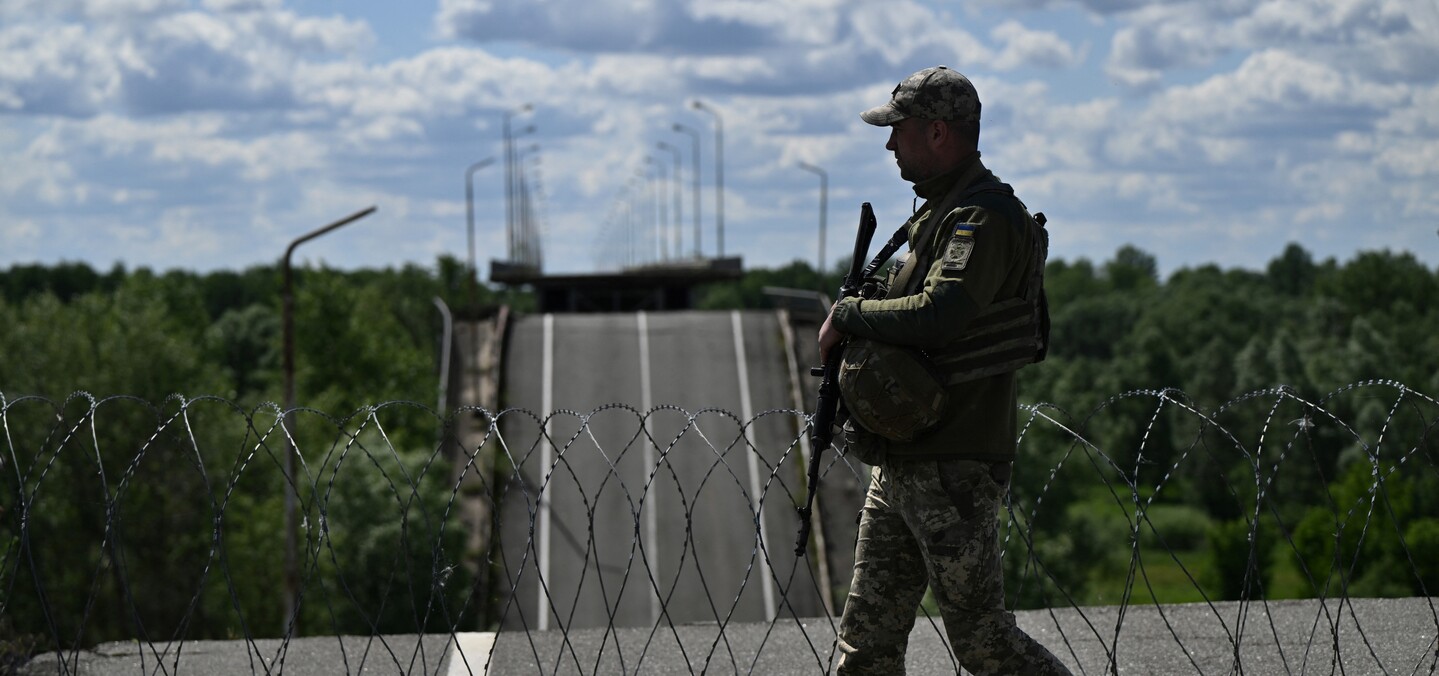
The recent damage inflicted by Ukrainian drones and missiles on Russia has made Belarus aware of its own vulnerabilities—and surprisingly amenable to Kyiv’s demands.

Artyom Shraibman
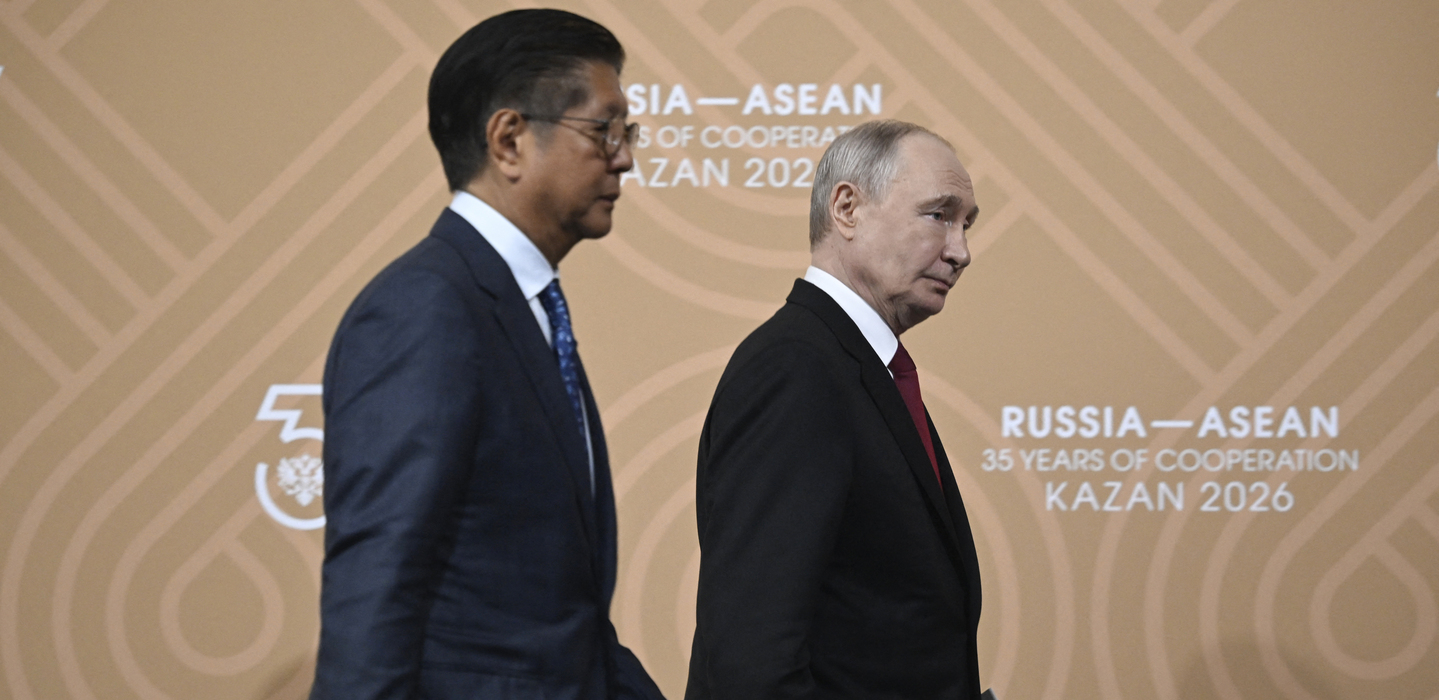
Russia looks set to reap economic benefits from closer ties with Southeast Asian countries that are keen to find reliable energy suppliers and diversify trade ties.

Alexander Gabuev