

In The Media
Martha Brill Olcott
{
  "authors": [
    "Martha Brill Olcott"
  ],
  "type": "legacyinthemedia",
  "centerAffiliationAll": "dc",
  "centers": [
    "Carnegie Endowment for International Peace",
    "Carnegie Europe",
    "Carnegie Russia Eurasia Center"
  ],
  "collections": [],
  "englishNewsletterAll": "ctw",
  "nonEnglishNewsletterAll": "",
  "primaryCenter": "Carnegie Endowment for International Peace",
  "programAffiliation": "russia",
  "programs": [
    "Russia and Eurasia"
  ],
  "projects": [
    "Eurasia in Transition"
  ],
  "regions": [
    "Central Asia",
    "Kyrgyz Republic",
    "Asia"
  ],
  "topics": [
    "Political Reform",
    "Democracy",
    "Economy"
  ]
}
Source: Getty
Public hostility toward the Kyrgyz government escalated over the past weeks, leading to the recent street protests and demonstrations that seem to have topped the government of President Bakiyev.
Source: NPR

Ms. MARTHA BRILL OLCOTT (Carnegie Endowment for International Peace): Kyrgyzstan is a predominantly rural population, but it has an urban population that's really significant, the capital city of Bishkek, which has been mostly what we've been seeing images in the news for the last few days. And a large city in the southern part of the country called Osh.
BLOCK: I've seen Kyrgyzstan referred to as the Switzerland of central Asia. Sounds like it must be a beautiful place.
Ms. OLCOTT: It's a magnificent place and it's dominated by spectacular mountains. But it also is these mountains are partly what creates some of the developmental challenges and tensions in the country itself because the north and the south of the country is split by these mountain ranges.
BLOCK: And what does that do in terms of the economy?
Ms. OLCOTT: It's not easy to get from the north to the south. Theyve built a new highway, but you still have several mountain passes that are higher than 10,000 feet. So, it's not an easy country to move goods from north to south. But I think the bigger thing that the mountains have created an economic challenge with is that Kyrgyzstan is energy dependent on its neighbors. It imports oil and gas. And, see, the mountains in Kyrgyzstan are the headwaters for the river system that goes through central Asia for the Syrdarya River. And Kyrgyzstan would like to be able to generate hydroelectric power using the wealth of the mountains, which is these river streams.
BLOCK: I was looking at worldwide rankings of per capita GDP to see where Kyrgyzstan ranks, and it's way down on the list below Nicaragua, Yemen, Sudan. Does it have natural resources? What does it export?
Ms. OLCOTT: Kyrgyzstan has some natural resources. Its most valuable natural resource is gold. And for the first 20 years of independence, the big gold projects were returning higher yields because they were in the early life of the mines when the deposit is richer. The last few years, these deposits have become more used up and so there's less income being generated from that.
But the income from exports is not sufficient, obviously, to maintain the economy of the whole country, which is one of the reasons why you've had a lot of migrant laborers going from Kyrgyzstan to Russia, which makes Russia a very important partner of whatever government is going to be in power, because this is a major source the source of about 20 percent of the country's GDP comes from remittances.
BLOCK: Ms. Olcott, as we said, you have been traveling to Kyrgyzstan for 20 years now. You were there, I think as recently as five weeks ago, did you see this upheaval coming?
Ms. OLCOTT: Certainly the upheaval was on a list of things that were real potentials. The first demonstration started when we were in Kyrgyzstan. They weren't in Bishkek, they were in Naryn. People that I know in the opposition then the opposition now the government - were talking of escalating demonstrations being likely. But it's very hard to measure the degree of populous dissatisfaction.
BLOCK: Were you surprised that the strength of these street protests was ultimately enough to topple the Bakiyev government, even though President Bakiyev has not yet formally resigned?
Ms. OLCOTT: It was really clear to me five weeks ago that there was a great deal of public hostility. So, it's always hard to treat a popular uprising like a horse race to guess which horse is going to win. But I certainly came away believing that the opposition was the horse that was capable of winning.
BLOCK: Martha Brill Olcott, thanks very much.
Ms. OLCOTT: Thank you.
BLOCK: Martha Brill Olcott is a senior associate with the Carnegie Endowment for International Peace.
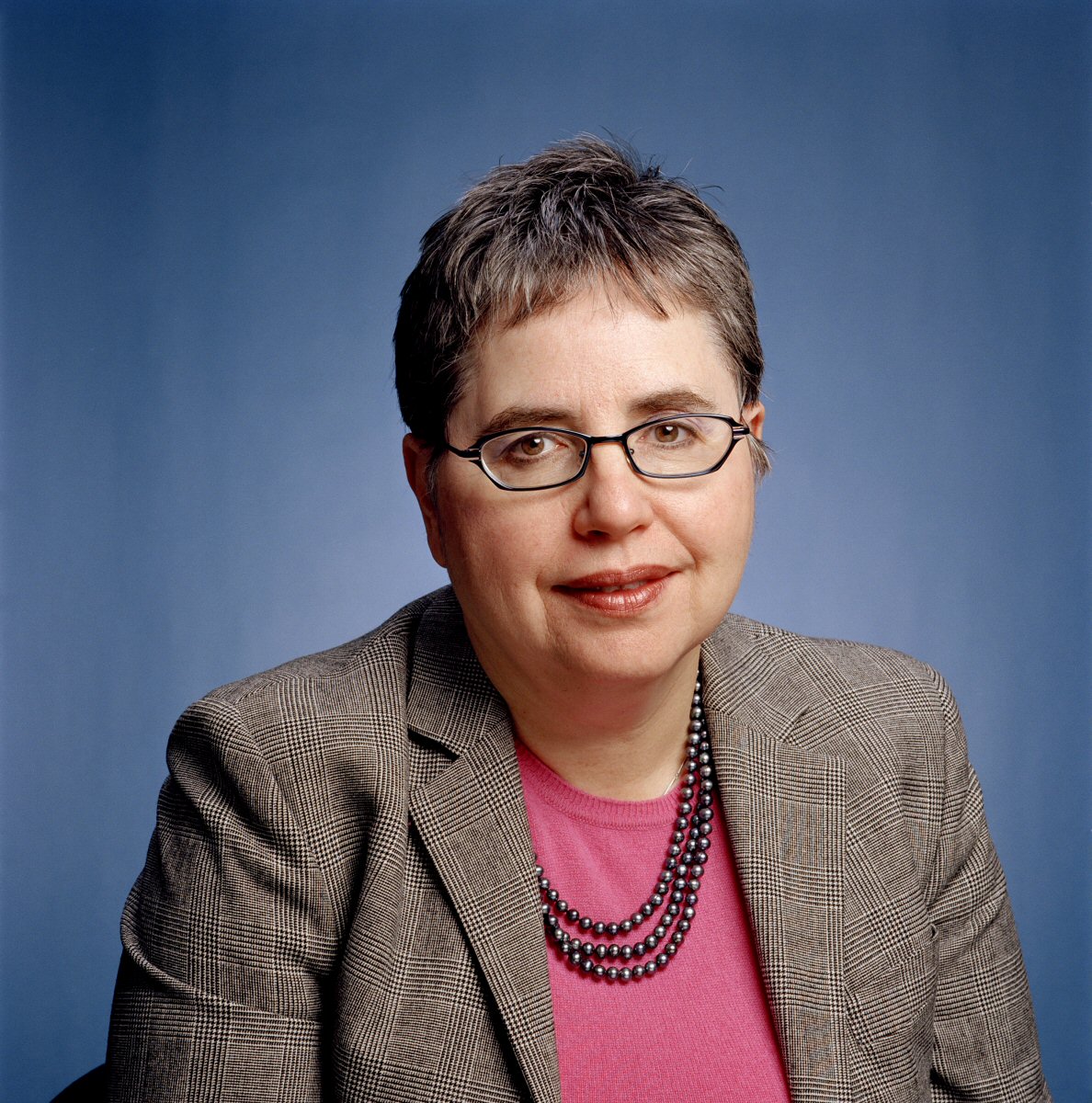
Former Senior Associate, Russia and Eurasia Program and, Co-director, al-Farabi Carnegie Program on Central Asia
Olcott is professor emerita at Colgate University, having taught political science there from 1974 to 2002. Prior to her work at the endowment, Olcott served as a special consultant to former secretary of state Lawrence Eagleburger.
Recent Work
Martha Brill Olcott
Martha Brill Olcott
Carnegie does not take institutional positions on public policy issues; the views represented herein are those of the author(s) and do not necessarily reflect the views of Carnegie, its staff, or its trustees.

Putin’s conservative staffing policies and search for ever greater control have cemented parliament’s transformation into a bureaucratic appendage of the executive branch.

Andrey Pertsev

Russian strikes are weakening the economy sustaining Ukraine’s war effort. Closing the growing funding gap will require more European support and politically contentious reforms in Kyiv.

Balázs Jarábik

Ex-president Gurbanguly Berdimuhamedov remains interested in politics, but his son Serdar, Turkmenistan’s current president, is becoming increasingly independent and willing to break with his father’s legacy. If their covert rivalry goes too far, both risk losing power.

Galiya Ibragimova

For every ruble allocated to social policy, health, and education in 2027, double that amount is earmarked for the army, the police, and the security services.

Alexandra Prokopenko

Sergei Kiriyenko used Russia’s parliamentary vote to further hone his strategy of corporate mobilization that is designed to maximize votes for United Russia.
Andrey Pertsev