

In The Media
David Rothkopf
{
  "authors": [
    "David Rothkopf"
  ],
  "type": "legacyinthemedia",
  "centerAffiliationAll": "",
  "centers": [
    "Carnegie Endowment for International Peace"
  ],
  "collections": [],
  "englishNewsletterAll": "",
  "nonEnglishNewsletterAll": "",
  "primaryCenter": "Carnegie Endowment for International Peace",
  "programAffiliation": "",
  "programs": [],
  "projects": [],
  "regions": [
    "Western Europe",
    "France"
  ],
  "topics": []
}
Source: Getty
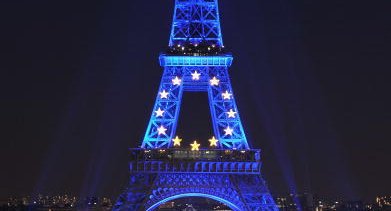
France’s decision to ban burqas, combined with the government’s recent treatment of Romas, appears to reveal a deep seated insecurity about the strength of French culture and to reinforce intolerance.
Source: Foreign Policy

It is estimated that fewer than 2,000 Muslim women in France would be affected by this law. This only underscores the degree of fear driving French lawmakers. Do they really believe these 1,900 or so women can actually undermine thousands of years of national culture or threaten France's national identity? If so, the problem isn't burqas. It's paranoia. Or it's a sense that French culture is soufflé -- so fragile it will fall at the sound of the first whisper.
Combine this with the French government's recent treatment of Romas and you have a pattern of behavior that echoes many of the darkest motifs in European history. Forcing my father to wear a yellow star on the streets of Vienna when he was a boy is the flip side of this coin. Protecting social "purity" by identifying an ethnic minority or by denying that minority -- in this case members of France's second largest religious group -- the right of self-expression is the same appalling thing. (For this reason I would encourage every Jew or Jewish group to stand alongside Muslim leaders opposed to these actions, but I fear it would only further coalesce the supporters of the ban.)
If there is a place for intolerance in civilized society it must be limited to intolerance of intolerance itself. President Nicolas Sarkozy and the people of France should indeed be on their guard. There is a dire threat to France within their midsts, but it does not wear a burqa.
Former Visiting Scholar
David Rothkopf was a visiting scholar at the Carnegie Endowment as well as the former CEO and editor in chief of the FP Group.
Recent Work
David Rothkopf
David Rothkopf
Carnegie does not take institutional positions on public policy issues; the views represented herein are those of the author(s) and do not necessarily reflect the views of Carnegie, its staff, or its trustees.
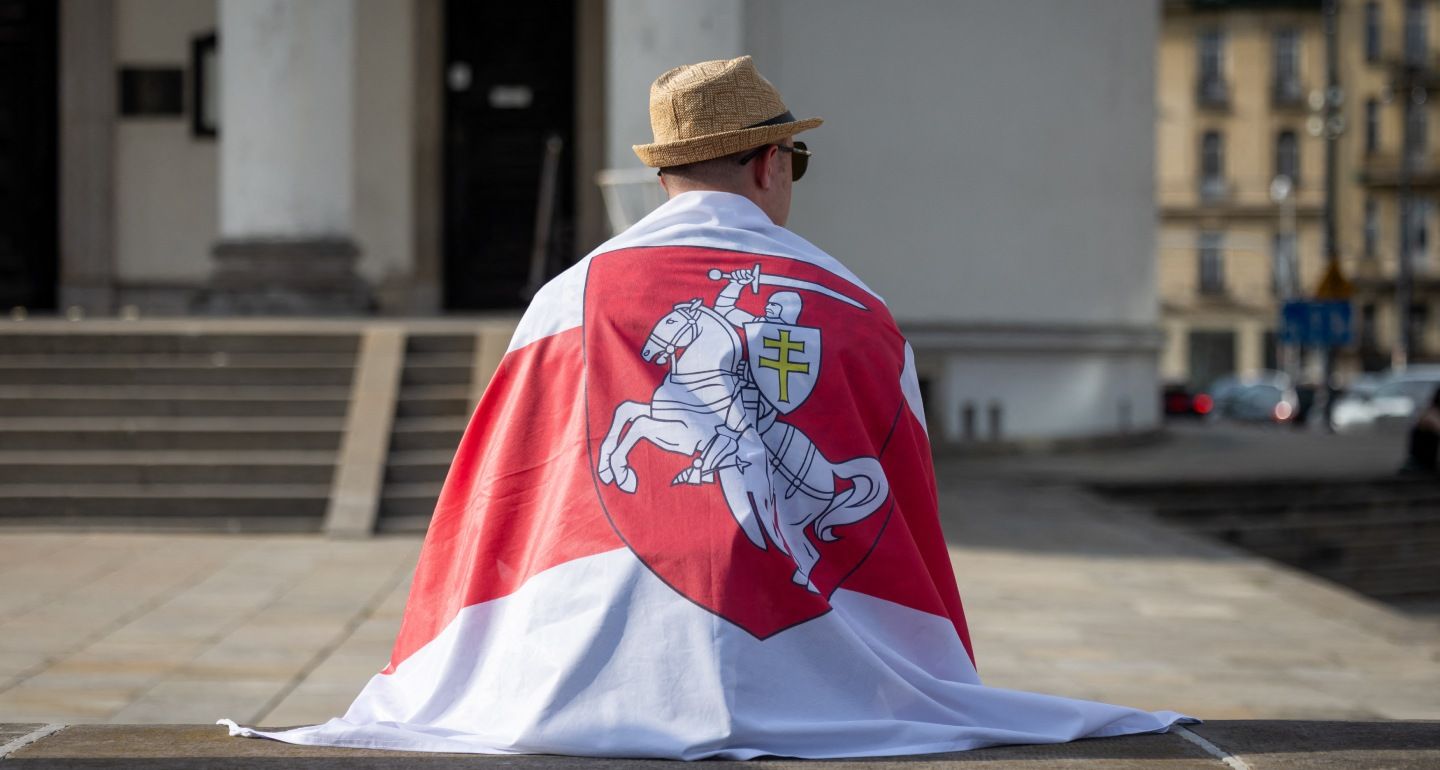
Minsk’s modest progress in creating a more predictable and peaceful image could stall at any minute as a result of tensions and developments in the region or a change in mood by Putin or Trump.

Artyom Shraibman
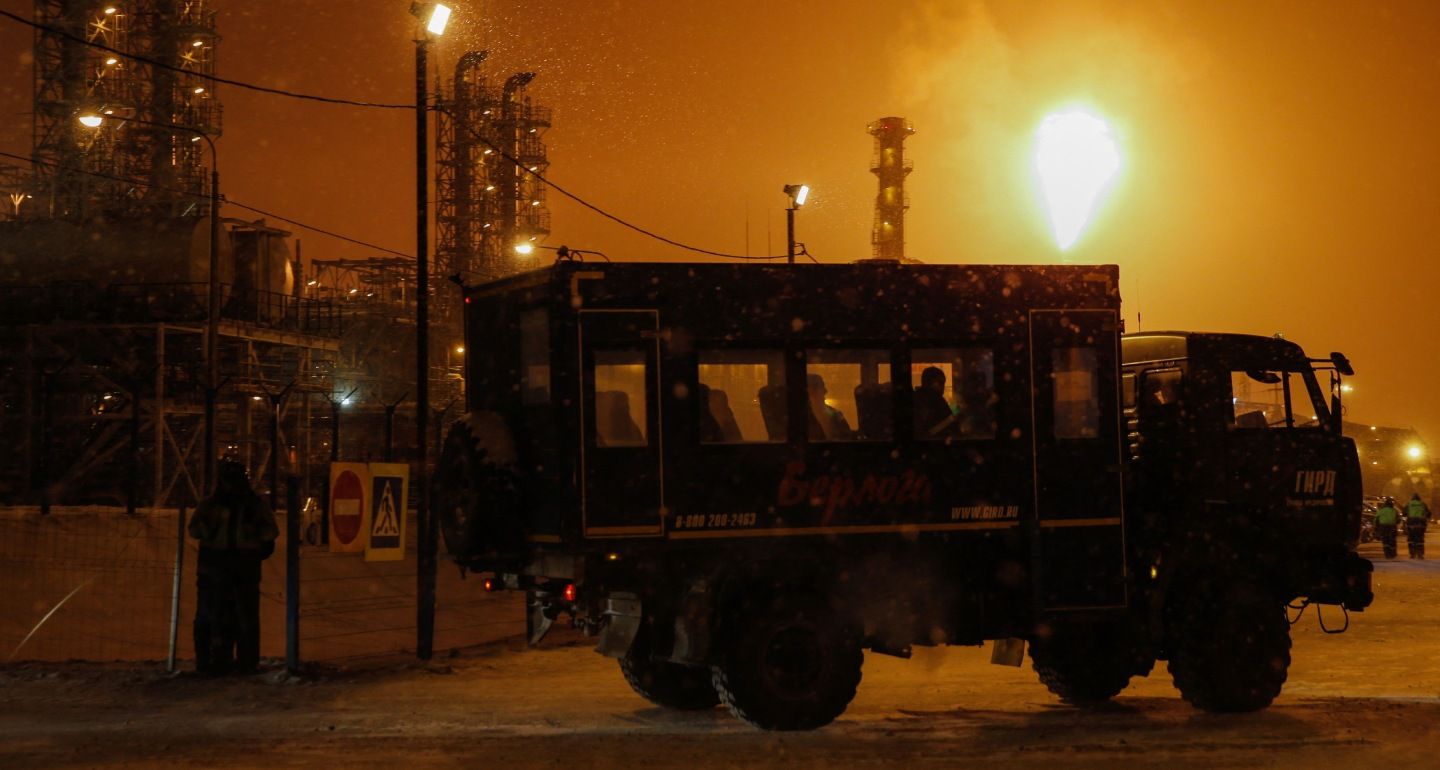
Western powers may soon find it hard to escape an unpalatable dilemma: either they need to invest heavily in ice-class marine capability, both military and commercial, with unclear payback prospects, or they will have to cede leadership in the Arctic to the Sino-Russian tandem.

Sergey Vakulenko
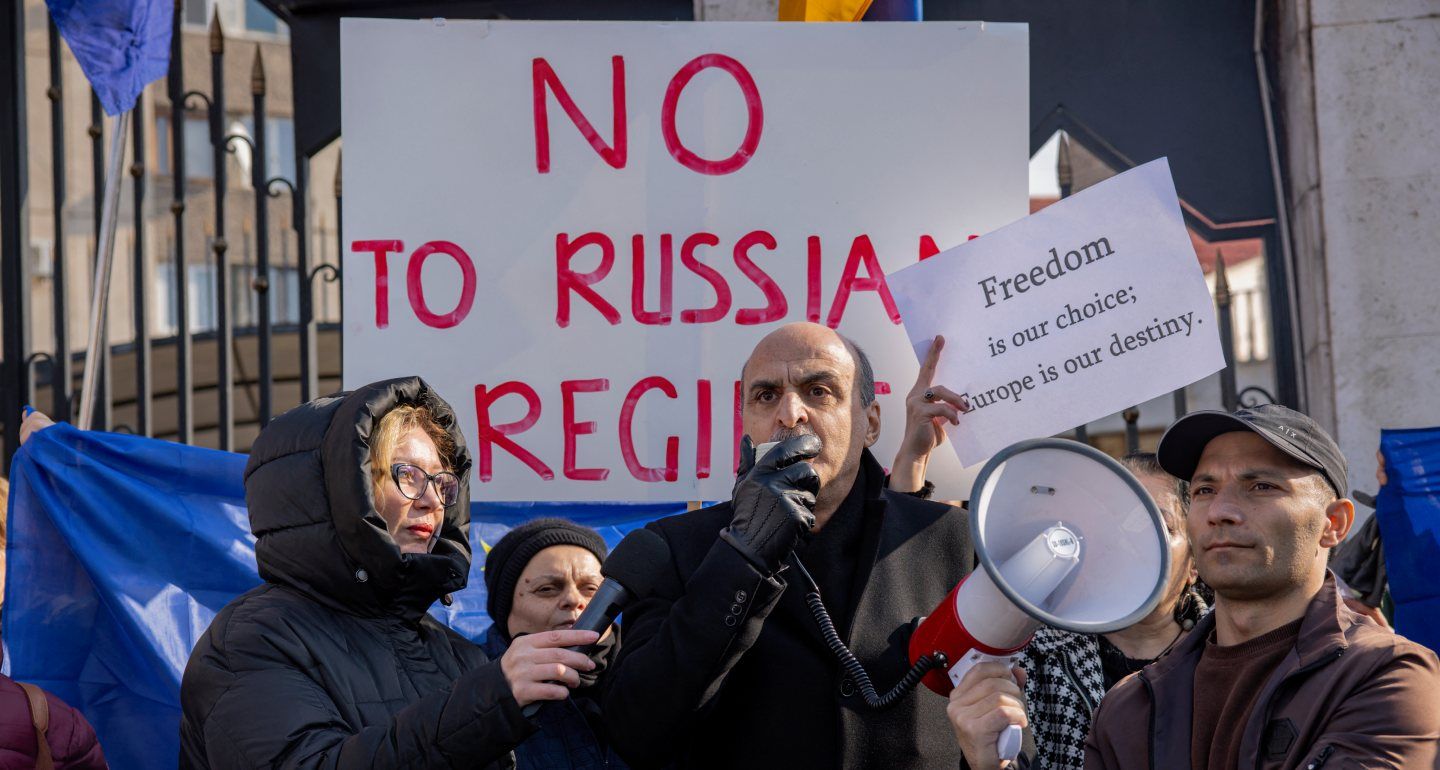
While Armenia remains formally aligned with Russia, its shift toward the West is becoming increasingly evident.
Olesya Vartanyan
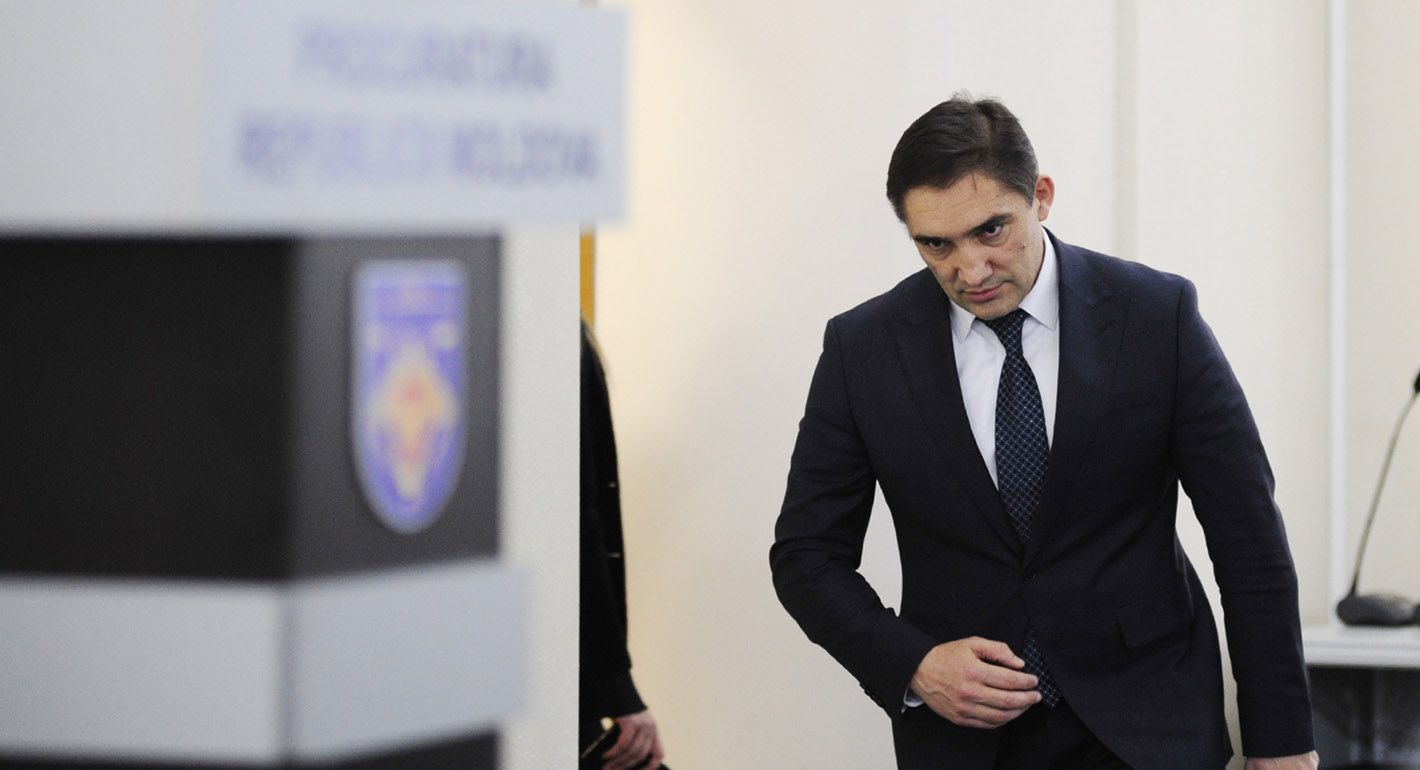
Former prosecutor general Alexandr Stoianoglo already has the support of Moldova’s most popular opposition politician in his bid to become president.
Vladimir Solovyov
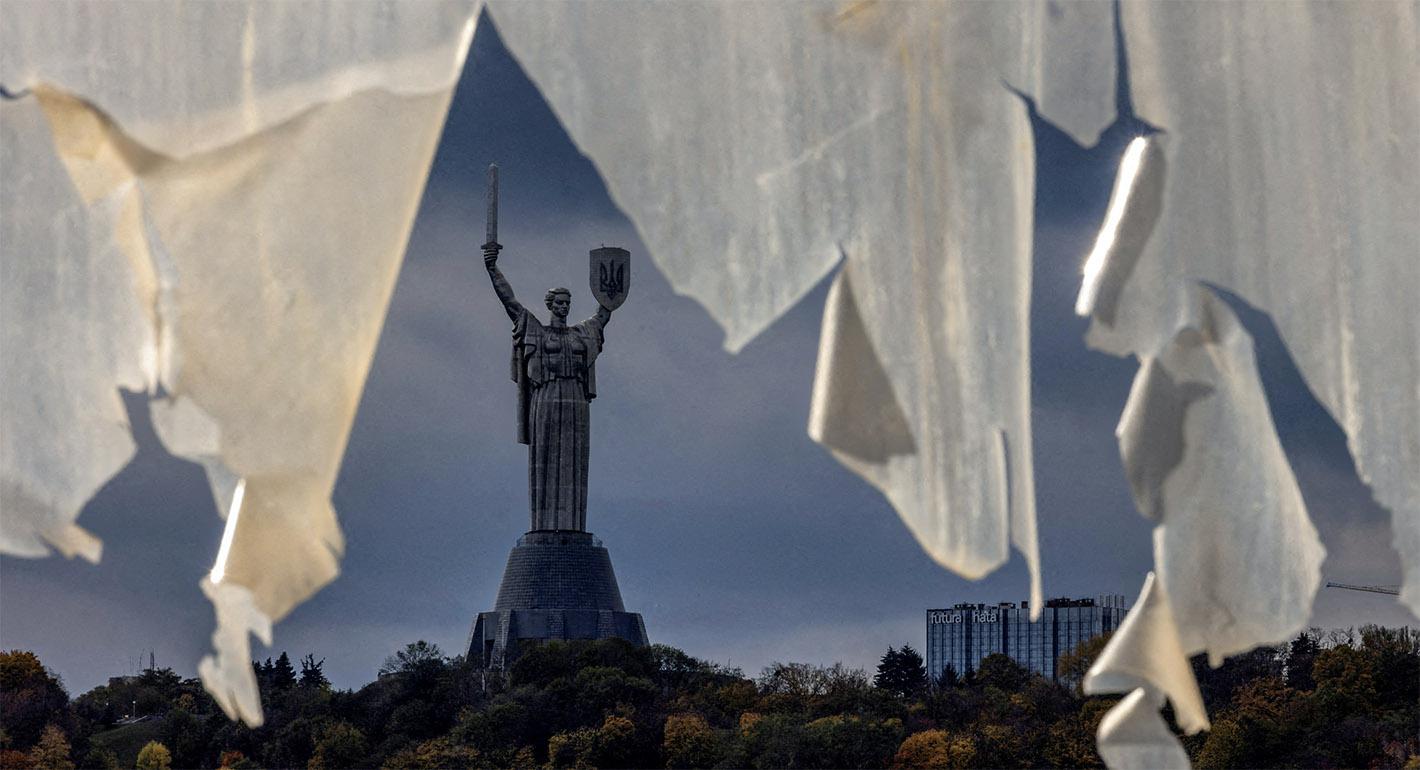
What seemed at first to be the start of a Third World War has turned out to be more akin to a Second Yugoslav War: a horrible conflict on the eastern edge of Europe triggered by a slow-motion imperial collapse with lasting global ramifications.

Alexander Baunov