

Commentary
As Russia’s relationship with the West has deteriorated, the Kremlin’s view of the Taliban has changed. But substantive economic cooperation will be hard to achieve.
Ruslan Suleymanov
{
  "authors": [],
  "type": "pressRelease",
  "centerAffiliationAll": "dc",
  "centers": [
    "Carnegie Endowment for International Peace"
  ],
  "collections": [],
  "englishNewsletterAll": "ctw",
  "nonEnglishNewsletterAll": "",
  "primaryCenter": "Carnegie Endowment for International Peace",
  "programAffiliation": "SAP",
  "programs": [
    "South Asia"
  ],
  "projects": [],
  "regions": [
    "South Asia"
  ],
  "topics": []
}
REQUIRED IMAGE
Eight countries and six companies eagerly await the Indian air force’s selection of a new medium multi-role combat aircraft—126 aircraft will cost approximately $10 billion. In a new report, Ashley Tellis says that the winner of the competition will gain a toehold in a lucrative market and the aircraft will play an essential role in India’s transformation from a regional power to a global giant.
WASHINGTON, January 26—Eight countries and six companies eagerly await the Indian air force’s selection of a new medium multi-role combat aircraft—126 aircraft will cost approximately $10 billion. In a new report, Ashley Tellis says that the winner of the competition will gain a toehold in a lucrative market and the aircraft will play an essential role in India’s transformation from a regional power to a global giant.
Tellis analyzes the technical and political factors India must consider in awarding the contract and argues that India needs to decide quickly, avoid splitting the purchase between competitors, and buy the “best” aircraft to help India prepare for future security competition in Southern Asia.
Key Findings:
“In making its decision, India’s government must keep the India air force’s interests consistently front and center to ensure that its ultimate choice of aircraft is the best one for the service,” Tellis writes. “This will not only help India to strengthen its combat capabilities in the coming years, but position it as a rising global power worthy of respect far into the future.”
NOTES
Click here to read the full report online
Ashley J. Tellis is a senior associate in the Carnegie South Asia Program. He specializes in international security, defense, and Asian strategic issues and was intimately involved in the negotiations associated with the U.S.-India civil nuclear agreement. Previously, he was a senior adviser to the U.S. ambassador to India and was a special assistant to the president and senior director for strategic planning and Southwest Asia in the National Security Council.
The Carnegie South Asia Program informs policy debates relating to the region's security, economy, and political development. From the war in Afghanistan to Pakistan's internal dynamics to U.S. engagement with India, the Program's renowned team of experts offer in-depth analysis derived from their unique access to the people and places defining South Asia's most critical challenges.
Carnegie does not take institutional positions on public policy issues; the views represented herein are those of the author(s) and do not necessarily reflect the views of Carnegie, its staff, or its trustees.
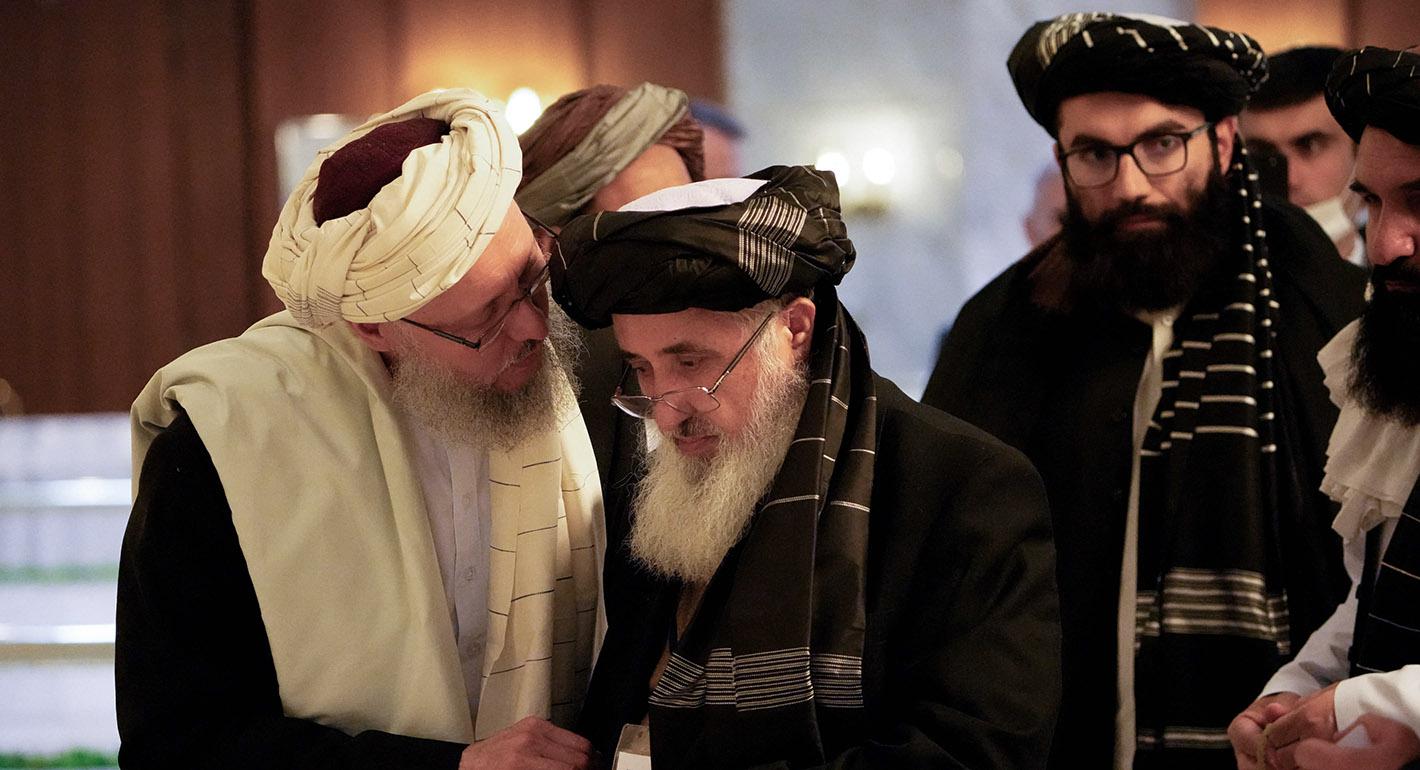
As Russia’s relationship with the West has deteriorated, the Kremlin’s view of the Taliban has changed. But substantive economic cooperation will be hard to achieve.

Ruslan Suleymanov
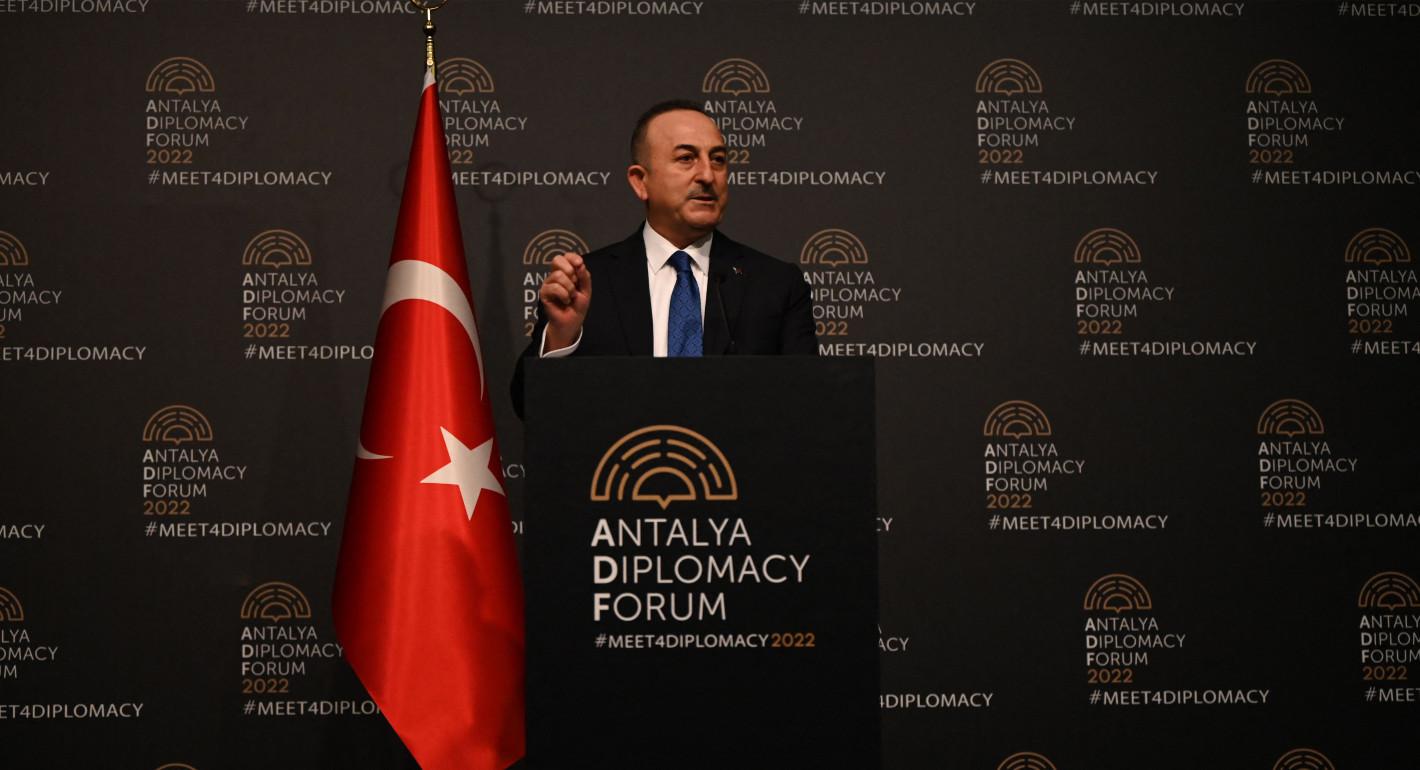
And how Russia’s war has upended ties in China, Turkey, and the Arctic.



Judy Dempsey, Alexander Gabuev, Rose Gottemoeller, …
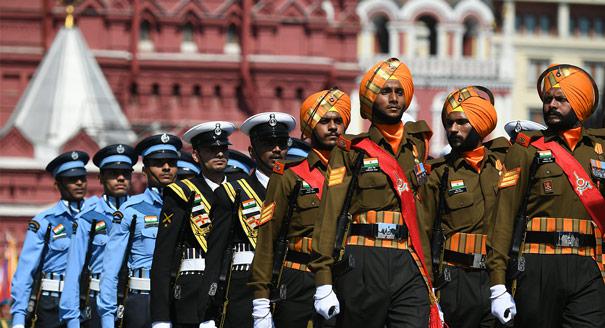
Russian-Indian relations are traditionally good. The chemistry between the leaders is excellent, and members of the public are well disposed toward each other. Economic ties have long been stalling, however, and mutual suspicions have recently been creeping in over India’s relations with America, and Russia’s with China. To make the good relationship truly great, Moscow must rethink, adjust, and upgrade its approach to India. Vladimir Putin’s forthcoming visit to New Delhi could be a starting point.
Dmitri Trenin
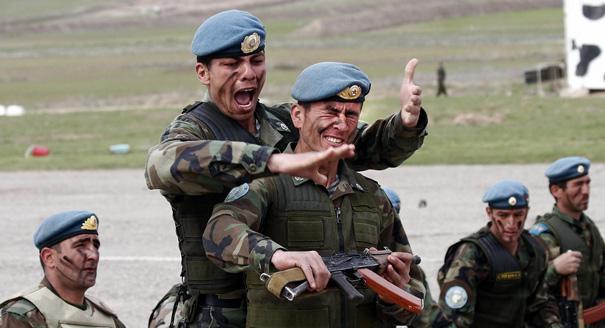
Tajikistan has no intention of getting into a direct confrontation with the Taliban. Rather, by taking a few more risks than its neighbors, the Tajik leadership is counting on boosting its popularity, both at home and abroad.

Temur Umarov
It goes without saying that the crisis in Afghanistan will create new risks for the region, but Central Asia has long lived with chaos on its borders, and already has twenty years of experience in dealing with the Taliban.
Temur Umarov