

Commentary
Nathalie Tocci, Jan Techau
{
  "authors": [
    "Jan Techau"
  ],
  "type": "legacyinthemedia",
  "centerAffiliationAll": "",
  "centers": [
    "Carnegie Endowment for International Peace",
    "Carnegie Europe"
  ],
  "collections": [],
  "englishNewsletterAll": "",
  "nonEnglishNewsletterAll": "",
  "primaryCenter": "Carnegie Europe",
  "programAffiliation": "",
  "programs": [],
  "projects": [],
  "regions": [
    "Europe"
  ],
  "topics": []
}
Source: Getty
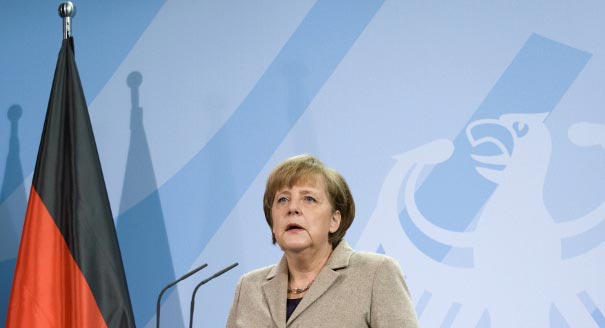
The demand for leadership in Europe is immense and European leaders are looking to Germany, the largest, strongest and most centrally located country, for guidance.
Source: Global Brief

Second, during the nearly five decades of being under Allied custodianship, Germans were relieved of the need to fend for their own survival. This bred a culture of irresponsibility for themselves and for others. Today, the absence of felt responsibility for the world surrounding Germany is the most worrisome feature of the country’s foreign policy. Examples of that absence of felt responsibility can be found everywhere: abstaining on Libya; caveats in Afghanistan; sleepwalking through the euro crisis; putting the brakes on EU foreign policy; and refusing to contribute to the development of NATO.
However, in marked contrast to earlier phases in its history, Germany harbours no desire to dominate its neighbours, or to rule the continent by some informal diktat from Berlin. Quite the contrary: there is nothing for which Germans have a greater preference than being left unbothered by the demanding political realities around them. Instead, they wish that they could simply reimmerse themselves in the comfortable, apolitical world of Biedermeier – cushioned by ever-increasing demand for their high-quality industrial export products.
But the demand for leadership in Europe is immense. Naturally, European leaders look to the largest, strongest and most centrally located country for guidance. They desire an internationally minded Germany that is aware of its strength, solidaire, protective and engaged. They do not fear German tank divisions, but rather German self-centeredness and endless soul-searching.
Director, Europe Team, Eurasia Group
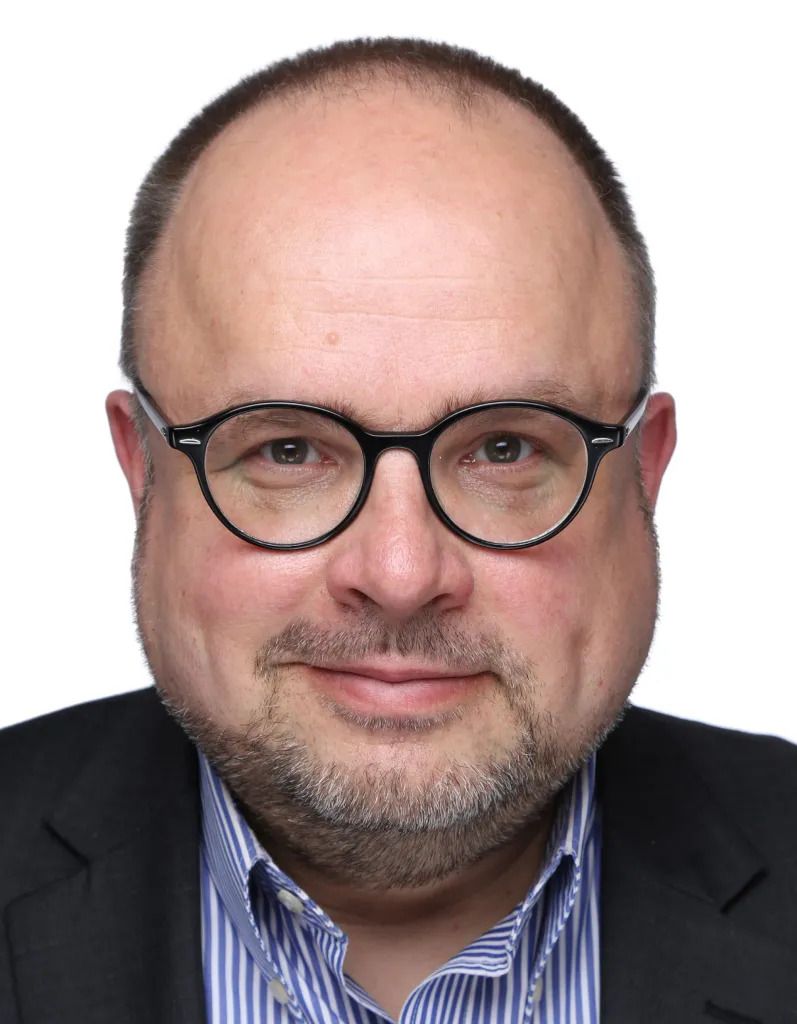
Techau is director with Eurasia Group's Europe team, covering Germany and European security from Berlin. Previously, he was director of Carnegie Europe.
Recent Work
Nathalie Tocci, Jan Techau
Jan Techau
Carnegie does not take institutional positions on public policy issues; the views represented herein are those of the author(s) and do not necessarily reflect the views of Carnegie, its staff, or its trustees.

The truth of the strategic situation is that Europe and Russia are extremely unlikely to be able to “turn the page” on their confrontation within the next two decades.

Arkady Moshes

The European far right might fail to steer EU policy in the direction Russia wants, but they will create enough chaos inside Europe to benefit the Kremlin.

Dimitar Bechev

If the Russian-speaking community in Latvia cannot articulate their interests without being seen as disloyal, they could end up embracing a pro-Kremlin agenda.

Sergejs Potapkins
Andrey Melnichenko’s essay offers no answer to the fundamental question of how, under any kind of negotiated settlement, Europe can protect itself from the Russian ressentiment that is inevitable in all scenarios except for an outright victory for Putin.

Leonid Bershidsky
Whether PAS can refocus on the unfinished business of state-building may ultimately prove more consequential for Moldova’s European future than the pace of its accession negotiations.

Balázs Jarábik