

Commentary
Nathalie Tocci, Jan Techau
{
  "authors": [
    "Jan Techau"
  ],
  "type": "legacyinthemedia",
  "centerAffiliationAll": "",
  "centers": [
    "Carnegie Endowment for International Peace",
    "Carnegie Europe"
  ],
  "collections": [],
  "englishNewsletterAll": "",
  "nonEnglishNewsletterAll": "",
  "primaryCenter": "Carnegie Europe",
  "programAffiliation": "",
  "programs": [],
  "projects": [],
  "regions": [
    "Europe"
  ],
  "topics": [
    "EU"
  ]
}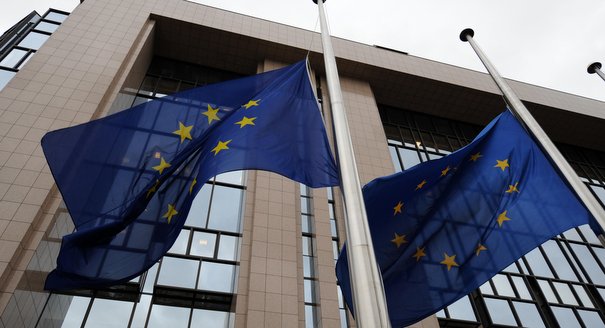
Source: Getty
The EU budget approval summit may be one of the EU’s most bitter fights in years, but there are far more complex and deeply hidden issues on which EU members cannot agree.
Source: Voice of Russia

Techau explained that the UK has not been able to accept the notion that a wider market needs some sort of regulation to maintain it. He added, “Brits have developed an attitude towards Europe that is totally not in sync with the actual benefit that Britain has, both on the economic but also on the political side.”
He also emphasized the importance of Britain remaining in the EU for both domestic and international reasons. Britain is a much needed counterpart to mainland Europe for its outward-looking attitude, military capacities, and economic model based on free trade open markets and liberal capitalists, Techau contended.
He added that the UK’s apprehension towards the EU is being “carried away by a very emotional kind of moment in their own political development.” Techau concluded saying he hoped the feeling would soon disappear without causing too much damage to Britain and EU in the wider sense.

Director, Europe Team, Eurasia Group
Techau is director with Eurasia Group's Europe team, covering Germany and European security from Berlin. Previously, he was director of Carnegie Europe.
Recent Work

Nathalie Tocci, Jan Techau
Jan Techau

If the Russian-speaking community in Latvia cannot articulate their interests without being seen as disloyal, they could end up embracing a pro-Kremlin agenda.

Sergejs Potapkins
Andrey Melnichenko’s essay offers no answer to the fundamental question of how, under any kind of negotiated settlement, Europe can protect itself from the Russian ressentiment that is inevitable in all scenarios except for an outright victory for Putin.

Leonid Bershidsky

Whether PAS can refocus on the unfinished business of state-building may ultimately prove more consequential for Moldova’s European future than the pace of its accession negotiations.

Balázs Jarábik
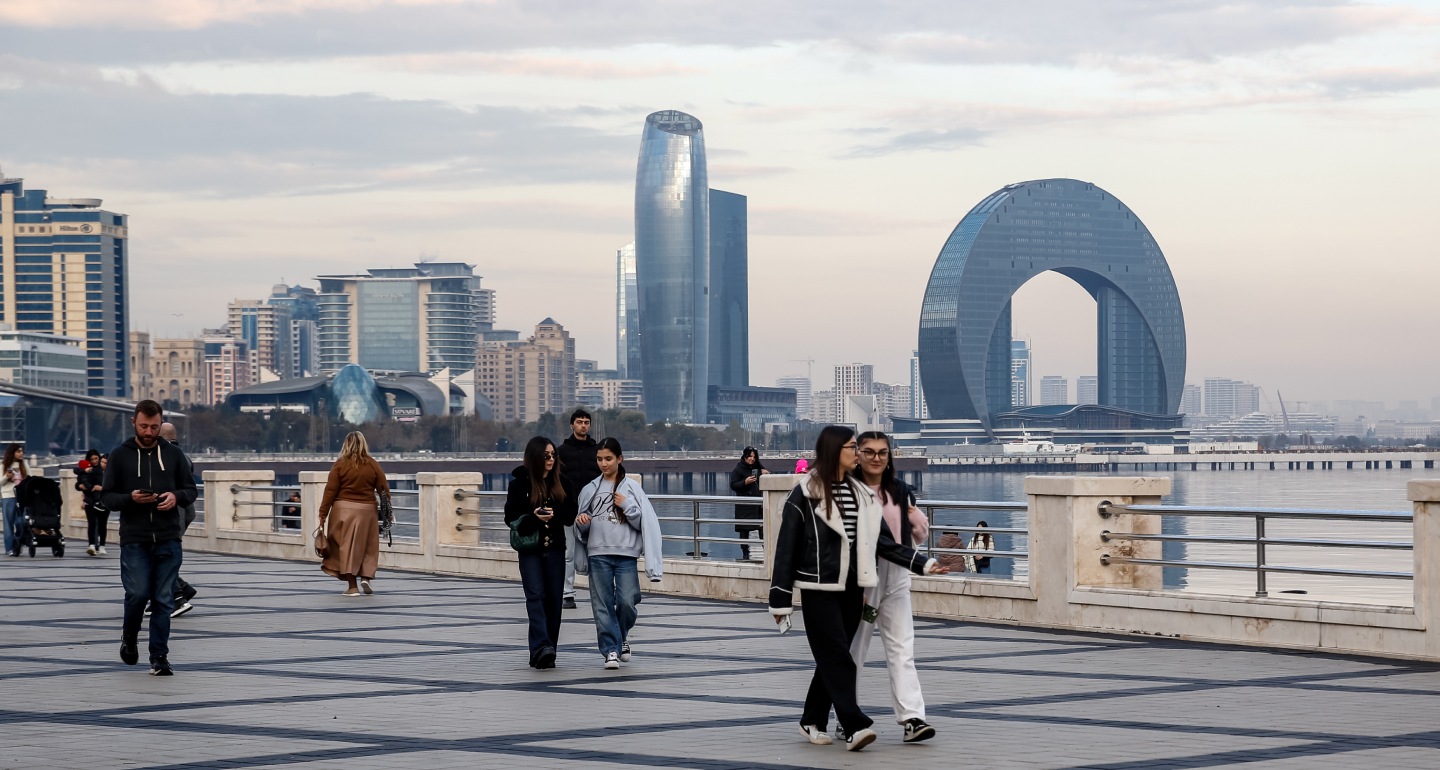
Azerbaijan’s relations with the EU appear to be going from strength to strength after several years in the deep freeze following the military escalation in Karabakh in 2023 and Azerbaijan’s bitter fallout with France and several other EU member states.

Shujaat Ahmadzada
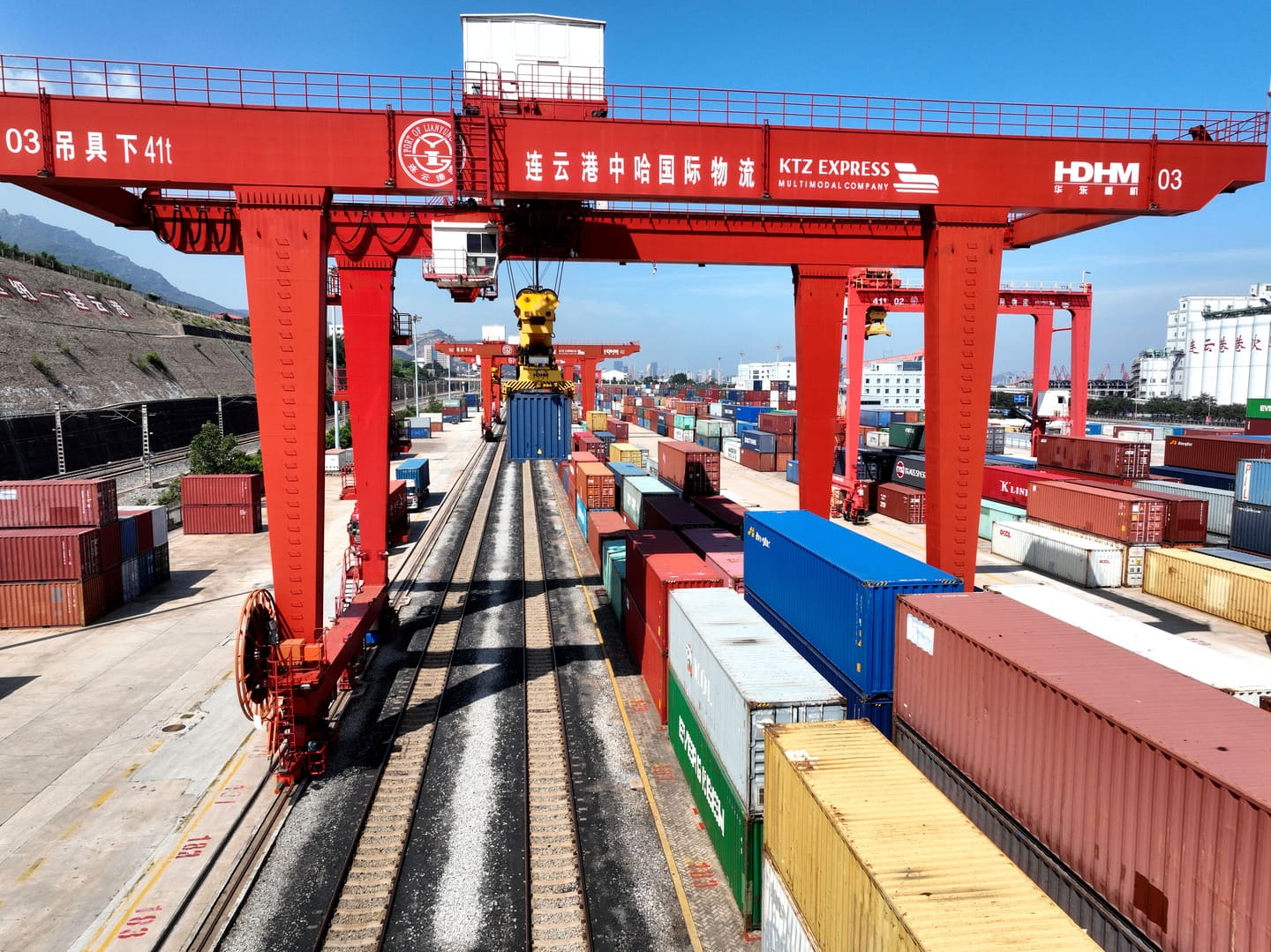
For the Middle Corridor to fulfill its promises, one of these routes must become scalable. At present, neither is.

Friedrich Conradi