

In The Media
Lilia Shevtsova
{
  "authors": [
    "Lilia Shevtsova"
  ],
  "type": "commentary",
  "centerAffiliationAll": "",
  "centers": [
    "Carnegie Endowment for International Peace",
    "Carnegie Russia Eurasia Center"
  ],
  "collections": [],
  "englishNewsletterAll": "",
  "nonEnglishNewsletterAll": "",
  "primaryCenter": "Carnegie Russia Eurasia Center",
  "programAffiliation": "",
  "programs": [],
  "projects": [],
  "regions": [
    "Russia"
  ],
  "topics": [
    "Political Reform"
  ]
}
Source: Getty
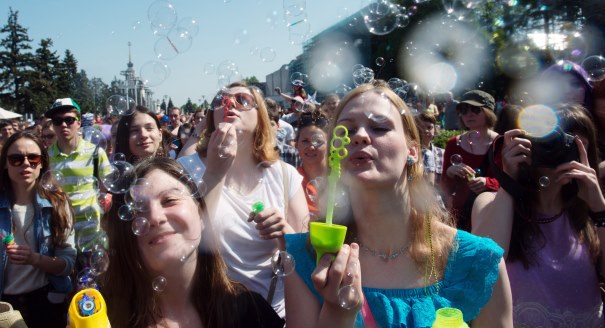
The worse the situation becomes in Russia, the better it looks in the eye of the people. This can be explained by mass self-deception and people’s desire to believe in a fairy tale. However, Russia is approaching a moment of truth when people will realize how serious the country’s problems are.
Russia has seen nothing of the kind in the last twenty-five years. I am not talking about Putin’s stunning 82 percent approval rating. I mean the incredible optimism of the Russian public. Even those dissatisfied with their lot have suddenly experienced a rush of happiness and optimism. While the country has rolled back all its reforms, 58 percent of the respondents to a Levada Center poll believe that reforms continue (only 27 percent think otherwise). As authoritarianism gains new strength and political life becomes less transparent, 57 percent of those polled say it isn’t so, claiming that Russian political life is open and government policies are widely discussed (only 33 percent express their skepticism). The state infringes on human rights, but only 38 percent see it this way, while 48 percent consider their country democratic.
Russia’s current military-patriotic high is much stronger and will be harder to overcome. Nevertheless, Russia will have to do it. People will be forced to see how serious the problems the country faces are. This will be the moment of truth, which Russia is fast approaching.
Former Senior Associate, Russian Domestic Politics and Political Institutions Program, Moscow Center
Shevtsova chaired the Russian Domestic Politics and Political Institutions Program at the Carnegie Moscow Center, dividing her time between Carnegie’s offices in Washington, DC, and Moscow. She had been with Carnegie since 1995.
Recent Work
Lilia Shevtsova
Lilia Shevtsova
Carnegie does not take institutional positions on public policy issues; the views represented herein are those of the author(s) and do not necessarily reflect the views of Carnegie, its staff, or its trustees.

Depleted financial reserves and a shrinking tax base mean it is no longer possible to simultaneously deliver high defense spending, price stability, and economic growth.

Alexandra Prokopenko
Blurring the line between humans and animals is a long-standing tradition in social utopian prose. In his latest novel, Leonid Bershidsky reminds us that in social experiments, people are often treated no differently than animals.

Alexander Baunov

In the tenth year of his presidency, President Mirziyoyev’s system is becoming even more personalized than that of his predecessor Karimov.

Galiya Ibragimova
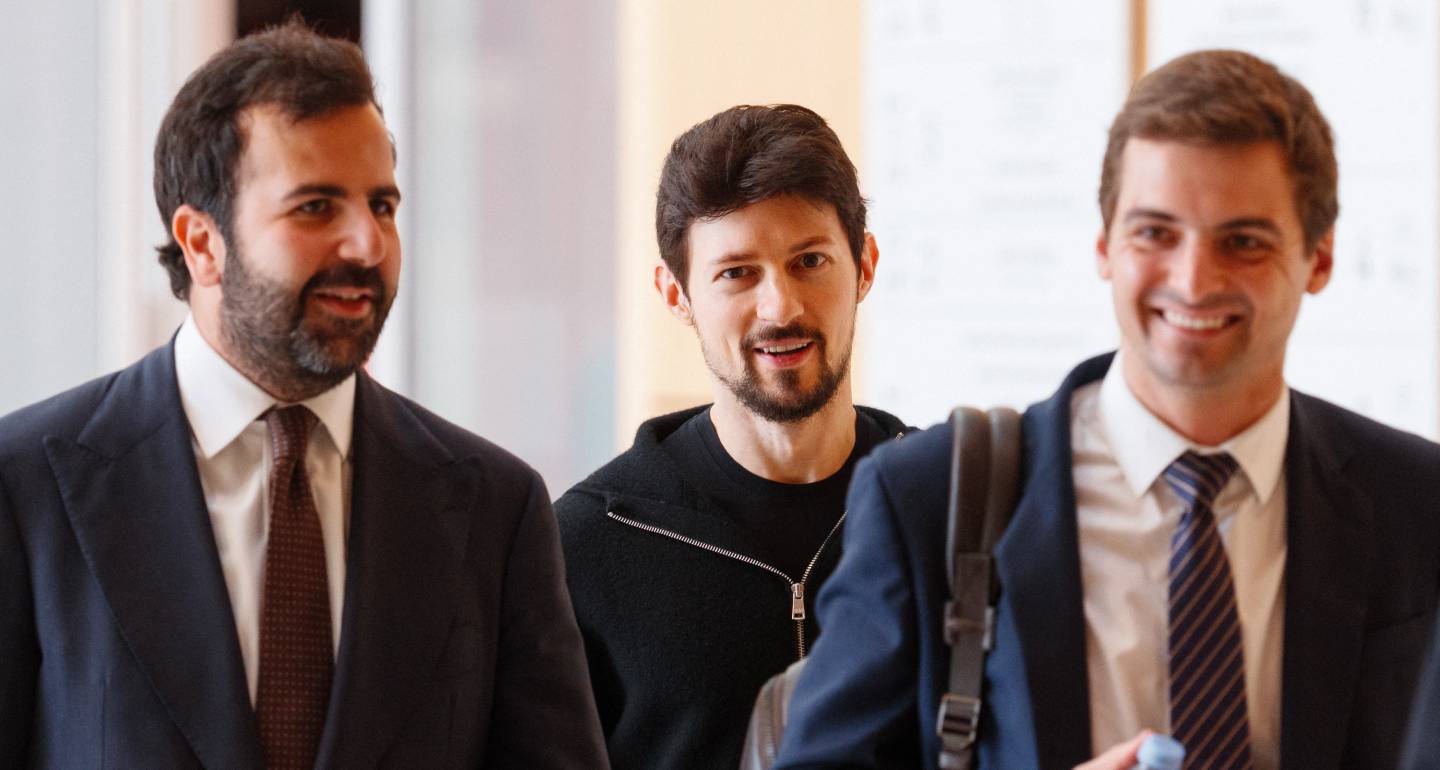
While France and Australia are seeking to establish the legal obligations of messaging apps like Telegram, Russia wants total subordination.

Maria Kolomychenko
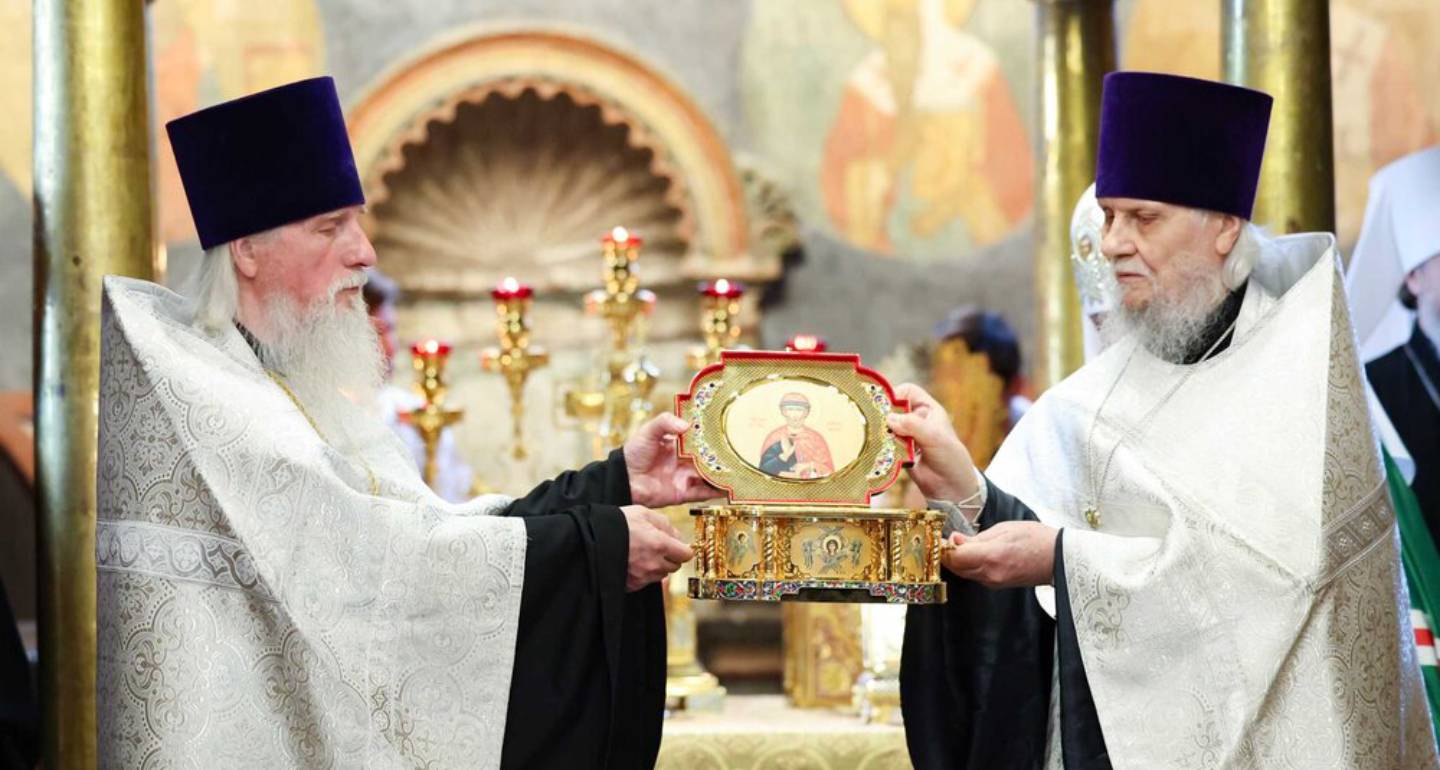
The recent uncovering of Dmitry Donskoy’s relics in the Cathedral of the Archangel is yet another attempt by the Russian Orthodox Church to help the state solve its problems. However, parroting the state’s version of Russian history leaves the Church with no message except “patriotism.”
Alexander Zanemonets