

In The Media
Vikram Nehru
{
  "authors": [
    "Vikram Nehru"
  ],
  "type": "legacyinthemedia",
  "centerAffiliationAll": "dc",
  "centers": [
    "Carnegie Endowment for International Peace"
  ],
  "collections": [],
  "englishNewsletterAll": "asia",
  "nonEnglishNewsletterAll": "",
  "primaryCenter": "Carnegie Endowment for International Peace",
  "programAffiliation": "AP",
  "programs": [
    "Asia",
    "South Asia"
  ],
  "projects": [],
  "regions": [
    "Southeast Asia",
    "Indonesia"
  ],
  "topics": []
}
Source: Getty
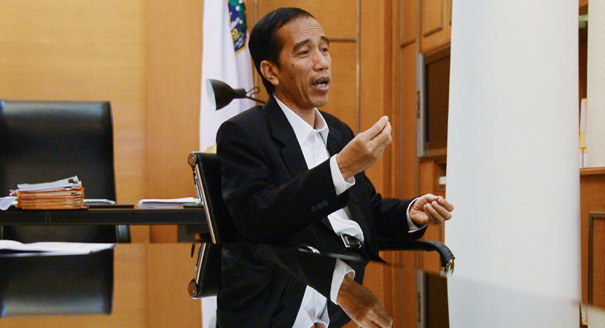
Jokowi will likely be a leader whose biggest imprint will be improvement in the quality, effectiveness, integrity and inclusiveness of government rather than in dramatic economic reforms.
Source: Boao Review
On August 21, 2014, Indonesia's Constitutional Court confirmed Joko Widodo - popularly known as Jokowi - as Indonesia's next president.
Former Nonresident Senior Fellow, Asia Program
Nehru was a nonresident senior fellow in the Carnegie Asia Program. An expert on development economics, growth, poverty reduction, debt sustainability, governance, and the performance and prospects of East Asia, his research focuses on the economic, political, and strategic issues confronting Asia, particularly Southeast Asia.
Recent Work
Vikram Nehru
Vikram Nehru
Carnegie does not take institutional positions on public policy issues; the views represented herein are those of the author(s) and do not necessarily reflect the views of Carnegie, its staff, or its trustees.
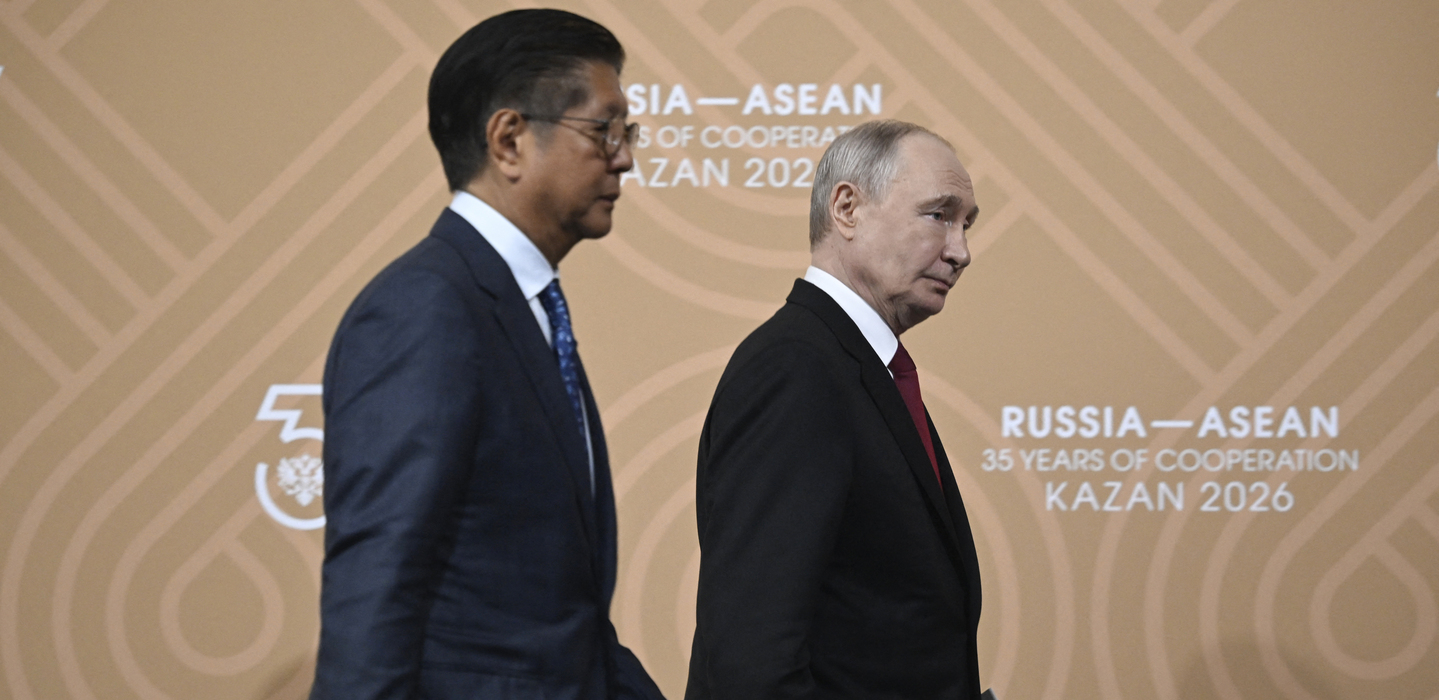
Russia looks set to reap economic benefits from closer ties with Southeast Asian countries that are keen to find reliable energy suppliers and diversify trade ties.

Alexander Gabuev

Russia’s attempts to drag its partners in the Global South into its battles in order to spread the responsibility for its own political madness are backfiring.

Alexander Baunov

The new administration should think carefully before moving forward with recent proposals about China and the U.S. role in Asia.

Michael D. Swaine
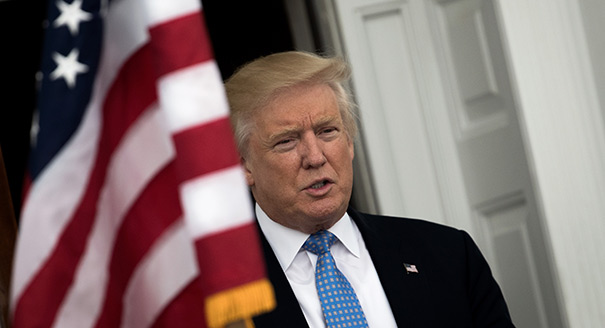
The Donald Trump administration is beginning to take shape, but still has a long way to go in identifying personnel and defining policy goals, particularly in Asia.
Douglas H. Paal
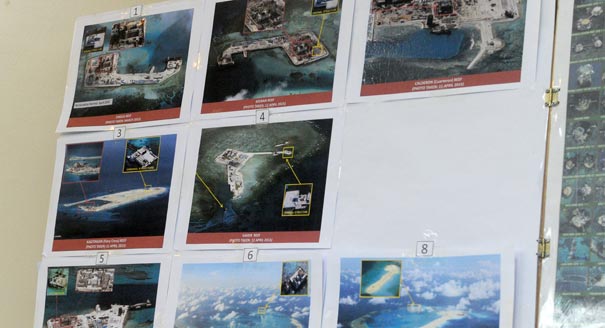
Despite increasingly strident rhetoric, new developments offer a potential opening for more constructive engagement between China and the Philippines.
Douglas H. Paal