

Commentary
Russia looks set to reap economic benefits from closer ties with Southeast Asian countries that are keen to find reliable energy suppliers and diversify trade ties.
Alexander Gabuev
{
  "authors": [
    "Karim Sadjadpour",
    "Behnam Ben Taleblu"
  ],
  "type": "other",
  "centerAffiliationAll": "dc",
  "centers": [
    "Carnegie Endowment for International Peace",
    "Malcolm H. Kerr Carnegie Middle East Center"
  ],
  "collections": [],
  "englishNewsletterAll": "menaTransitions",
  "nonEnglishNewsletterAll": "",
  "primaryCenter": "Carnegie Endowment for International Peace",
  "programAffiliation": "MEP",
  "programs": [
    "Middle East"
  ],
  "projects": [],
  "regions": [
    "Middle East",
    "Iran"
  ],
  "topics": [
    "Political Reform",
    "Foreign Policy",
    "Nuclear Policy"
  ]
}
Source: Getty
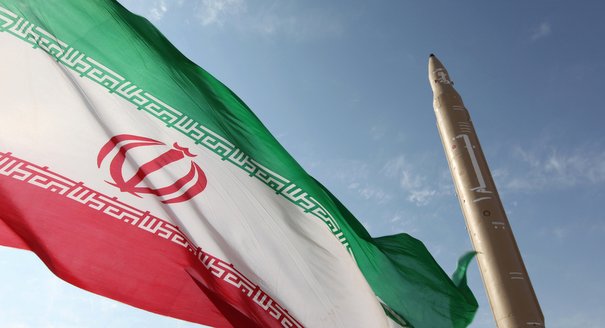
Iran today remains a country of enormous but unfulfilled potential. And unless and until Tehran starts to privilege its national interests before revolutionary ideology, both the Iranian people and those in its regional crosshairs will continue to suffer the consequences.
Source: FRIDE
No country in the Middle East has Iran’s combination of geographic size, strategic location, large and educated population, ancient history, and vast natural resources. Regardless of whom rules Tehran, these attributes will always fuel aspirations of regional primacy. During the reign of the United States (US)-allied Shah, Mohammed Reza Pahlavi, Iran’s external ambitions were cloaked in nationalism and prioritised developing Iranian power and influence within the international system. Since the 1979 revolution and the advent of the Islamic Republic, Iran’s foreign policy has been cloaked in an anti-Imperialist, Islamist revolutionary ideology that has expanded the country’s regional influence by challenging the international system — but has subjected its population to economic hardship, insecurity, and global isolation.Foremost among these policies has been the Islamic Republic’s staunch opposition to the US and its interests and allies in the Middle East. Since radical students seized the US embassy in the 1979 hostage crisis, Iran and the US have been engaged in an often cold, and occasionally hot, political and asymmetrical conflict from the Levant to the Persian Gulf. While the promise of a nuclear deal has raised hopes for US-Iran reconciliation, Iranian Supreme Leader Ayatollah Khamenei has consistently made clear his profound mistrust toward Washington and his opposition to political normalisation....

Senior Fellow, Middle East Program
Karim Sadjadpour is a senior fellow at the Carnegie Endowment for International Peace, where he focuses on Iran and U.S. foreign policy toward the Middle East.
Behnam Ben Taleblu
Carnegie does not take institutional positions on public policy issues; the views represented herein are those of the author(s) and do not necessarily reflect the views of Carnegie, its staff, or its trustees.
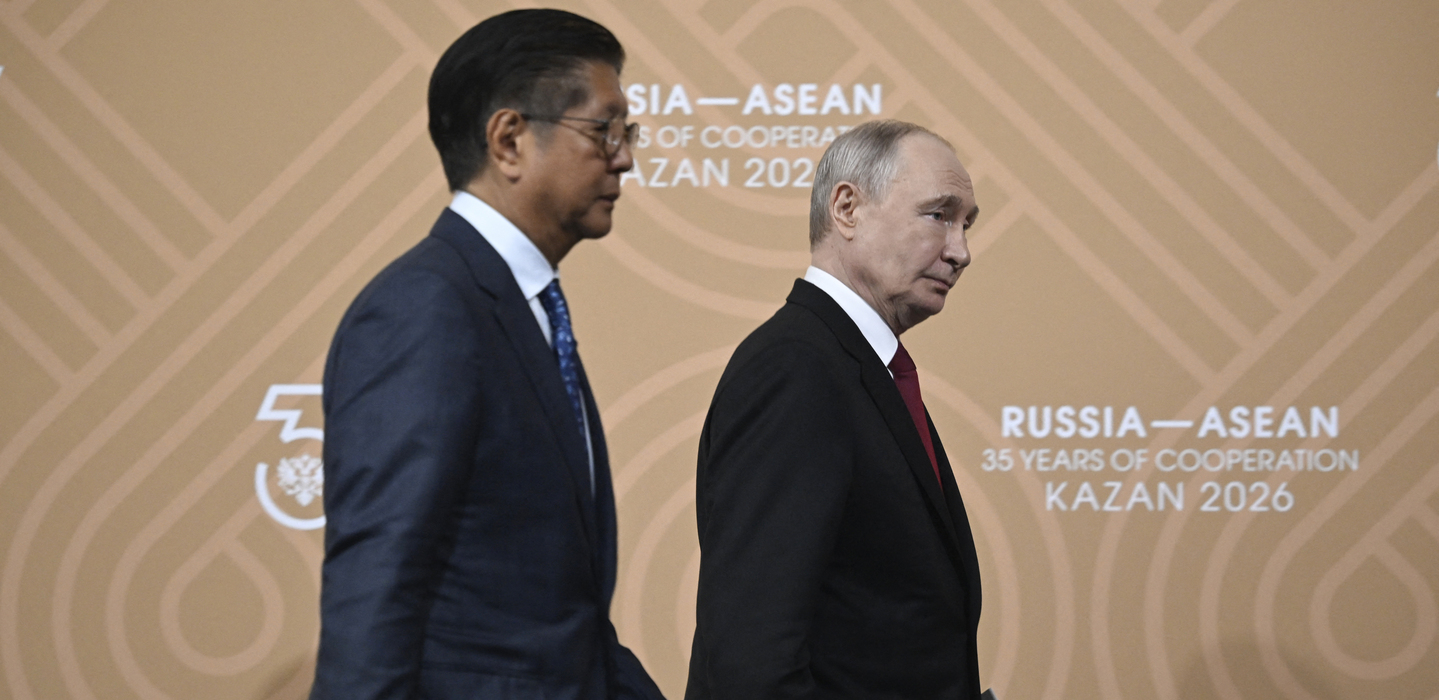
Russia looks set to reap economic benefits from closer ties with Southeast Asian countries that are keen to find reliable energy suppliers and diversify trade ties.

Alexander Gabuev
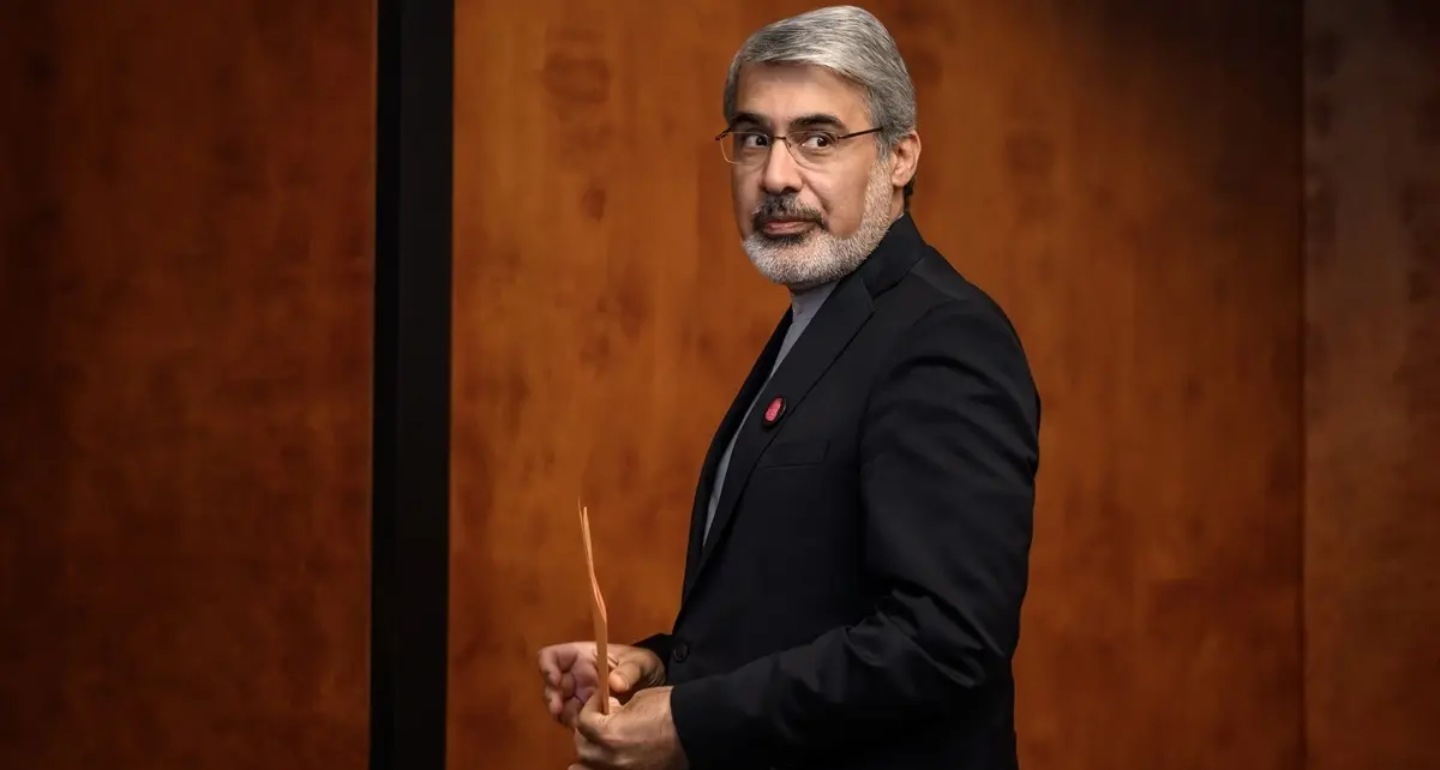
Ongoing uncertainty in the Middle East allows Moscow to both increase its influence in Tehran and continue to enjoy the financial windfall of higher oil prices.

Nikita Smagin
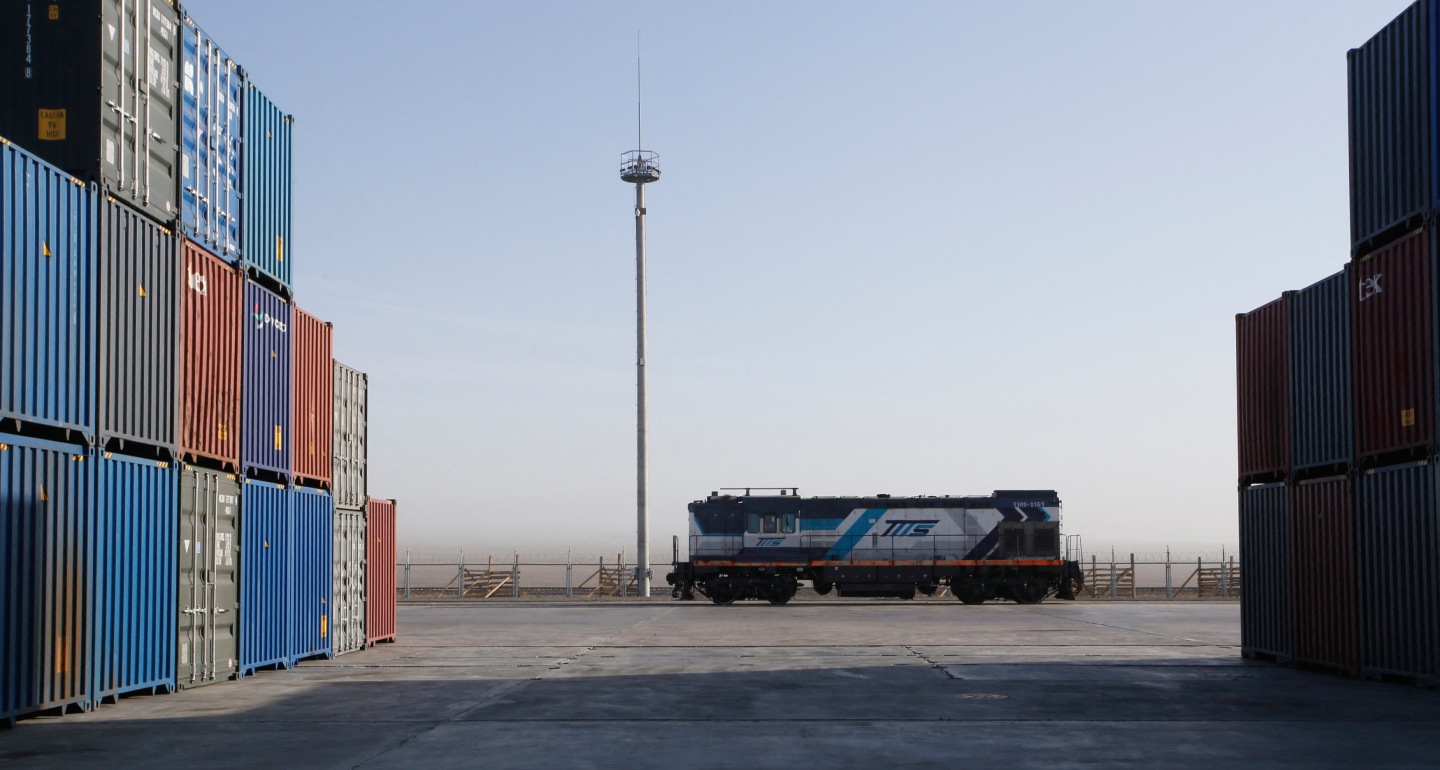
This year’s wars have made alternative routes to transit through Russia no less risky for Central Asian countries.

Galiya Ibragimova
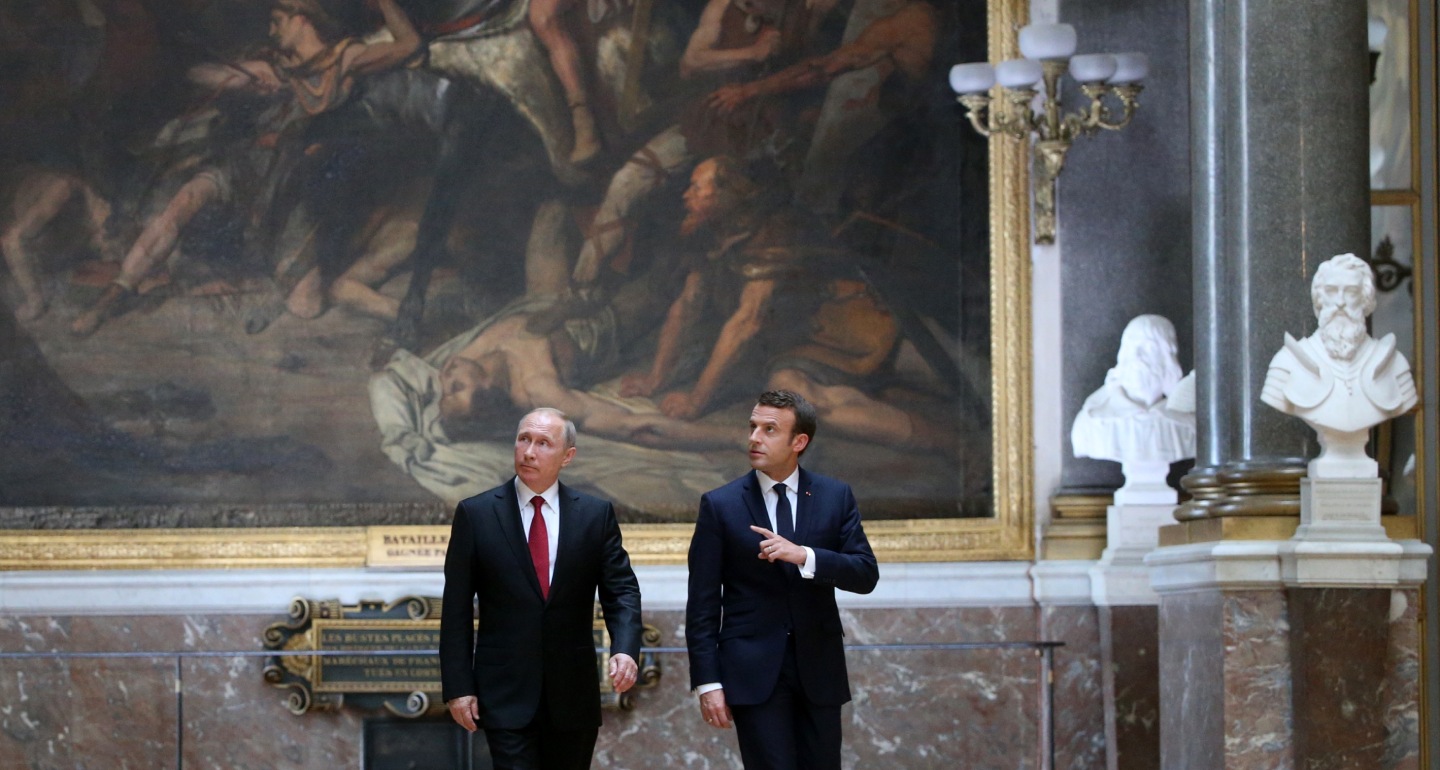
Reestablishing a dialogue with Moscow is not a goal in its own right. The goal is to guarantee the independence of Ukraine and the peace and security of Europe.
Arkady Moshes
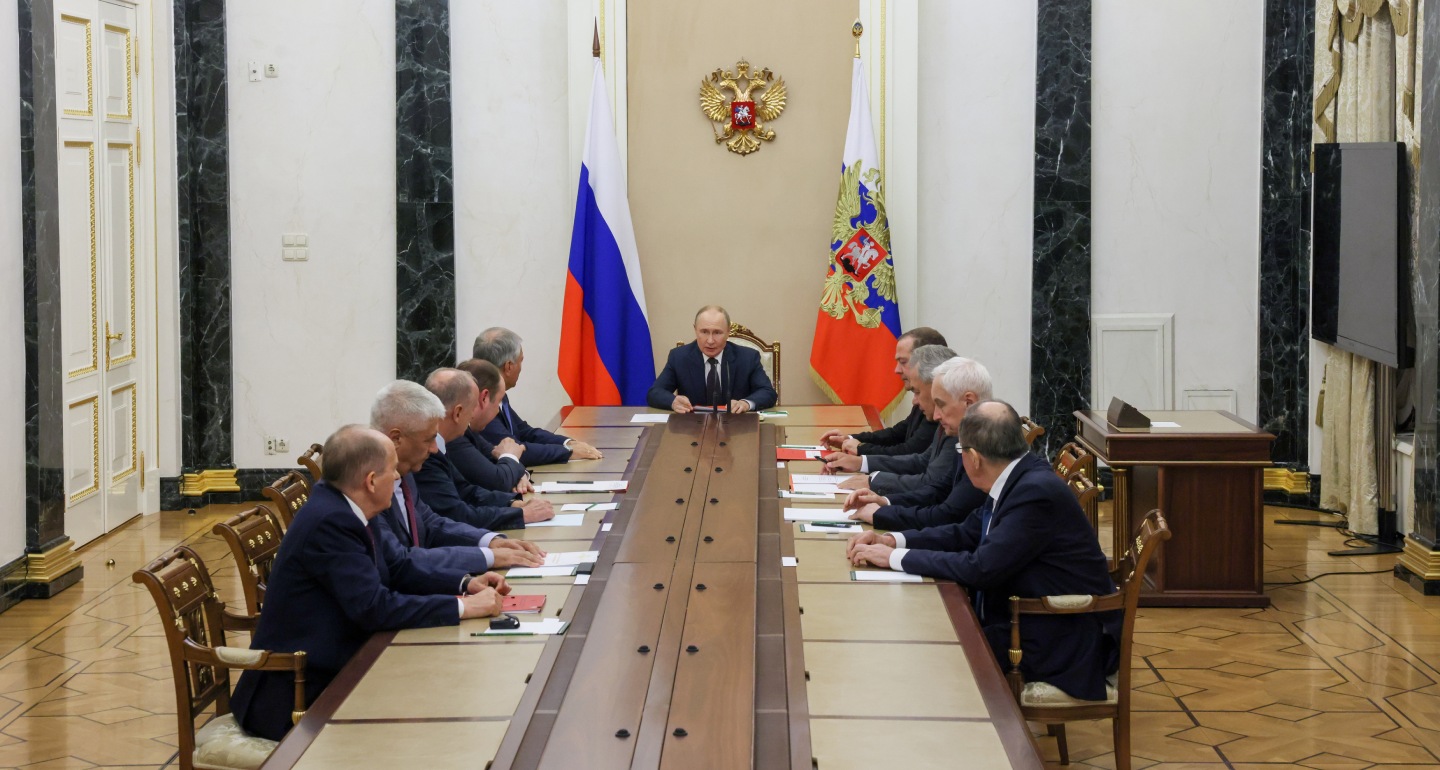
The ruling elites in contemporary Russia are not a political class, but a community of managers who are not subject to competition or public accountability. The state is becoming an operating apparatus without any internal autonomy.

Alexandra Prokopenko