

Commentary
Trump has promised Belarus a massive potash deal. But Minsk is seeking something greater: restored Western transit and greater room for maneuver from Russia.
Balázs Jarábik
{
  "authors": [
    "Tomoko Kurokawa",
    "Jon Wolfsthal"
  ],
  "type": "legacyinthemedia",
  "centerAffiliationAll": "dc",
  "centers": [
    "Carnegie Endowment for International Peace"
  ],
  "collections": [
    "U.S. Nuclear Policy"
  ],
  "englishNewsletterAll": "ctw",
  "nonEnglishNewsletterAll": "",
  "primaryCenter": "Carnegie Endowment for International Peace",
  "programAffiliation": "NPP",
  "programs": [
    "Nuclear Policy"
  ],
  "projects": [],
  "regions": [
    "North America",
    "United States"
  ],
  "topics": [
    "Nuclear Policy",
    "Arms Control"
  ]
}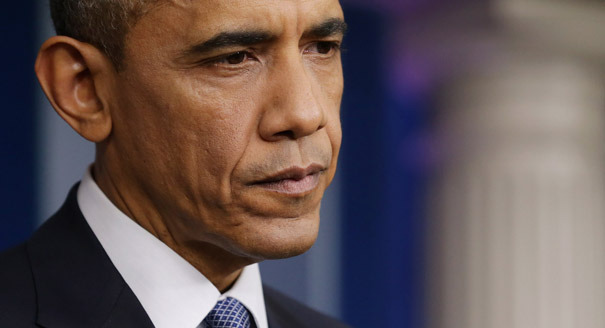
Source: Getty
Through an interview with a former Obama administration official, the major determinants of the president’s nuclear policy options are explored in detail.
Journal for Peace and Nuclear Disarmament
Jon Wolfsthal is renowned for his policy achievements and his well-informed articles on nuclear arms control and nonproliferation issues. He served as special assistant to former US President Barack Obama and as senior director for arms control and nonproliferation at the National Security Council from 2014 to 2017. He was special adviser to Vice President Joe Biden for nuclear security and nonproliferation and a director for nonproliferation on the National Security Council from 2009 to 2012. During his time in the Obama White House, Wolfsthal was a key figure in formulating and implementing Obama administration nuclear policies. This interview enables both experts and the general public to become more acquainted with major determinants of the policy options that the Obama administration pursued as it sought to advance the President’s “Prague agenda”. The following text actually combines two interviews, conducted on 30 July 2017 and 1 March 2018 and edited for this journal.
Tomoko Kurokawa (TK):
You have been a distinguished expert on nuclear weapons policy for a long time, but finally, in summer 2017, you visited Hiroshima to attend a symposium held in this city.
Jon Wolfsthal (JW):
It was my first visit to Hiroshima. It was challenging to be there. I’ve spent my whole life working on nuclear issues. Before coming to Hiroshima, I had visited many locations associated with nuclear weapons development and use. I have been to U.S. Strategic Command and Los Alamos and Lawrence Livermore laboratories. Then, I had been through 35 years of working on nuclear issues, but had never been to Hiroshima. To finally come to Hiroshima is – it makes you, it forces you to think. It forces you to be aware of what you’re working on. So, it’s challenging. I woke up early on the morning after arrival at Hiroshima and walked over to the Peace Park. On that day, some ceremony was scheduled in the Peace Park. I didn’t want to attend this ceremony as my first time visit to the Peace Park – so I could get my crying done beforehand. Then I can be a little bit more composed at the ceremony.
TK:
What was your impression of the Peace Park?
JW:
It’s beautiful. In the United States, people are still very sensitive in discussing the bombing of Hiroshima. And every time there is a museum exhibit or an event on Hiroshima and Nagasaki, there is a big controversy. So, in reading all of the language and transcription it’s clear that there is also a great sensitivity here in the way that things are talked about.
TK:
American people are still very sensitive?
JW:
Just the language. It’s clear that it’s very delicate. And so, I find it interesting that we have the same concern, both in the United States and in Japan, it’s reflected in all of our language. But it’s emotional. And it’s hard to know really how to feel as an American, as a friend of Japan, as someone who wants to eliminate nuclear weapons but who also understands history. It’s – the word I keep coming back to is it really is challenging; it’s forcing me to rethink all of the assumptions, all of the conclusions, which is why we come here. Right? It’s easy to think about these issues in Harvard University or at Stanford; it’s another thing to come to where a nuclear weapon has been used and to think about it.
This article was originally published in the Journal for Peace and Nuclear Disarmament.
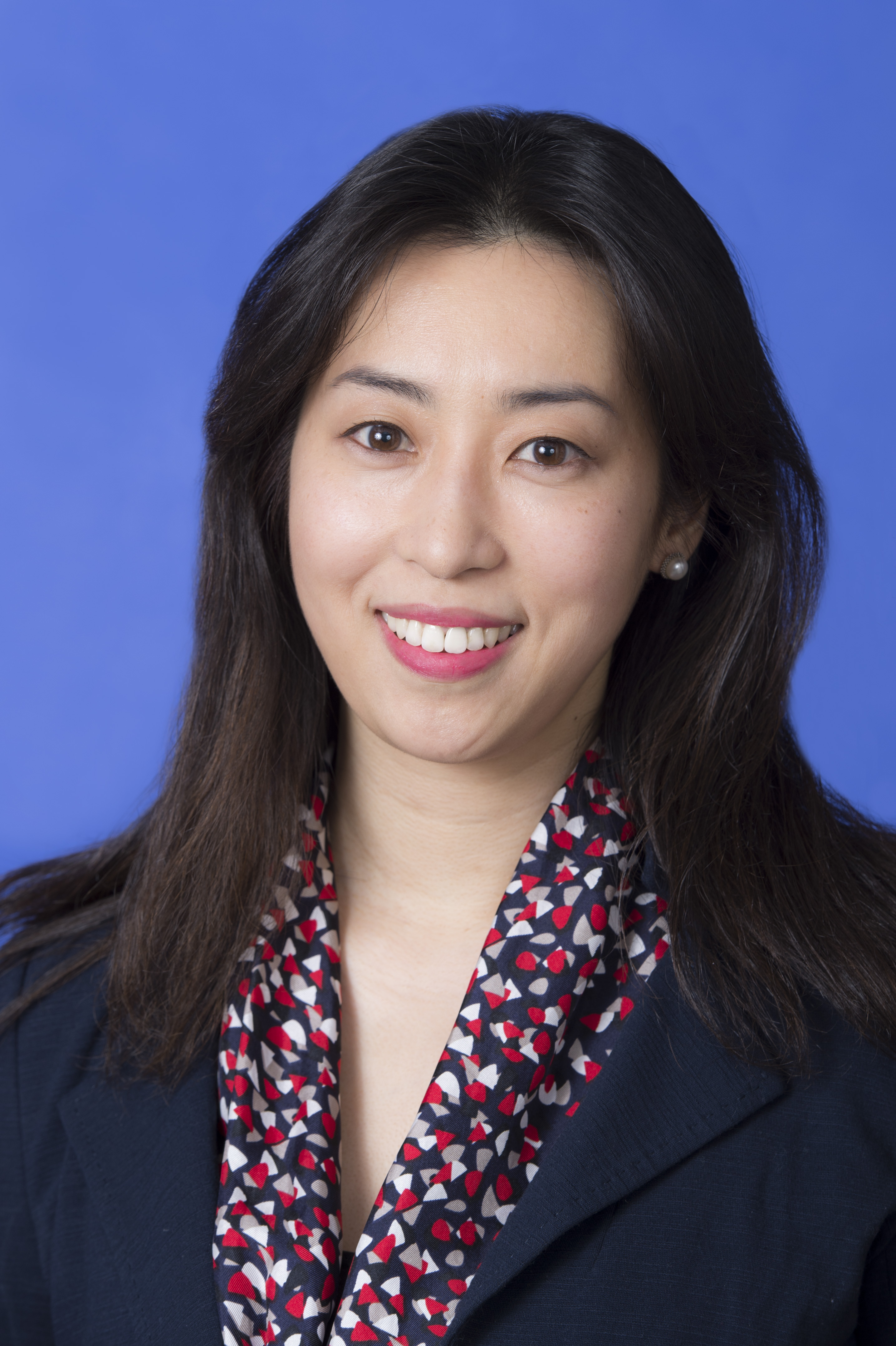
Former Nonresident Scholar, Nuclear Policy Program
Kurokawa was a nonresident scholar in the Carnegie Nuclear Policy Program.
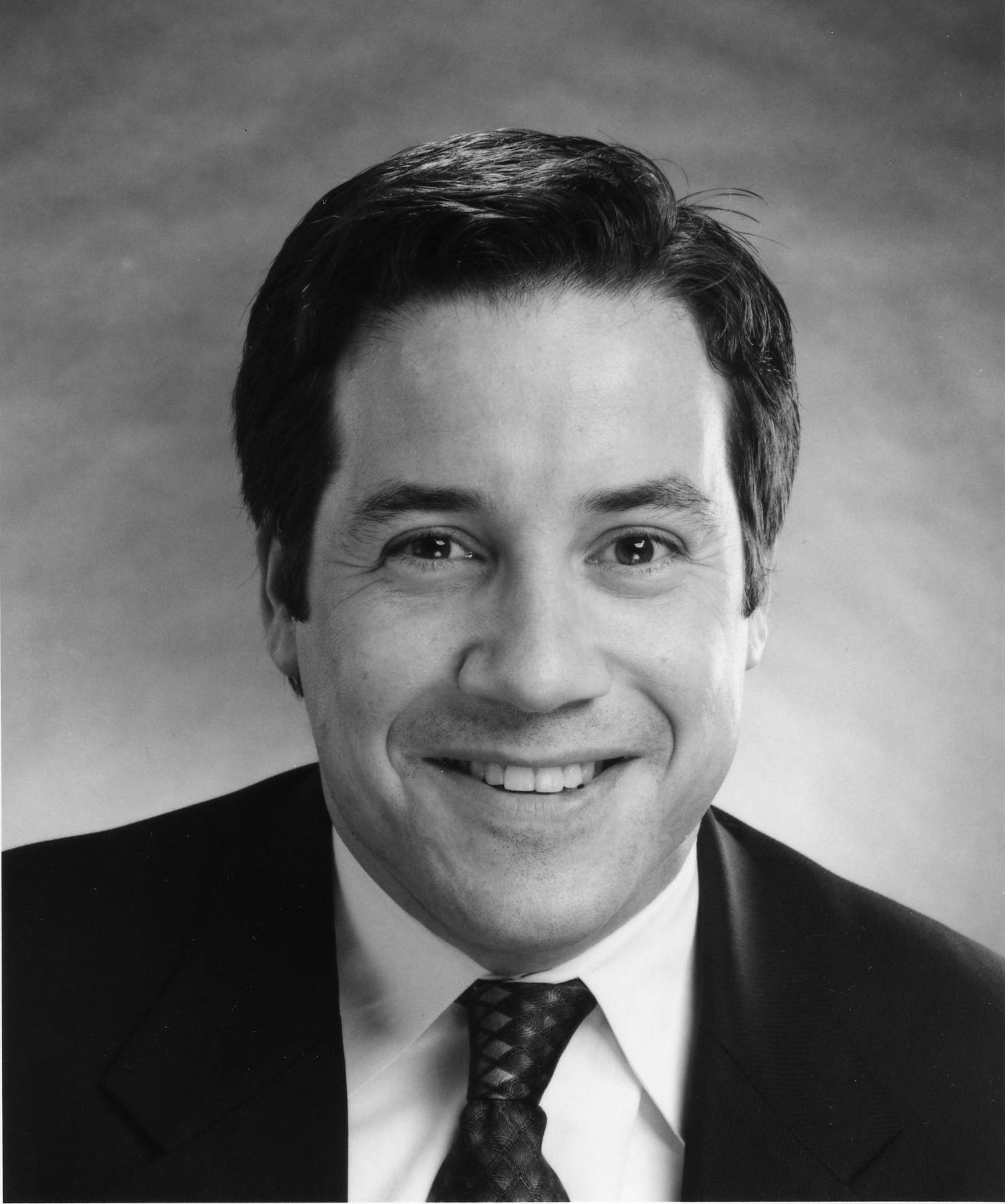
Former Nonresident Scholar, Nuclear Policy Program
Jon Wolfsthal was a nonresident scholar with the Nuclear Policy Program.
Carnegie does not take institutional positions on public policy issues; the views represented herein are those of the author(s) and do not necessarily reflect the views of Carnegie, its staff, or its trustees.

Trump has promised Belarus a massive potash deal. But Minsk is seeking something greater: restored Western transit and greater room for maneuver from Russia.

Balázs Jarábik

Minsk clearly expected the dialogue with Washington to yield more results, in particular the lifting of EU sanctions and permission to export potash.

Artyom Shraibman
Ongoing uncertainty in the Middle East allows Moscow to both increase its influence in Tehran and continue to enjoy the financial windfall of higher oil prices.

Nikita Smagin
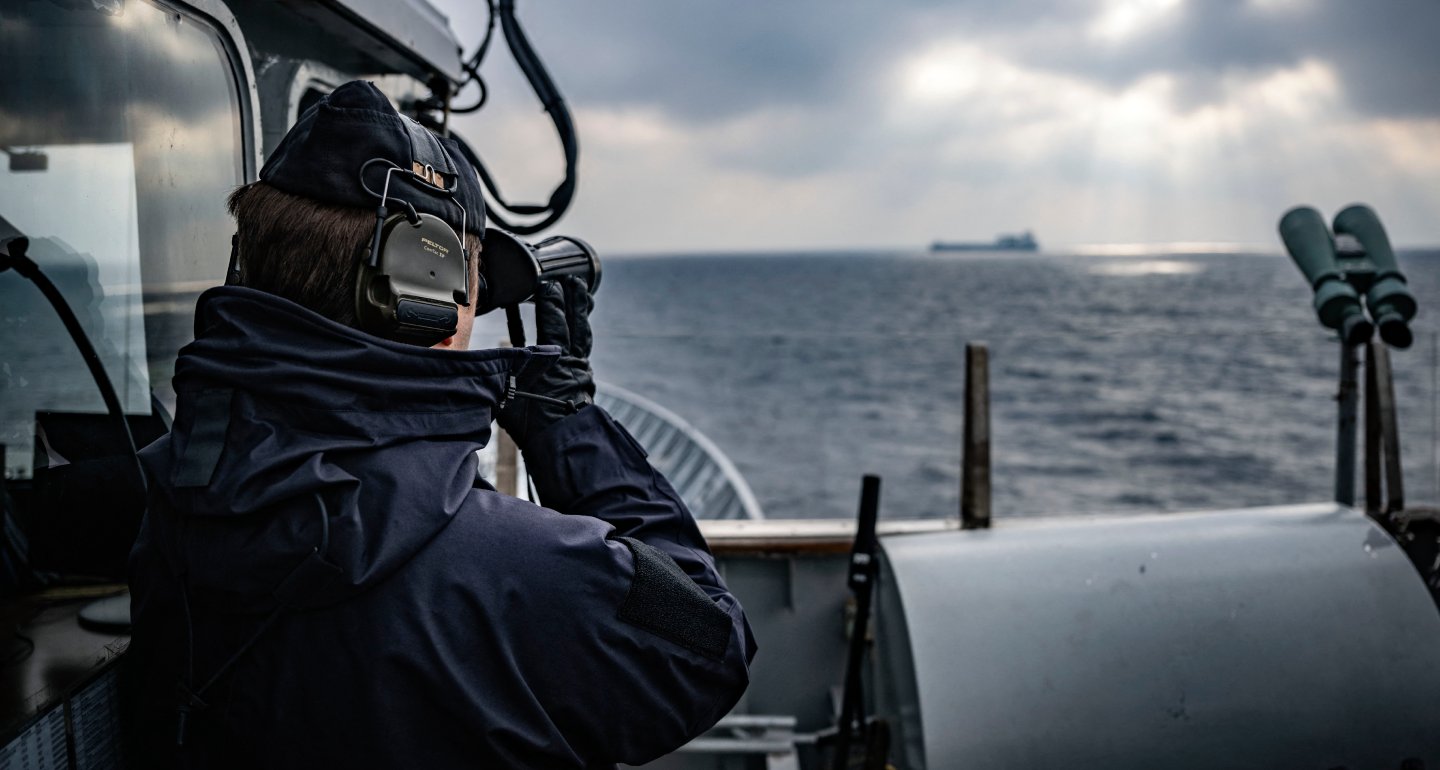
Governments in Estonia, Latvia, and Lithuania want to ensure that a U.S. military withdrawal would not leave them dangerously exposed to a Russian attack.

Sergejs Potapkins
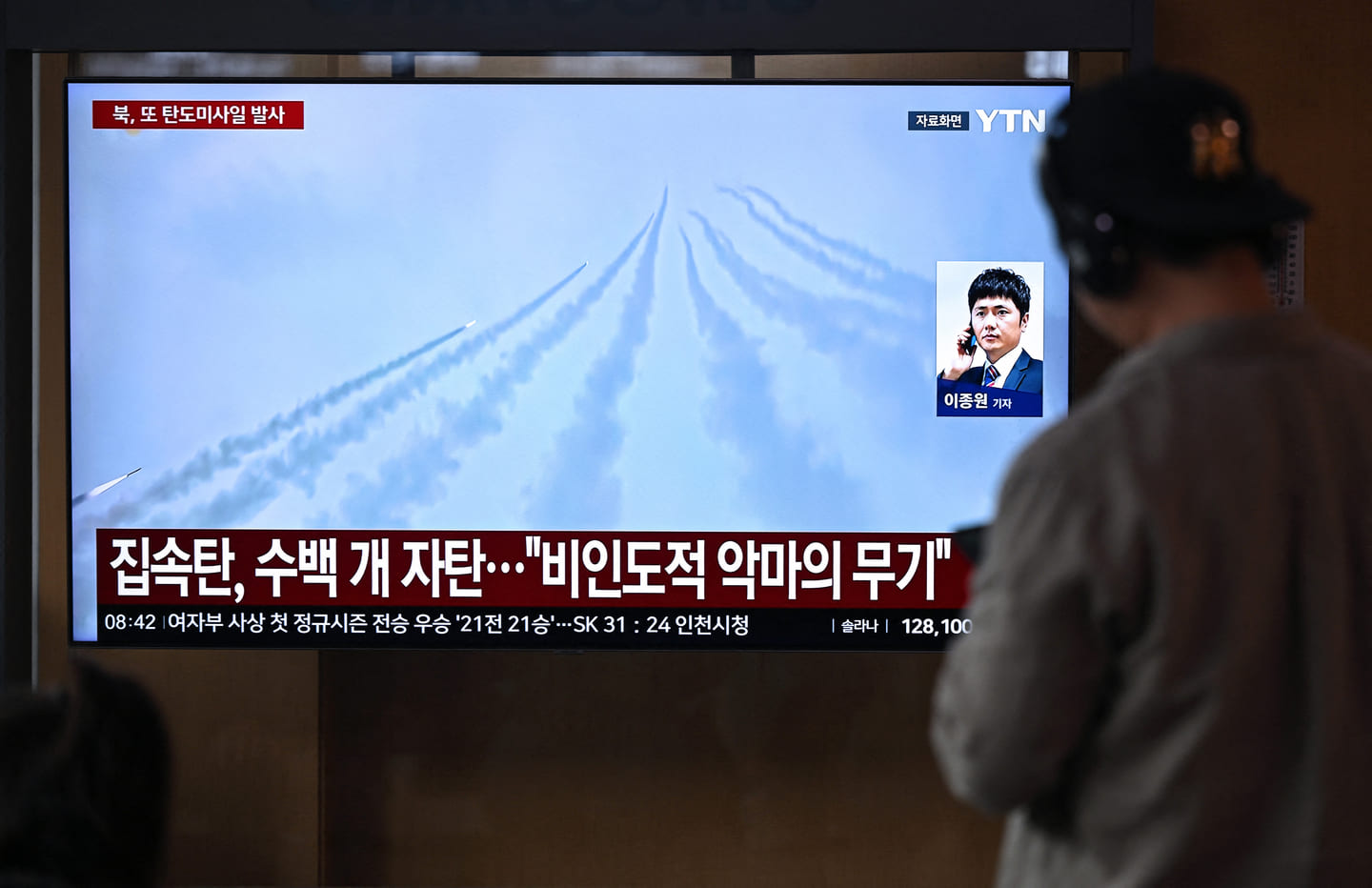
Troubled by the growing salience of nuclear debates in East Asia, Moscow has responded in its usual way: with condemnation and threats. But by exacerbating insecurity, Russia is forcing South Korea and Japan to consider radical security options.

James D.J. Brown