

Research
- +16
Stewart Patrick, Erica Hogan, Oliver Stuenkel, …
{
  "authors": [
    "Trinh Nguyen"
  ],
  "type": "legacyinthemedia",
  "centerAffiliationAll": "dc",
  "centers": [
    "Carnegie Endowment for International Peace"
  ],
  "collections": [],
  "englishNewsletterAll": "asia",
  "nonEnglishNewsletterAll": "",
  "primaryCenter": "Carnegie Endowment for International Peace",
  "programAffiliation": "AP",
  "programs": [
    "Asia"
  ],
  "projects": [],
  "regions": [
    "South Asia",
    "India",
    "Southeast Asia",
    "Indonesia"
  ],
  "topics": [
    "Economy",
    "Trade"
  ]
}
Source: Getty
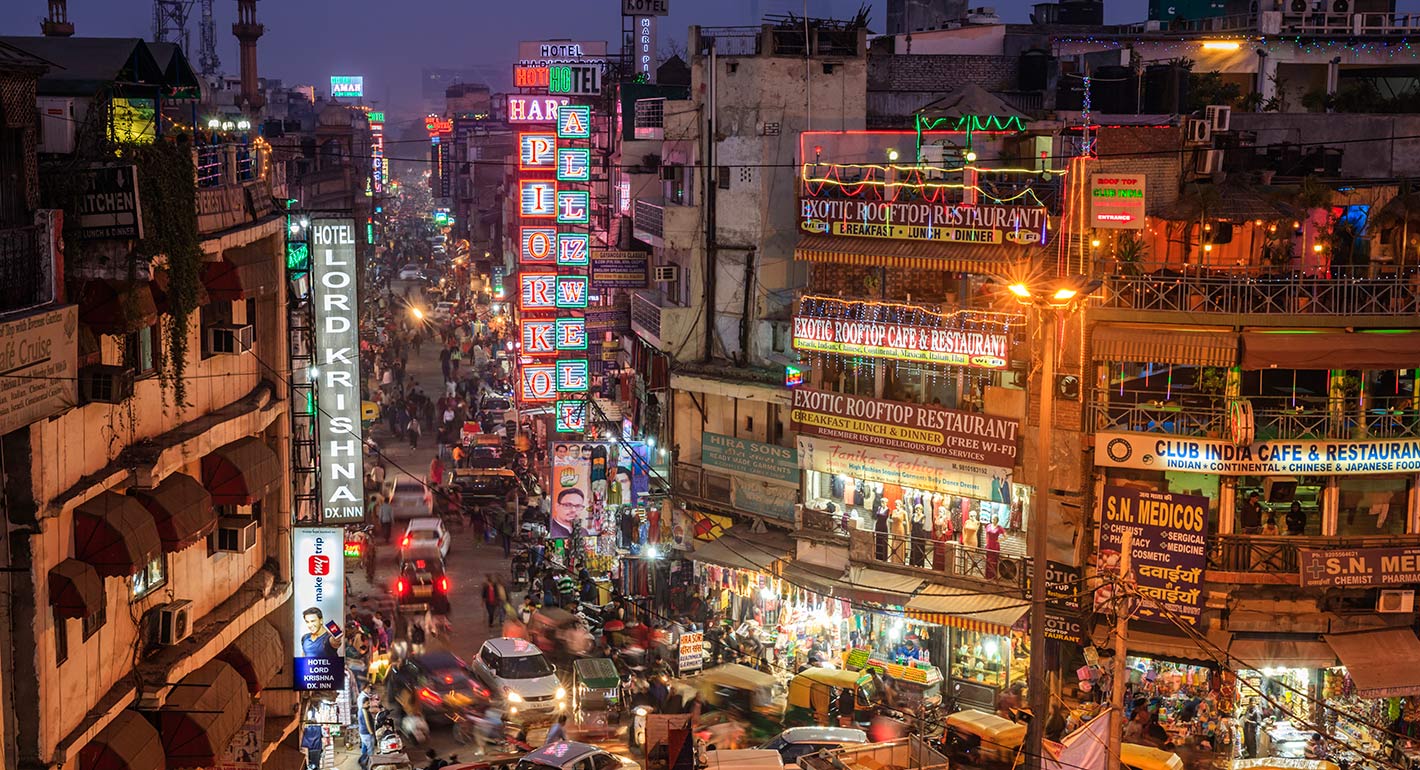
The potential is clear for both India and Indonesia to transform their demographic booms into engines of domestic demand while positioning themselves as alternatives to China for labor-intensive manufacturing.
Source: Financial Times
At last, long-suffering investors in India’s economy have something to cheer about. On Friday, the country announced steep corporate tax cuts, sending the value of its main stock index up 6 per cent in dollar terms on the day and another 3 per cent on Monday.
The tax cut is significant, with the rate for manufacturing now on a par with low-rate jurisdictions such as Singapore. The message is that India is open to business, and that it aims not just to assuage investors’ concerns but to set a new path for growth. India’s prime minister Narendra Modi has been meeting investors and Indian diaspora on a US tour this week to make sure the message gets through.
It is about time. In a low-growth world, India and its regional neighbour Indonesia became investor favourites, boasting a combination that the developed world lacks: large populations and favourable demographic trends...
This article was originally published in the Financial Times.

Former Nonresident Scholar, Asia Program
Trinh Nguyen was a nonresident scholar in the Asia Program at the Carnegie Endowment for International Peace.
Recent Work


Stewart Patrick, Erica Hogan, Oliver Stuenkel, …
Trinh Nguyen
Carnegie does not take institutional positions on public policy issues; the views represented herein are those of the author(s) and do not necessarily reflect the views of Carnegie, its staff, or its trustees.

Without a ceasefire with Ukraine on attacking each other’s energy infrastructure—to which the Kremlin is unlikely to agree—the diesel agreement between Putin and Trump is largely for show, rather than representing a genuine increase in the volumes of Russian diesel on the global market.

Sergey Vakulenko

Russian strikes are weakening the economy sustaining Ukraine’s war effort. Closing the growing funding gap will require more European support and politically contentious reforms in Kyiv.

Balázs Jarábik

For every ruble allocated to social policy, health, and education in 2027, double that amount is earmarked for the army, the police, and the security services.

Alexandra Prokopenko

Cargo traffic through Russia’s Northern Sea Route has increased because of the disruption caused by the conflict in the Middle East, the Ukraine war, and U.S.-China tensions.

Mikhail Korostikov

Trump has promised Belarus a massive potash deal. But Minsk is seeking something greater: restored Western transit and greater room for maneuver from Russia.
Balázs Jarábik