

Commentary
Minsk’s modest progress in creating a more predictable and peaceful image could stall at any minute as a result of tensions and developments in the region or a change in mood by Putin or Trump.
Artyom Shraibman
{
  "authors": [
    "François Godement",
    "Mathieu Duchâtel"
  ],
  "type": "legacyinthemedia",
  "centerAffiliationAll": "dc",
  "centers": [
    "Carnegie Endowment for International Peace"
  ],
  "collections": [],
  "englishNewsletterAll": "asia",
  "nonEnglishNewsletterAll": "",
  "primaryCenter": "Carnegie Endowment for International Peace",
  "programAffiliation": "AP",
  "programs": [
    "Asia"
  ],
  "projects": [],
  "regions": [
    "Western Europe"
  ],
  "topics": []
}
Source: Getty
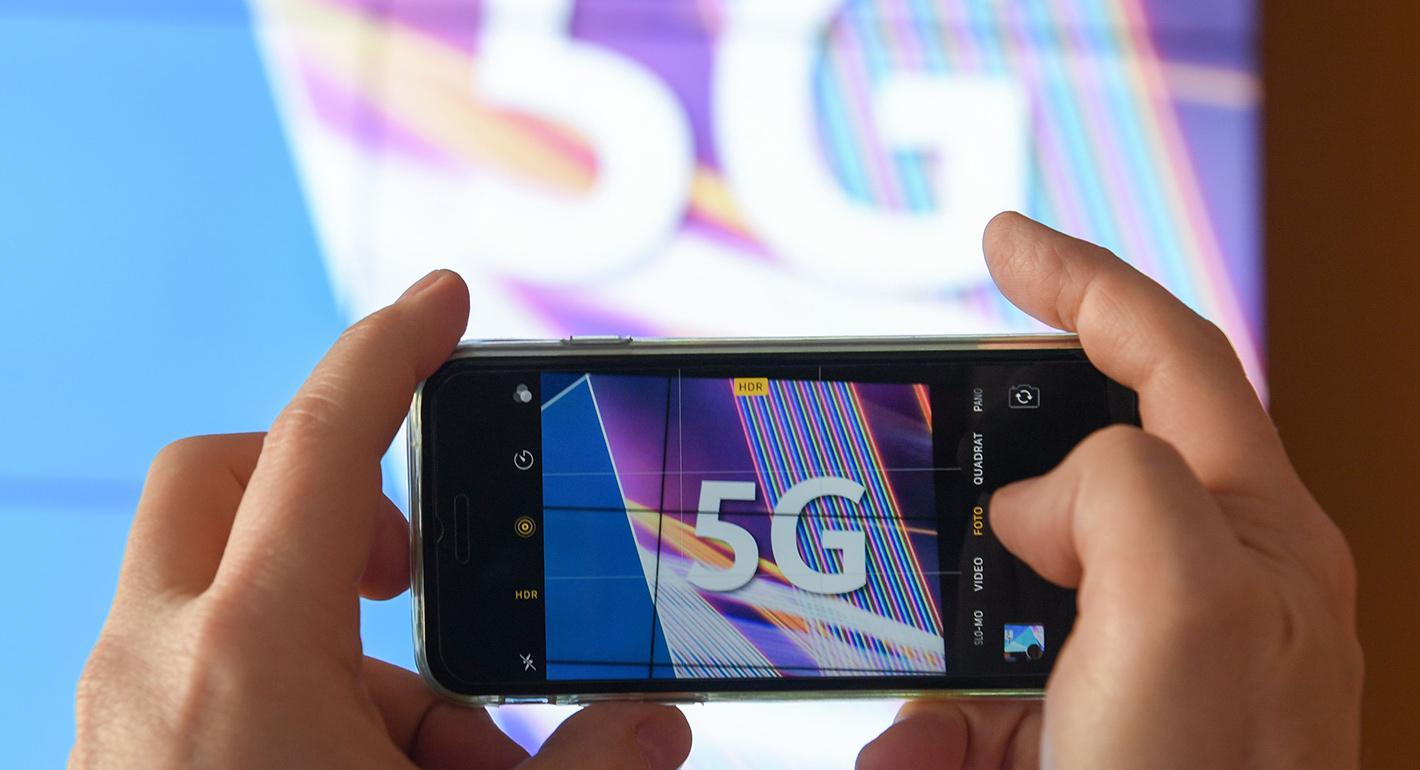
After a year of open debate on 5G risks, a lot of it centered on the case of China’s Huawei, explicit policies are coming out in Europe.
Source: Institut Montaigne
After a year of open debate on 5G risks, a lot of it centered on the case of China’s Huawei, explicit policies are coming out. France had been first with a new law - a certification system of "prior authorizations" that broadly empowers the administration and therefore leaves it much leeway on final choices. The UK, faced with strong demands by the US, has come out with its "new plans to safeguard the country’s telecoms network and pave way for fast, reliable and secure connectivity". It stops short of banning Huawei, and this is contested among security agencies and in Parliament. Germany is in the midst of polemics that leave Mrs. Merkel exposed to criticism from all parties except the Christian Social Union in Bavaria (CSU) for also refusing to name high-risk vendors. And the European Commission has finally published, with a delay of 45 days, its "toolbox of risk mitigation measures" with recommendations to Member States. Some of these have moved specifically on the issue of Huawei: Poland and Italy are pulling back from their earlier embrace of the Chinese supplier. The Danish carrier TDC, whose 4G was powered by Huawei, has announced the choice of Ericsson for its 5G infrastructure, on commercial terms.
On key points that cover technical and political issues, there are convergences in the published risk management announcements. 5G and its reach into many more activities through the Internet of Things (IoT) create new vulnerabilities. Sabotage or denial of supply (including from crucial subcontractors, for any reason) are even more ominous risks than spying. These threats are of a political and strategic nature. They are related to China’s leverage over Europe, and to the capacity of the Chinese state to conduct hostile actions in times of political tensions. The country of origin of the supplier may have laws that compel its cooperation with weak or inexistent democratic checks and balances: this is an obvious reference to China’s National Intelligence Law in the European risk assessment paper. In that case, how to protect targets in Europe from hostile intelligence action, since the capacity to seek legal redress is almost or entirely non-existent? To this list, the British framework for security threat analysis adds "network prepositioning", the ability to gain a presence for future exploitation.
Finally, were US sanctions on Chinese suppliers to intensify, these suppliers might simply be unable to provide some of their services to customers. So far, the US has listed Huawei on the entity list only to immediately create a regime of exemptions through temporary general licenses. But a new wave of attacks against the Chinese equipment provider is in preparation in Washington.
This article was originally published by Institut Montaigne.

Former Nonresident Senior Fellow, Asia Program
Godement, an expert on Chinese and East Asian strategic and international affairs, was a nonresident senior fellow in the Asia Program at the Carnegie Endowment for International Peace.
Mathieu Duchâtel
Mathieu Duchâtel is Director of the Asia Program at Institut Montaigne since January 2019.
Carnegie does not take institutional positions on public policy issues; the views represented herein are those of the author(s) and do not necessarily reflect the views of Carnegie, its staff, or its trustees.
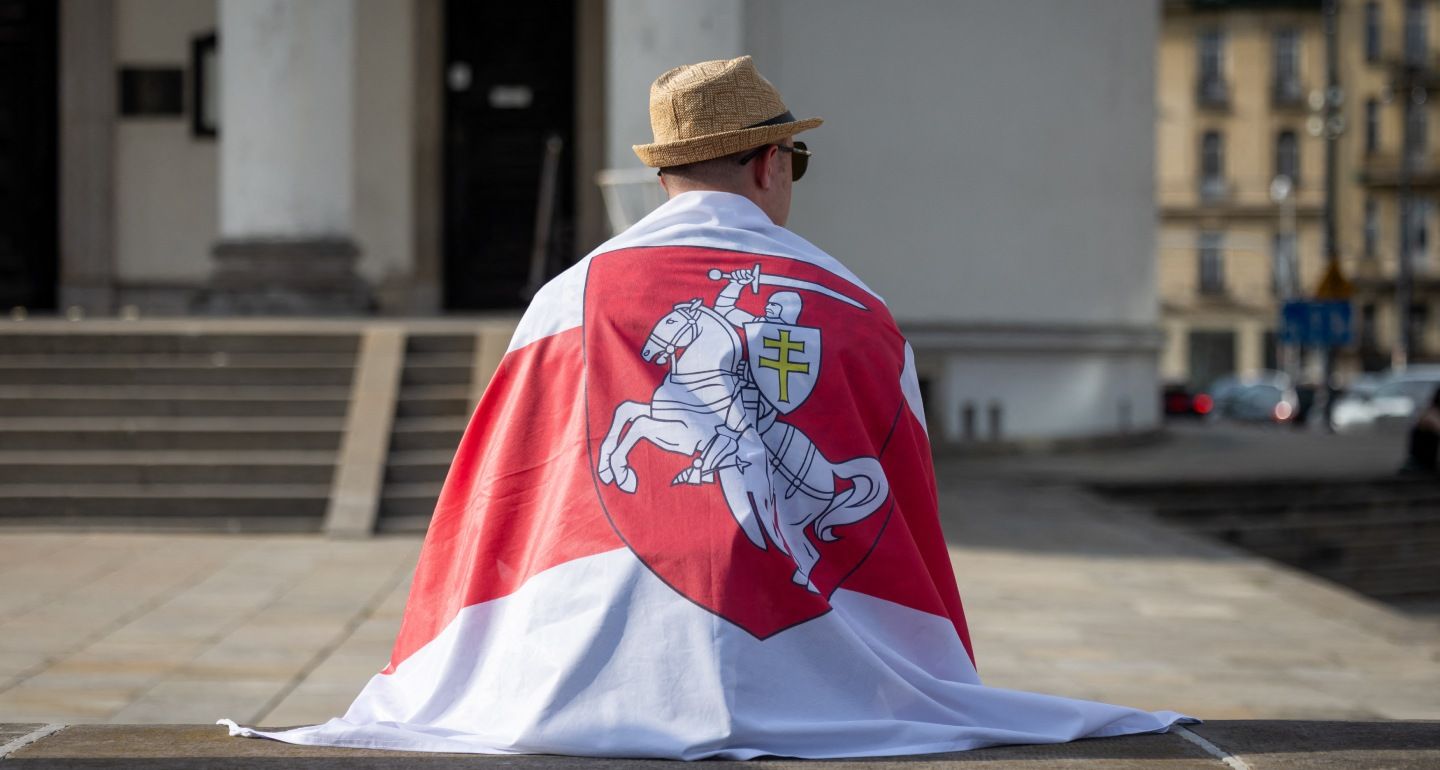
Minsk’s modest progress in creating a more predictable and peaceful image could stall at any minute as a result of tensions and developments in the region or a change in mood by Putin or Trump.

Artyom Shraibman
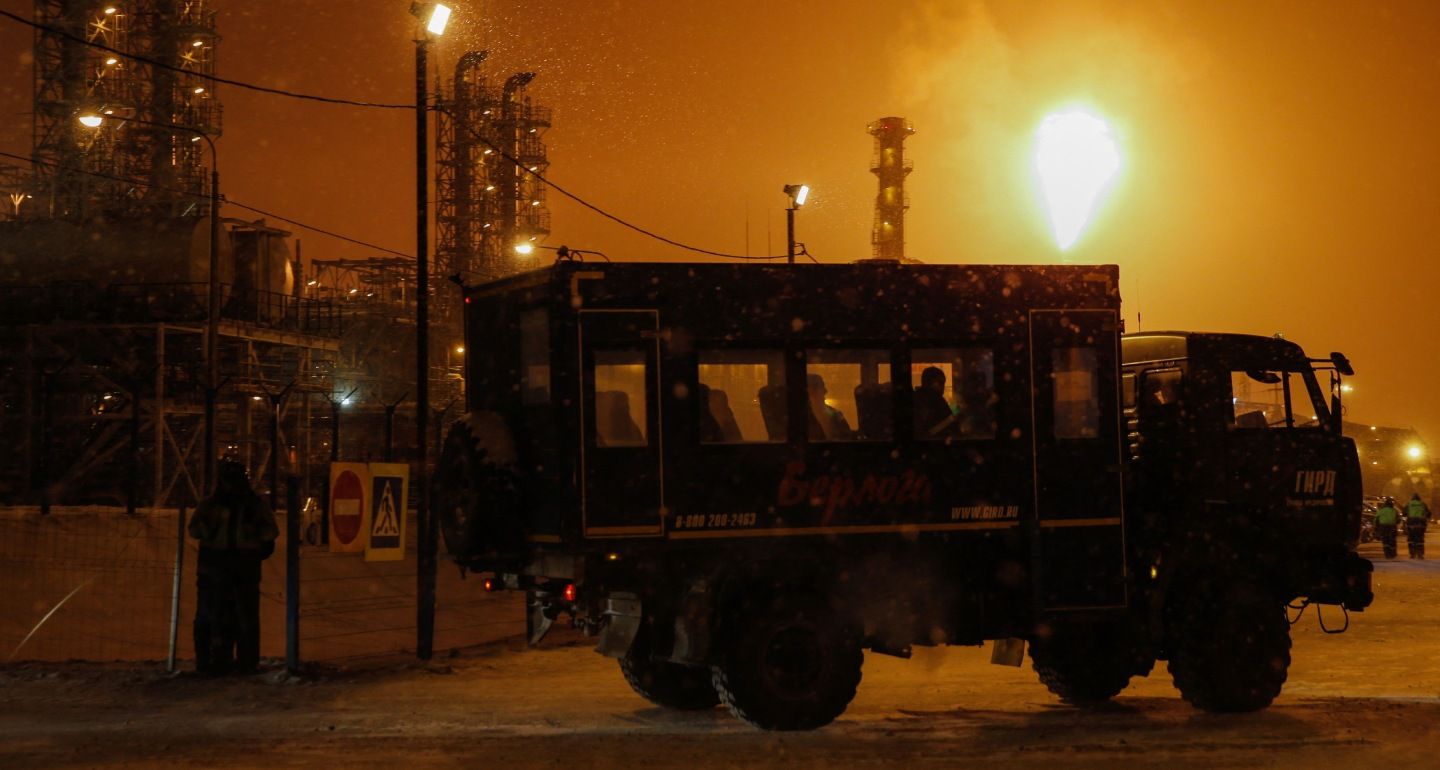
Western powers may soon find it hard to escape an unpalatable dilemma: either they need to invest heavily in ice-class marine capability, both military and commercial, with unclear payback prospects, or they will have to cede leadership in the Arctic to the Sino-Russian tandem.

Sergey Vakulenko
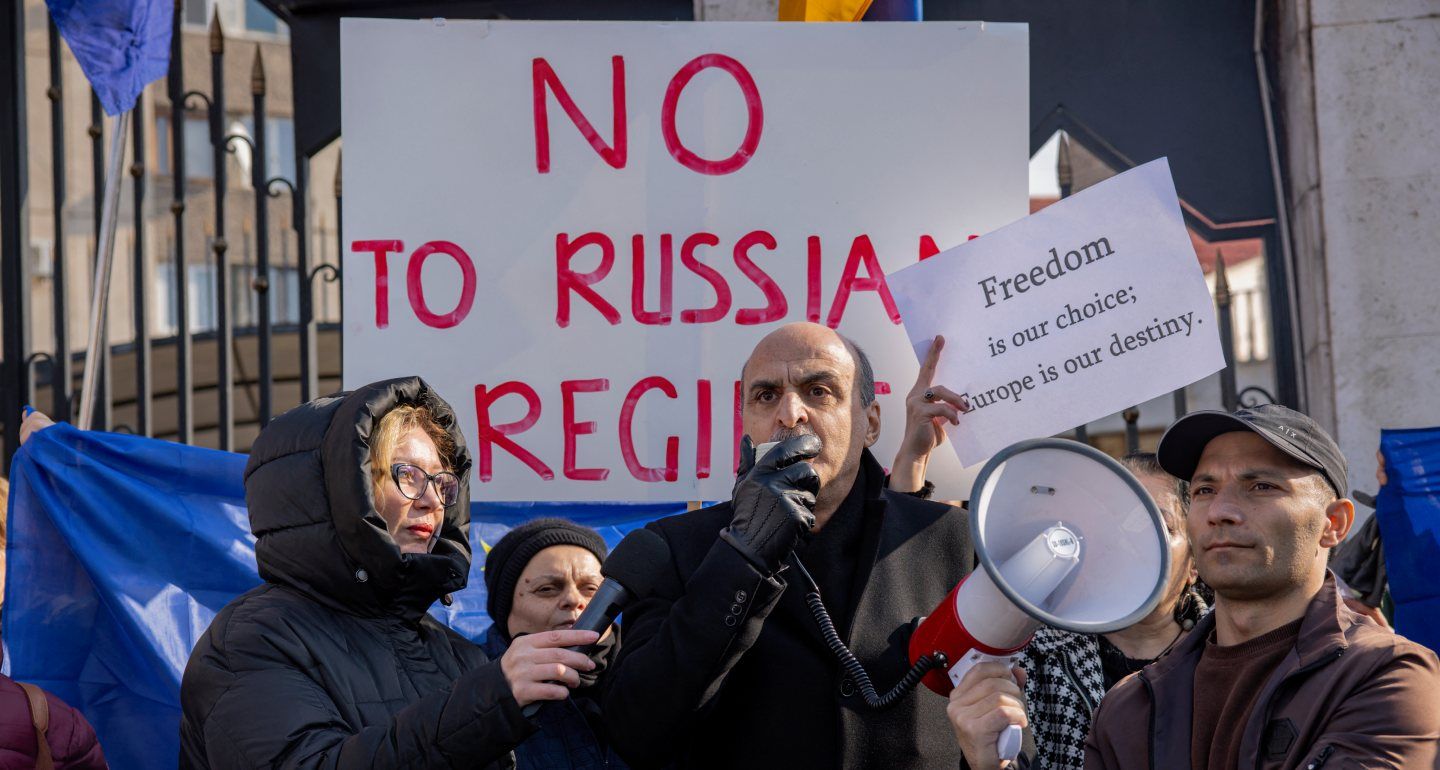
While Armenia remains formally aligned with Russia, its shift toward the West is becoming increasingly evident.
Olesya Vartanyan
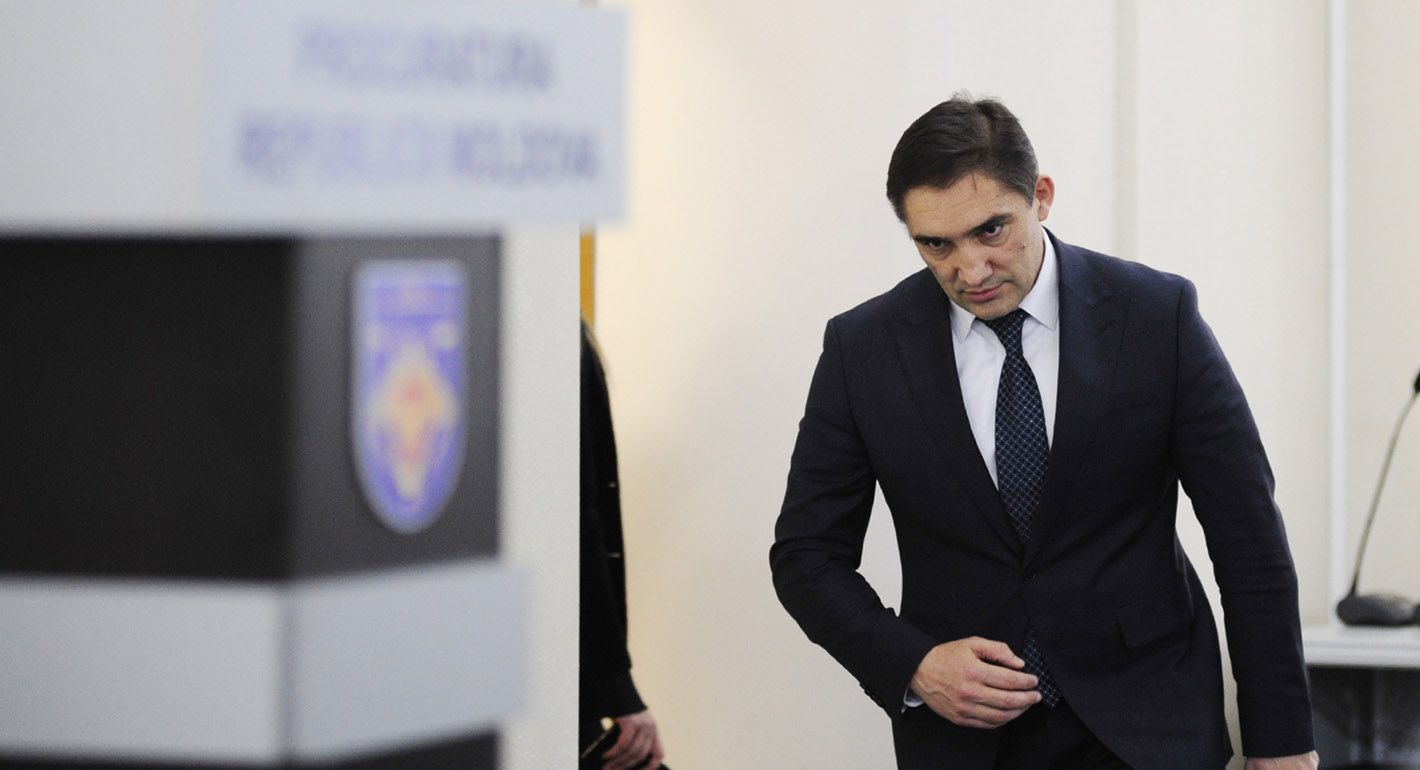
Former prosecutor general Alexandr Stoianoglo already has the support of Moldova’s most popular opposition politician in his bid to become president.
Vladimir Solovyov
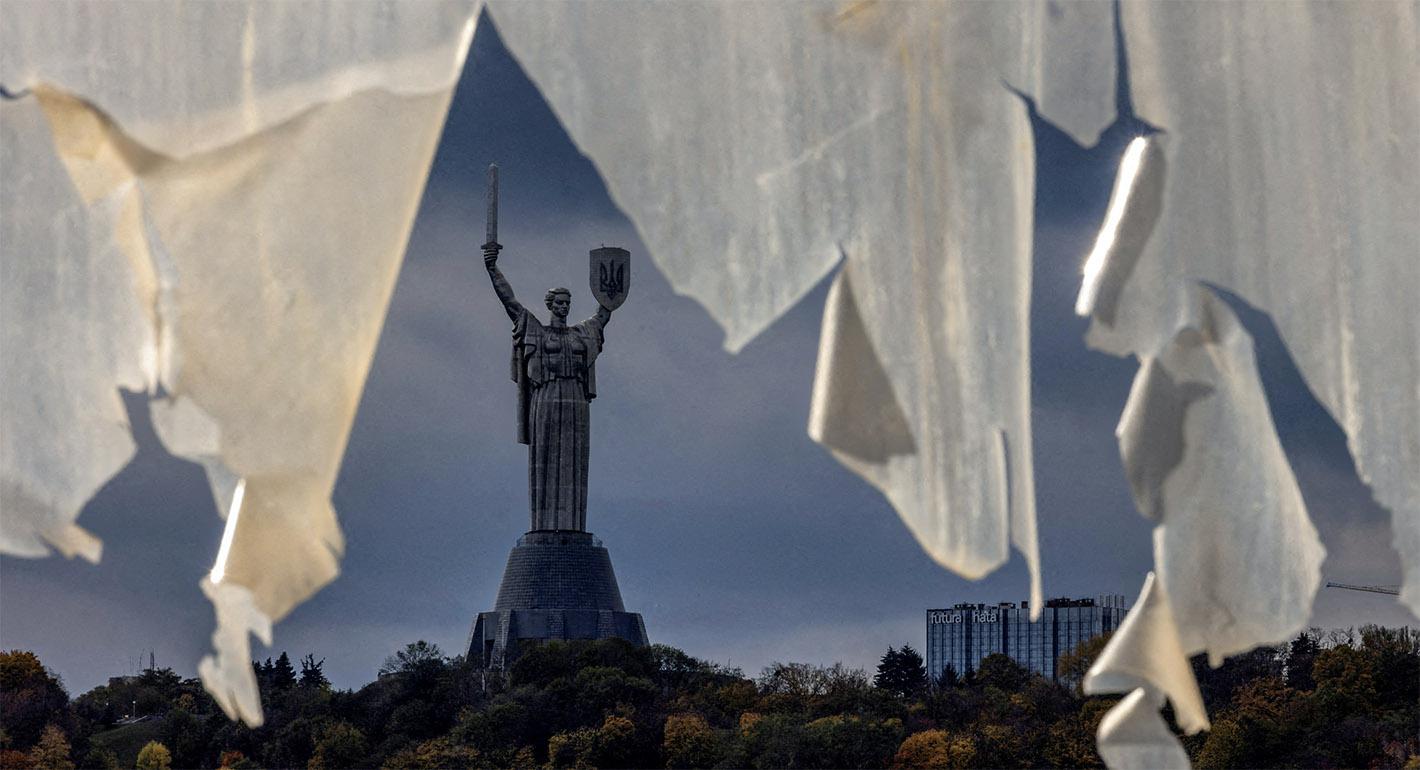
What seemed at first to be the start of a Third World War has turned out to be more akin to a Second Yugoslav War: a horrible conflict on the eastern edge of Europe triggered by a slow-motion imperial collapse with lasting global ramifications.

Alexander Baunov