

Other
François Godement, Ashley J. Tellis
{
  "authors": [
    "François Godement"
  ],
  "type": "legacyinthemedia",
  "centerAffiliationAll": "dc",
  "centers": [
    "Carnegie Endowment for International Peace"
  ],
  "collections": [],
  "englishNewsletterAll": "asia",
  "nonEnglishNewsletterAll": "",
  "primaryCenter": "Carnegie Endowment for International Peace",
  "programAffiliation": "AP",
  "programs": [
    "Asia"
  ],
  "projects": [],
  "regions": [
    "Western Europe",
    "France"
  ],
  "topics": []
}
Source: Getty
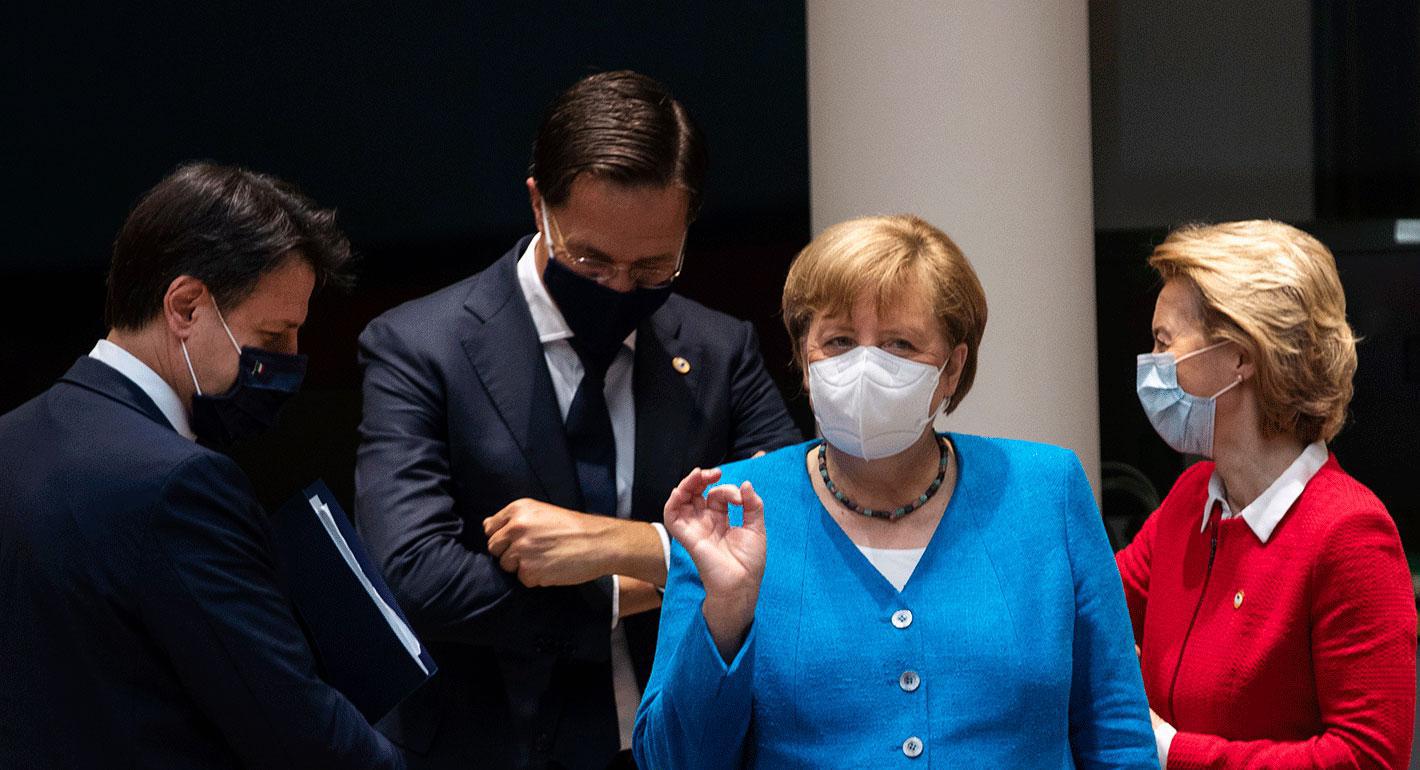
When the epidemic first appeared in China, and then in Asia, the Western response was to prioritize individual freedom, and in particular the freedom of movement over the health crisis.
Source: Institut Montaigne
When the epidemic first appeared in China, and then in Asia, the Western response was to prioritize individual freedom, and in particular the freedom of movement over the health crisis. This was perhaps conceivable if it went with a variety of preventive measures - some of which are already considered to be a first step towards restricting individual freedoms. For example, the wearing of masks, often perceived as a sort of useless manifestation of an "Asian-style" collective obligation. Or the use of digital tracing, after some success in local tracing (for example La Balme in Haute-Savoie), where going up the chain of contamination allowed to shut it down using much less elaborate means.
Digital tracing is becoming a burning issue as the project of a government-sponsored mobile application could well see the light of day in the next few hours or days. Beyond the tracing of travel flows by mobile operators or by Google, which is already a reality, tracing can have two functions: the backtracking of a mobile phone user's contacts, and therefore of the risks of infection incurred; and the real-time tracking of movements to monitor the enforcement of lockdowns - or compliance with limits and exceptions set for the end of confinement.
One application seems to fit the bill: TraceTogether, a creation of the Singaporean government run by its Ministry of Health. The code is available in open source, thus usable by the whole world. The version of the app used in Singapore keeps user data on the phone rather than on a server, with login details assigned anonymously and regularly changed. Contact detection only works with the latest versions of Bluetooth. It determines the user's contacts (but not their location) with another user of the application with an accuracy of about 2 meters, and will later warn them of a risk that was incurred. At this point, the transmission of stored data becomes mandatory. There is still preservation of anonymity of contacts - while health authorities acquire a nominal view of these. Retroactive tracking can reveal a suspicion of infection but cannot confirm it: a medical test remains necessary. The introduction of TraceTogether however dates only from March 21, while an increase in cases of local contamination happened in Singapore on March 18, thus before the application could prove its worth.
This article was originally published by Institut Montaigne.

Former Nonresident Senior Fellow, Asia Program
Godement, an expert on Chinese and East Asian strategic and international affairs, was a nonresident senior fellow in the Asia Program at the Carnegie Endowment for International Peace.
Recent Work
François Godement, Ashley J. Tellis

François Godement, Abigaël Vasselier
Carnegie does not take institutional positions on public policy issues; the views represented herein are those of the author(s) and do not necessarily reflect the views of Carnegie, its staff, or its trustees.

Minsk’s modest progress in creating a more predictable and peaceful image could stall at any minute as a result of tensions and developments in the region or a change in mood by Putin or Trump.

Artyom Shraibman
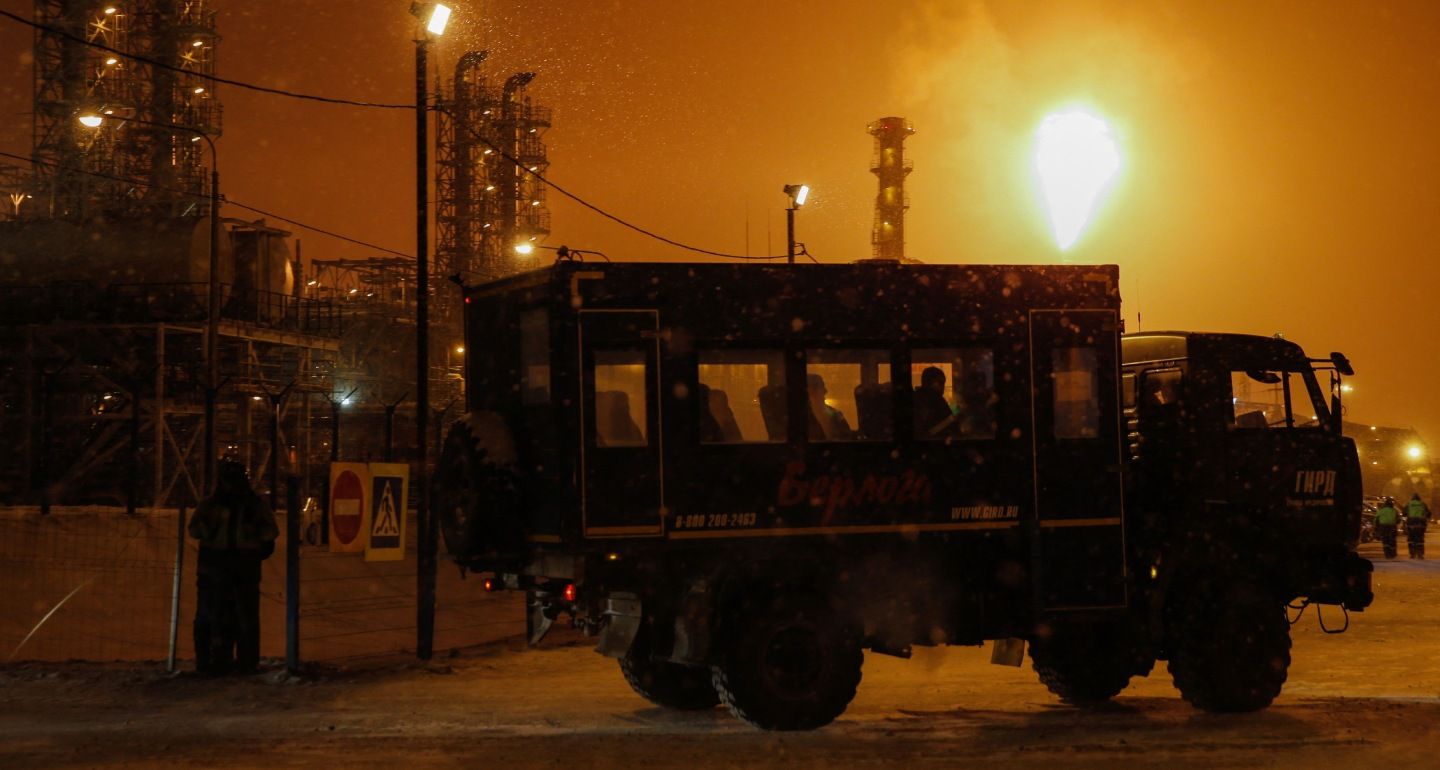
Western powers may soon find it hard to escape an unpalatable dilemma: either they need to invest heavily in ice-class marine capability, both military and commercial, with unclear payback prospects, or they will have to cede leadership in the Arctic to the Sino-Russian tandem.

Sergey Vakulenko
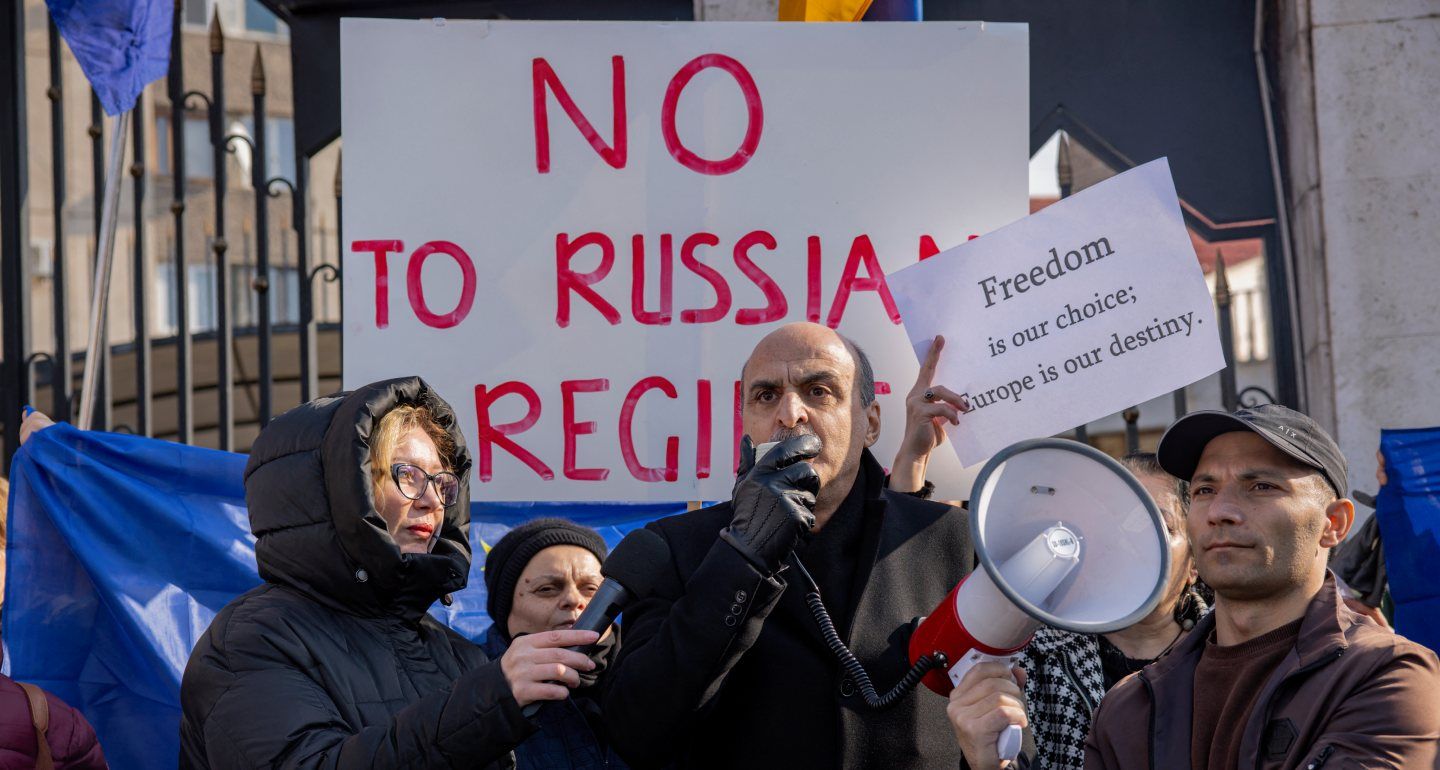
While Armenia remains formally aligned with Russia, its shift toward the West is becoming increasingly evident.
Olesya Vartanyan
Former prosecutor general Alexandr Stoianoglo already has the support of Moldova’s most popular opposition politician in his bid to become president.
Vladimir Solovyov
What seemed at first to be the start of a Third World War has turned out to be more akin to a Second Yugoslav War: a horrible conflict on the eastern edge of Europe triggered by a slow-motion imperial collapse with lasting global ramifications.

Alexander Baunov