

Commentary
Russia has been newly assertive on the world stage, but confronting its many challenges at home and abroad may require a new foreign policy equilibrium.
Dmitri Trenin
{
  "authors": [
    "Ariel (Eli) Levite",
    "Gaurav Kalwani"
  ],
  "type": "commentary",
  "centerAffiliationAll": "dc",
  "centers": [
    "Carnegie Endowment for International Peace"
  ],
  "collections": [
    "The Day After: Navigating a Post-Pandemic World"
  ],
  "englishNewsletterAll": "ctw",
  "nonEnglishNewsletterAll": "",
  "primaryCenter": "Carnegie Endowment for International Peace",
  "programAffiliation": "TIA",
  "programs": [
    "Technology and International Affairs"
  ],
  "projects": [],
  "regions": [],
  "topics": []
}
Source: Getty
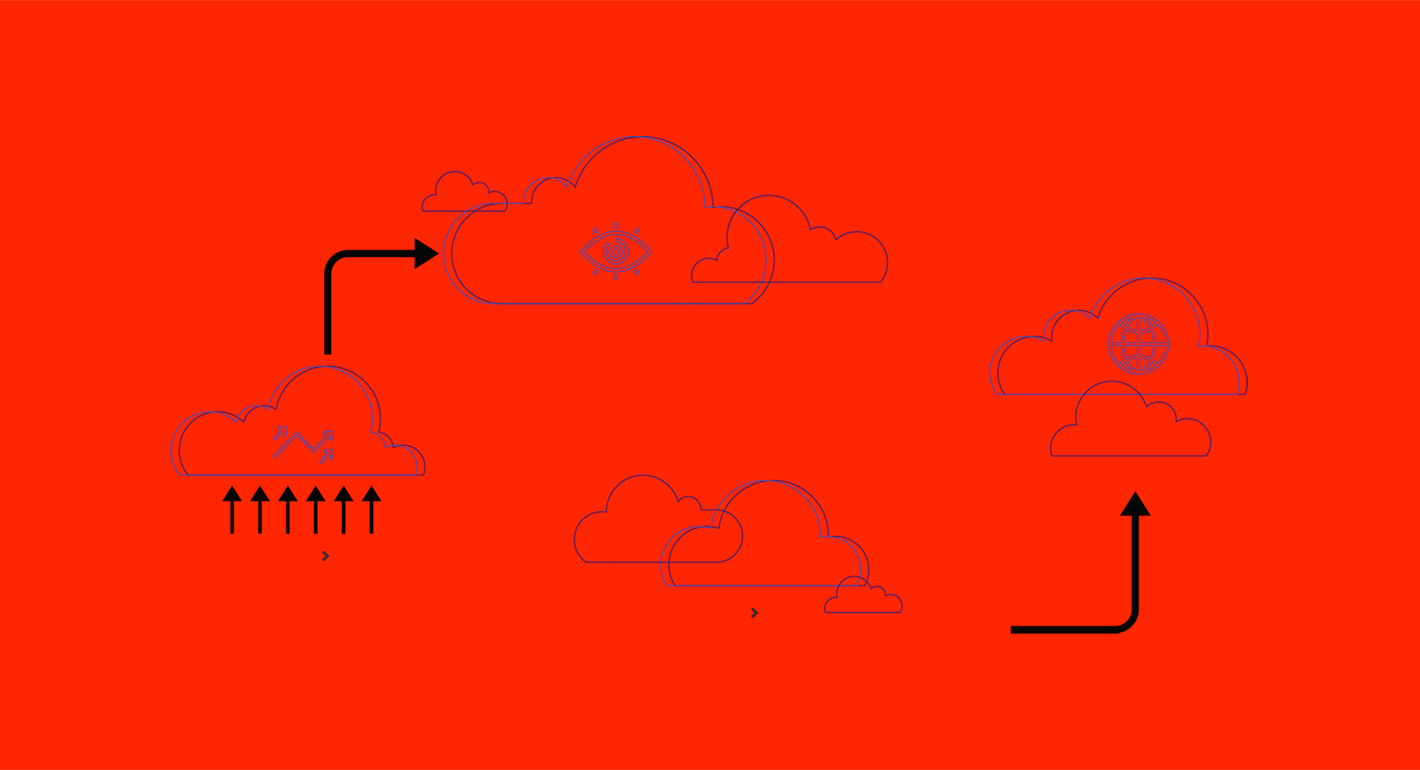
The rapid adoption and increasing centrality of cloud services present growing governance challenges.
Below are five baskets of cloud governance goals, and means being considered for their attainment. These items highlight the scope and complexity of the cloud governance challenges involved.
Overlapping Issues
Note: Many items listed here cut across different goals. In addition, items often exist in tension with one another; policies in the same category, as well as those oriented toward different goals, and even the goals themselves, can potentially conflict with each other, adding to the challenges of governance.
Countries may enact cloud and data localization policies that require facilities and data to be sited, stored, backed up, and/or processed in certain jurisdictions, often within national borders. These policies can have profound effects on the availability and operations of cloud services for multinational companies and consumers. Countries often pursue cloud and data localization measures for several key reasons, which are frequently justified as a matter of national security and/or sovereignty.
A country may use localization policies to reduce dependence on foreign cloud service providers, whose operations outside the state’s jurisdiction may leave their citizens’ data and use of cloud services vulnerable to disruption, theft, or manipulation by foreign actors.
Localization policies may also address concerns that the privacy of citizens’ data sent across borders could be compromised in foreign jurisdictions that do not have adequate privacy protection or accountability mechanisms in place.
Data and cloud operations are often treated by national governments as valuable commodities, and localization policies are one way of preserving these commodities and the economic advantages they provide within the country.


Senior Fellow, Nuclear Policy Program, Technology and International Affairs Program
Levite was the principal deputy director general for policy at the Israeli Atomic Energy Commission from 2002 to 2007.
Gaurav Kalwani
Former Research Assistant, Nuclear Policy Program
Gaurav Kalwani was a research assistant with the Nuclear Policy Program.
Carnegie does not take institutional positions on public policy issues; the views represented herein are those of the author(s) and do not necessarily reflect the views of Carnegie, its staff, or its trustees.
Russia has been newly assertive on the world stage, but confronting its many challenges at home and abroad may require a new foreign policy equilibrium.
Dmitri Trenin