

Paper
James M. Acton, Ankit Panda
{
  "authors": [
    "James M. Acton"
  ],
  "type": "legacyinthemedia",
  "centerAffiliationAll": "dc",
  "centers": [
    "Carnegie Endowment for International Peace"
  ],
  "collections": [
    "Entanglement"
  ],
  "englishNewsletterAll": "ctw",
  "nonEnglishNewsletterAll": "",
  "primaryCenter": "Carnegie Endowment for International Peace",
  "programAffiliation": "NPP",
  "programs": [
    "Nuclear Policy"
  ],
  "projects": [],
  "regions": [],
  "topics": []
}
REQUIRED IMAGE
Improvements in military technology have created new potential threats to nuclear forces and their command, control, communications and intelligence (C3I) systems.

Jessica T. Mathews Chair, Co-director, Nuclear Policy Program
Acton holds the Jessica T. Mathews Chair and is co-director of the Nuclear Policy Program at the Carnegie Endowment for International Peace.
Recent Work

James M. Acton, Ankit Panda
James M. Acton
Carnegie does not take institutional positions on public policy issues; the views represented herein are those of the author(s) and do not necessarily reflect the views of Carnegie, its staff, or its trustees.
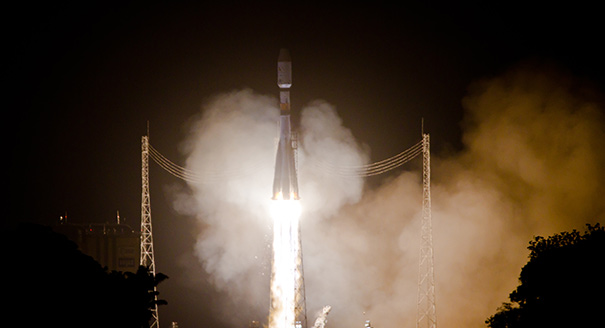
Nonnuclear weapons are increasingly able to threaten dual-use command, control, communication, and intelligence assets that are spaced based or distant from probable theaters of conflict.
James M. Acton
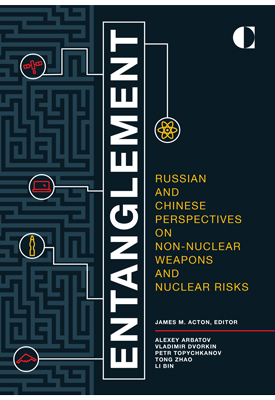
The risk of an inadvertent nuclear war is rising because of the entanglement of non-nuclear weapons with nuclear weapons and their command-and-control capabilities.

James M. Acton, Alexey Arbatov, Vladimir Dvorkin, …