

Q&A
Jon Bateman, Nick Beecroft, Gavin Wilde
{
  "authors": [
    "Nick Beecroft"
  ],
  "type": "commentary",
  "centerAffiliationAll": "",
  "centers": [
    "Carnegie Endowment for International Peace"
  ],
  "collections": [],
  "englishNewsletterAll": "",
  "nonEnglishNewsletterAll": "",
  "primaryCenter": "Carnegie Endowment for International Peace",
  "programAffiliation": "",
  "programs": [],
  "projects": [],
  "regions": [
    "North America",
    "United States",
    "South Asia",
    "Afghanistan"
  ],
  "topics": []
}
Source: Getty
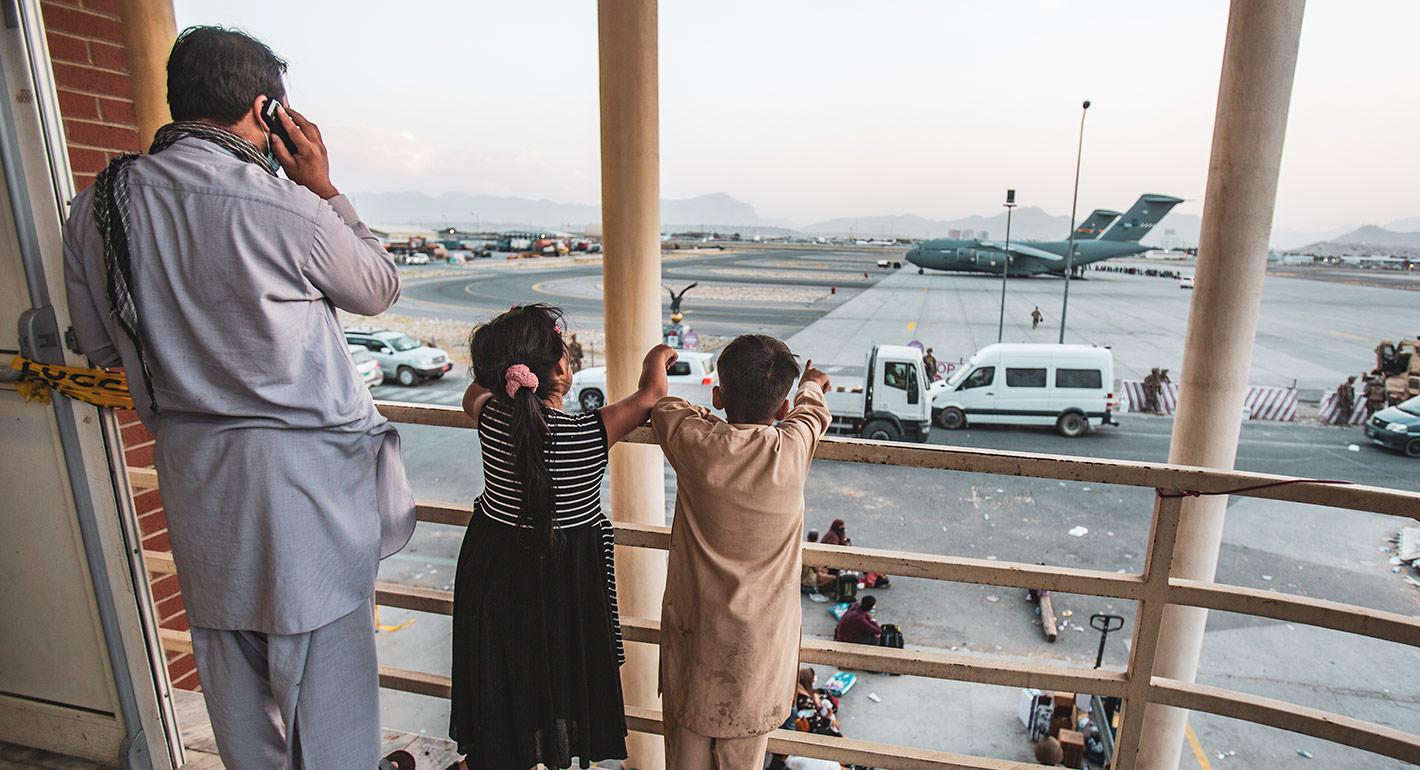
As the United States and its allies withdraw from Afghanistan, military intelligence is under scrutiny. What could have been done differently?
The emblems of the Afghan unit I served alongside are mounted on my wall, until now providing reminders of achievements, adversity, success, and loss in equal measure. Yet suddenly the overwhelming message they convey is betrayal. Serving as an intelligence officer in the British Royal Air Force and attached to a joint UK-Afghan infantry unit, my comrades and I didn’t expect that we could create an entirely new society in Afghanistan, nor that our commitment would be indefinite, but we did believe that our legacy would ultimately be a positive one for the future of the country. The catastrophic nature of our departure is an abandonment of people who fought with courage. Emotions are raw, which is a dangerous foundation for policymaking, yet we must not forget what this defeat feels like. It must be a catalyst for learning lessons.
Two lessons stand out from my experience at the tactical level of operations. The first is about the use of intelligence, and the second is a related problem of trust. These lessons stem principally from a UK perspective but are grounded in my experience of operating with the United States and its other allies. They reflect the interactions of the world’s most technologically advanced militaries and the reality that conflict remains a human-centered undertaking.
In Afghanistan, the allies’ use of intelligence became synonymous with targeting. Technical means of collection (such as the interception of Taliban communications) was viewed as the only trusted source of information, and in many cases this assumption dictated the approach to operations. Intelligence was valued for its capacity to help identify, locate, track, and engage targets—individuals—at speed and scale.
Operating alongside Afghan soldiers provided an entirely different perspective. Human intelligence provided a continual stream of insight, context, and nuance. It painted a picture that was built gradually, and one that could only make sense when coupled with the instincts and cultural awareness of our Afghan partners. It was messy and most certainly unreliable, in that the information itself and the motives of those reporting could often not be verified. But it meant that I frequently read highly classified reports drawn from hugely expensive technical intelligence sources that accurately captured information but were devoid of the implications or significance we naturally gleaned from our Afghan partners. Yet their human intelligence was all too quickly jettisoned for the apparent certainty offered by technology.
This is not to dismiss the value of intelligence from technical sources—it could (and did) provide life-saving warnings and often verified or corrected human sources. The bigger problem was that we seemed to have lost the ability to integrate human sources into the intelligence picture, demoting them to mere supplements for technical sources. The West should relearn the value of human intelligence and its capacity to truly understand an unfamiliar environment, not merely identify targets.
This insight leads to the second issue. The human intelligence challenge was in large part a problem of trust, and we are now learning a searing lesson in the value of that commodity. Our partnership with the Afghan military was not naïve—this relationship relied on a daily assessment of risks and rewards on both sides. Trust was never a foregone conclusion, but we shared the belief that progress was possible, and we were able to forge bonds that were tested in battle. The arbitrary and unilateral nature of the U.S. decision to withdraw destroyed that trust in a stroke—not only the trust between the Afghan people and the allies, but among the allies themselves. Some commentators have argued that the withdrawal from Afghanistan presages the end of the American era. The key to whether or not it does is trust.
Operations in Afghanistan represented a complex counterinsurgency in which the mission and strategic objectives could be hard to define. The mission now must be to evacuate the greatest possible number of those who placed their trust in us. The strategic objective is equally clear—to rebuild trust in American leadership.
Nick Beecroft is a nonresident scholar in the Technology and International Affairs Program at the Carnegie Endowment. In 2011, as an intelligence officer in the Royal Air Force, he was deployed to southern Afghanistan with a UK-Afghan infantry unit.

Former Nonresident Scholar, Technology and International Affairs Program
Nick Beecroft was a nonresident scholar in the Technology and International Affairs Program at the Carnegie Endowment.
Recent Work

Jon Bateman, Nick Beecroft, Gavin Wilde
Nick Beecroft
Carnegie does not take institutional positions on public policy issues; the views represented herein are those of the author(s) and do not necessarily reflect the views of Carnegie, its staff, or its trustees.

Trump has promised Belarus a massive potash deal. But Minsk is seeking something greater: restored Western transit and greater room for maneuver from Russia.

Balázs Jarábik

Minsk clearly expected the dialogue with Washington to yield more results, in particular the lifting of EU sanctions and permission to export potash.

Artyom Shraibman
Ongoing uncertainty in the Middle East allows Moscow to both increase its influence in Tehran and continue to enjoy the financial windfall of higher oil prices.

Nikita Smagin
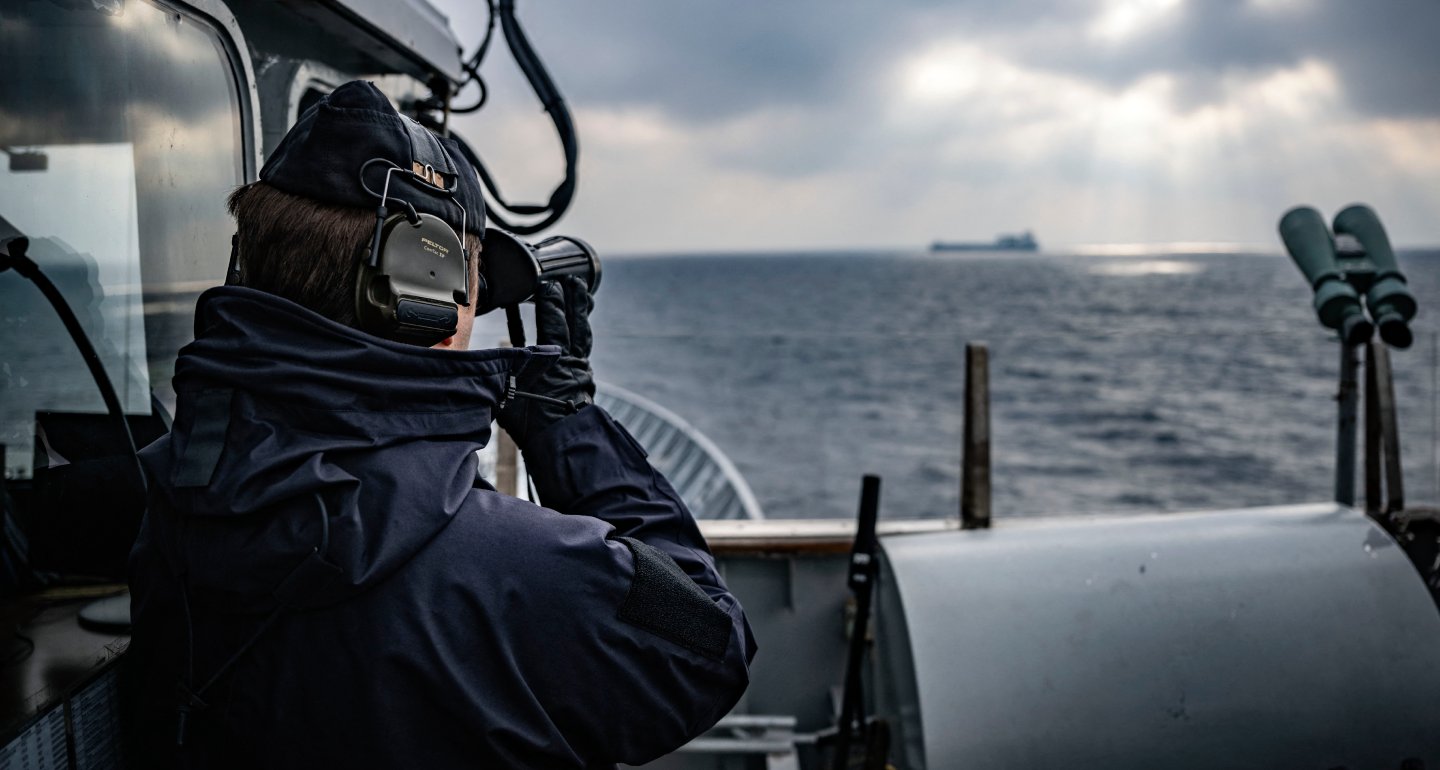
Governments in Estonia, Latvia, and Lithuania want to ensure that a U.S. military withdrawal would not leave them dangerously exposed to a Russian attack.

Sergejs Potapkins
The Russian leadership wants to avoid a dangerous precedent in which it is squeezed out of Iran by the United States and Israel—and left powerless to respond in any meaningful way.
Nikita Smagin