

Commentary
Erica D. Lonergan
{
  "authors": [
    "Erica D. Lonergan"
  ],
  "type": "legacyinthemedia",
  "centerAffiliationAll": "dc",
  "centers": [
    "Carnegie Endowment for International Peace"
  ],
  "collections": [],
  "englishNewsletterAll": "ctw",
  "nonEnglishNewsletterAll": "",
  "primaryCenter": "Carnegie Endowment for International Peace",
  "programAffiliation": "TIA",
  "programs": [
    "Technology and International Affairs"
  ],
  "projects": [],
  "regions": [
    "Iran"
  ],
  "topics": [
    "Technology"
  ]
}
REQUIRED IMAGE
Cyber deterrence frameworks that draw from the traditional nuclear deterrence literature and the logic of deterrence by punishment are mismatched to deterrence challenges in cyberspace. Instead, a better approach would be deterrence by denial.
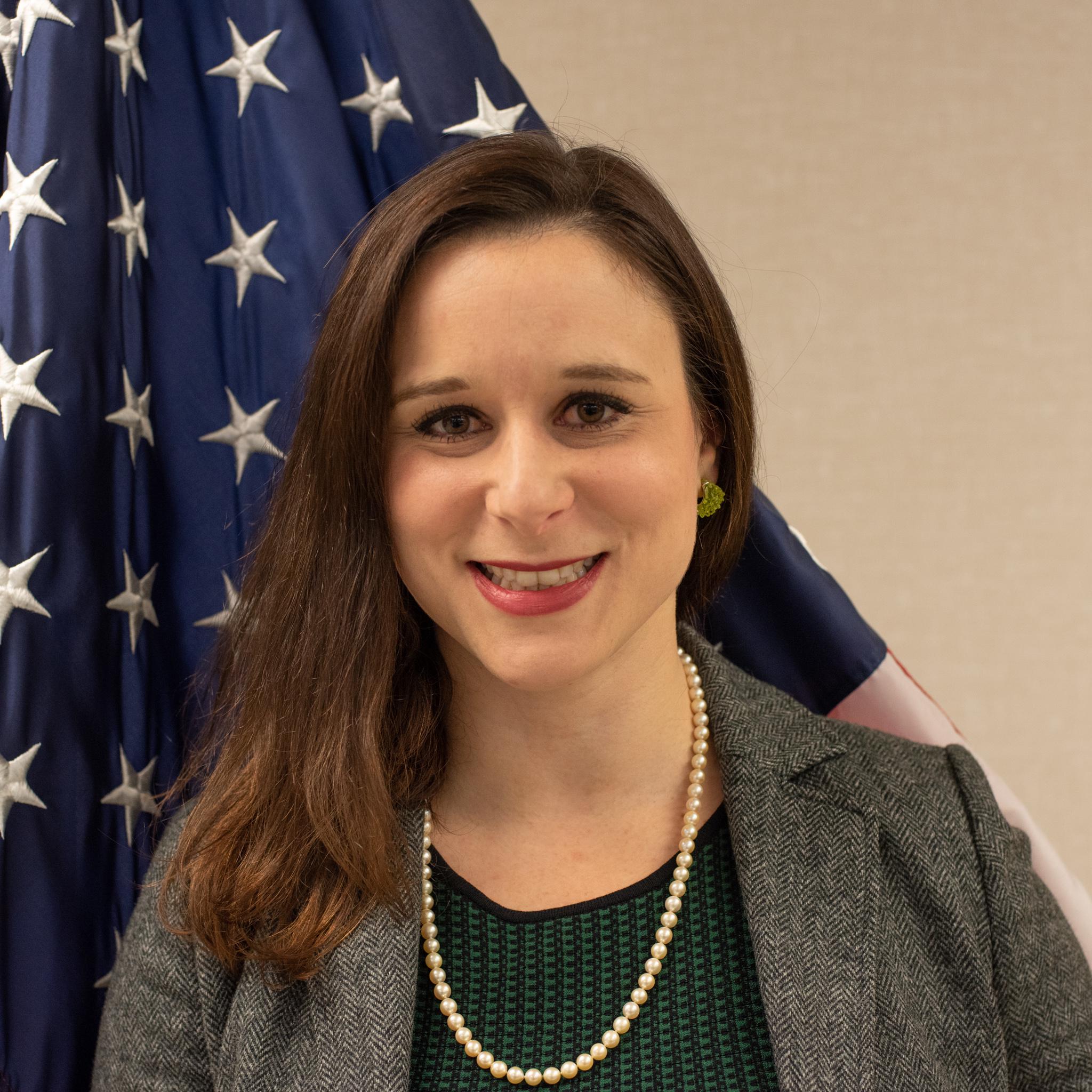
Former Senior Fellow , Technology and International Affairs Program
Dr. Erica D. Lonergan was a senior fellow in the Technology and International Affairs Program at the Carnegie Endowment for International Peace.
Recent Work
Erica D. Lonergan
Carnegie does not take institutional positions on public policy issues; the views represented herein are those of the author(s) and do not necessarily reflect the views of Carnegie, its staff, or its trustees.

While the current surge in grain trading activity in the Caspian Sea is undeniably impressive, it is constrained by financial, infrastructure, geographic, military, and environmental factors.

Nikita Smagin

Russia spent years building a “sovereign internet,” concentrating web infrastructure exclusively within Russian territory. Ukrainian drone attacks have shown how vulnerable that approach has left the Russian internet.

Maria Kolomychenko

Russia’s AI-driven propaganda campaigns operate in a fragmented, chaotic, and often illogical manner. That’s not necessarily a problem for the Kremlin, though: It’s much easier to mimic genuine public debate that way.
Ilya Klishin
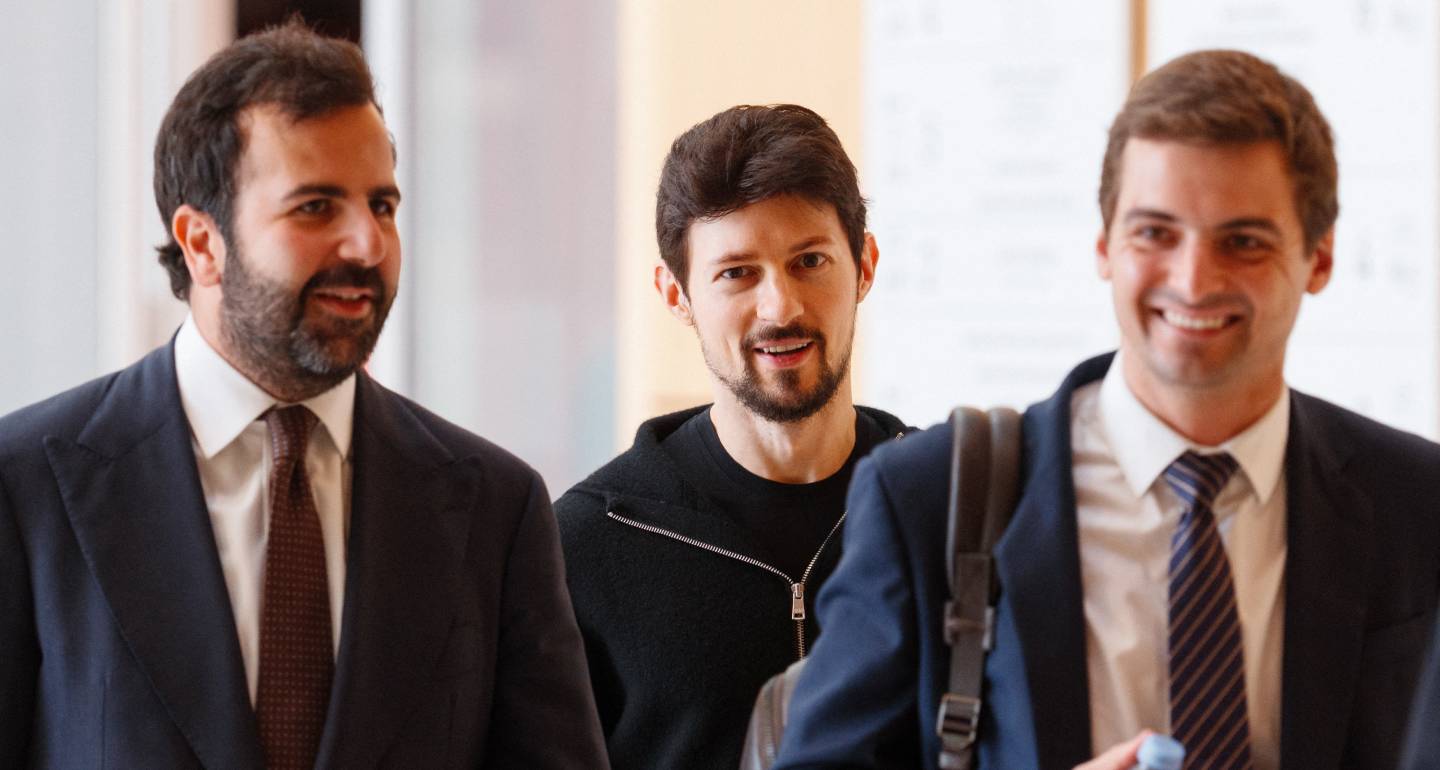
While France and Australia are seeking to establish the legal obligations of messaging apps like Telegram, Russia wants total subordination.
Maria Kolomychenko

The war in Ukraine and a change in ownership led VK to neglect its commercial ventures in favor of implementing the Kremlin’s online agenda. Now it’s been sanctioned by the EU.
Maria Kolomychenko