

Research
- +10
Rosa Balfour, Frances Z. Brown, Yasmine Farouk, …

Weakened public institutions, military reform, and public opinion in the face of rapid change have opened the door for corruption, inequitable distribution of burdens, and political instability in South America. Countries in the region are facing painful and sometimes dangerous reform.
Source: Washington

“This book is a timely and relevant contribution for rethinking both the content and the process of future reform attempts.”
—Miriam Kornblith, Universidad Central de Venezuela
“The story is well-told and the lessons valuable for those interested in under-standing, as well as making, economic policy."
—Robert Grosse, University of Miami

Distinguished Fellow
Moisés Naím is a distinguished fellow at the Carnegie Endowment for International Peace, a best-selling author, and an internationally syndicated columnist.
Recent Work



Rosa Balfour, Frances Z. Brown, Yasmine Farouk, …
Moisés Naím
Carnegie does not take institutional positions on public policy issues; the views represented herein are those of the author(s) and do not necessarily reflect the views of Carnegie, its staff, or its trustees.

Without a ceasefire with Ukraine on attacking each other’s energy infrastructure—to which the Kremlin is unlikely to agree—the diesel agreement between Putin and Trump is largely for show, rather than representing a genuine increase in the volumes of Russian diesel on the global market.

Sergey Vakulenko

Cargo traffic through Russia’s Northern Sea Route has increased because of the disruption caused by the conflict in the Middle East, the Ukraine war, and U.S.-China tensions.

Mikhail Korostikov

Trump has promised Belarus a massive potash deal. But Minsk is seeking something greater: restored Western transit and greater room for maneuver from Russia.

Balázs Jarábik

When faced with fuel shortages in the past, Central Asian governments could always count on additional supplies from Moscow. That safety net no longer exists.

Galiya Ibragimova
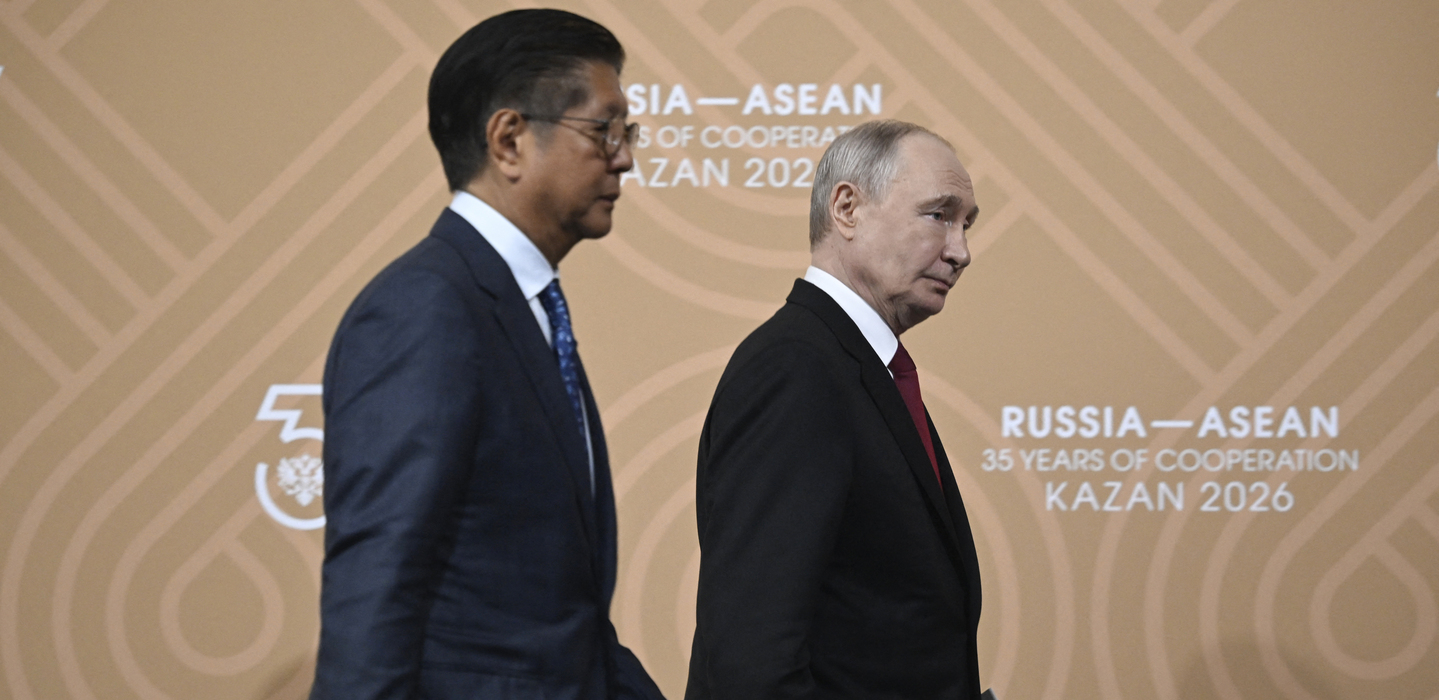
Russia looks set to reap economic benefits from closer ties with Southeast Asian countries that are keen to find reliable energy suppliers and diversify trade ties.

Alexander Gabuev