

Commentary
Tokayev’s predecessor, Nursultan Nazarbayev, outlined arrangements for a power transition too soon and in too much detail, ultimately losing control over the process. Tokayev is determined not to meet the same fate.
Temur Umarov
test
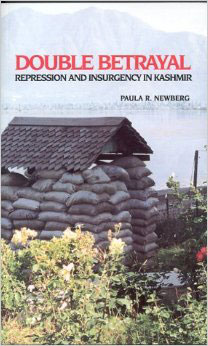
Source: Washington, DC: Carnegie Endowment for International Peace, 1995
Since 1989, the crisis in Kashmir has become an emblem of post-Cold War conflict. Irredentism and insurgency, coupled with the ambitions of India and Pakistan, have created an atmosphere that threatens regional peace. In varying degrees and different ways, the rights of Kashmiris have been violated by all parties to these conflicts. The author examines the nature of rights abuses since the insurgency began; the ways that the politics of human rights have been manipulated by governments, military forces, and insurgents alike; and the polarizing effects of these policies.
Carnegie does not take institutional positions on public policy issues; the views represented herein are those of the author(s) and do not necessarily reflect the views of Carnegie, its staff, or its trustees.
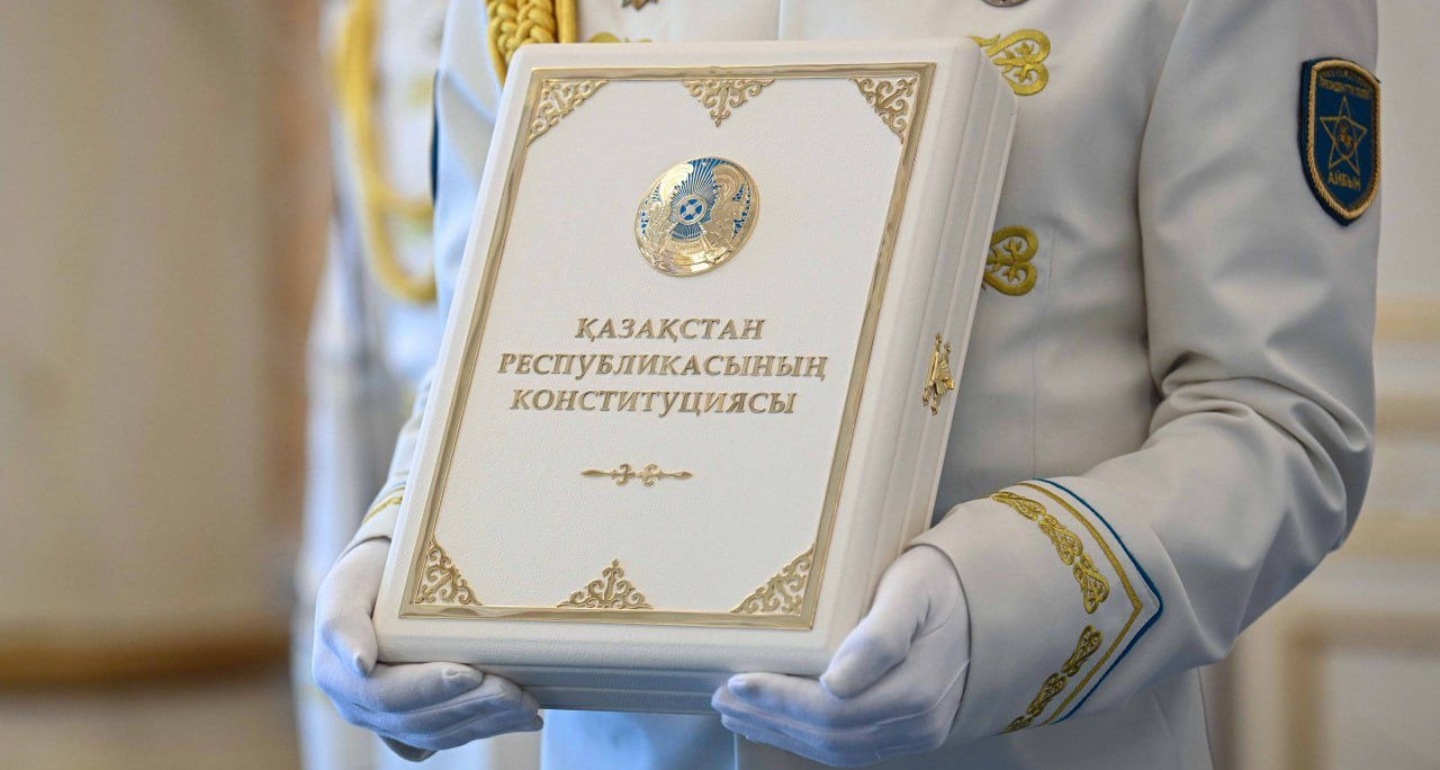
Tokayev’s predecessor, Nursultan Nazarbayev, outlined arrangements for a power transition too soon and in too much detail, ultimately losing control over the process. Tokayev is determined not to meet the same fate.

Temur Umarov
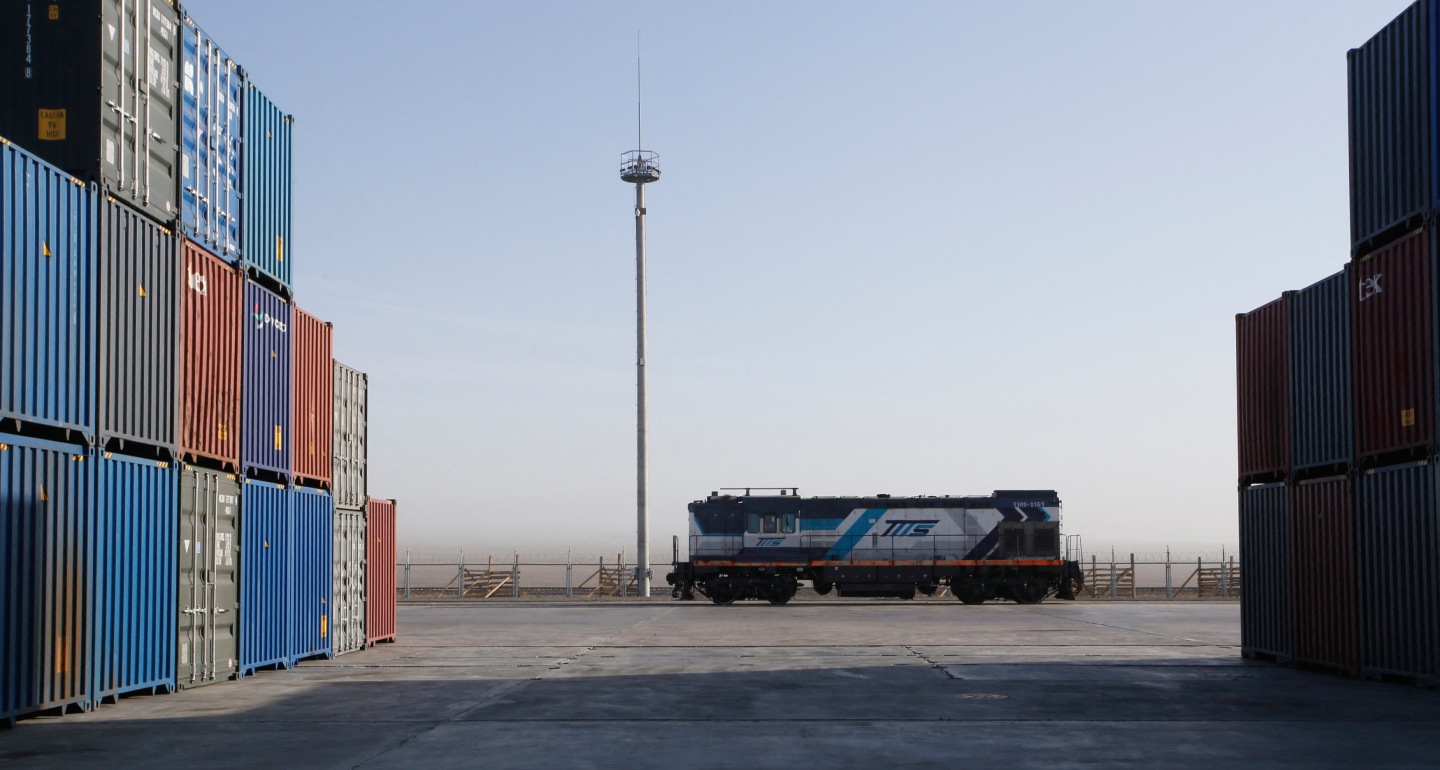
This year’s wars have made alternative routes to transit through Russia no less risky for Central Asian countries.

Galiya Ibragimova

The demands of the Kremlin’s war in Ukraine, demographic problems, and public hostility toward Central Asians mean Russia does not have enough workers.
Salavat Abylkalikov
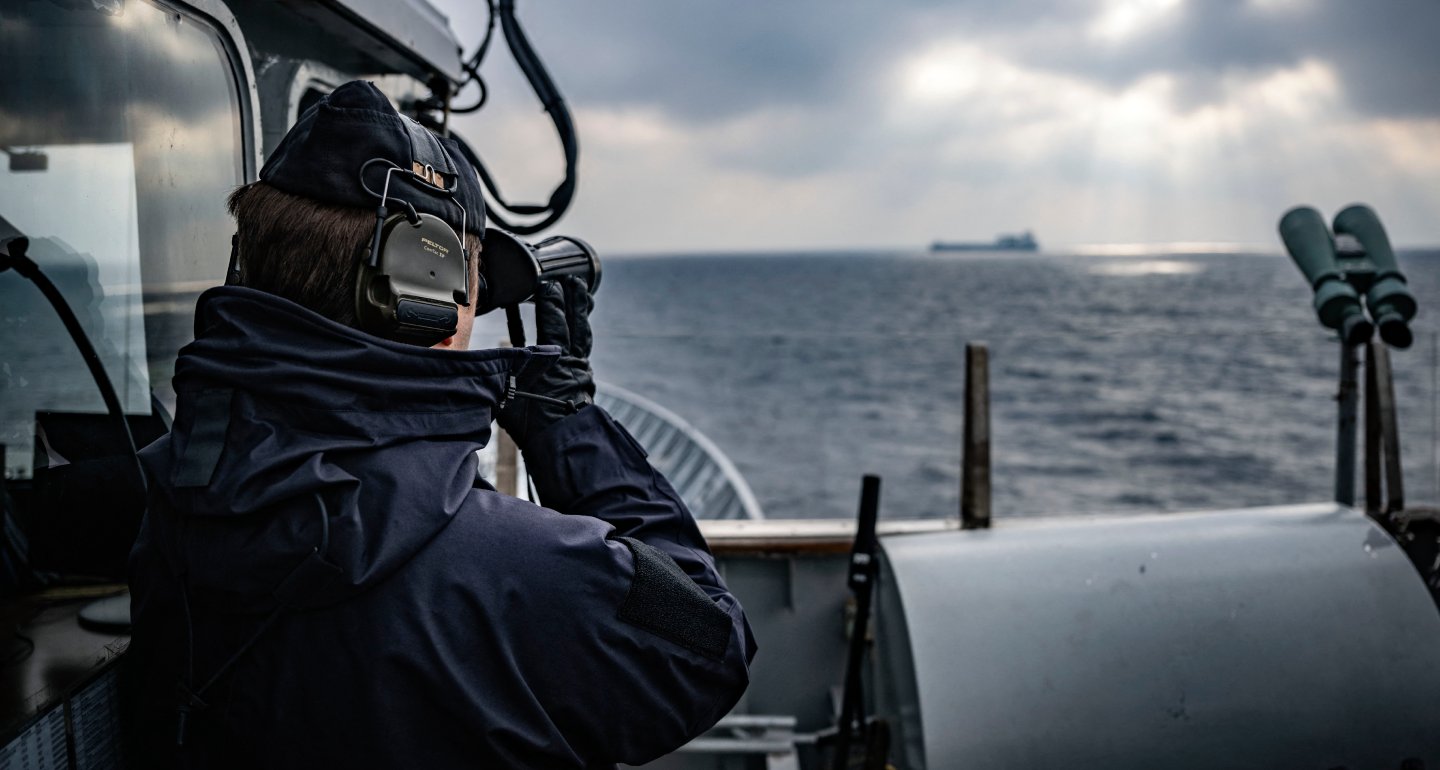
Governments in Estonia, Latvia, and Lithuania want to ensure that a U.S. military withdrawal would not leave them dangerously exposed to a Russian attack.

Sergejs Potapkins
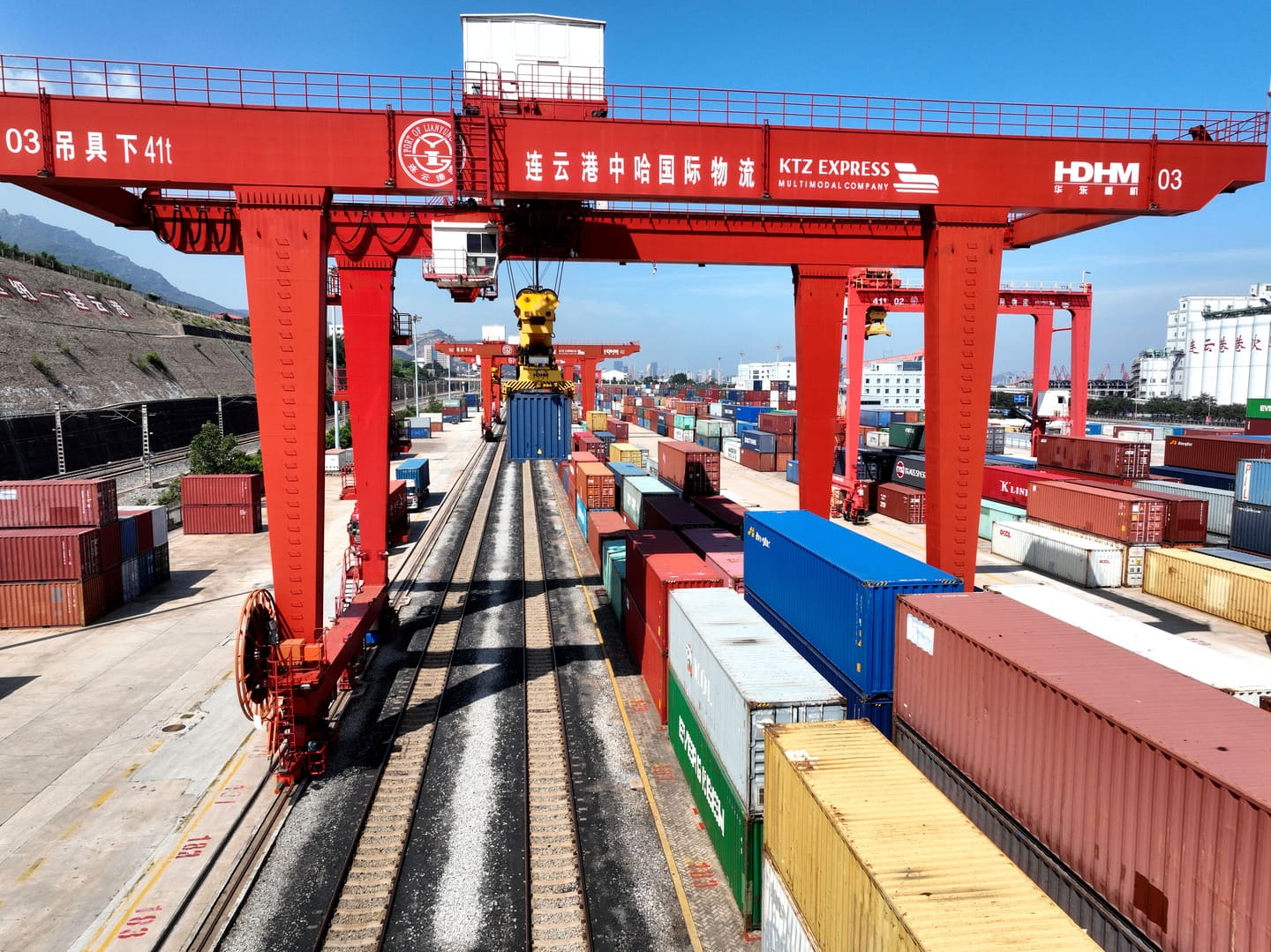
For the Middle Corridor to fulfill its promises, one of these routes must become scalable. At present, neither is.
Friedrich Conradi