

Commentary
A leak of Russian gas price data helps establish that China is paying Russia far less than Central Asian countries and Gazprom’s former European customers.
Sergey Vakulenko

Calling for renewed broad engagement and for rebuilding the relationship on a more realistic basis, this work sets key points in the agenda for U.S. and Russian policy makers.
Source: Washington

“These reports highlight the U.S. stakes in Russia and in a healthy outcome to Russia's difficult transition. In this connection, they underscore the importance of reversing the growing estrangement between Washington and Moscow and getting the relationship back on track.”
—Lt. General (Ret.) Brent Scowcroft, Former National Security Advisor to President George Bush
“These parallel reports from Washington and Moscow provide a valuable and unique opportunity to compare the views of leading American and Russian experts and former officials on the troubled state of U.S.-Russian relations and their prescriptions for starting to repair them.”
—Richard G. Lugar, United States Senator
“These parallel reports on the troubled U.S.-Russian relationship by leading American and Russian policy analysts and former senior officials underscore the continuing importance of Russia to U.S. security and the link between protecting vital American strategic nuclear and non-proliferation interests and maintaining a healthy overall relationship with Russia. The recommendations in these reports could help us avoid a U.S.-Russian arms control train wreck and break the impasse on START-3 and ABM Treaty modification.”
—Sam Nunn, Partner, King & Spalding former U.S. Senator
Carnegie does not take institutional positions on public policy issues; the views represented herein are those of the author(s) and do not necessarily reflect the views of Carnegie, its staff, or its trustees.
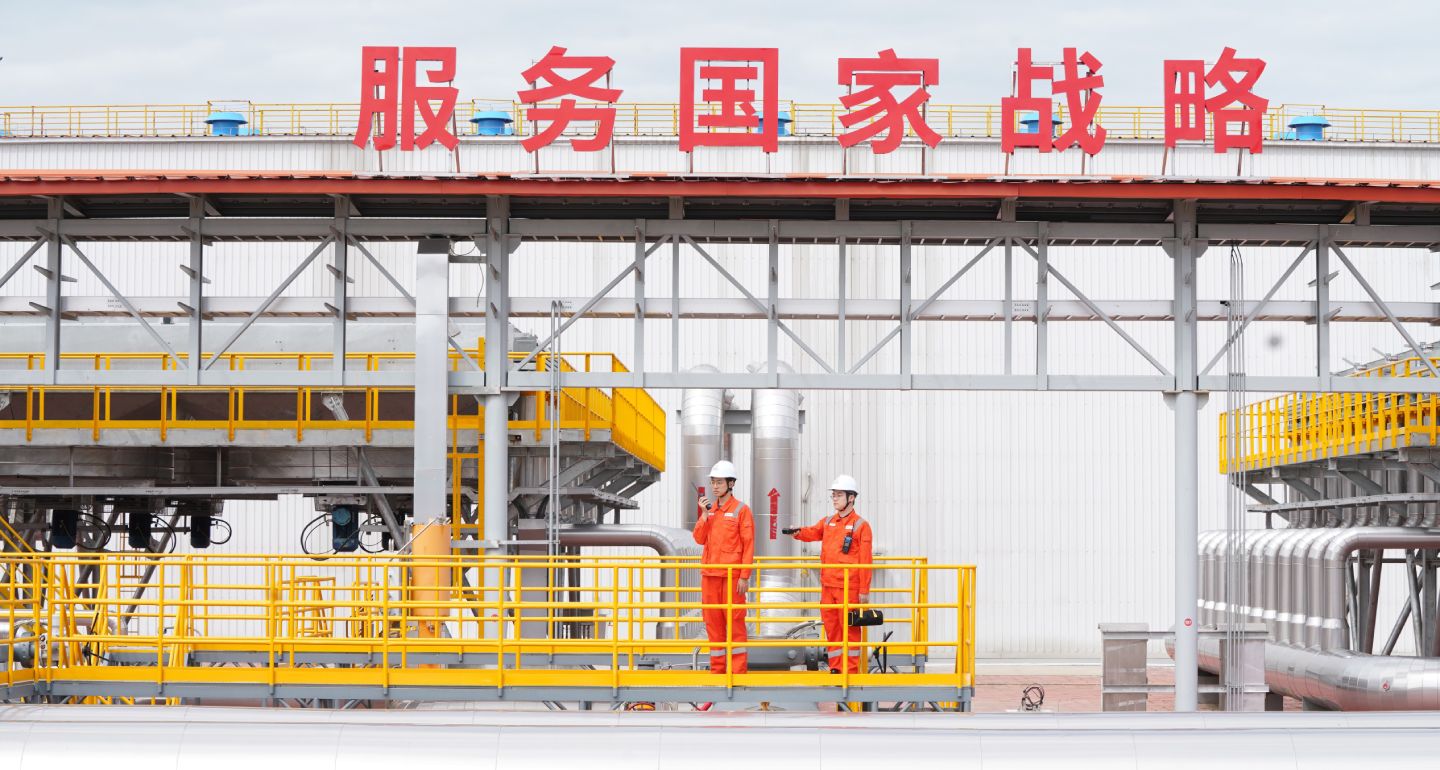
A leak of Russian gas price data helps establish that China is paying Russia far less than Central Asian countries and Gazprom’s former European customers.

Sergey Vakulenko

Japan’s long-term security policy is driven by concerns about China, and there is little appetite for (or interest in) pursuing a confrontation with Moscow.

James D.J. Brown

The truth of the strategic situation is that Europe and Russia are extremely unlikely to be able to “turn the page” on their confrontation within the next two decades.

Arkady Moshes
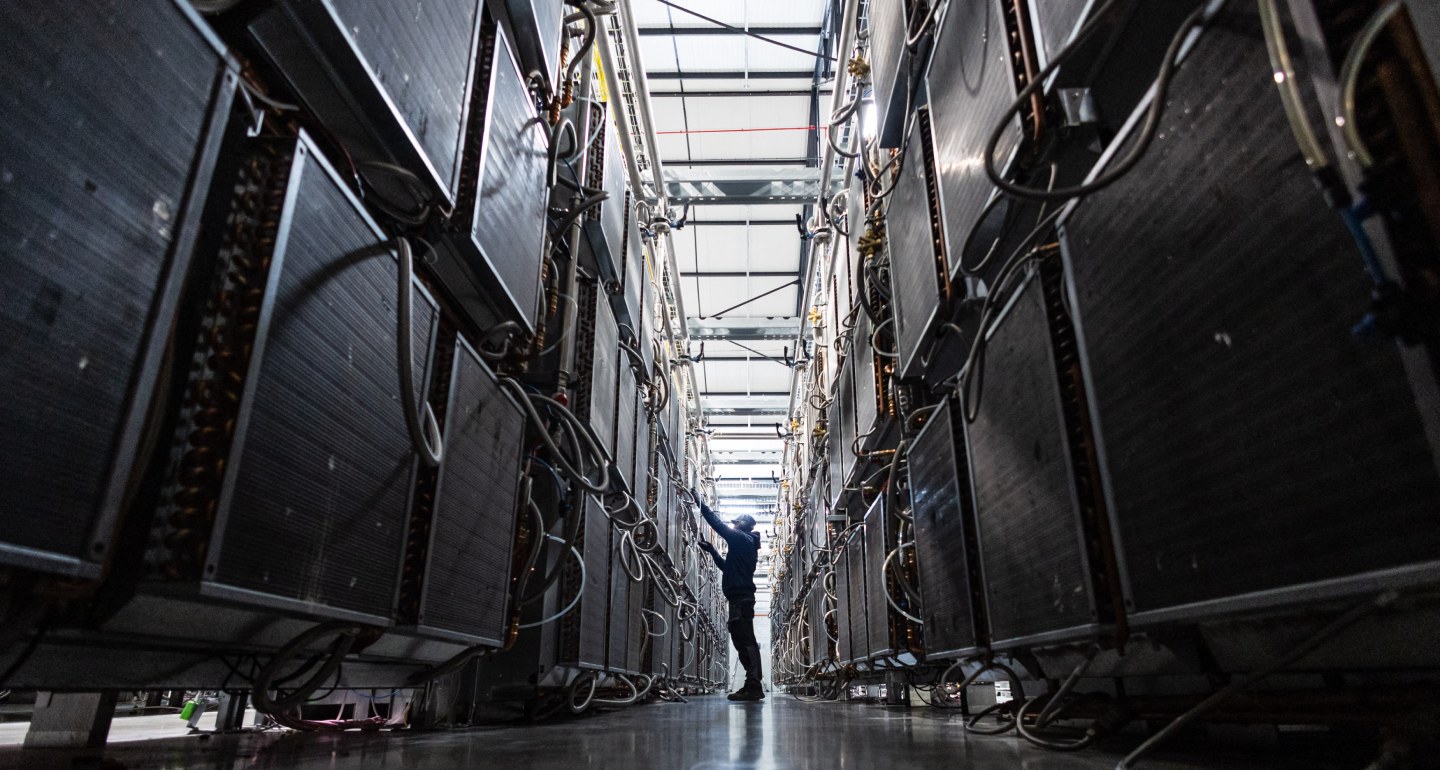
Russia spent years building a “sovereign internet,” concentrating web infrastructure exclusively within Russian territory. Ukrainian drone attacks have shown how vulnerable that approach has left the Russian internet.

Maria Kolomychenko

Putin’s conservative staffing policies and search for ever greater control have cemented parliament’s transformation into a bureaucratic appendage of the executive branch.

Andrey Pertsev