

Other
Anders Aslund

REQUIRED IMAGE
According to official statistics, output plunged in almost all Soviet-type countries toward the end of communism. In the first year of transition, the plunges turned even more dramatic, continuing for years. The analysis and conclusions in this paper contrast sharply with the conventional view.
Source: Carnegie
Summary
According to official statistics, output plunged in almost all Soviet-type countries toward the end of communism. In the first year of transition, the plunges turned even more dramatic, continuing for years. The total registered declines in GDP range from 13 percent in the Czech Republic from 1989 to 1992 to 77 percent in Georgia from 1989 to 1994. The analysis and conclusions in this paper contrast sharply with the conventional view.
This paper shows that both communist and post-communist statistics are deeply flawed. First, everywhere the decline in output has been much smaller than perceived, and a few countries grew immediately rather than contracted. Second, the Soviet economy was in far worse shape than generally understood. Third, even after revising the official statistics, the differences between failures and successes remain vast—and the correlation between structural reform and economic performance becomes much stronger. Fourth, flawed statistics misled policy makers in post-communist transformation, inciting them to adopt inefficient gradual reforms, which reinforced rent-seeking and prolonged stagnation. And fifth, economic welfare has diminished far less than output.
Former Senior Associate, Director, Russian and Eurasian Program
Recent Work
Anders Aslund
Anders Aslund
Carnegie does not take institutional positions on public policy issues; the views represented herein are those of the author(s) and do not necessarily reflect the views of Carnegie, its staff, or its trustees.

Depleted financial reserves and a shrinking tax base mean it is no longer possible to simultaneously deliver high defense spending, price stability, and economic growth.

Alexandra Prokopenko

In the tenth year of his presidency, President Mirziyoyev’s system is becoming even more personalized than that of his predecessor Karimov.

Galiya Ibragimova

With the growth in points of friction between the great powers, organizations like the SCO will continue to play a role in the strategic adaptation of the smaller powers caught between them.

Temur Umarov

When faced with fuel shortages in the past, Central Asian governments could always count on additional supplies from Moscow. That safety net no longer exists.
Galiya Ibragimova
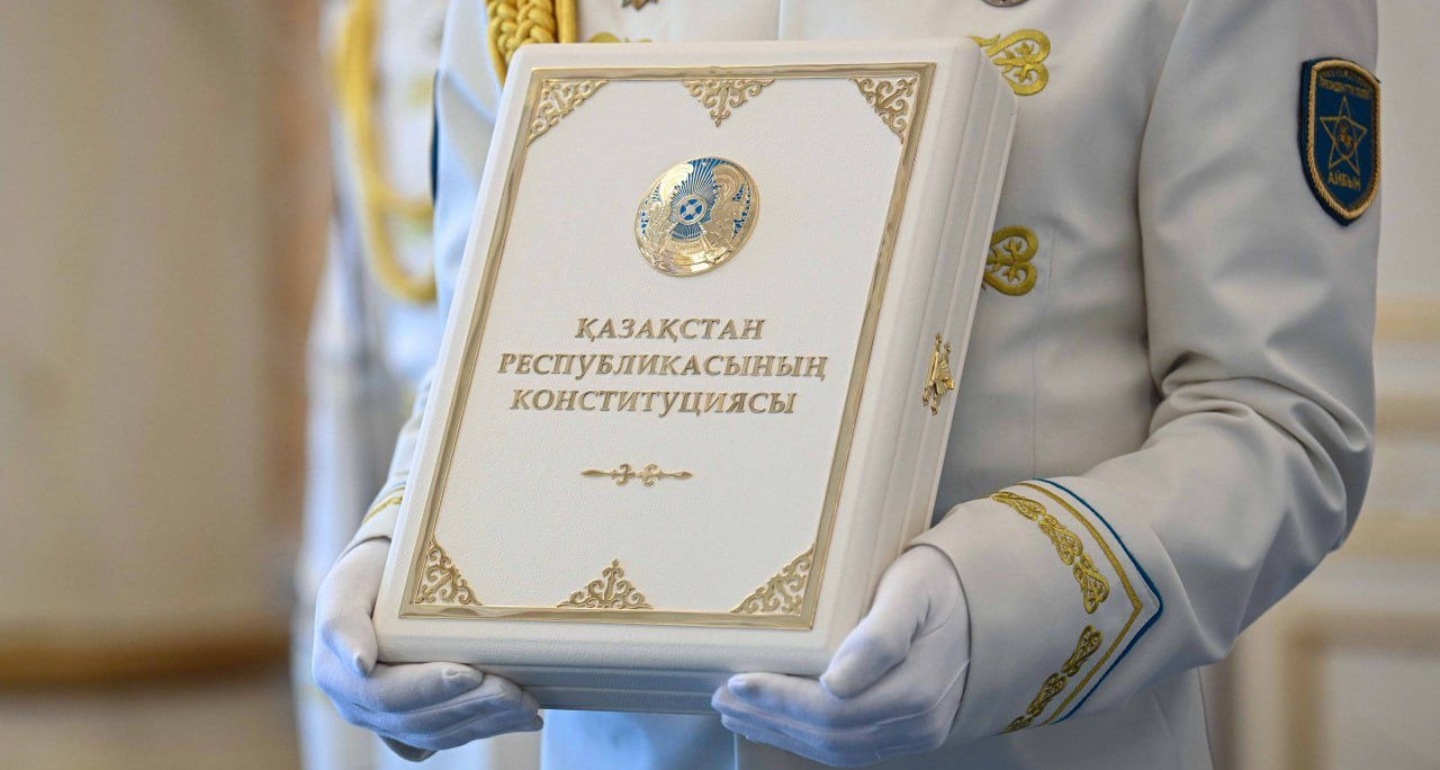
Tokayev’s predecessor, Nursultan Nazarbayev, outlined arrangements for a power transition too soon and in too much detail, ultimately losing control over the process. Tokayev is determined not to meet the same fate.
Temur Umarov