

Commentary
As Russia’s relationship with the West has deteriorated, the Kremlin’s view of the Taliban has changed. But substantive economic cooperation will be hard to achieve.
Ruslan Suleymanov

REQUIRED IMAGE
U.S. Secretary of State Colin Powell traveled to South Asia, at least in part "to lower the temperature," over Kashmir. On October 15 the urgency of his mission was dramatized by the Indian shelling across the Line of Control at Pakistani positions. There is fear that heightened tensions and heated rhetoric might spill over into unintended military escalation in the mountains of Kashmir.
U.S. Secretary of State Colin Powell traveled to South Asia, at least in part "to lower the temperature," over Kashmir. On October 15 the urgency of his mission was dramatized by the Indian shelling across the Line of Control at Pakistani positions in Kashmir. What India called a determined effort "to confront and stamp out terrorism," Pakistan called "unprovoked and unjustified."
India’s tough talk and action is in response to an October 1st suicide bombing of the Kashmiri Legislature in Indian-administered Kashmir, which left 40 people dead. Since the inconclusive talks in Agra this summer between President Mussharef and Prime Minister Vajpayee, militant attacks have been on the rise. The October 1st attack led to growing domestic pressure on Vajpyee to actively end "cross-border terrorism." So far the Indian army has not crossed the line dividing Indian and Pakistani positions in Kashmir. India’s foreign minister, Jaswant Singh, has ruled out "hot pursuit."
This military action was domestically popular, and at least one editorial in a leading English-language newspaper talked about the need to send the U.S. the right message. However, most advocated caution against any potentially provocative action in Kashmir. The Indians recognize that destabilizing Pakistan’s President Musharref is not in India’s interest. However, they fear that Musharref will try to mitigate his country’s current angst by increasing his support for Kashmiri militancy.
In this light, India welcomed Secretary Powell’s assertion that the U.S. condemns ``terrorism wherever it exists, whether it is the kind of terrorism we saw on September 11, or the kind of terrorism we saw on October 1 in Srinagar.'' Earlier, the Indians were mollified when the United States froze the assets of the Pakistan-backed militant organization responsible for the October 1st attack.
India wants the U.S. to take a "holistic" approach to international terrorism. For the government in New Delhi that means tackling what it sees as "cross-border terrorism" sponsored by Pakistan. India’s Home Minister, Mr. Advani, summed up the country’s perception in a recent interview with CNN: "It is somewhat baffling that the country which we identify as the principal source of terrorism in our part of the world is the biggest friend in this battle against international terrorism," he said.
With still vivid memories of Pakistan’s close relationship with the United States when the Soviets were in Afghanistan, the Indians are wary about the potential dimensions of this renewed relationship between Washington and Islamabad. Zero-sum reasoning still pervades the South Asian adversaries, particularly when it comes to a relationship with the United States. Speaking this month at the Woodrow Wilson Center, India’s Ambassador to the United States, Lalit Mansingh, explained that India understood U.S. cooperation with Pakistan under the current situation, but hoped that this cooperation is a "tactical understanding." India’s concern, he added, "is that this should not go into a strategic understanding, which will take us back to the years of the Cold War, because any kind of military supplies to Pakistan or any kind of military alliance with Pakistan will create difficulties for the region."
From New Delhi’s perspective, the timing for this U.S.-Pakistan cooperation could not have been more inopportune. Prior to September 11, India was eagerly assuming the role of America’s "strategic partner" in South Asia; a potential counterweight to China. September 11 put a hold on that momentum.
With Prime Minister Vajpayee scheduled to visit Washington on November 9, it is highly unlikely that the Indians will cross the Line of Control to "resolve" its problem with terrorism. Rather, the danger lies in a combination of heightened tensions and heated rhetoric spilling over into unintended military escalation along the Line of Control.
Indeed, for the first time since the two countries gained independence in 1947, India and Pakistan inadvertently find themselves on the same side of a war in their neighborhood. The Hindu opined: "What New Delhi has so far failed to see in today's nebulous international environment is the sagacity of adopting a policy of strategic restraint in regard to Pakistan." The "nebulous environment" in the region has to be shaped into an opportunity. The alternative is too terrifying to contemplate.
Carnegie does not take institutional positions on public policy issues; the views represented herein are those of the author(s) and do not necessarily reflect the views of Carnegie, its staff, or its trustees.
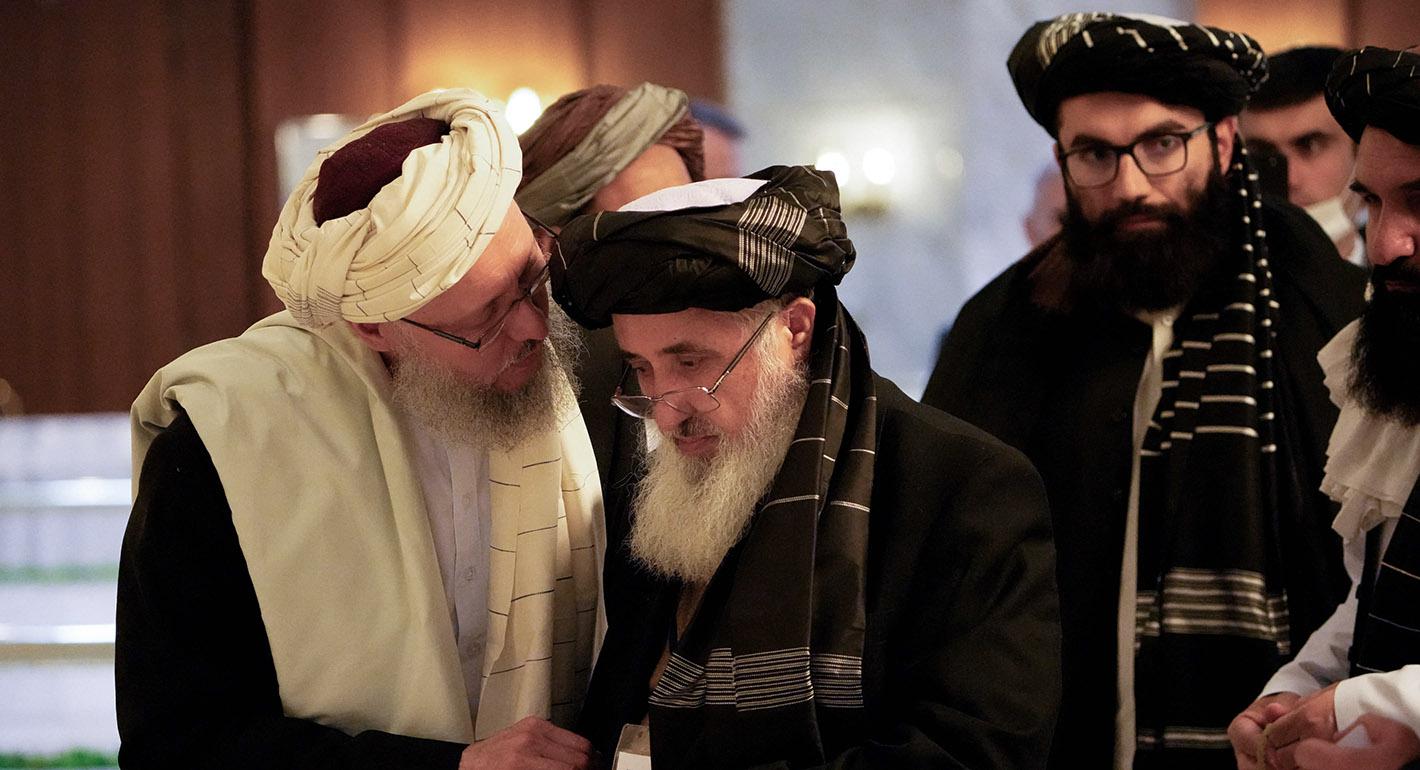
As Russia’s relationship with the West has deteriorated, the Kremlin’s view of the Taliban has changed. But substantive economic cooperation will be hard to achieve.

Ruslan Suleymanov
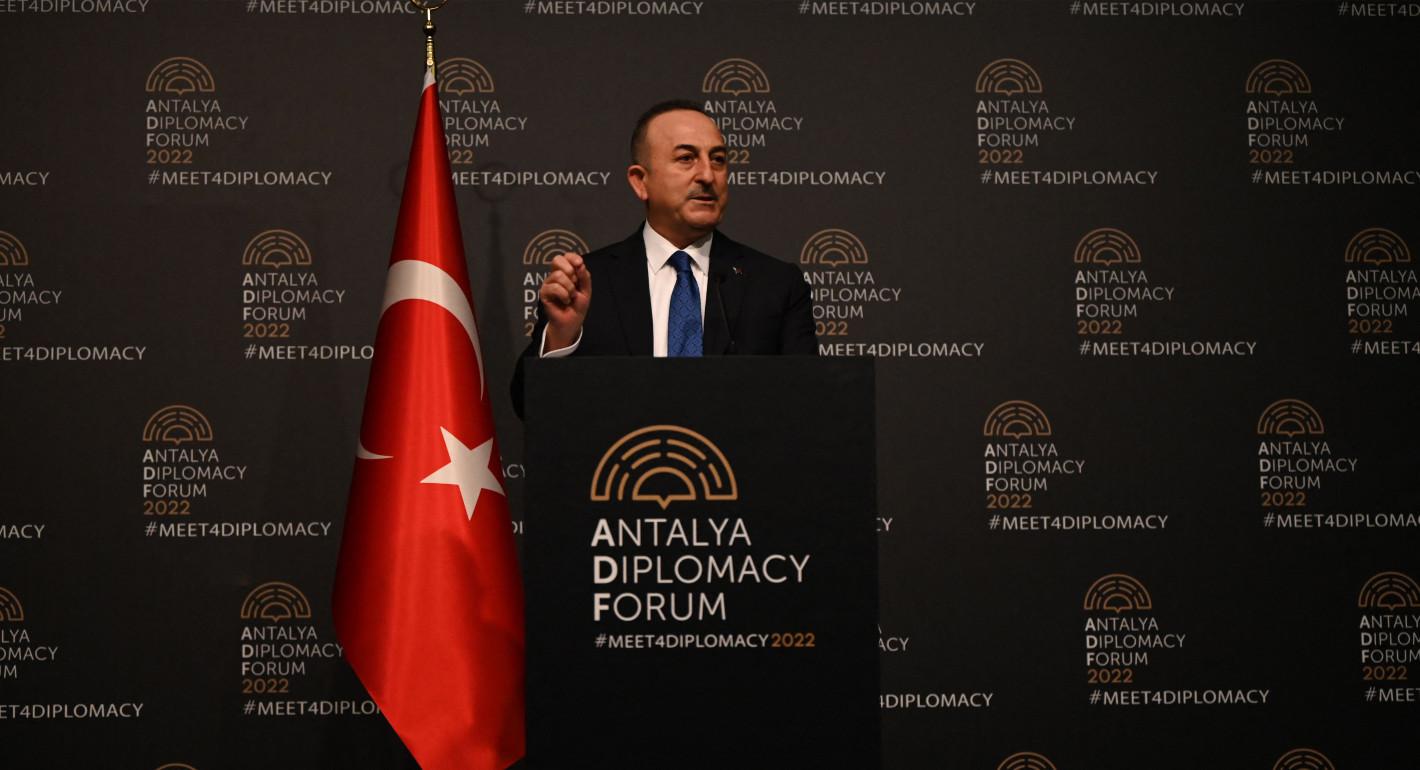
And how Russia’s war has upended ties in China, Turkey, and the Arctic.



Judy Dempsey, Alexander Gabuev, Rose Gottemoeller, …
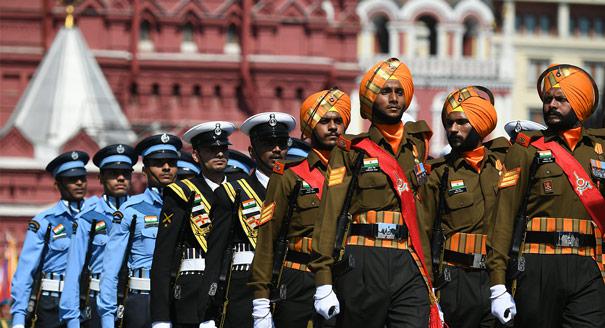
Russian-Indian relations are traditionally good. The chemistry between the leaders is excellent, and members of the public are well disposed toward each other. Economic ties have long been stalling, however, and mutual suspicions have recently been creeping in over India’s relations with America, and Russia’s with China. To make the good relationship truly great, Moscow must rethink, adjust, and upgrade its approach to India. Vladimir Putin’s forthcoming visit to New Delhi could be a starting point.
Dmitri Trenin
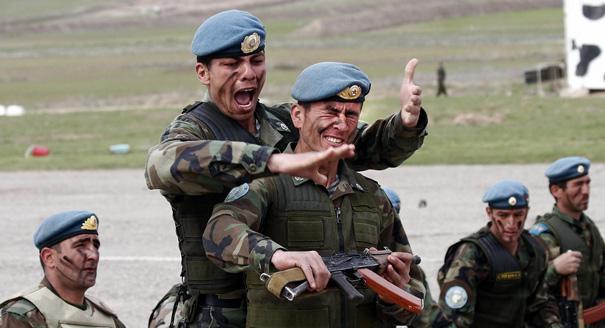
Tajikistan has no intention of getting into a direct confrontation with the Taliban. Rather, by taking a few more risks than its neighbors, the Tajik leadership is counting on boosting its popularity, both at home and abroad.

Temur Umarov
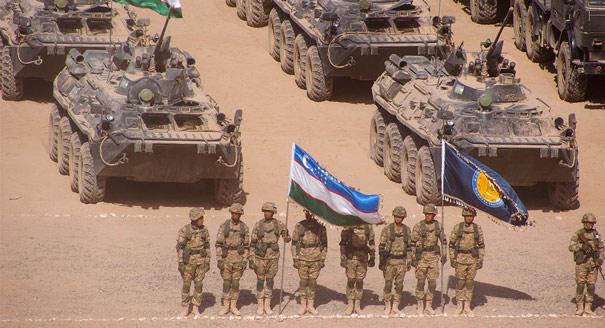
It goes without saying that the crisis in Afghanistan will create new risks for the region, but Central Asia has long lived with chaos on its borders, and already has twenty years of experience in dealing with the Taliban.
Temur Umarov