

Commentary
As Russia’s relationship with the West has deteriorated, the Kremlin’s view of the Taliban has changed. But substantive economic cooperation will be hard to achieve.
Ruslan Suleymanov

REQUIRED IMAGE
There is great uncertainty over the number, location and operational status of the nuclear weapons held by India and Pakistan. The project has prepared a short overview of the two nations' nuclear capabilities drawn from extensive analysis from the latest Carnegie study, Deadly Arsenals: Tracking Weapons of Mass Destruction.
There is great uncertainty over the number, location and operational status of the nuclear weapons held by India and Pakistan. The project has prepared a short overview of the two nations' nuclear capabilities drawn from extensive analysis from the latest Carnegie study, Deadly Arsenals: Tracking Weapons of Mass Destruction.
For the Nuclear Overview, Please Click Here
Additional Resources:
Click Here to Return to Proliferation News
Carnegie does not take institutional positions on public policy issues; the views represented herein are those of the author(s) and do not necessarily reflect the views of Carnegie, its staff, or its trustees.
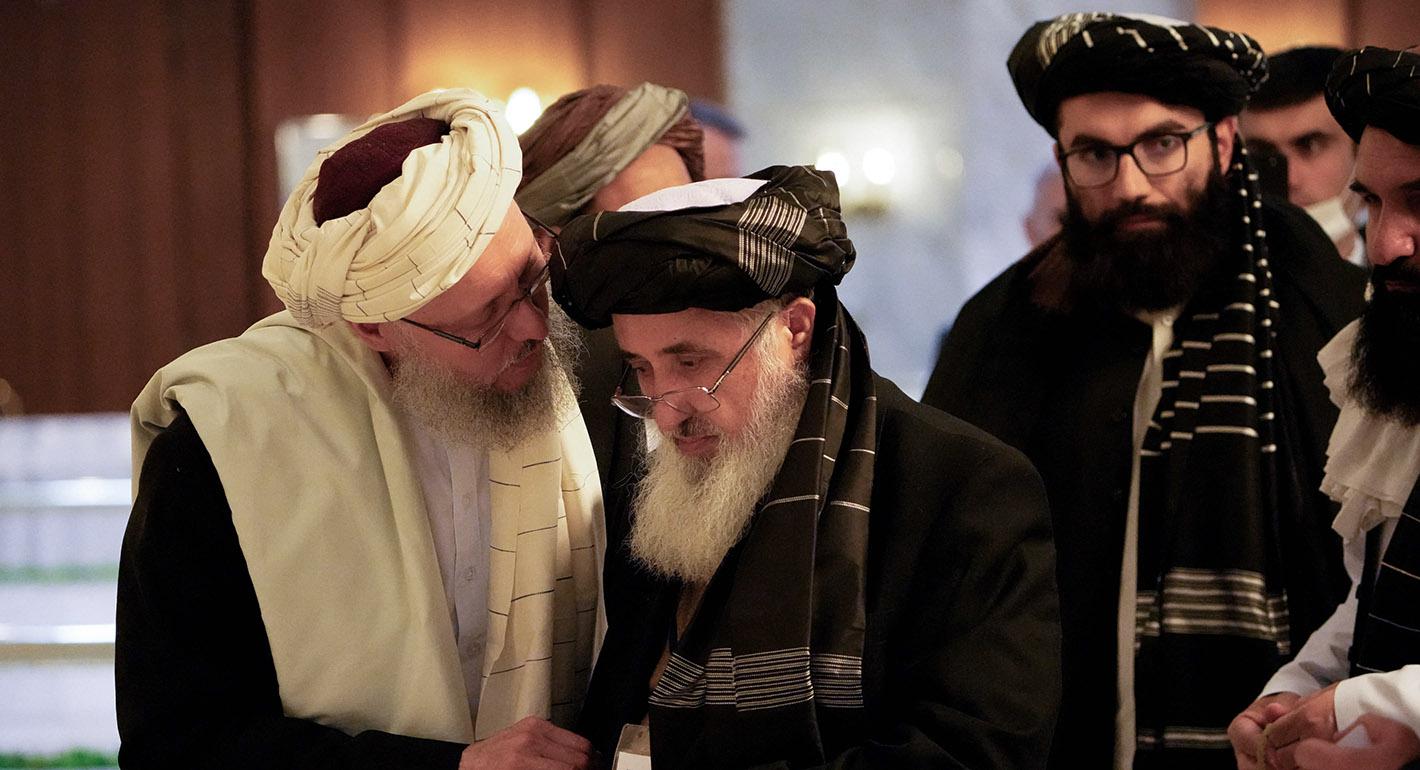
As Russia’s relationship with the West has deteriorated, the Kremlin’s view of the Taliban has changed. But substantive economic cooperation will be hard to achieve.

Ruslan Suleymanov
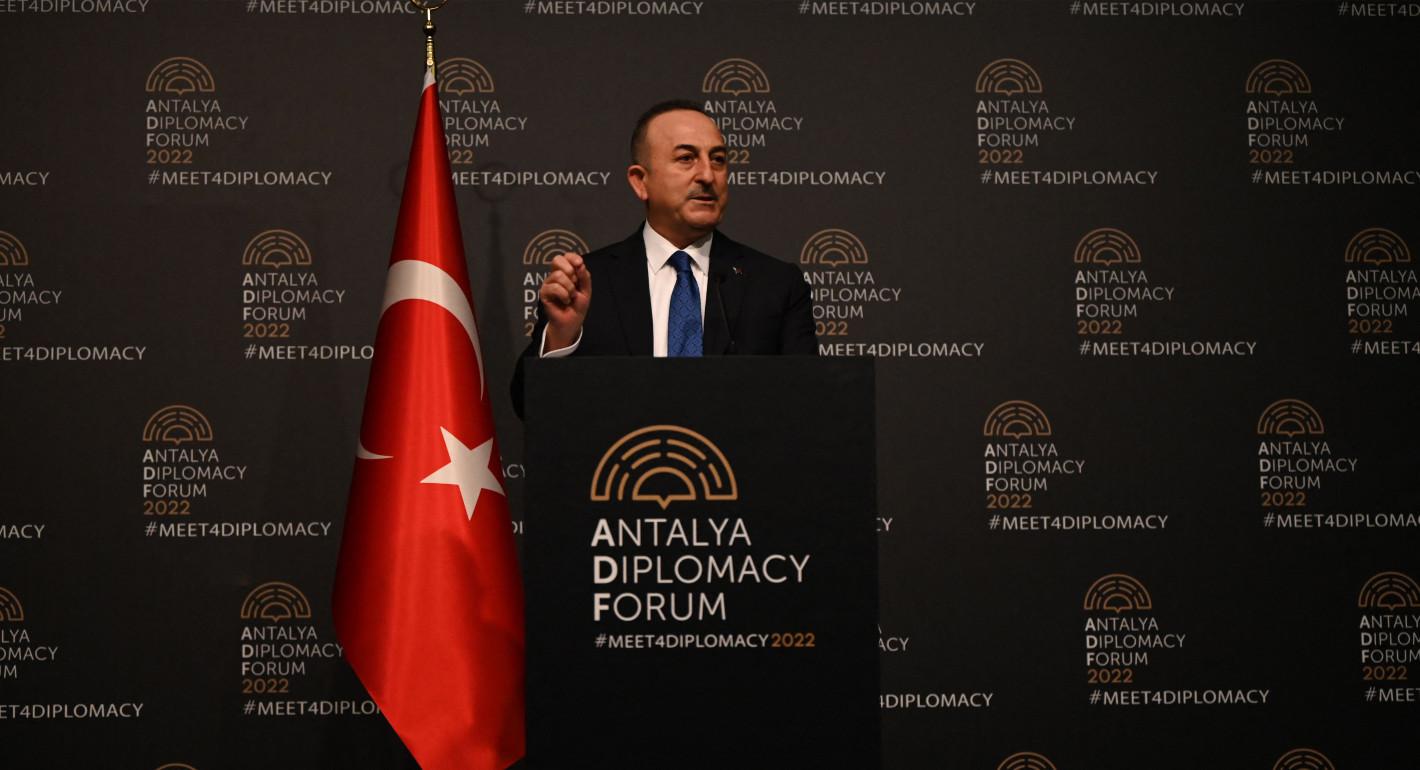
And how Russia’s war has upended ties in China, Turkey, and the Arctic.



Judy Dempsey, Alexander Gabuev, Rose Gottemoeller, …
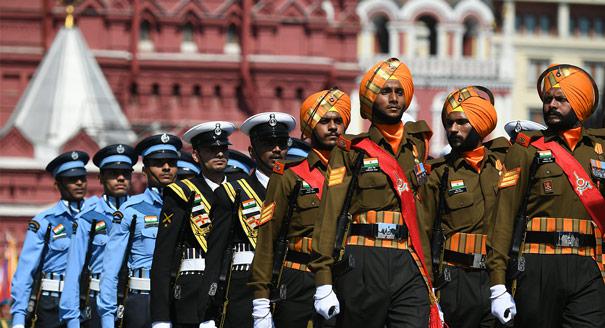
Russian-Indian relations are traditionally good. The chemistry between the leaders is excellent, and members of the public are well disposed toward each other. Economic ties have long been stalling, however, and mutual suspicions have recently been creeping in over India’s relations with America, and Russia’s with China. To make the good relationship truly great, Moscow must rethink, adjust, and upgrade its approach to India. Vladimir Putin’s forthcoming visit to New Delhi could be a starting point.
Dmitri Trenin
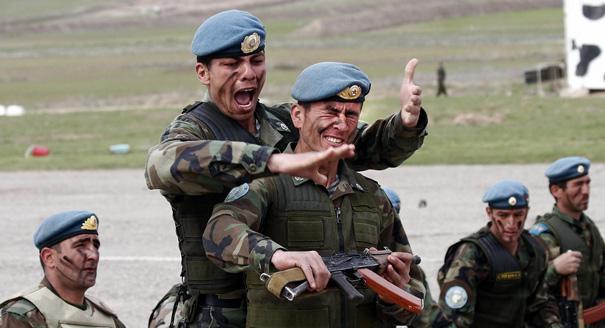
Tajikistan has no intention of getting into a direct confrontation with the Taliban. Rather, by taking a few more risks than its neighbors, the Tajik leadership is counting on boosting its popularity, both at home and abroad.

Temur Umarov
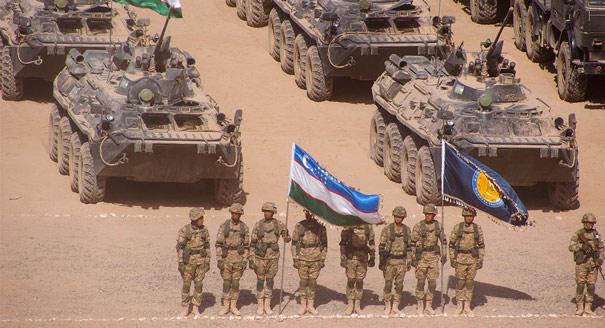
It goes without saying that the crisis in Afghanistan will create new risks for the region, but Central Asia has long lived with chaos on its borders, and already has twenty years of experience in dealing with the Taliban.
Temur Umarov