

Article
Frederic Grare

REQUIRED IMAGE
Source: Carnegie Endowment
Summary
A new conflict is emerging in Baluchistan, a vast yet sparsely populated Pakistani province, straddling three countries: Pakistan, Iran, and Afghanistan. This instability has potential implications for the United States, as it is a launching pad for U.S. military operations against Islamic terrorism.
In a new Carnegie Paper, Pakistan: The Resurgence of Baluch Nationalism, Visiting Scholar Frédéric Grare provides insight to the numerous factors that have led to the complex struggle between the Pakistani government and the Baluch population’s fight for independence. Were Baluchistan to become independent, Pakistan would lose a major part of its natural resources and Baluchistan would become a new zone of instability in the region.
Click on link above for the full text of this Carnegie Paper.
About the Author
Frederic Grare is a visiting scholar with the Global Policy Project at the Carnegie Endowment. He has written extensively on security issues, Islamist movements, and sectarian conflict in Pakistan and Afghanistan.

Former Nonresident Senior Fellow, South Asia Program
Frédéric Grare was a nonresident senior fellow at the Carnegie Endowment for International Peace, where his research focuses on Indo-Pacific dynamics, the search for a security architecture, and South Asia Security issues.
Recent Work
Frederic Grare
Frederic Grare
Carnegie does not take institutional positions on public policy issues; the views represented herein are those of the author(s) and do not necessarily reflect the views of Carnegie, its staff, or its trustees.
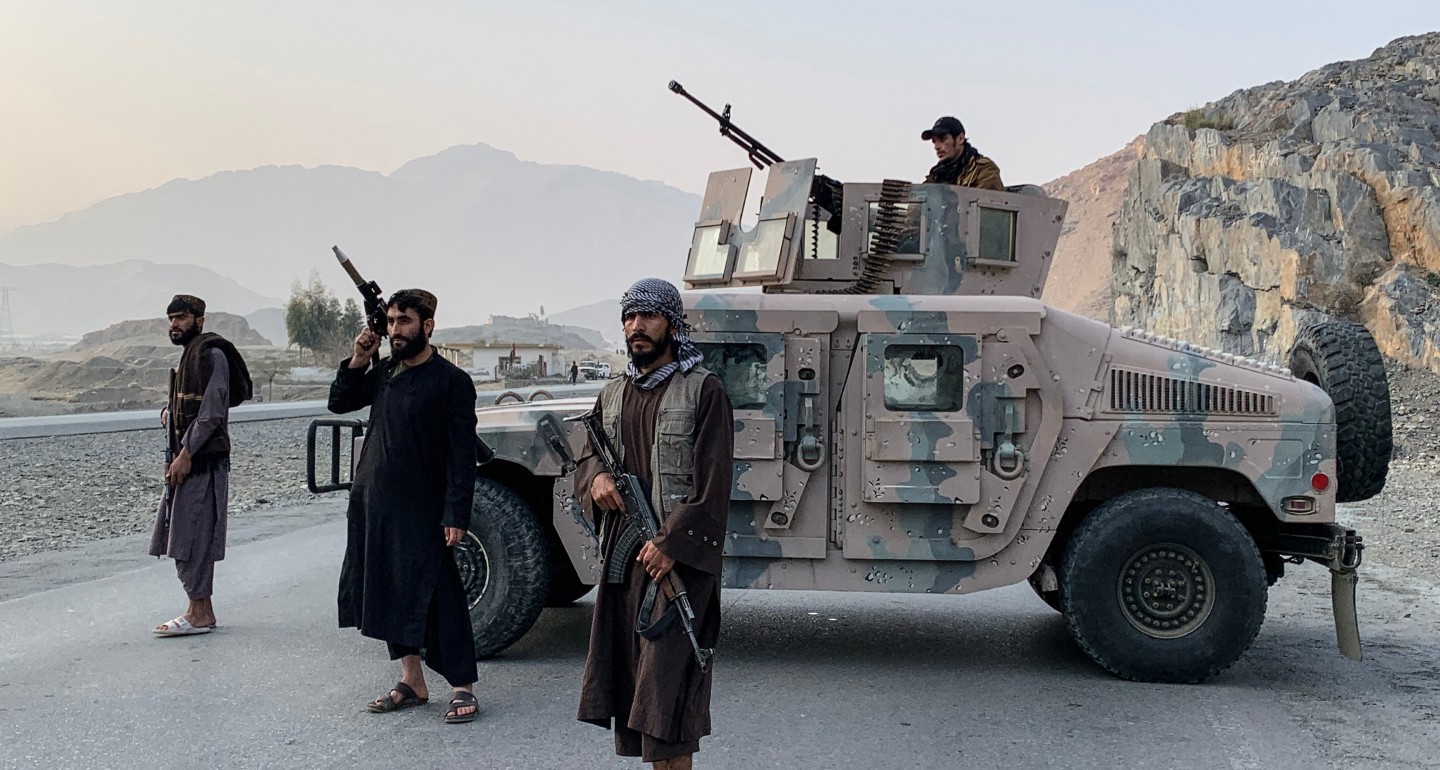
Not only does the fighting jeopardize regional security, it undermines Russian attempts to promote alternatives to the Western-dominated world order.

Ruslan Suleymanov
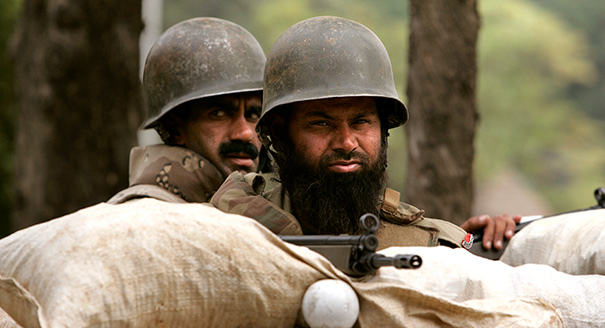
Recent developments in Russia-Pakistan relations seem to create a false impression of solid cooperation, which simultaneously irritates a few third countries. This is why Russia needs to rethink not only its policy towards Islamabad, but the region as a whole.
Petr Topychkanov
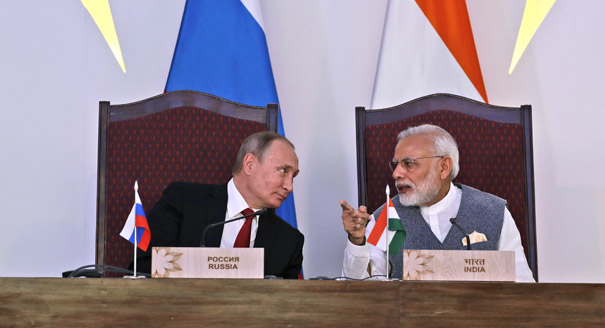
Russia badly needs to produce a long-term strategy towards India and the region of south Asia, and to stop thinking about India and Pakistan tactically and separately.
Petr Topychkanov
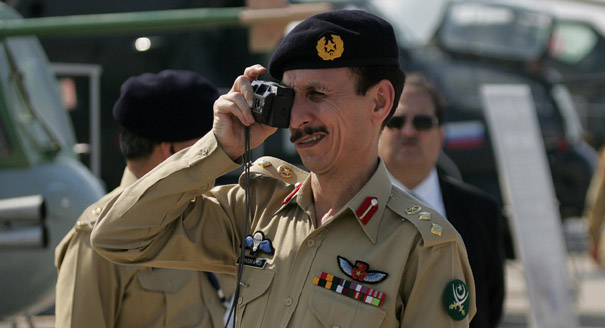
Russia's recent military exercises with Pakistan showed that Moscow still views many international issues through the prism of its relations with the U.S. Such a position might put Russia-India relations at risk.
Petr Topychkanov
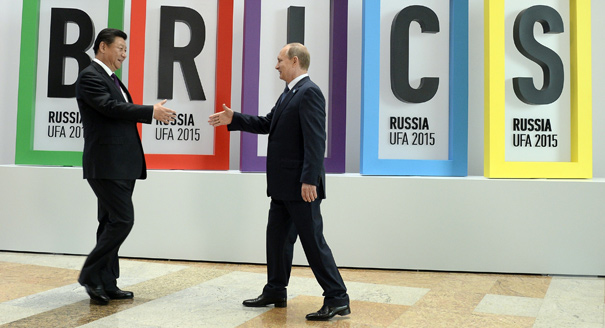
Before India and Pakistan enter the SCO, Russia and China should make an effort to help them prevent future conflicts. Failing to help manage the relationship now carries a serious risk for the entire SCO project started by Beijing and Moscow 15 years ago. So, China and Russia owe it to themselves to begin defusing tensions between their partners.
Dmitri Trenin