

Commentary
For the Middle Corridor to fulfill its promises, one of these routes must become scalable. At present, neither is.
Friedrich Conradi
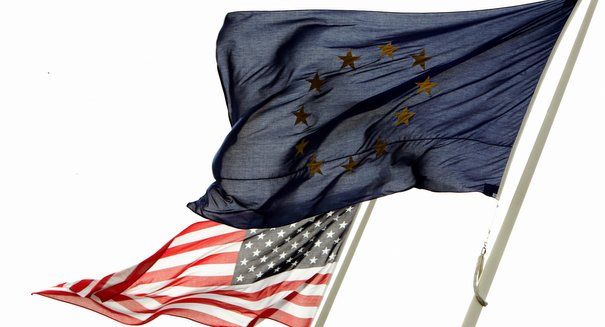
Source: Getty
The leaders of the European Union should begin an open dialogue to increase Europe’s global engagement and seek a new strategic unity with the United States.
John Kornblum is a former U.S. ambassador to Germany.
To reinvigorate debate over European foreign policy and Europe’s role in the world, Carnegie Europe is publishing a series of essays from leading policymakers, diplomats, experts, and journalists on Strategic Europe over the coming weeks. A new essay will appear every day.
John Kornblum
Centre for Strategic and International Studies
Carnegie does not take institutional positions on public policy issues; the views represented herein are those of the author(s) and do not necessarily reflect the views of Carnegie, its staff, or its trustees.
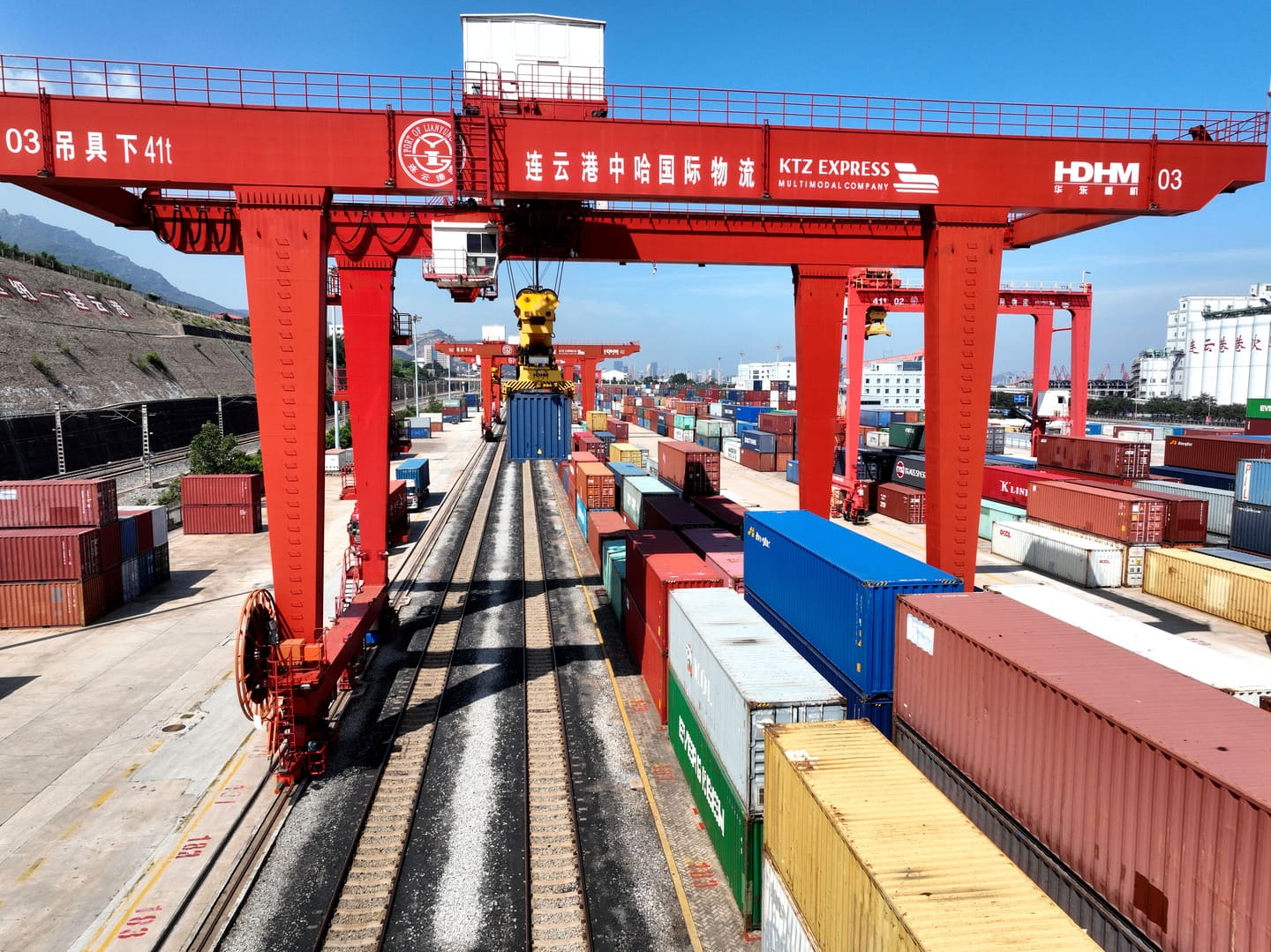
For the Middle Corridor to fulfill its promises, one of these routes must become scalable. At present, neither is.
Friedrich Conradi
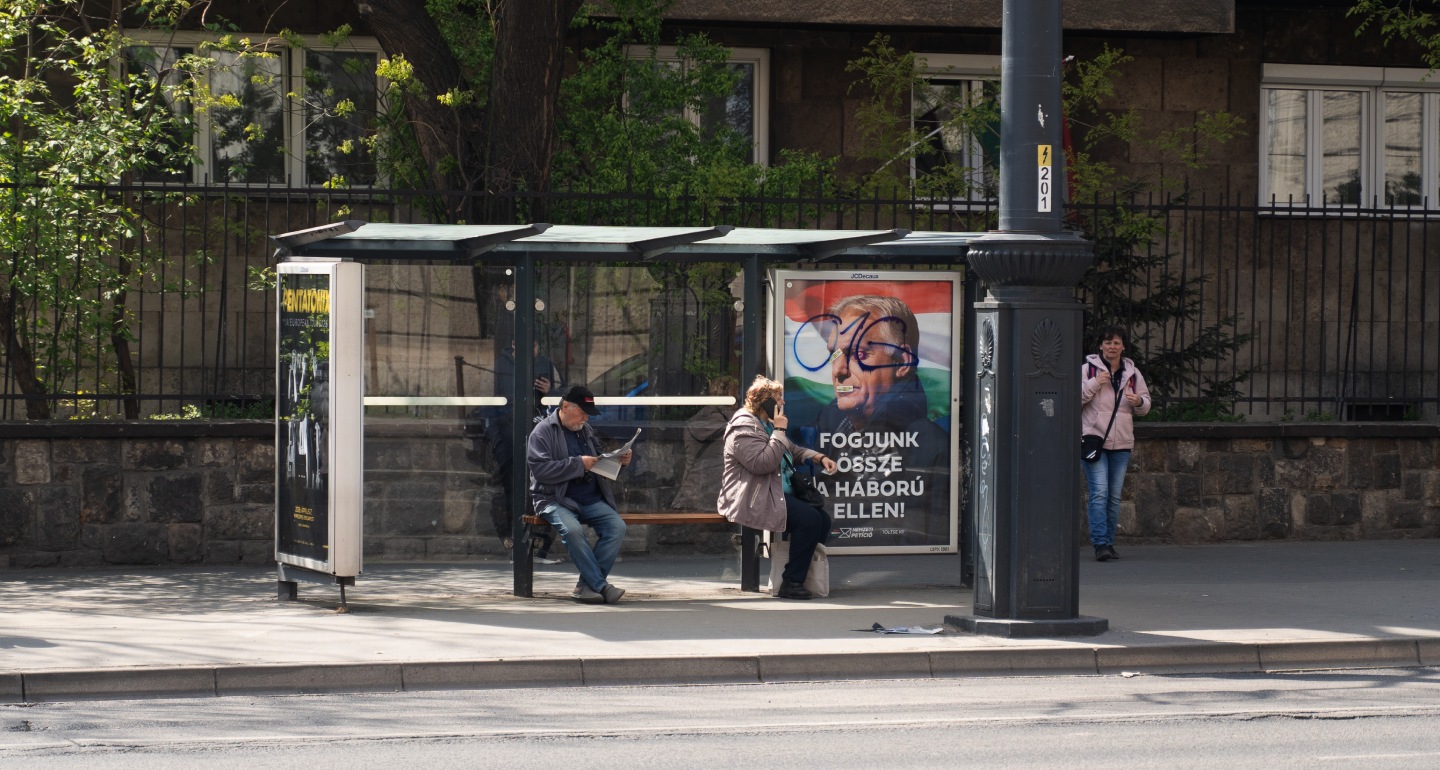
Orbán created an image for himself as virtually the only opponent of aid to Ukraine in the entire EU. But in reality, he was simply willing to use his veto to absorb all the backlash, allowing other opponents to remain in the shadows.
Maksim Samorukov
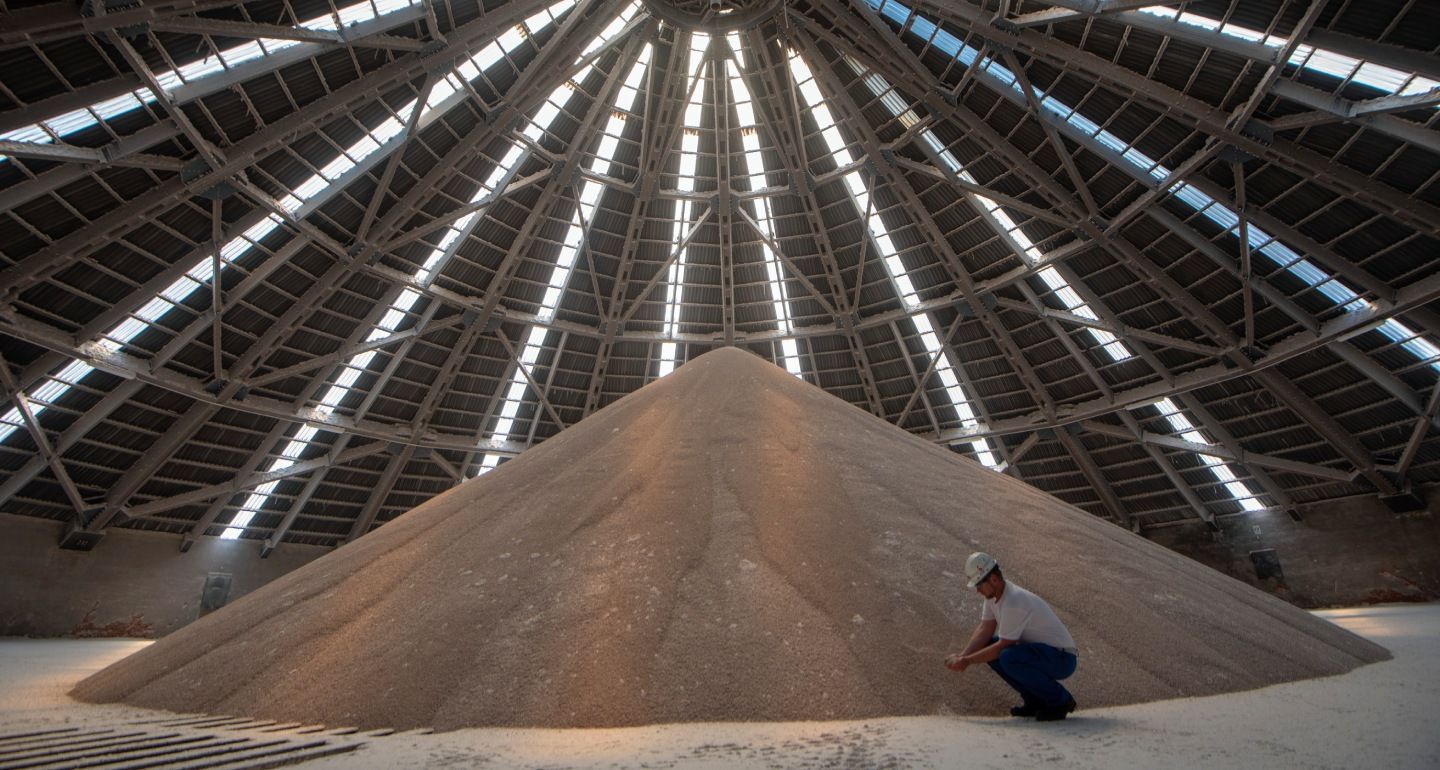
What should happen when sanctions designed to weaken the Belarusian regime end up enriching and strengthening the Kremlin?

Denis Kishinevsky
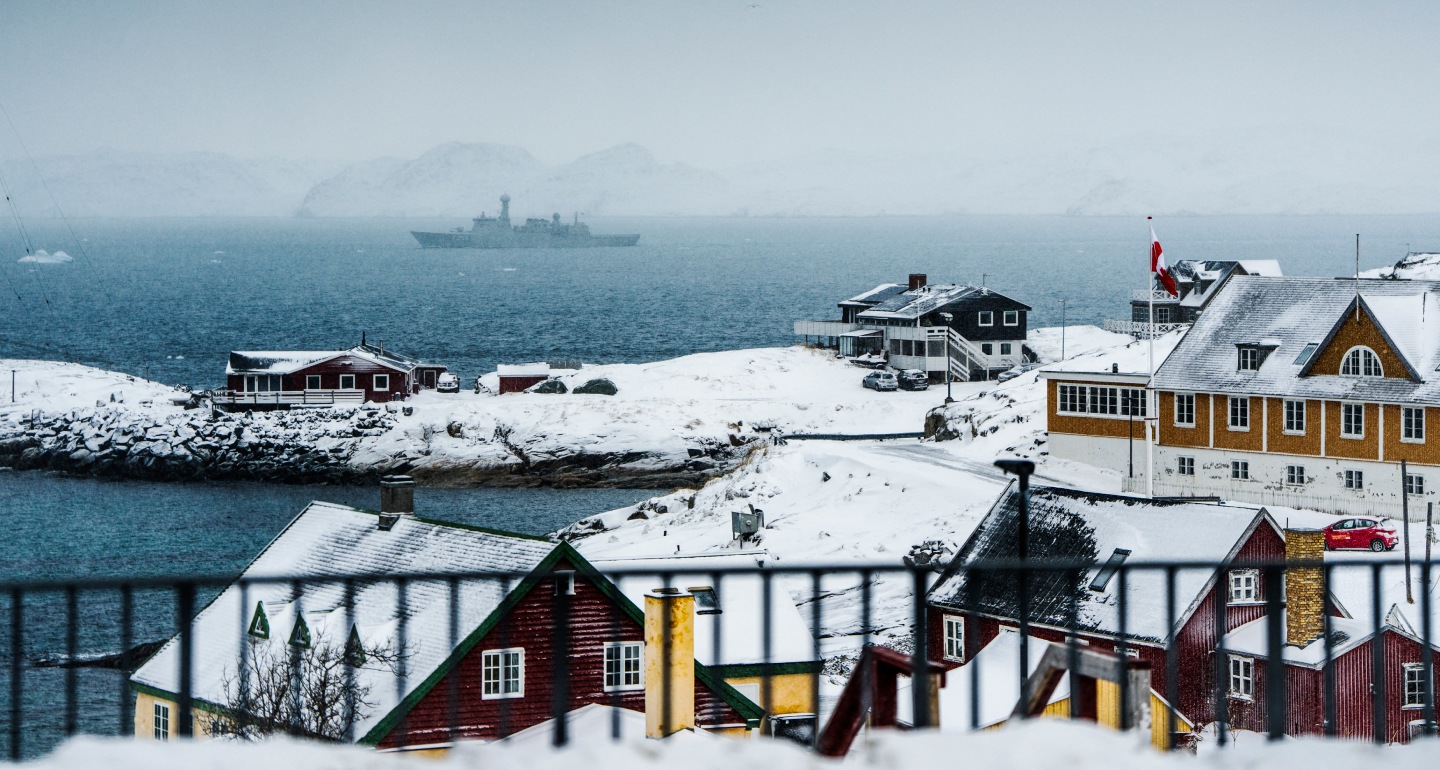
The supposed threats from China and Russia pose far less of a danger to both Greenland and the Arctic than the prospect of an unscrupulous takeover of the island.
Andrei Dagaev
Western negotiators often believe territory is just a bargaining chip when it comes to peace in Ukraine, but Putin is obsessed with empire-building.

Andrey Pertsev