

Paper
George Perkovich
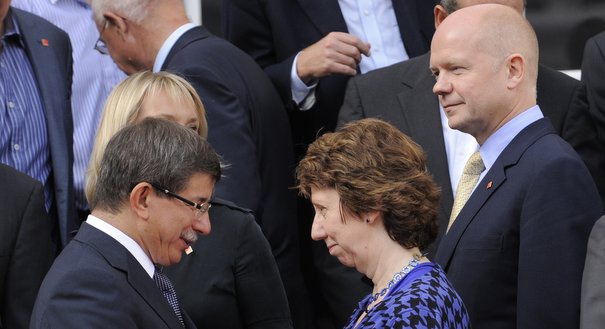
Source: Getty
The greatest contribution Europe can make to strategic global affairs would be to reaffirm its singular model of a peaceful political, economic, and cultural integration.
I am not sure what “strategic Europe” means, but I think it has something to do with the projection of power. The question then becomes what sort of power can and should Europe project, and for what objectives?
Power is the capacity to achieve your preferences and not to have other people’s preferences dictated on you. More ambitiously, power is the capacity to induce or coerce others to do what you want, or at least to feel they must compromise to accommodate your preferences.
Military power enables you to destroy people and things if they are threatening you or, potentially, if they don’t do what you want. But the norms, laws, and interests of twenty-first-century Europe limit the utility of military power. Moreover, the major challenges on Europe’s borders and beyond are challenges of “construction,” not destruction. To facilitate political reform in the Arab world and greater employment opportunities for Arab youth. To stabilize and pacify Israel’s relations with Palestine and other neighboring states. To motivate Iran’s decision-makers to provide objective guarantees that their nuclear program is peaceful and that Iran will be a constructive neighbor. To encourage Turkey to deploy its growing influence in ways that harmonize with Europe and do not conflict with it. To pull current and future Russian leaders toward Western values of the rule of law.
These and other challenges cannot be met at the point of a gun. Europe can influence their outcomes by the force of the example it sets and the economic investment and opportunities it provides. To do this, Europe needs first to reverse the course of recent events that cast doubt on its effectiveness as a union.
The greatest contribution Europe can make to strategic affairs would be to reaffirm its singular model of peaceful political, economic, and cultural integration. This model has come under stress thanks to the sovereign debt crisis, the disjunction between monetary union and political disunion, tensions over immigration and the assimilation of minorities, and divisions over NATO’s missions and funding. If European states can reinvigorate their collective life, they will trigger the magnetic pull of envy and desire that makes others want to emulate Europe’s civilizing features. They will also produce sufficient wealth to underwrite military capabilities and projection.
Think for a minute what makes people regard China as the next great global power. It is not the Chinese Air Force or the Chinese nuclear arsenal. It’s the economy. Everything follows from that. What made the United States the most powerful state in the post‒World War II period was economic primacy. Wealth and technological prowess then provided the wherewithal for a massive and incomparable military. This military superiority was made possible by unrivalled research and development institutions, which themselves often benefited from liberal immigration policies and a society that provides more opportunities for upward mobility than any other. Similarly, Europe’s greatest “strategic” achievement in the past thirty years has been the mostly peaceful liberation and integration of its eastern half. Bombs were dropped in Bosnia and Serbia, but the real power was force of example and pull of wealth.
If putting Europe’s internal house in better order is a mission too “soft” and does not satisfy the desire for harder stuff, let me suggest a simple “hard” security agenda: The twenty-two NATO states (out of twenty-eight total) that do not dedicate at least 2 percent of their GDP to defense should change this. More importantly, European states could actually address the reality that they must rationally and purposefully specialize the functions and capabilities their militaries can provide for the common defense. Current redundancies are self-defeating. Such reforms are what heroic CEOs do when they take over a new business, even if they are not the dreams of political or strategic heroes. Yet, which domain is more important today?
George Perkovich is vice president for studies at the Carnegie Endowment for International Peace.
To reinvigorate debate over European foreign policy and Europe’s role in the world, Carnegie Europe is publishing a series of essays from leading policymakers, diplomats, experts, and journalists on Strategic Europe over the coming weeks. A new essay will appear every day.

Japan Chair for a World Without Nuclear Weapons, Senior Fellow
George Perkovich is the Japan Chair for a World Without Nuclear Weapons and a senior fellow in the Carnegie Endowment for International Peace’s Nuclear Policy Program. He works primarily on nuclear deterrence, nonproliferation, and disarmament issues, and is leading a study on nuclear signaling in the 21st century.
Recent Work
George Perkovich
George Perkovich
Carnegie does not take institutional positions on public policy issues; the views represented herein are those of the author(s) and do not necessarily reflect the views of Carnegie, its staff, or its trustees.
Andrey Melnichenko’s essay offers no answer to the fundamental question of how, under any kind of negotiated settlement, Europe can protect itself from the Russian ressentiment that is inevitable in all scenarios except for an outright victory for Putin.

Leonid Bershidsky
Whether PAS can refocus on the unfinished business of state-building may ultimately prove more consequential for Moldova’s European future than the pace of its accession negotiations.

Balázs Jarábik
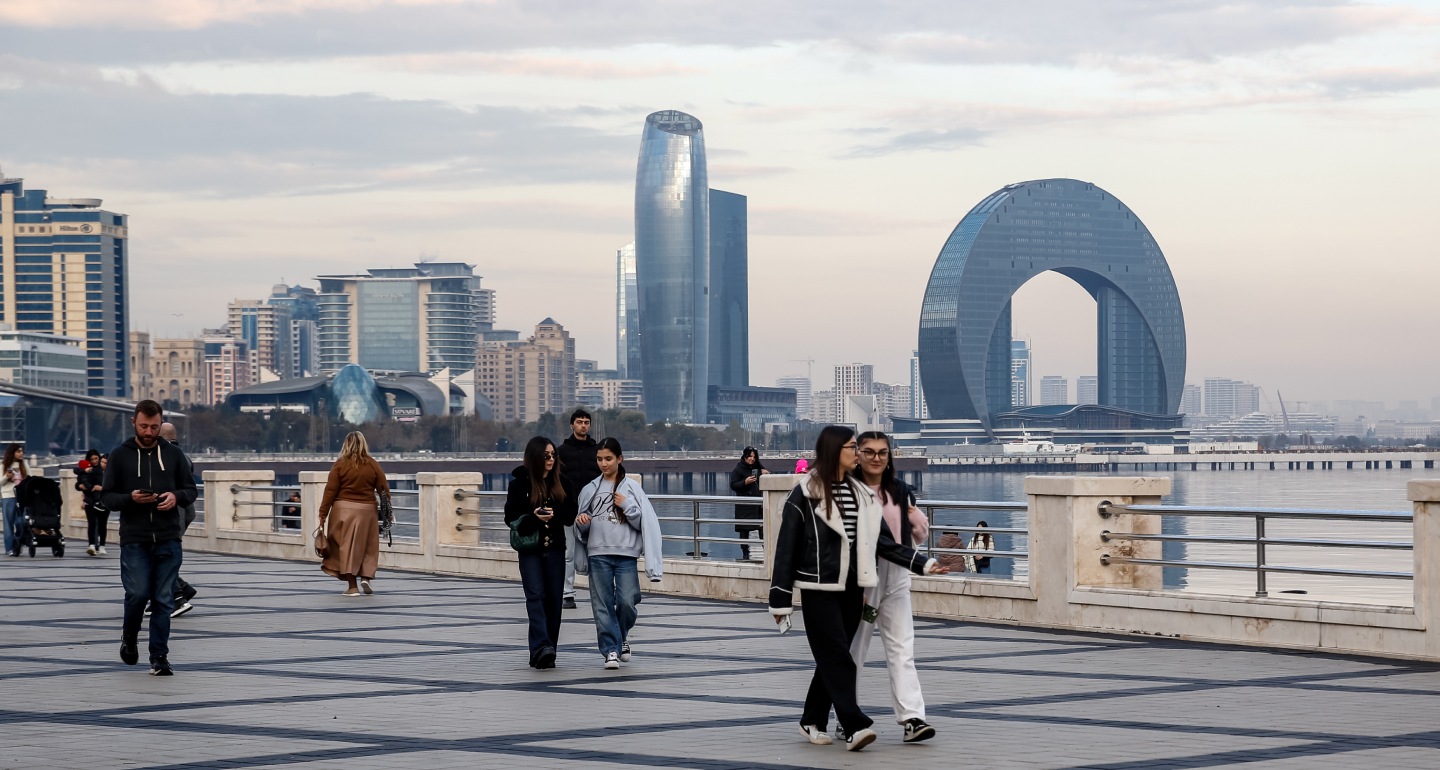
Azerbaijan’s relations with the EU appear to be going from strength to strength after several years in the deep freeze following the military escalation in Karabakh in 2023 and Azerbaijan’s bitter fallout with France and several other EU member states.
Shujaat Ahmadzada
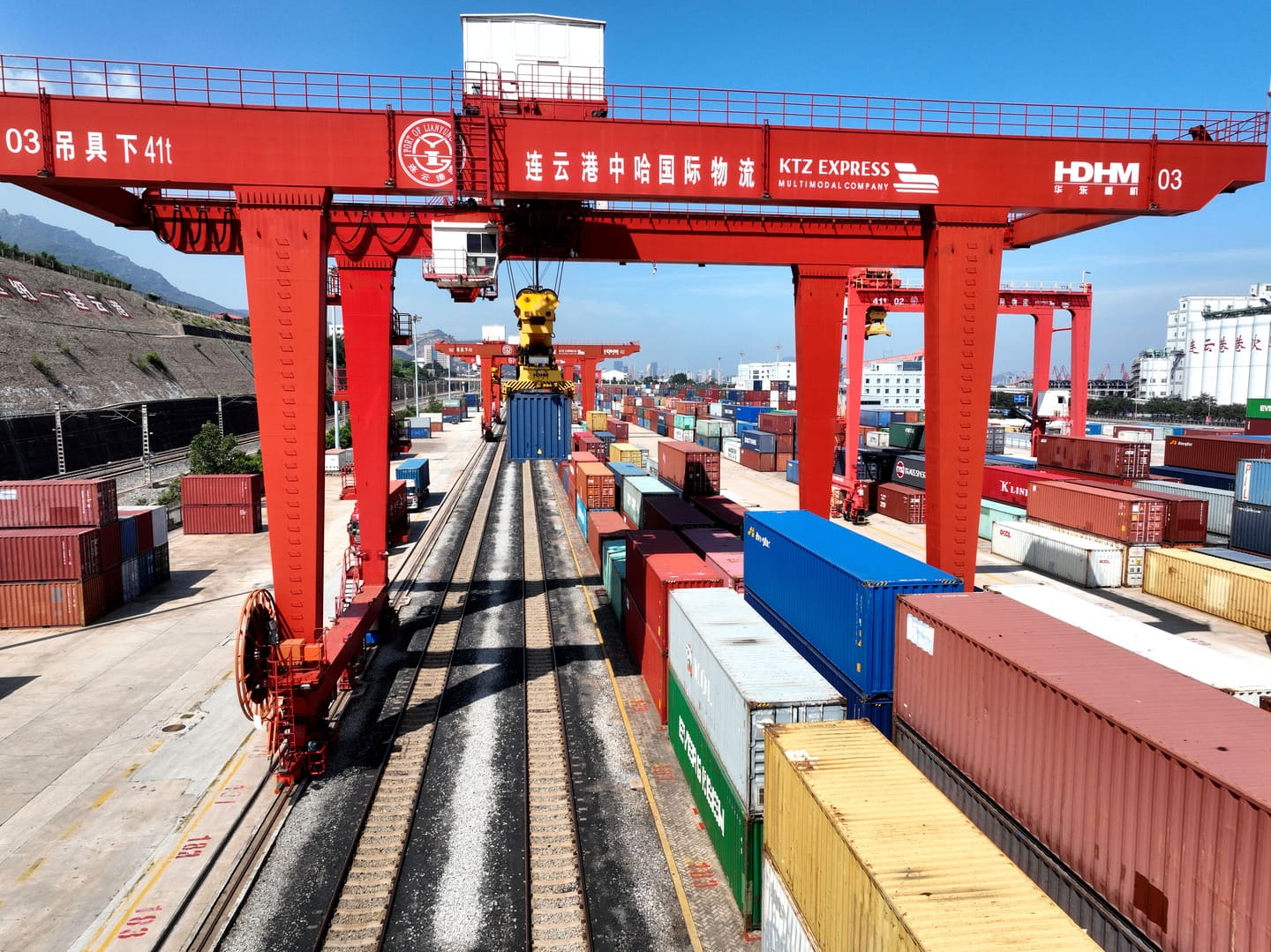
For the Middle Corridor to fulfill its promises, one of these routes must become scalable. At present, neither is.
Friedrich Conradi
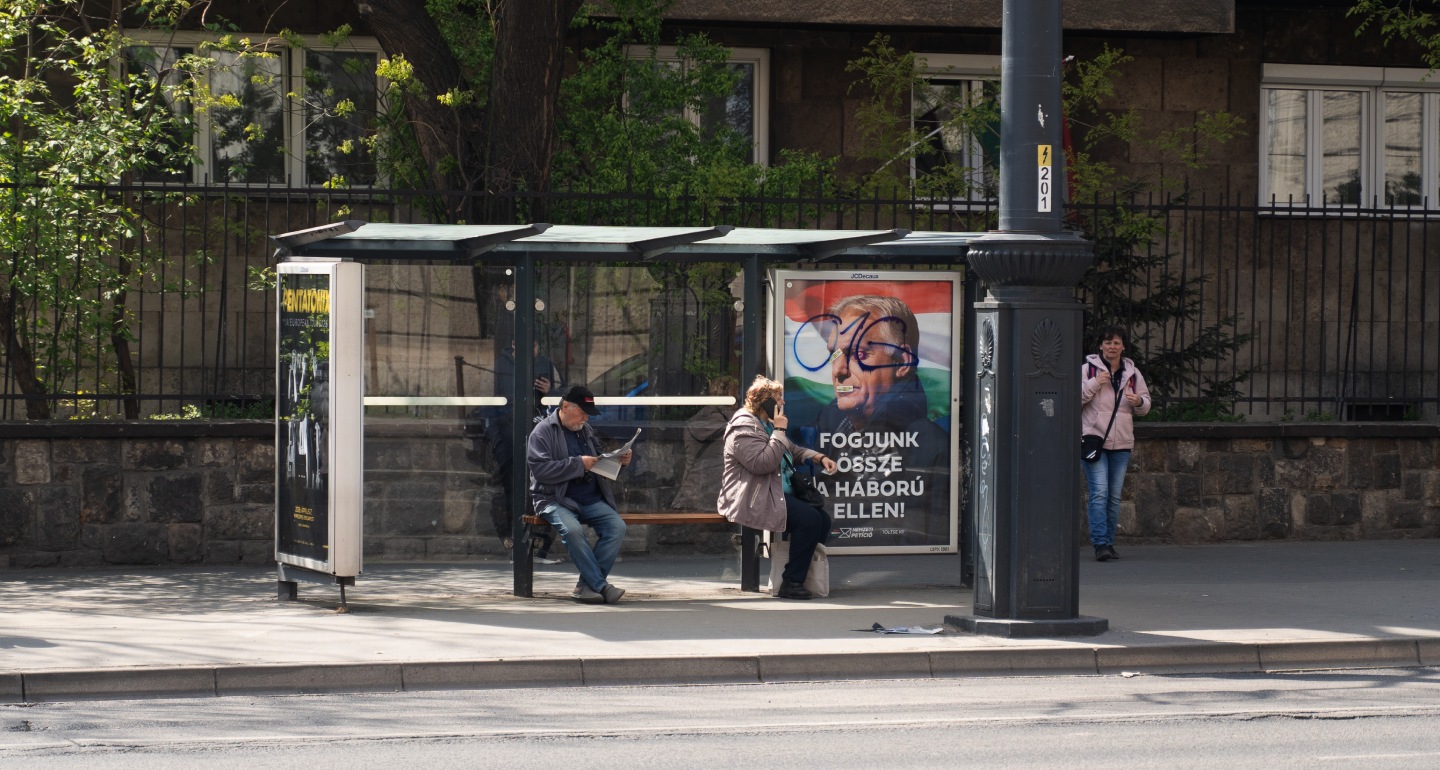
Orbán created an image for himself as virtually the only opponent of aid to Ukraine in the entire EU. But in reality, he was simply willing to use his veto to absorb all the backlash, allowing other opponents to remain in the shadows.
Maksim Samorukov