

Commentary
Russia looks set to reap economic benefits from closer ties with Southeast Asian countries that are keen to find reliable energy suppliers and diversify trade ties.
Alexander Gabuev
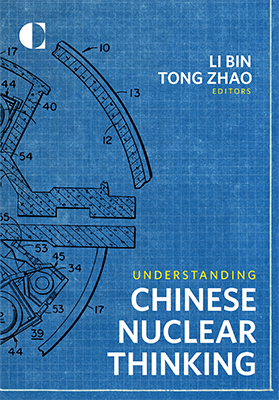
Critical differences between Chinese and U.S. thinking about nuclear weapons and deterrence result not merely from differing security environments and levels of military strength; they also exist because China and the United States have developed their own nuclear philosophies in implementing their security policies over many years.
Chinese and U.S. nuclear experts communicate regularly, but these exchanges often remain difficult and inefficient. Critical differences between Chinese and U.S. thinking about nuclear weapons and deterrence result not merely from differing security environments and levels of military strength; they also exist because China and the United States have developed their own nuclear philosophies in implementing their security policies over many years. A deeper understanding of these differences sheds light on the fundamental drivers of China’s nuclear policies and how such policies may evolve in the future.
China’s no-first-use policy for its nuclear weapons still serves its national security interests. Notwithstanding recent debates, the policy continues to effectively guide China’s nuclear-weapon development and operations, and its nuclear-arms-control diplomacy.
Chinese experts weigh both technical and political factors in their calculation of strategic stability. They especially worry about instability caused by technical lagging. To reduce the danger of nuclear war, Chinese analysts favor the maintenance of an effective firebreak between nuclear weapons and conventional conflict.
China views nuclear proliferation and nuclear terrorism as growing national security challenges. Beijing emphasizes the importance of addressing the root causes of proliferation and supports greater international cooperative efforts to mitigate these risks.
China has made its nuclear policy and practices more transparent in recent years. But such transparency needs to be organized more systematically to make U.S.-China nuclear dialogue more effective.
Other countries’ nuclear-weapon strategies are increasingly influencing traditional Chinese nuclear thinking and nuclear-weapon policy. Consequently, growing debates in China about its nuclear-weapon policy could result in some deployments of new Chinese weapons, as seen in other nuclear-armed states.
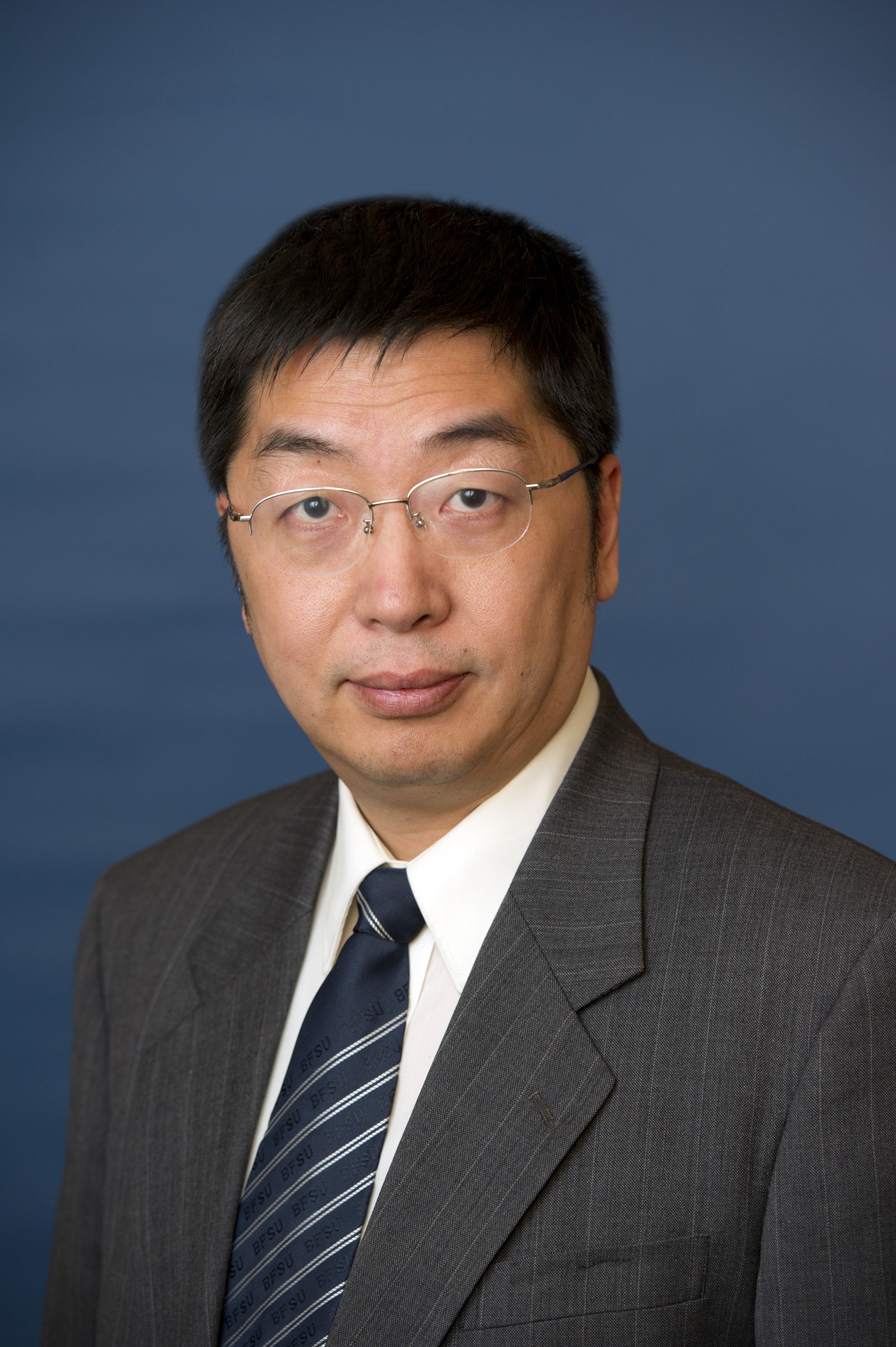
Former Senior Fellow, Nuclear Policy Program and Asia Program
Li was a senior fellow working jointly in the Nuclear Policy Program and Asia Program at the Carnegie Endowment for International Peace.

Senior Fellow with the Nuclear Policy Program and Carnegie China
Tong Zhao is a senior fellow with the Nuclear Policy Program and Carnegie China, Carnegie’s East Asia-based research center on contemporary China. Formerly based in Beijing, he now conducts research in Washington on strategic security issues.
Carnegie does not take institutional positions on public policy issues; the views represented herein are those of the author(s) and do not necessarily reflect the views of Carnegie, its staff, or its trustees.
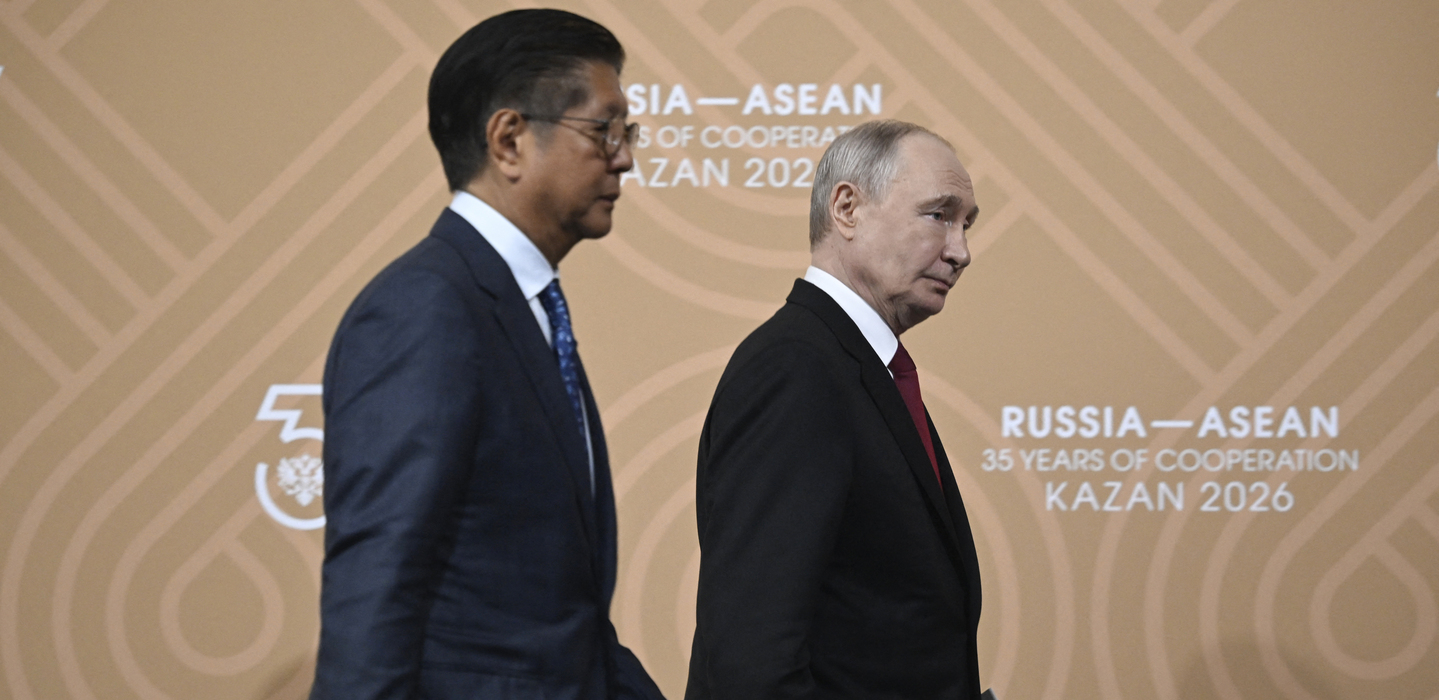
Russia looks set to reap economic benefits from closer ties with Southeast Asian countries that are keen to find reliable energy suppliers and diversify trade ties.

Alexander Gabuev
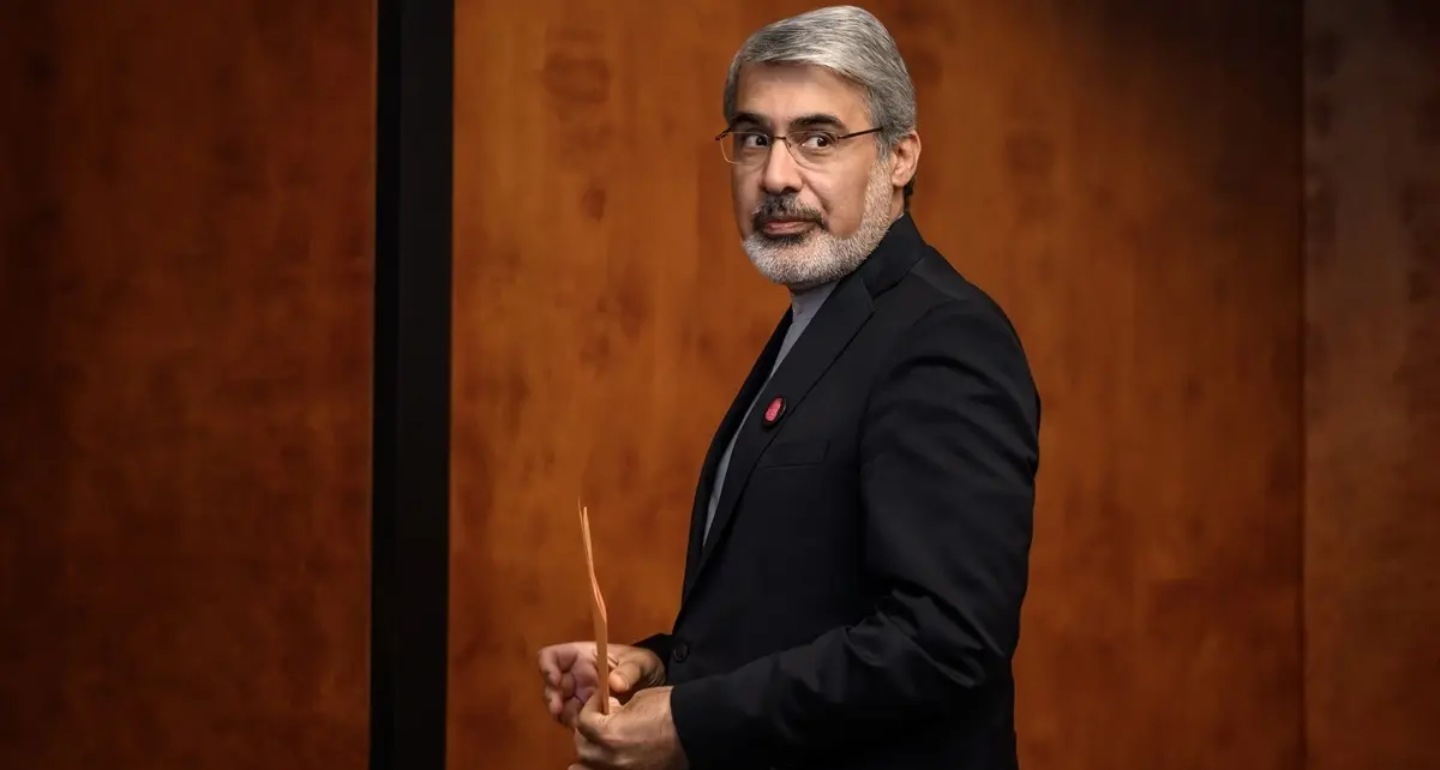
Ongoing uncertainty in the Middle East allows Moscow to both increase its influence in Tehran and continue to enjoy the financial windfall of higher oil prices.

Nikita Smagin
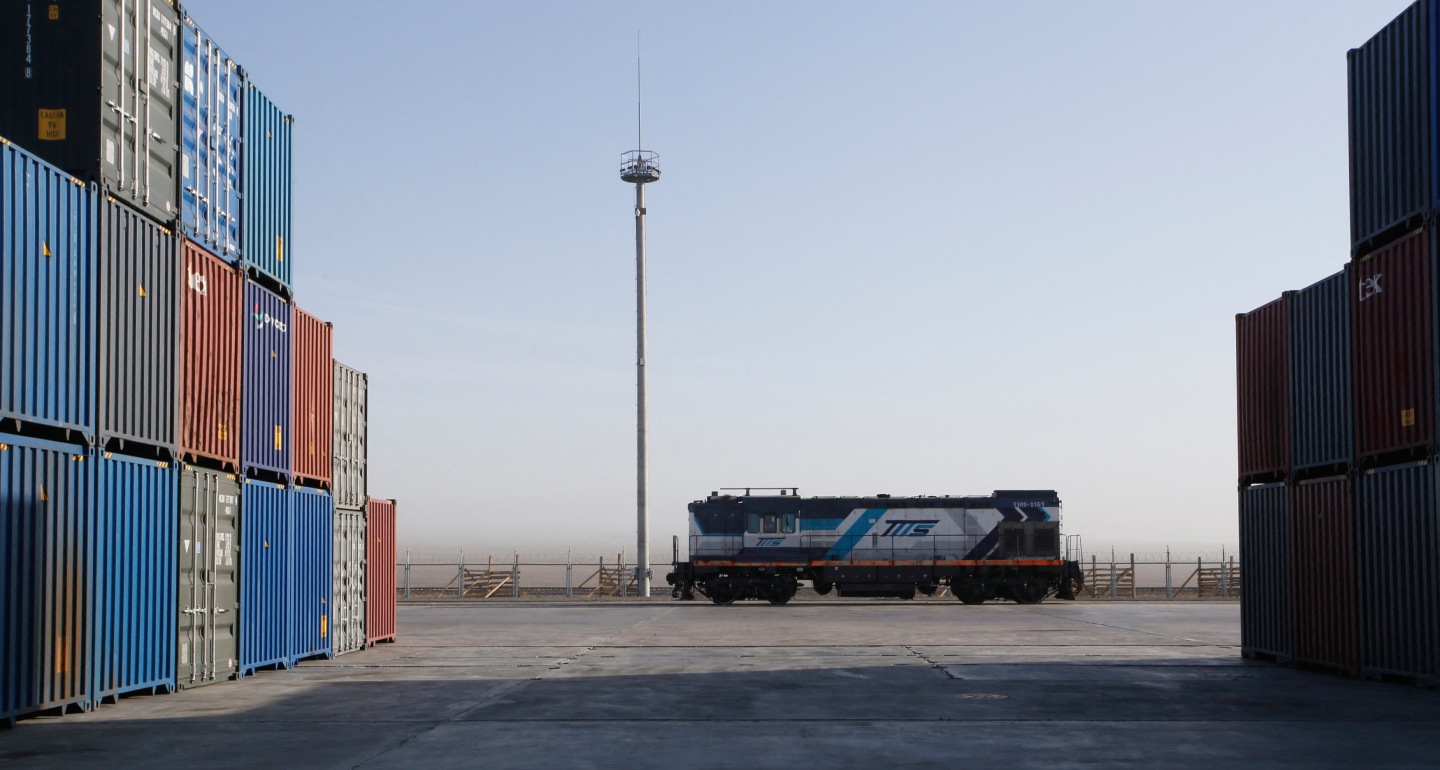
This year’s wars have made alternative routes to transit through Russia no less risky for Central Asian countries.

Galiya Ibragimova
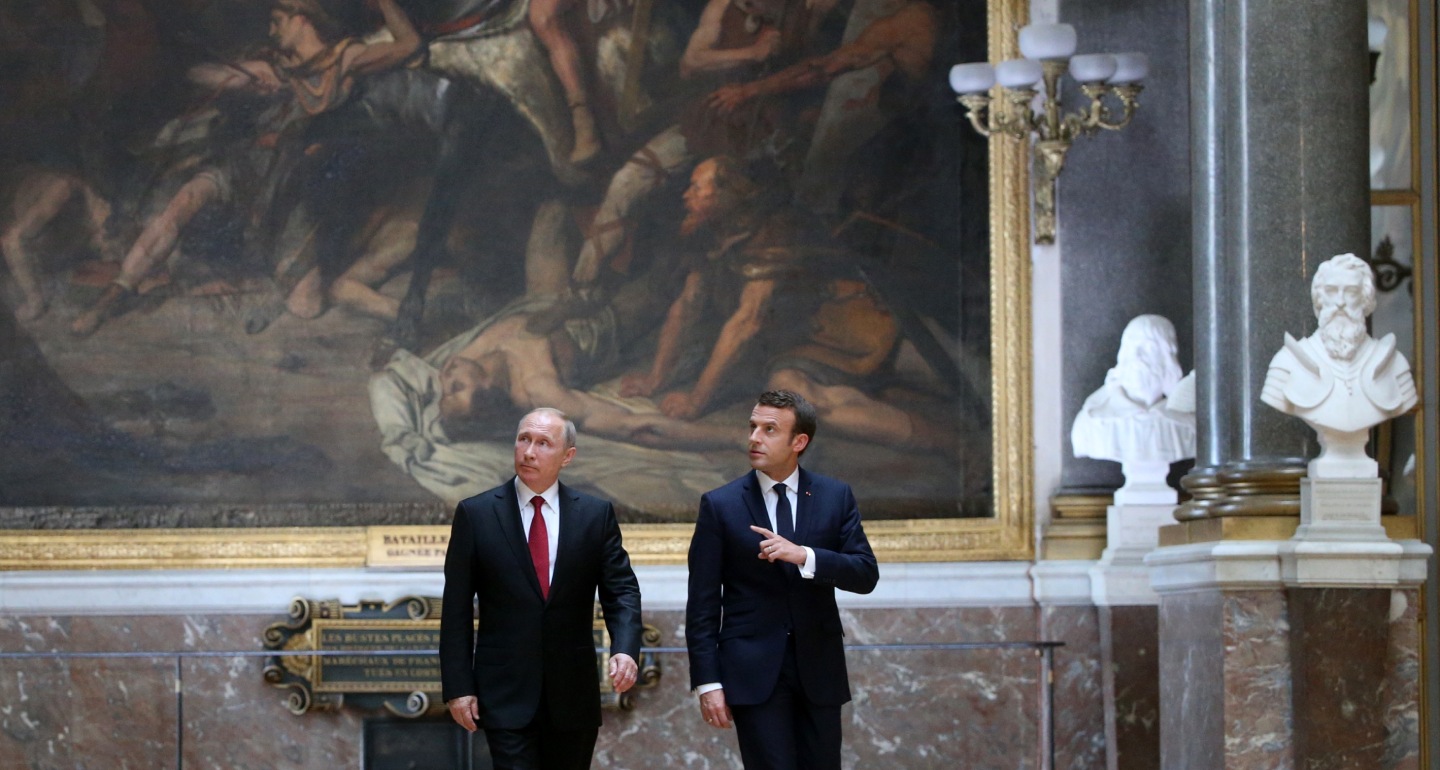
Reestablishing a dialogue with Moscow is not a goal in its own right. The goal is to guarantee the independence of Ukraine and the peace and security of Europe.
Arkady Moshes
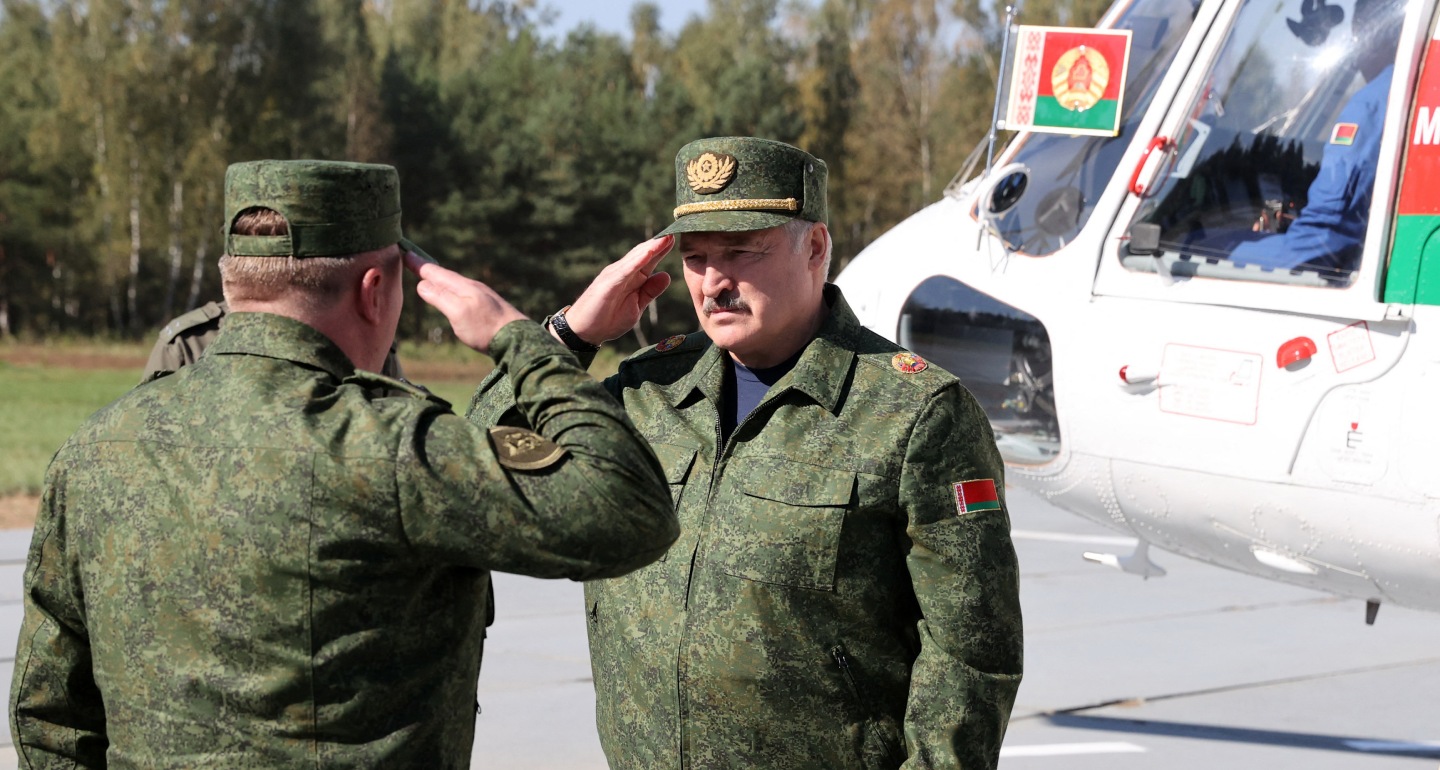
Ukraine’s increasingly confrontational posture on Belarus reflects Kyiv’s effort to shape the emerging regional order in Eastern Europe. Kyiv wants to limit European normalization with Minsk—and any future rapprochement with Russia.

Balázs Jarábik