

Commentary
Chung Min Lee
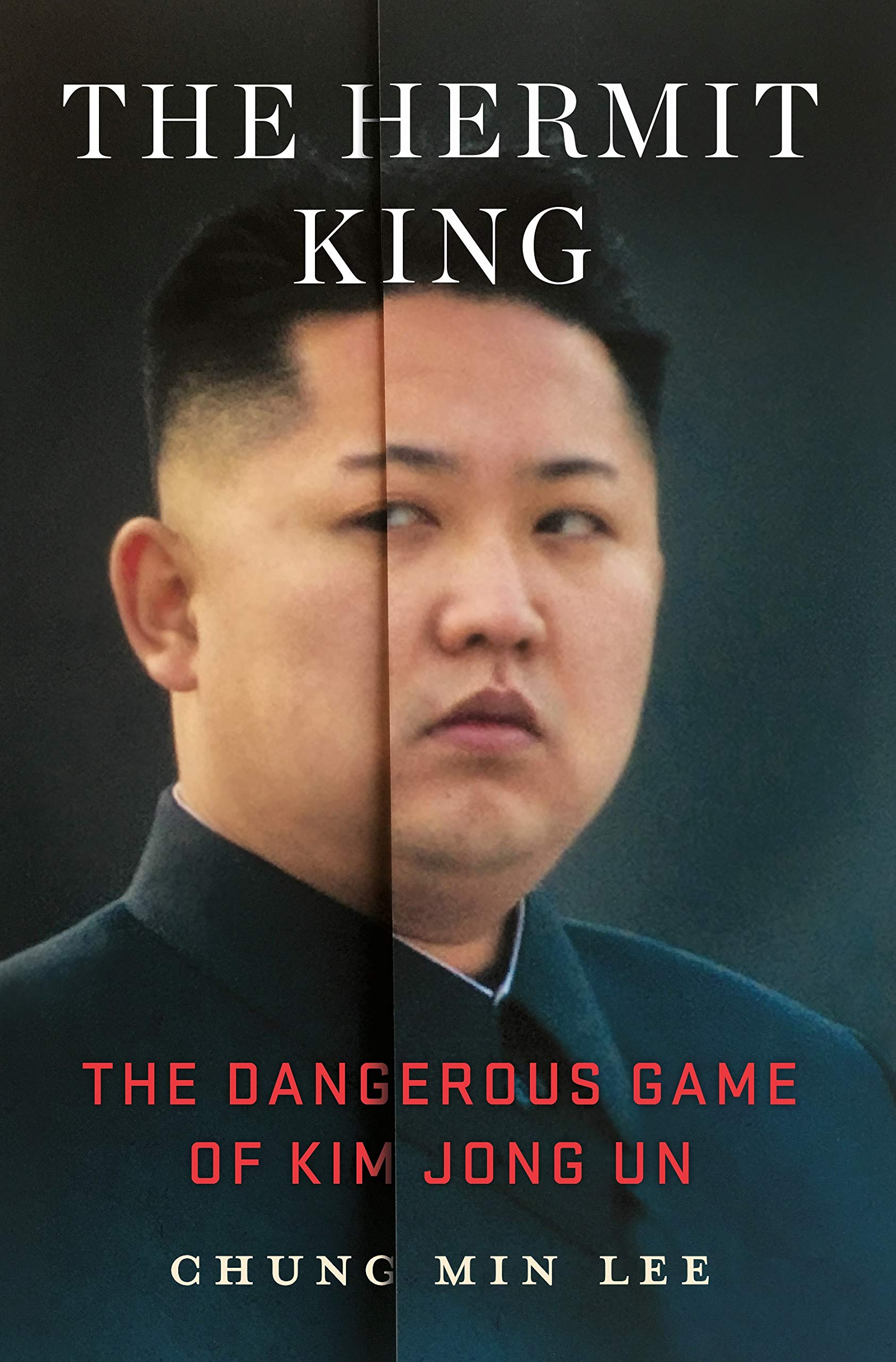
North Korea is poised at the crossroads of history. Which direction will its leader take?
Source: All Points Books
“A chilling portrait of a little understood, often underestimated leader.”–Lesley Williamsy, Booklist Review

North Korea is poised at the crossroads of history. Which direction will its leader take?
The Kim Dynasty is the world’s longest-running family dictatorship ever since North Korea was founded in 1948. North Korea is one huge prison and a Mafia state where the Kim family has clung to power by silencing dissidents, ruling with an iron fist, and holding its neighbors hostage with nuclear weapons. If he really wants to change North Korea, Kim Jong Un has to dismantle North Korea totalitarian system but he can’t. As this central dilemma worsens, however, Kim’s status as a living God will inexorably weaken.
In The Hermit King, Asian geopolitical expert Chung Min Lee tells the story of the rise of the Kim Dynasty and its atrocities, motivations, and diplomatic goals. He also discusses the possible outcomes of its aggressive standoff with the world superpowers.
Kim Jong Un is not a crazed "Rocket Man" or a bumbling despot; he has been groomed since birth to take control of his country and stay in power at all costs. He is now at a fateful crossroads. Will he make good on decades of threats, liberalize North Korea and gain international legitimacy, or watch his regime crumble around him? Lee analyzes the likelihood and consequences of each of these possibilities, cautioning that in the end, Kim won’t be able to maintain totalitarian control. The Hermit King is a thoughtful and compelling look at the world’s most dangerous and complicated military-political problem.
Order Now“Critical reading for anyone interested in the future of the Korean Peninsula… Refreshing, honest and steeped in the analytic judgements of a long-time watcher of the hermit kingdom.”–Evan Medeiros, Penner Family Chair in Asian Studies, Georgetown University
“Full of insights too often missed in the recent focus on North Korea’s nuclear threat and Trump-Kim summitry. Lee not only highlights the history, culture and context that has shaped Kim Jong Un, but explains why Kim faces an enormous ‘Catch-22’ in pursuing economic transformation of his country while maintaining his grip on power. A stimulating and highly readable contribution.”–Kathleen Stephens, former U.S. Ambassador to South Korea<
“A breakout book from an author with more than thirty years of experience as one of Asia’s top security experts. No one in South Korea can tell the North Korean story to an American audience more compellingly than Chung Min Lee.”–Hyun In-taek, Professor of International Relations, Korea University and former Minister of Unification
“A comprehensive and up-to-date picture of North Korea under Kim Jong Un. If one wants to make sense of recent news concerning North Korea, this book is a must-read.”–Andrei Lankov, Professor of North Korean Studies, Kukmin University and author of The Real North Korea
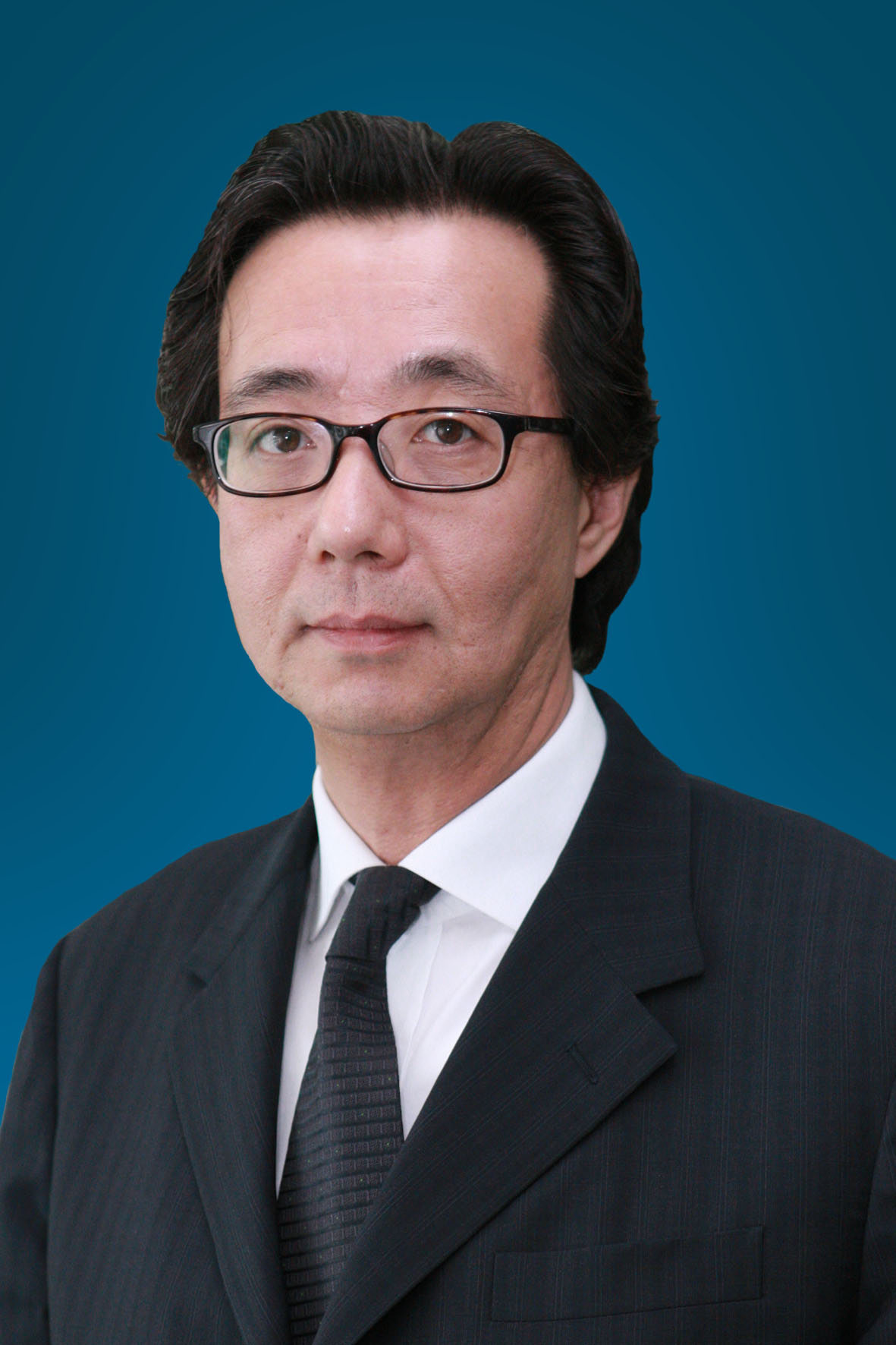
Senior Fellow, Asia Program
Chung Min Lee is a senior fellow in Carnegie’s Asia Program. He is an expert on Korean and Northeast Asian security, defense, intelligence, and crisis management.
Recent Work
Chung Min Lee
Carnegie does not take institutional positions on public policy issues; the views represented herein are those of the author(s) and do not necessarily reflect the views of Carnegie, its staff, or its trustees.
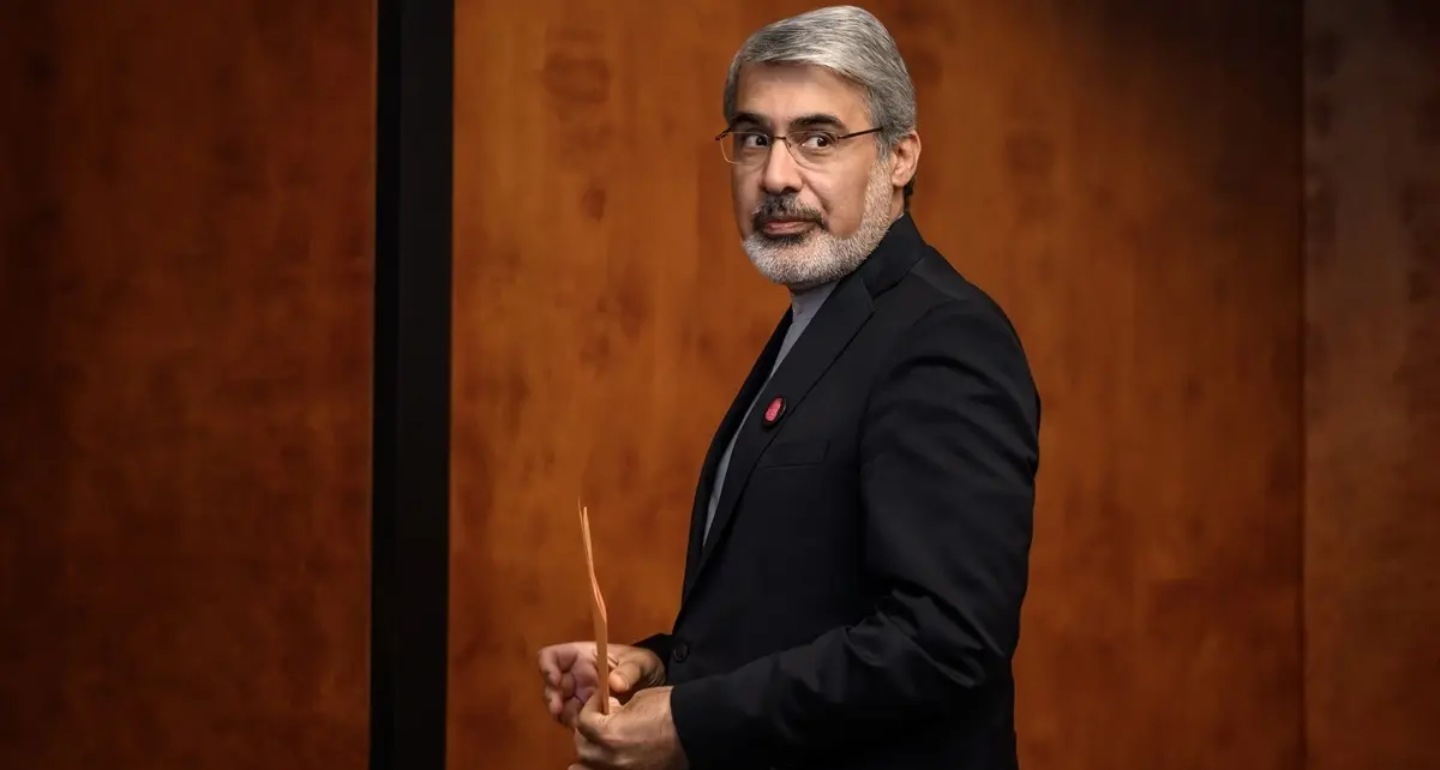
Ongoing uncertainty in the Middle East allows Moscow to both increase its influence in Tehran and continue to enjoy the financial windfall of higher oil prices.

Nikita Smagin
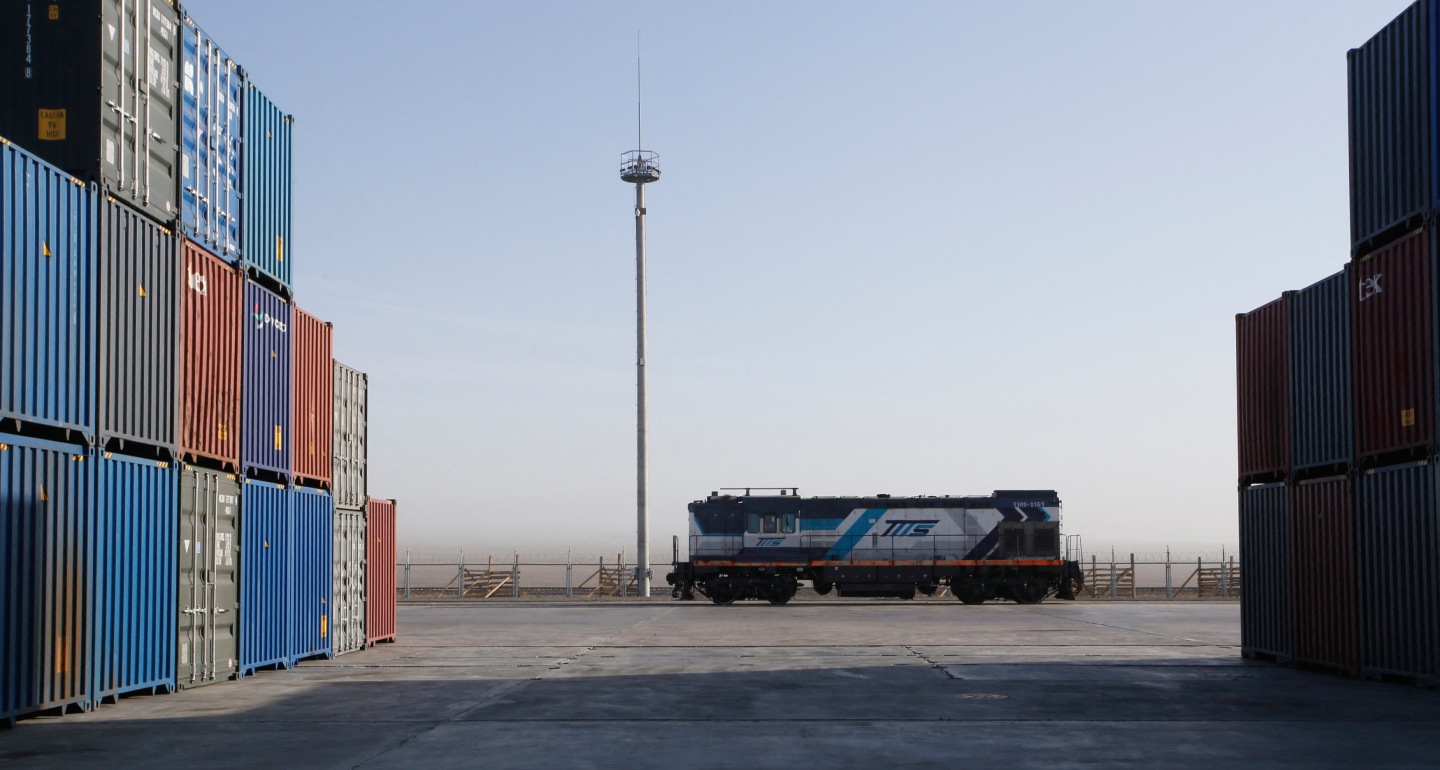
This year’s wars have made alternative routes to transit through Russia no less risky for Central Asian countries.

Galiya Ibragimova
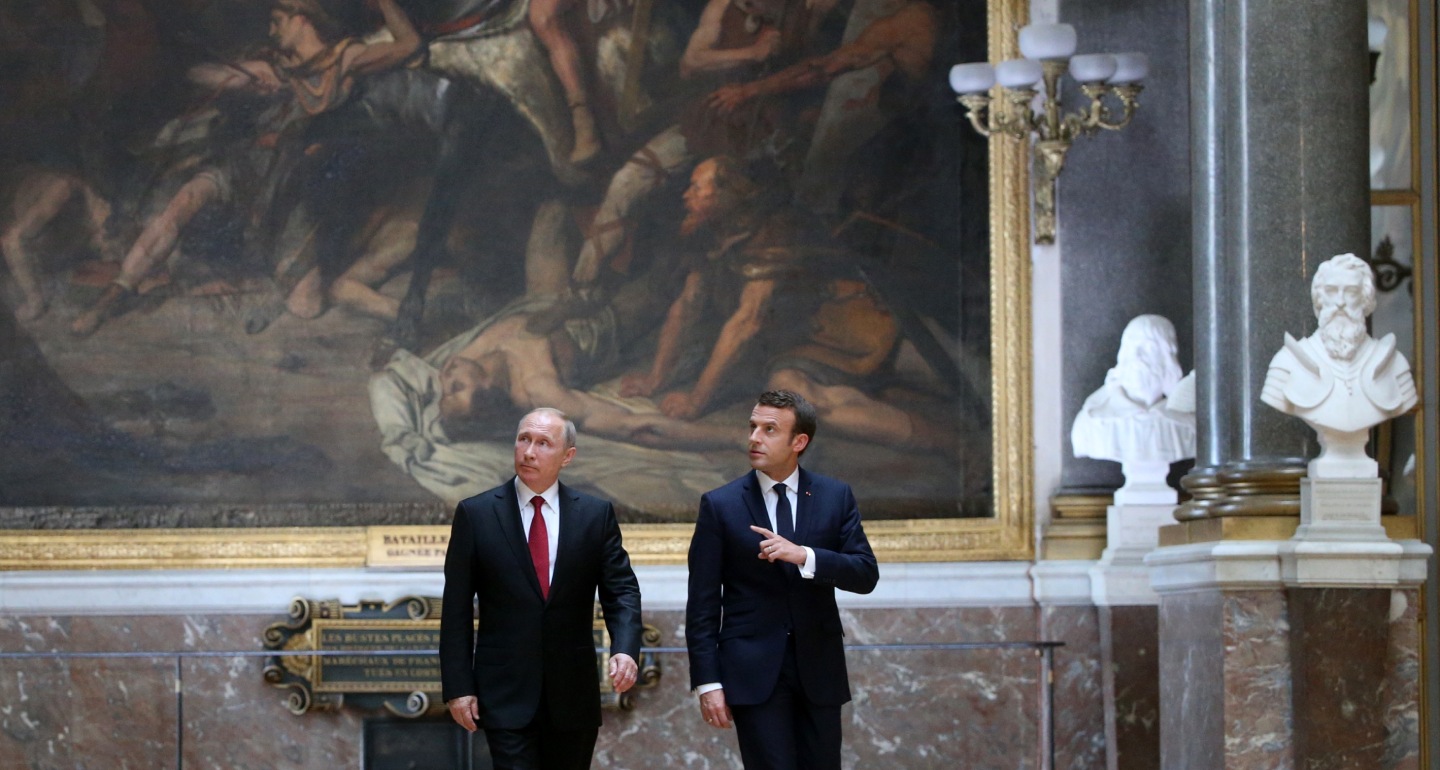
Reestablishing a dialogue with Moscow is not a goal in its own right. The goal is to guarantee the independence of Ukraine and the peace and security of Europe.
Arkady Moshes
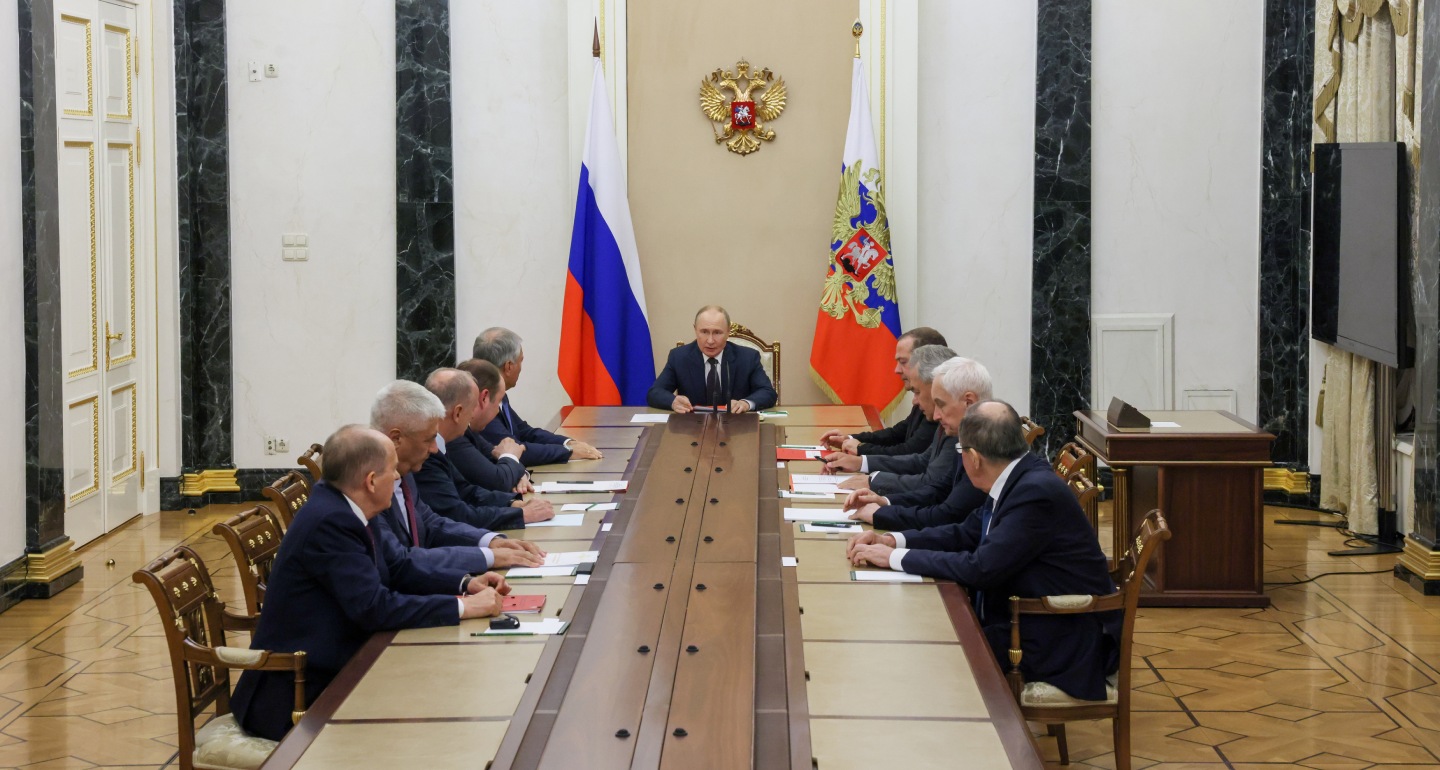
The ruling elites in contemporary Russia are not a political class, but a community of managers who are not subject to competition or public accountability. The state is becoming an operating apparatus without any internal autonomy.

Alexandra Prokopenko

Pashinyan’s pro-European party has been re-elected with a decisive victory. But the pro-Russian opposition could still slow Armenia’s progress toward peace with Azerbaijan and rapprochement with Europe.
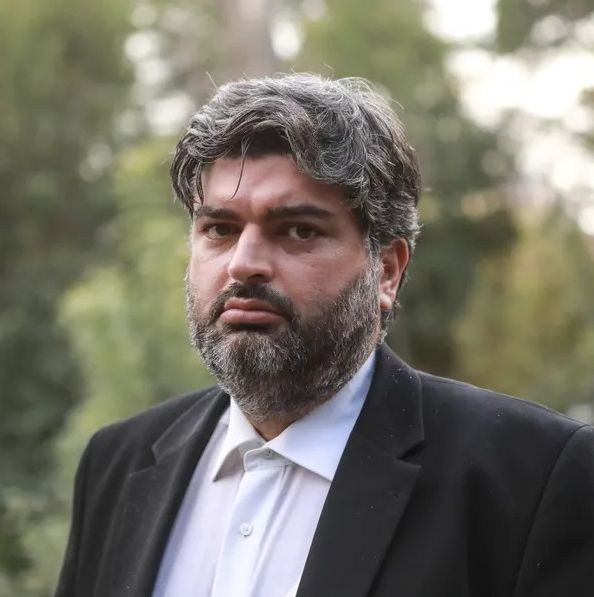
Mikayel Zolyan