

{
  "authors": [
    "Alexey Malashenko",
    "Martha Brill Olcott"
  ],
  "type": "event",
  "centerAffiliationAll": "dc",
  "centers": [
    "Carnegie Endowment for International Peace",
    "Carnegie Russia Eurasia Center"
  ],
  "collections": [],
  "englishNewsletterAll": "ctw",
  "nonEnglishNewsletterAll": "",
  "primaryCenter": "Carnegie Endowment for International Peace",
  "programAffiliation": "russia",
  "programs": [
    "Russia and Eurasia"
  ],
  "projects": [],
  "regions": [
    "Caucasus",
    "Russia"
  ],
  "topics": [
    "Political Reform",
    "Economy",
    "Security"
  ]
}
Is Russia Losing the Caucasus?
Tue, December 15th, 2009
Washington, D.C.
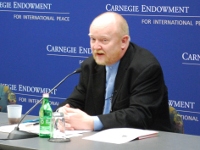
IMGXYZ2323IMGZYXIncreasingly, the North Caucasus looks and feels more like Russia’s neighbor than a constituent part of the state. Moscow and some areas refer to North Caucasus as Russia’s “internal abroad.” Alexey Malashenko of the Carnegie Moscow Center gave an overview of the current situation in Russia’s North Caucasus Region and emphasized that the rapid Islamization of the region is a potential source of problems for Russia and beyond.
- The absence of reliable information about real development figures, about how the republics are run and how the budgets get allocated. This poses a major challenge in assessing the economic situation in the region.
- Dependence on allocations from Moscow. The republics are fully financed by the federal budget of Russia; and they are demanding increased allocations because they believe the Kremlin “owes it them” as it initiated two wars in the North Caucasus in 1994 and 1999, wiping out most of the infrastructure in the region. Today, the republics could not survive without the money from Moscow.
- Extremely high unemployment which exacerbates the socio-economic situation. Ingushetia’s unemployment is 50 percent, Chechnya’s 35 percent, and despite Dagestan’s official figure of 13.5 percent, it is unofficially estimated to be around 30 percent.
Carnegie does not take institutional positions on public policy issues; the views represented herein are those of the author(s) and do not necessarily reflect the views of Carnegie, its staff, or its trustees.
Event Speakers
Former Scholar in Residence, Religion, Society, and Security Program
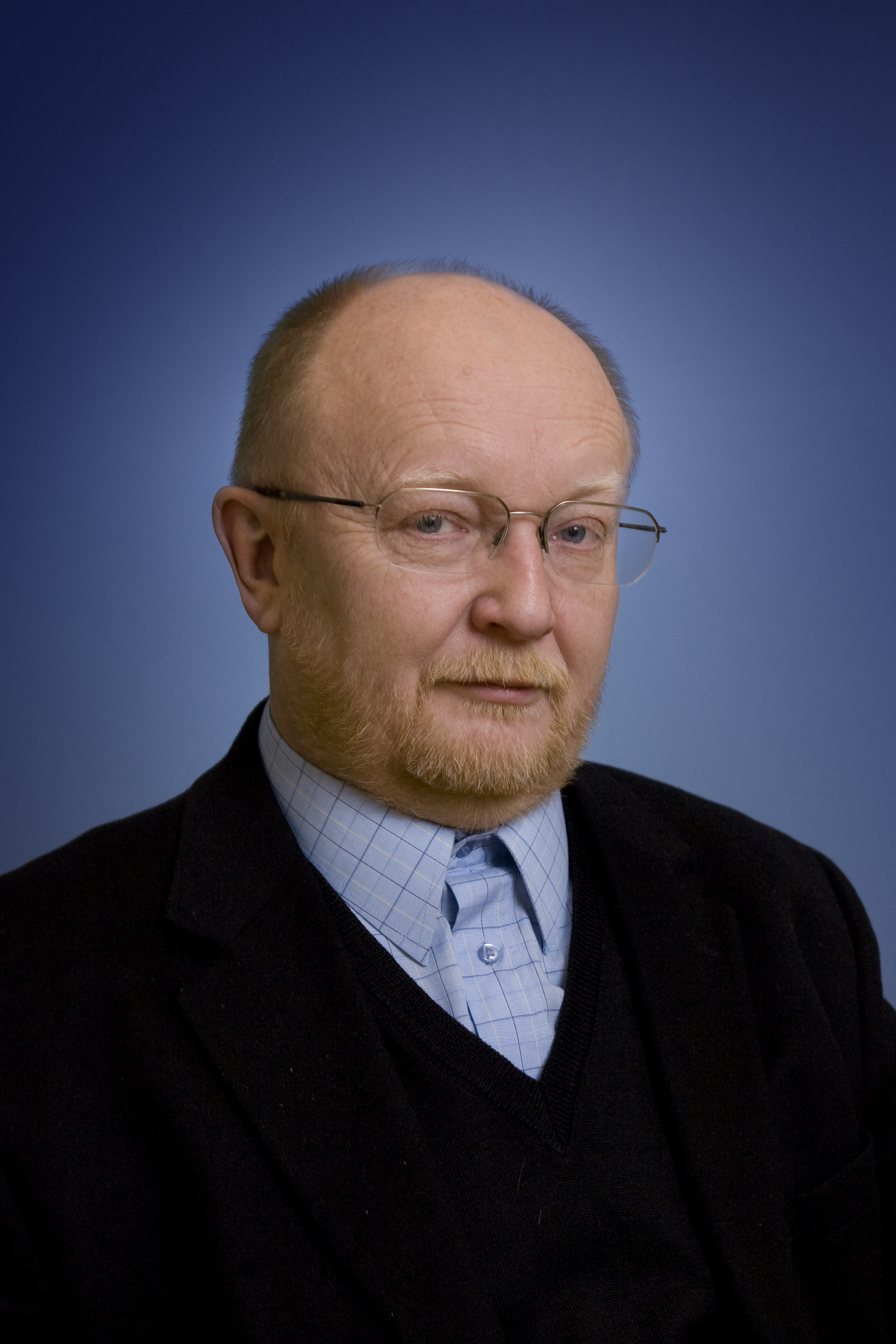
Malashenko is a former chair of the Carnegie Moscow Center’s Religion, Society, and Security Program.
Former Senior Associate, Russia and Eurasia Program and, Co-director, al-Farabi Carnegie Program on Central Asia
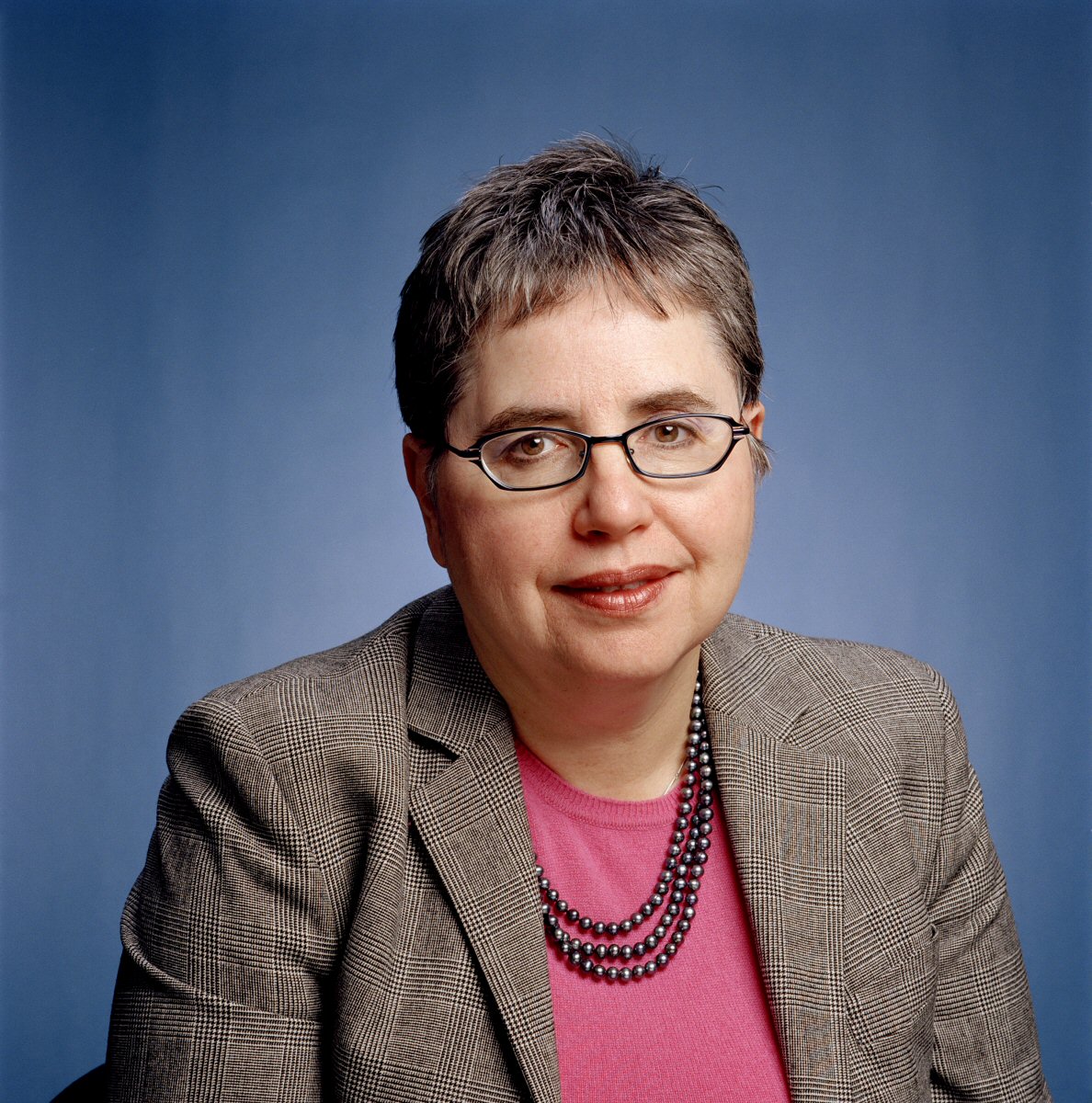
Olcott is professor emerita at Colgate University, having taught political science there from 1974 to 2002. Prior to her work at the endowment, Olcott served as a special consultant to former secretary of state Lawrence Eagleburger.