

{
  "authors": [
    "Igor Zevelyov",
    "Nikolay Petrov"
  ],
  "type": "event",
  "centerAffiliationAll": "",
  "centers": [
    "Carnegie Endowment for International Peace",
    "Carnegie Russia Eurasia Center"
  ],
  "collections": [],
  "englishNewsletterAll": "",
  "nonEnglishNewsletterAll": "",
  "primaryCenter": "Carnegie Endowment for International Peace",
  "programAffiliation": "",
  "programs": [],
  "projects": [],
  "regions": [],
  "topics": []
}
Russia’s Future: Nation or Civilization?
Wed, January 27th, 2010
Moscow
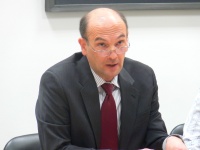
IMGXYZ2447IMGZYXRussia’s current ruling elite understands the threat posed by an ethnic project of nation-building and, therefore, seeks to adhere to a supranational concept of Russia as a civilization, argues political scientist Igor Zevelyov.
In a seminar at the Carnegie Moscow Center, discussing his recent article in Russia in Global Affairs, “Russia’s Future: Nation or Civilization?”, Zevelyov suggested that Russians have what might be called an immature ethic identity, which was one of the reasons why the Soviet Union collapsed without bloodshed. Zevelyov identified two approaches to the “Russian question”: first, a radical nationalist discourse about a people divided across new borders; and second, a moderate vision of “the diaspora” and “Russian world.” These two approaches reflect the longstanding coexistence of the ethnic and supranational aspects of Russian identity. The supranational form of Russian identity, in turn, also has several incarnations: imperial, Soviet, “civilizational” and so on. Zevelyov argued that it is the precisely civilizational dimension of identity that is coming through increasingly clearly in Russia’s current political discourse.
Taking part in the discussions at Zevelyov’s seminar were Olga Malinova, senior researcher at the Russian Academy of Sciences’ Institute of Scientific Information for Social Sciences, Emil Pain, professor at the Higher School of Economics, Valery Tishkov, director of the Russian Academy of Sciences’ Institute of Ethnology and Anthropology, among others.
Nikolay Petrov chaired the seminar.
Carnegie does not take institutional positions on public policy issues; the views represented herein are those of the author(s) and do not necessarily reflect the views of Carnegie, its staff, or its trustees.
Event Speakers
Igor Zevelyov
Former Scholar-in-Residence, Society and Regions Program, Moscow Center
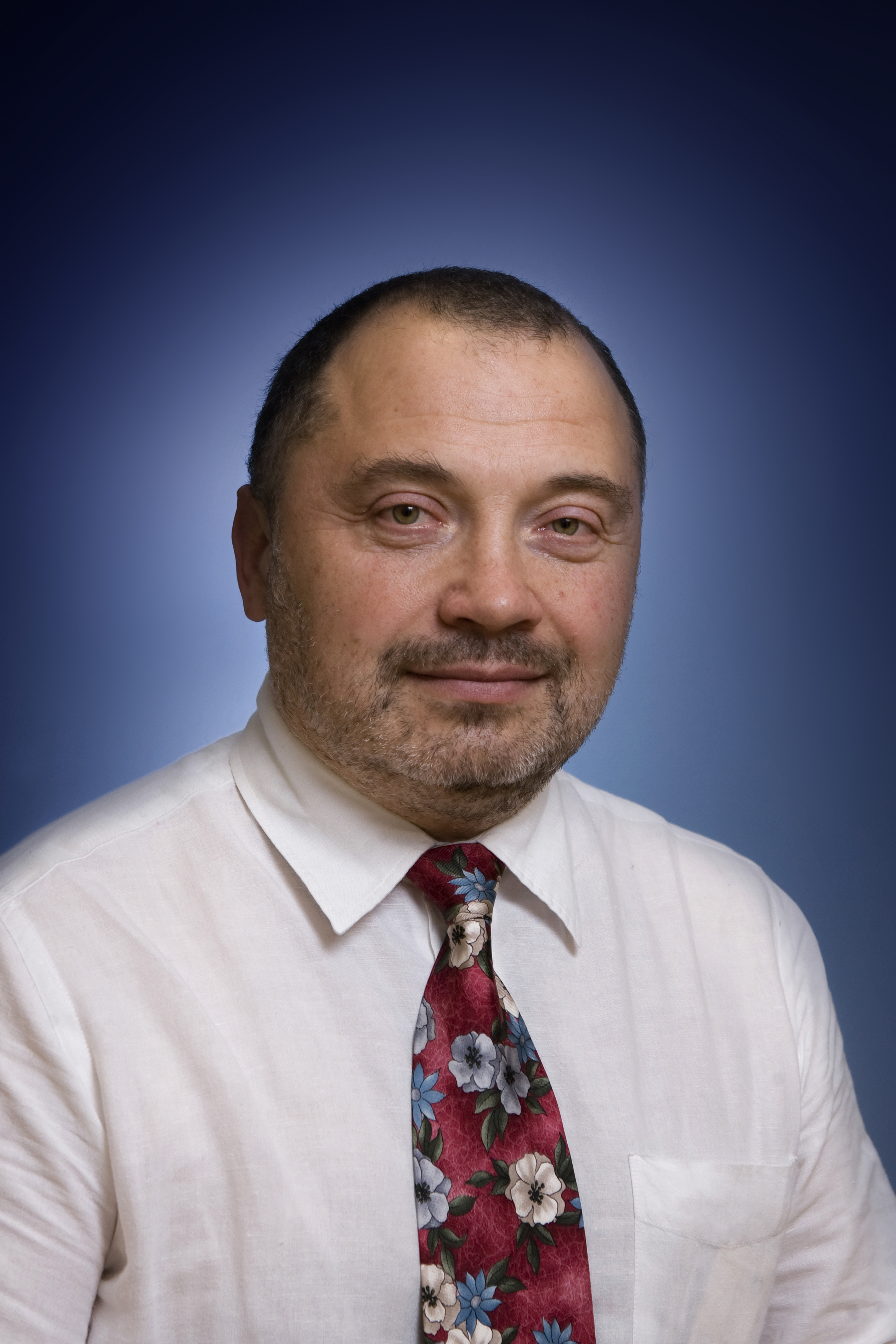
Nikolay Petrov was the chair of the Carnegie Moscow Center’s Society and Regions Program. Until 2006, he also worked at the Institute of Geography at the Russian Academy of Sciences, where he started to work in 1982.