

{
  "authors": [
    "Armenak Tokmajyan",
    "Bara’a Shaiban",
    "Elham Manea",
    "Farea Al-Muslimi",
    "Yasmeen Al-Eryani"
  ],
  "type": "event",
  "centerAffiliationAll": "",
  "centers": [
    "Malcolm H. Kerr Carnegie Middle East Center"
  ],
  "englishNewsletterAll": "",
  "nonEnglishNewsletterAll": "",
  "primaryCenter": "Malcolm H. Kerr Carnegie Middle East Center",
  "programAffiliation": "",
  "programs": [],
  "projects": [],
  "regions": [
    "Yemen"
  ],
  "topics": []
}
The Future of Yemen in Light of Growing Saudi-Emirati Rivalry
Tue, January 20th, 2026
Virtual
Invalid video URL
Yemen is entering a new phase of fragmentation, one that transcends the longstanding divide between Sanaa-based Ansar Allah (the Houthis) and the internationally recognized and Saudi-backed government in Aden. Indeed, tensions within the anti-Ansar Allah camp itself have intensified. The growing discord between the Yemeni government and the Emirati-backed Southern Transitional Council (STC) highlights a widening gap between Riyadh and Abu Dhabi, once key partners in the coalition fighting Ansar Allah.
The coming period will be marked by high risks, as Saudi-backed forces in Yemen have moved against the STC, whose leader has fled for the United Arab Emirates. It is not yet clear what this portends for the STC’s separatist agenda, but without serious and genuine efforts to address southern Yemenis’ grievances, it is unlikely that the story will end here.
What is almost certain is that the long-simmering Saudi-Emirati rivalry, which has now become overt, will have repercussions on both Yemen and the region. For one thing, the rivalry in question is unfolding alongside the still unresolved conflict between Ansar Allah and Yemen’s government. And for another, Ansar Allah and Israel remain poised for escalation. Meanwhile, Yemen continues to suffer heavy humanitarian costs as a result of years of war.
To explore these issues, the Malcolm H. Kerr Carnegie Middle East Center will host a virtual panel discussion on Tuesday, January 20, at 4:00 PM Beirut time (UTC+2). The discussion will bring together Yemeni experts to reflect on what the latest developments mean for Yemen’s political future. The panel will consist of Farea al-Muslimi, research fellow at Chatham House’s Middle East and North Africa Programme; Yasmeen Al-Iryani, executive director for knowledge production at the Sana’a Center for Strategic Studies; Elham Manea, adjunct professor at the Institute of Political Science at the University of Zurich; and Bara’a Shaiban, associate fellow with the International Security research group at the Royal United Services Institute (RUSI).
The event will be in English and moderated by Armenak Tokmajyan, nonresident scholar at the Malcolm H. Kerr Carnegie Middle East Center. Viewers are invited to submit questions via the live chat feature on Facebook and YouTube.
For more information, please contact Najwa Yassine at najwa.yassine@carnegie-mec.org.
Carnegie does not take institutional positions on public policy issues; the views represented herein are those of the author(s) and do not necessarily reflect the views of Carnegie, its staff, or its trustees.
Event Speakers
Nonresident Scholar Malcolm H. Kerr Carnegie Middle East Center

Armenak Tokmajyan is a nonresident scholar at the Malcolm H. Kerr Carnegie Middle East Center in Beirut. His research focuses on borders and conflict, Syrian refugees, and state-society relations in Syria.
Bara’a Shaiban
Associate fellow with the International Security research group at the Royal United Services Institute (RUSI).
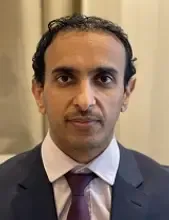
Bara'a Shaiban is an associate Fellow at the Middle East Security team with the Royal United Services Institute - RUSI.
Elham Manea
Adjunct professor at the Institute of Political Science at the University of Zurich
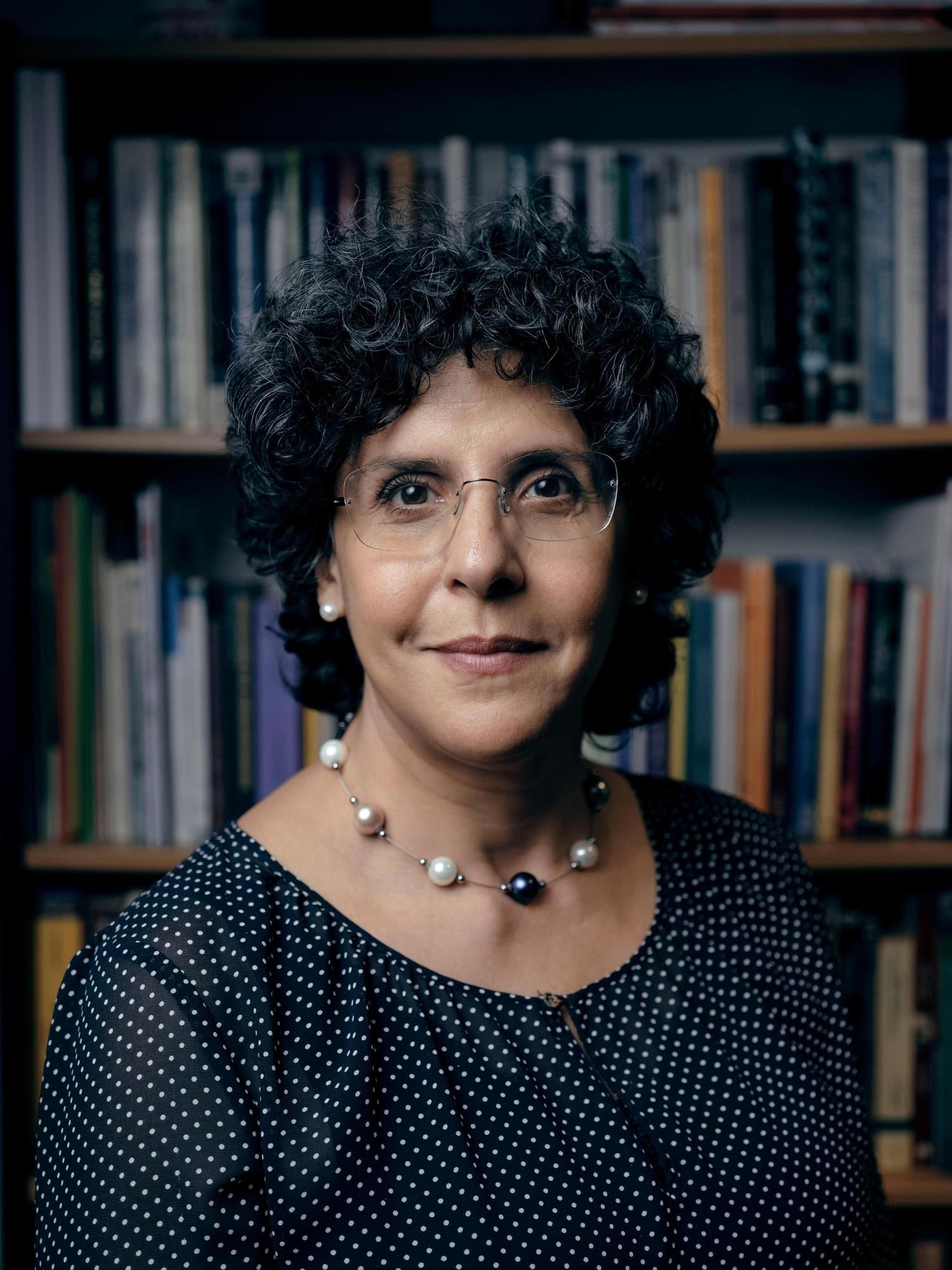
Elham Manea is an adjunct professor at the Institute of Political Science at the University of Zurich.
Research fellow at Chatham House’s Middle East and North Africa Programme
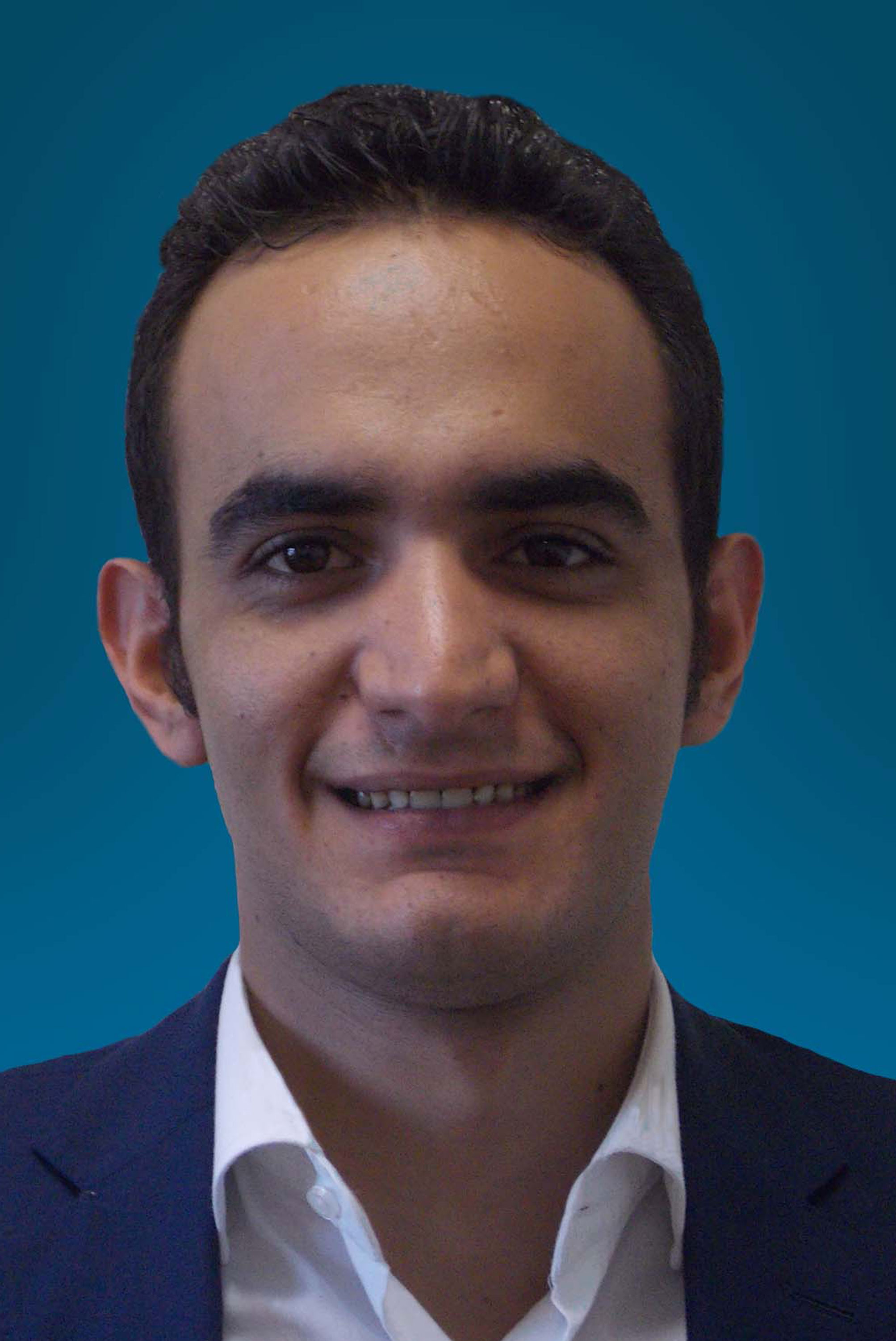
Farea Al-Muslimi is a research fellow at Chatham House’s Middle East and North Africa Programme.
Yasmeen Al-Eryani
Executive director for knowledge production at the Sana’a Center for Strategic Studies
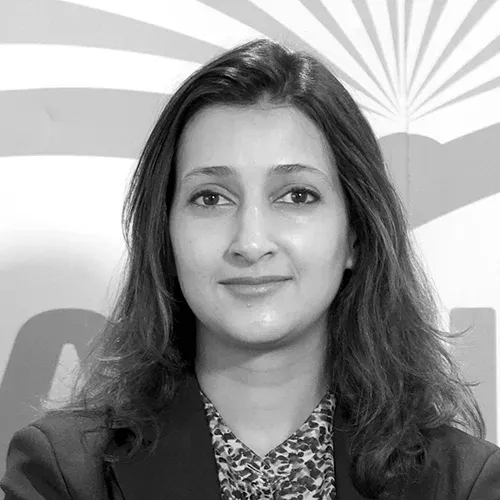
Yasmeen Al- Eryani is the executive director for knowledge production at the Sana’a Center for Strategic Studies