

Commentary
Regulation, not embargo, allows Beijing to shape how other countries and firms adapt to its terms.
Alvin Camba
{
  "authors": [
    "Nancy Birdsall",
    "Charles Griffin"
  ],
  "type": "legacyinthemedia",
  "centerAffiliationAll": "",
  "centers": [
    "Carnegie Endowment for International Peace"
  ],
  "collections": [],
  "englishNewsletterAll": "",
  "nonEnglishNewsletterAll": "",
  "primaryCenter": "Carnegie Endowment for International Peace",
  "programAffiliation": "",
  "programs": [],
  "projects": [],
  "regions": [
    "North America",
    "South America"
  ],
  "topics": [
    "Political Reform",
    "Trade"
  ]
}
REQUIRED IMAGE
Source: Carnegie
Originally published in the Los Angeles Times, January 15, 1999
Wednesday's news of a devaluation in Brazil is a worrying reminder that our southern neighbors throughout the Americas are experiencing tough times. Even before the latest bad news, some private banks were expecting Brazil's per capita income to fall by more than 3% in 1999--about five times the decline during the U.S. recession of 1991-92. Bad economic signals abound not only in Brazil but around the region. A month ago, the International Monetary Fund predicted that per capita income in Latin America would decline in 1999. Mexico cut its oil-dependent federal budget at least three times this past year. For most countries, access to private capital has all but dried up following the Russian debt default in August. The international financial institutions in Washington have put together large precautionary international loan packages for Argentina and Brazil, with other countries now lining up for the same type of assistance. When it rains it pours: El Nino, Hurricane Mitch, economic storms from the East and now the risks of another round of devaluations, with resulting new rounds of inflation and real income losses. What next?
A lot, maybe. Bad times are in store not only for bankers and manufacturing exporters in Latin America but for workers and consumers. How policymakers in the affected countries respond to the resulting social pressures is likely to affect the future course of democracy and open markets throughout the region as much or more than their immediate response to the financial pressures.
Latin America has shed its long history of autocratic governments and closed economies, but a new round of tough times means its wrenching inequality is now utterly exposed. The Latin American brand of inequality is not for the timid: The richest 10% of families are richer than their counterparts in the U.S., while the poorest 10% are 10 times as poor. The concentration of income at the top distorts every element of political, social and economic life. In Brazil and Mexico, the heads of many of the richest 10% of households have university educations; most heads of the next richest households have not been to secondary school. Most members of the "middle class"--those in the middle of the overall distribution--have not finished primary school. In this important way, the middle class looks much more like the poor than the rich.
Fragile democratic reforms have been taking root in the 1990s, along with economic growth and liberalization. But inequality is a potential spoiler; the gap has not closed in 20 years, it cannot be fixed quickly and most governments have not really begun to tackle the problem effectively. Inequality makes the current economic uncertainty particularly treacherous for Latin American governments. The political repercussions of the economic crisis in East Asia were warning shots across the bow for Latin America's governing elite. The December election to the presidency of Venezuela of a would-be military dictator on a platform of authoritarianism and economic self-sufficiency is much closer to home.
In a financial crisis, the best policy minds worry about debt workouts and bank restructuring. But in Latin America, success will depend as much or more on good handling of social pressures. The relatively poor middle class and the really poor lower classes have to be convinced that, however the economic crisis is managed, there will be some short-term protection offered to them and that inequality will be reduced rather than worsened by the policies pursued.
On this, Bill Clinton probably has it right: Protect free markets by protecting those most vulnerable to downside risks. Latin American governments can implement two simple ideas for achieving this:
Investments in people and minimal income insurance in Latin America are core activities in fledgling democracies that care about inequality and want to nurture the political legitimacy needed to get economic growth back on track. Of course, no one should be under the illusion that the education and health programs are paragons of efficiency and effectiveness. Social services are in dire need of reform, more competition and more focus on the client. But expansion of basic services does not preclude reform; it attracts the attention that invites reform.
Former Senior Associate
Charles Griffin
Carnegie does not take institutional positions on public policy issues; the views represented herein are those of the author(s) and do not necessarily reflect the views of Carnegie, its staff, or its trustees.

Regulation, not embargo, allows Beijing to shape how other countries and firms adapt to its terms.
Alvin Camba
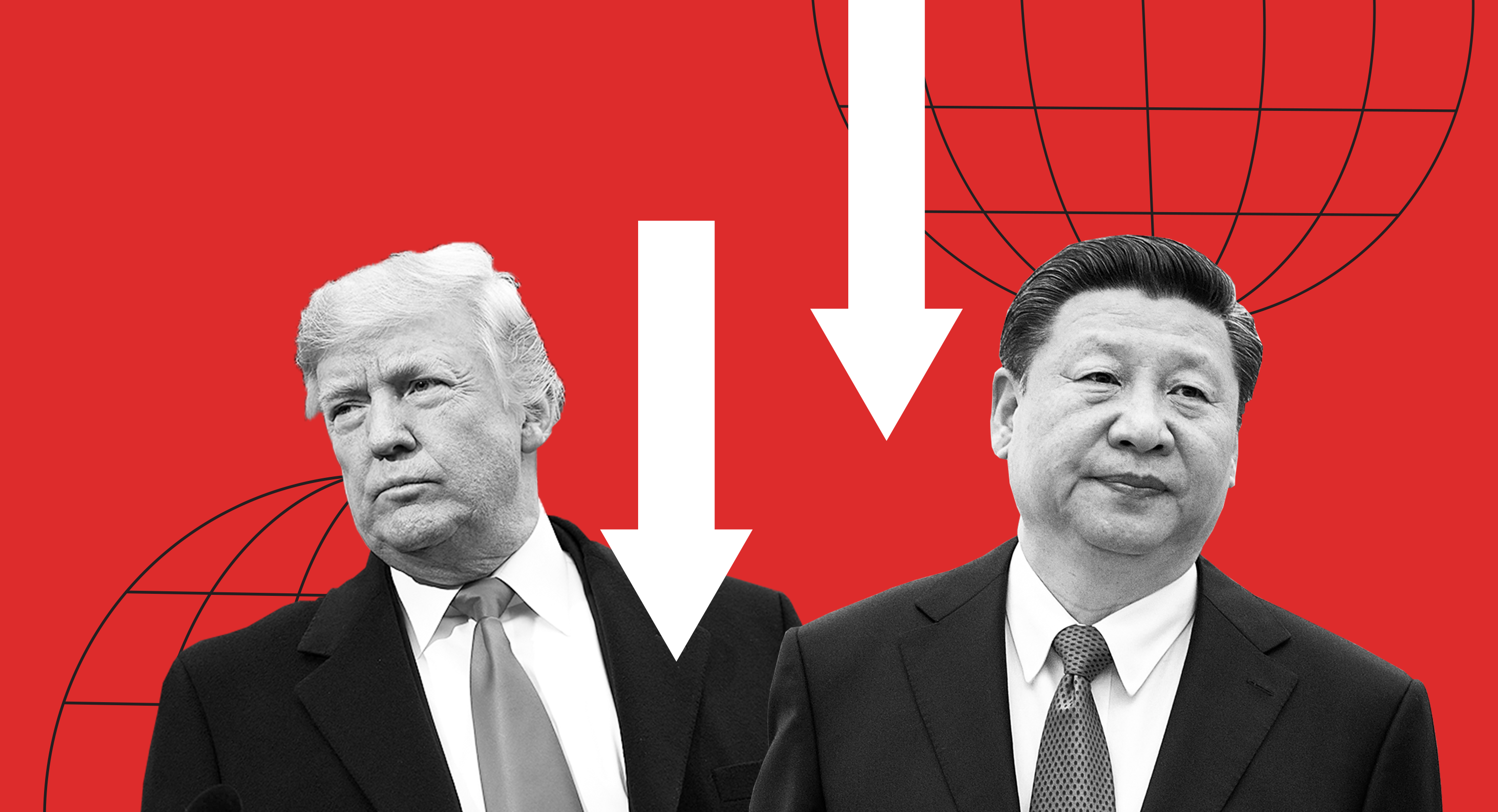
Beijing believes that Washington is overestimating its own leverage and its ability to handle the trade war’s impacts.


Rick Waters, Sheena Chestnut Greitens
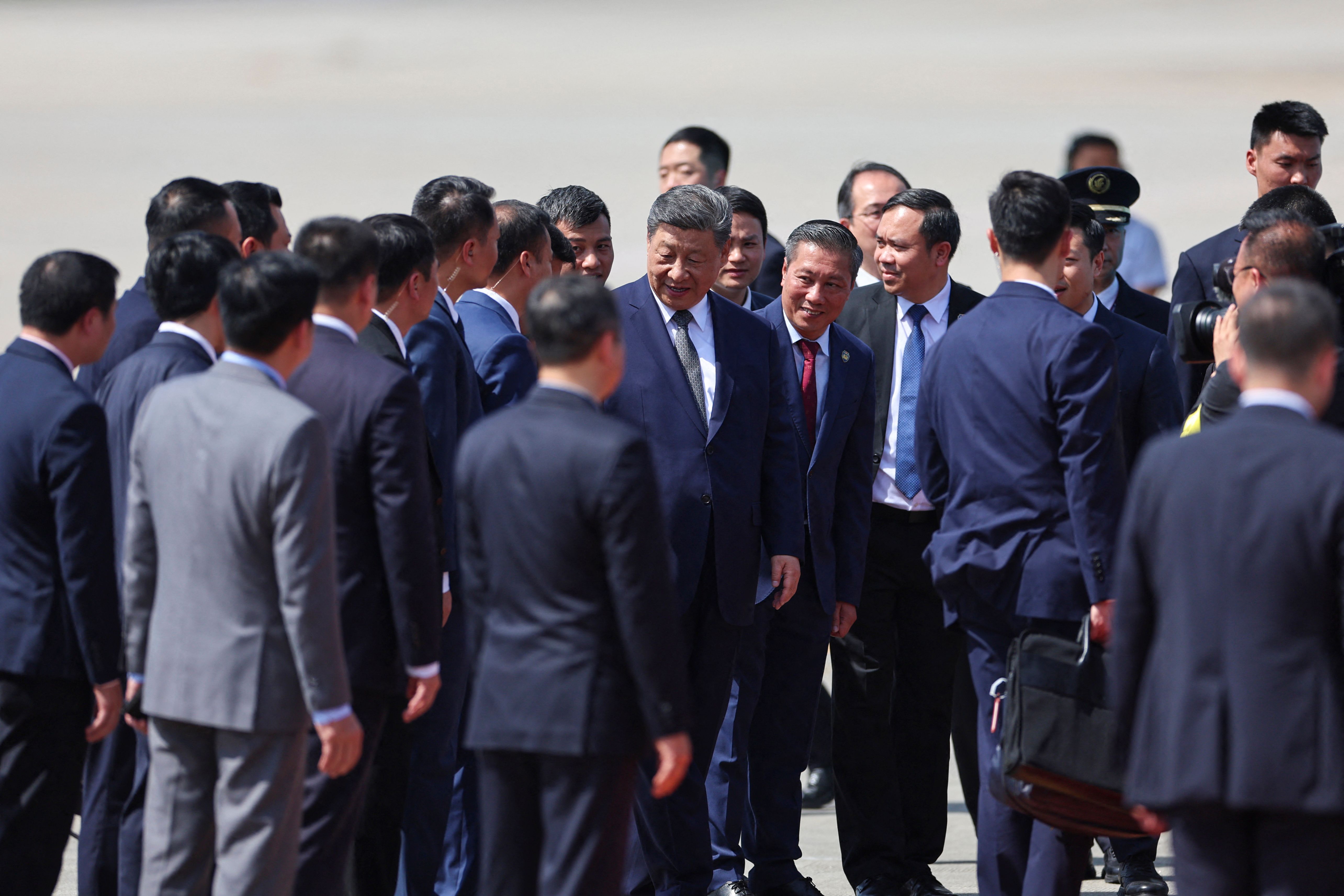
Tapping our network of China experts in the region, Carnegie China offers this latest “China Through a Southeast Asian Lens” report to offer preliminary assessments of whether the U.S. effort to reshape the global trading order will lead countries in the region to tilt toward Beijing.


Selina Ho, Khin Khin Kyaw Kyee, Joseph Ching Velasco, …
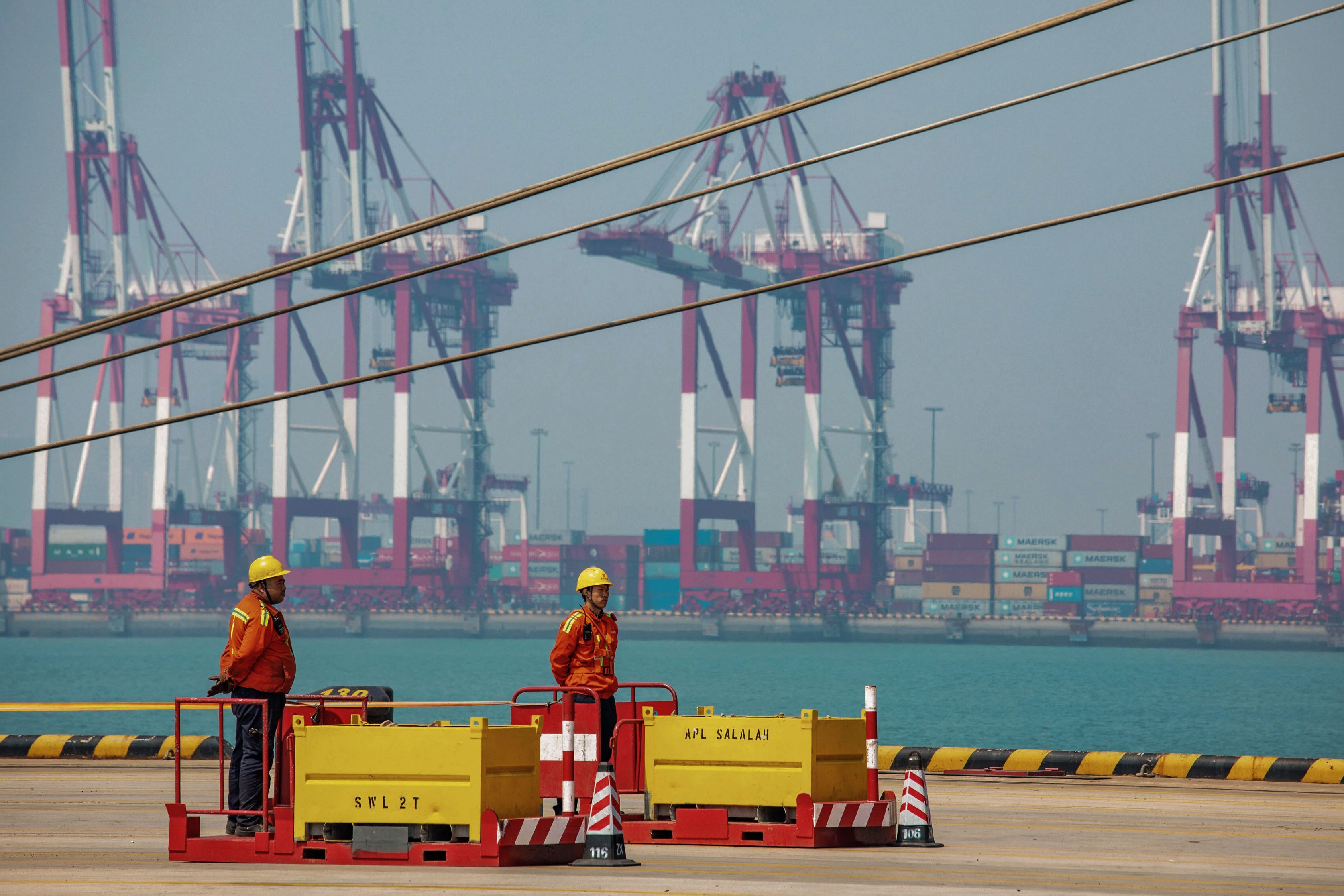
In order to keep production growing, China must either increase investment, and with it its debt burden, or increase its trade surplus.

Michael Pettis
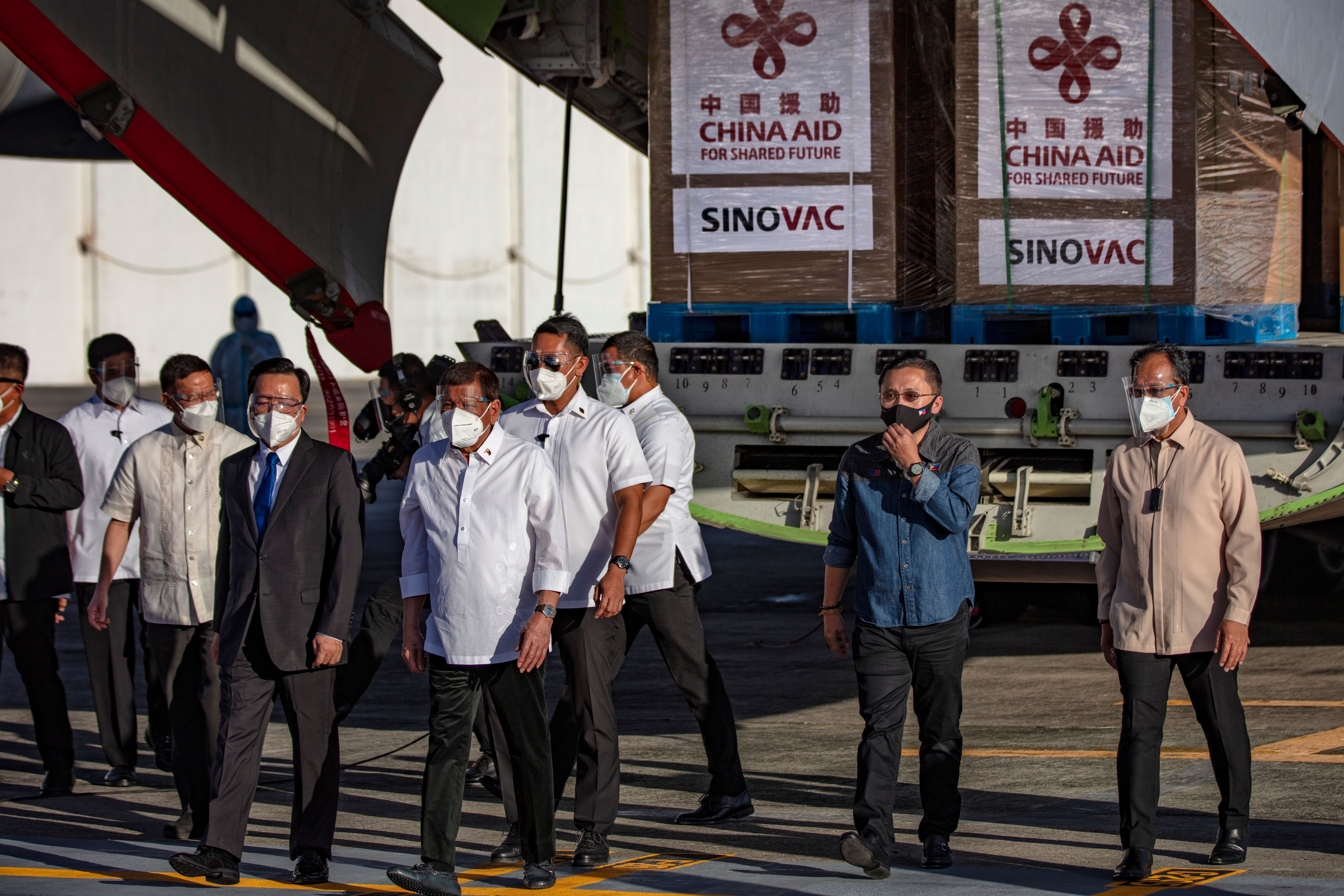
As tech competition moves into the biotech sector, China is increasingly shifting its focus to nearby regions to alleviate U.S.-induced supply chain pressures. As part of this transition, Southeast Asia has emerged as a favored destination.

Xue Gong