

Article
Marina Ottaway, Omar Hossino
{
  "authors": [
    "Marina Ottaway"
  ],
  "type": "legacyinthemedia",
  "centerAffiliationAll": "dc",
  "centers": [
    "Carnegie Endowment for International Peace"
  ],
  "collections": [],
  "englishNewsletterAll": "democracy",
  "nonEnglishNewsletterAll": "",
  "primaryCenter": "Carnegie Endowment for International Peace",
  "programAffiliation": "DCG",
  "programs": [
    "Democracy, Conflict, and Governance"
  ],
  "projects": [],
  "regions": [],
  "topics": [
    "Security"
  ]
}
REQUIRED IMAGE
Source: Carnegie
When Conflict Comes Home
Conflict has suddenly and horribly come home to the United States, and in a form this country never experienced before, although it is familiar to people in many other parts of the world. It's not a war waged on a circumscribed territory by military units against an enemy with a clear identity but a conflict where the enemy can be your next door neighbor, attacks can take place anywhere, and the weapons are not necessarily specialized instruments of modern warfare. This is the type of conflict the United States has tried to settle elsewhere in recent years from the Balkans to the Great Lakes region of Africa. It is part conflict against a foreign enemy, part conflict against an enemy within. It is the kind of conflict that is most difficult to end because it stirs deep emotions, indeed hatred, on all sides. We have learned a lot about this type of conflict recently, and we should apply those lessons to the current situation. A major lesson we have learned is that while wars between conventional armies may end with the victory of one side, wars waged against decentralized groups relying on unconventional weapons cannot end in victory but require political solutions. Innumerable US government reports and independent studies have concluded that to settle such conflicts and prevent their reoccurrence, at some point it becomes necessary to deal with their root causes.
The US response so far has been dictated by the immediate necessity of reducing the possibility of further attacks by capturing or eliminating Bin Laden, weakening his backers and dismantling the terrorist networks that already exist. In the short run, this is the only possible response to the crisis. Bin Laden and his supporters are not people with whom any type of political accommodation is conceivable or indeed possible. But capturing or eliminating Bin Laden, weakening the Taliban, and pressuring Pakistan to act as an American ally rather than an ally of the extremists will not decrease the threat against the United States by Moslem extremists in the long run. Israel has taken steps against terrorism far more drastic than anything the United States is likely to consider in the foreseeable future, but it still cannot control the problem. In the long run, the solution must be political and understanding causes becomes important.
In recent days, we have been presented with many and often contradictory explanations for terrorism. There are the "civilizational" explanations: the supposed characteristics of Islam that predispose people to extremism and martyrdom; the hatred Islamists are said to feel toward US democratic values; the deep resentment that has built up in the once proud Arab nation after decades of humiliation at the hands of Western powers. Other explanations focus on the underlying political and economic situation: the dismal living conditions endured by the population of many Moslem countries predispose people to violence, as do the frustrations engendered by lack of democracy. Finally, there are explanations that single out US policies as the main cause of the rage that leads terrorists to seek terrible ways to hurt the United States, even if they have to annihilate themselves in the process. Most important here is the United States' unwavering support of Israel and its reluctance to speak out forcefully against that country--for example against the expansion of the settlements on the West Bank that the United States theoretically opposes. But there are many other policies that cause outrage in the region and disapproval among many of our allies in Europe--for example some of the sanctions against Iraq that hurt civilians badly without clear advantage for the United States.
These explanations are varied and even contradictory (is the problem hatred of democracy, or frustration because of its absence?), but they are all probably true to some extent. There is no reason to believe that the rage of all terrorists has the same root causes, particularly since information available so far suggests that they are a diverse group. But although the causes are many, those that can be addressed are many fewer. The United States, for example, cannot do anything to influence the character of Islam. Indeed, attempts by US officials to extol the virtues of "true" Islam, dismissing the position of fundamentalists as a deviation, as President Bush has done in a recent speech, are more likely to cause harm than to help. The United States cannot engineer rapid socio-economic development in the vast area from which the terrorist networks appear to draw their support. Promoting democracy is another difficult endeavor that does not produce instant results, and in any case it is a policy at odds with our interest in gaining the support of moderate Arab regimes, which still find democracy threatening.
The causes of conflict the United States can address most easily are those that relate to its own policies. This will require a great deal of political courage and a willingness to question well-established assumptions. As a first step, the United States needs to understand better not only the position of all governments in the region but also the mood of their populations. Anyone who has lived in the Middle East has witnessed the palpable anger against the United States even among people who are fundamentally attracted to this country and who would never consider participating in acts of violence. It needs to listen with a more open mind to the countries in Europe and elsewhere which have long expressed concern about US policies, although they certainly do not condone terrorism. And then the United States needs to decide whether present policies are indeed those that best protect its interests, which appears doubtful under the circumstances. Seeking long-term political solutions is not a manifestation of weakness. What we have learned about this type of conflict in other countries leads to the conclusion that it is the only way to put an end to the problem in the long run.
Former Senior Associate, Middle East Program
Before joining the Endowment, Ottaway carried out research in Africa and in the Middle East for many years and taught at the University of Addis Ababa, the University of Zambia, the American University in Cairo, and the University of the Witwatersrand in South Africa.
Recent Work
Marina Ottaway, Omar Hossino
Marina Ottaway
Carnegie does not take institutional positions on public policy issues; the views represented herein are those of the author(s) and do not necessarily reflect the views of Carnegie, its staff, or its trustees.

The Thai-Cambodian conflict highlights the limits to China's peacemaker ambition and the significance of this role on Southeast Asia’s balance of power.

Pongphisoot (Paul) Busbarat
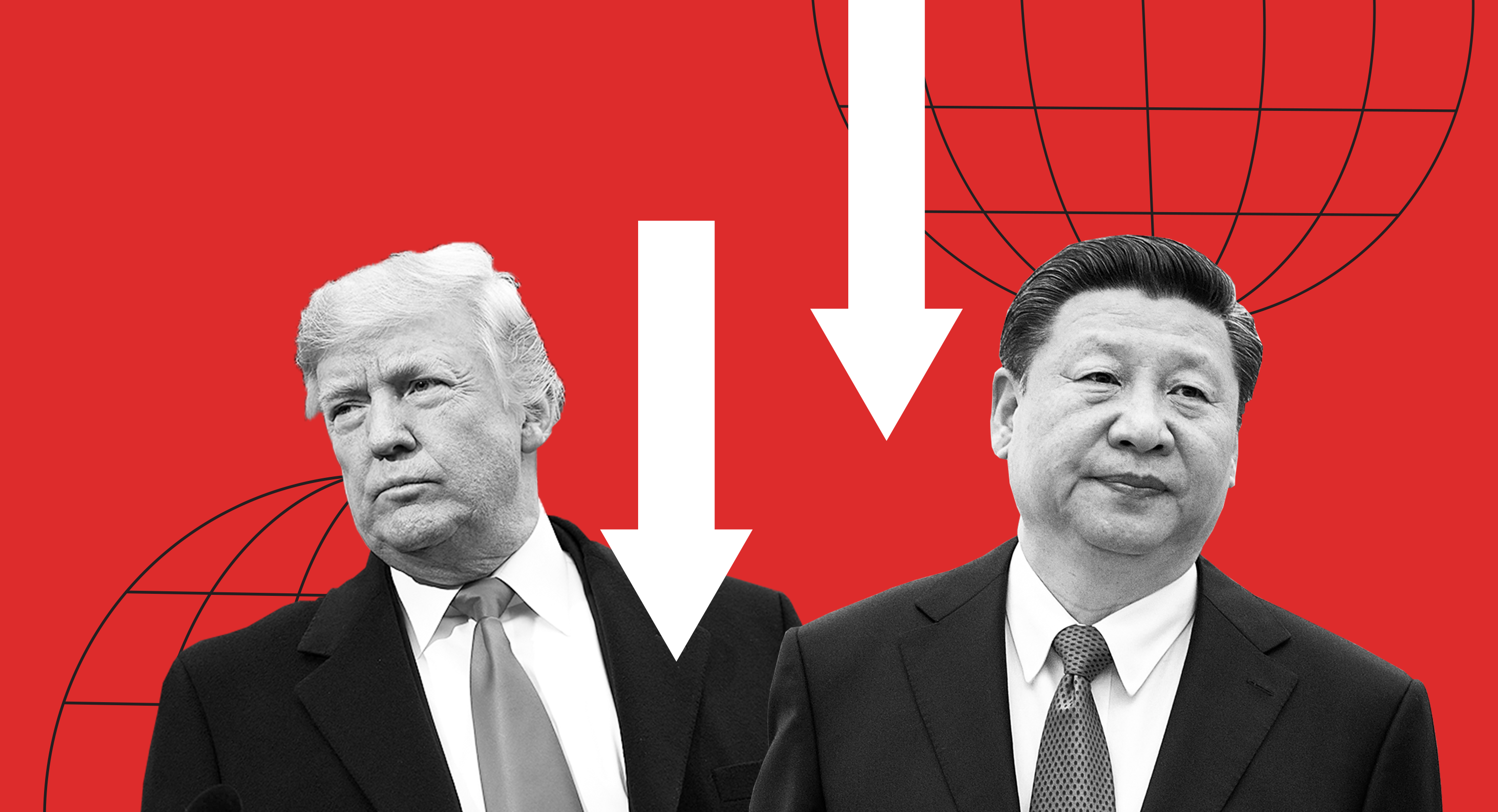
Beijing believes that Washington is overestimating its own leverage and its ability to handle the trade war’s impacts.


Rick Waters, Sheena Chestnut Greitens
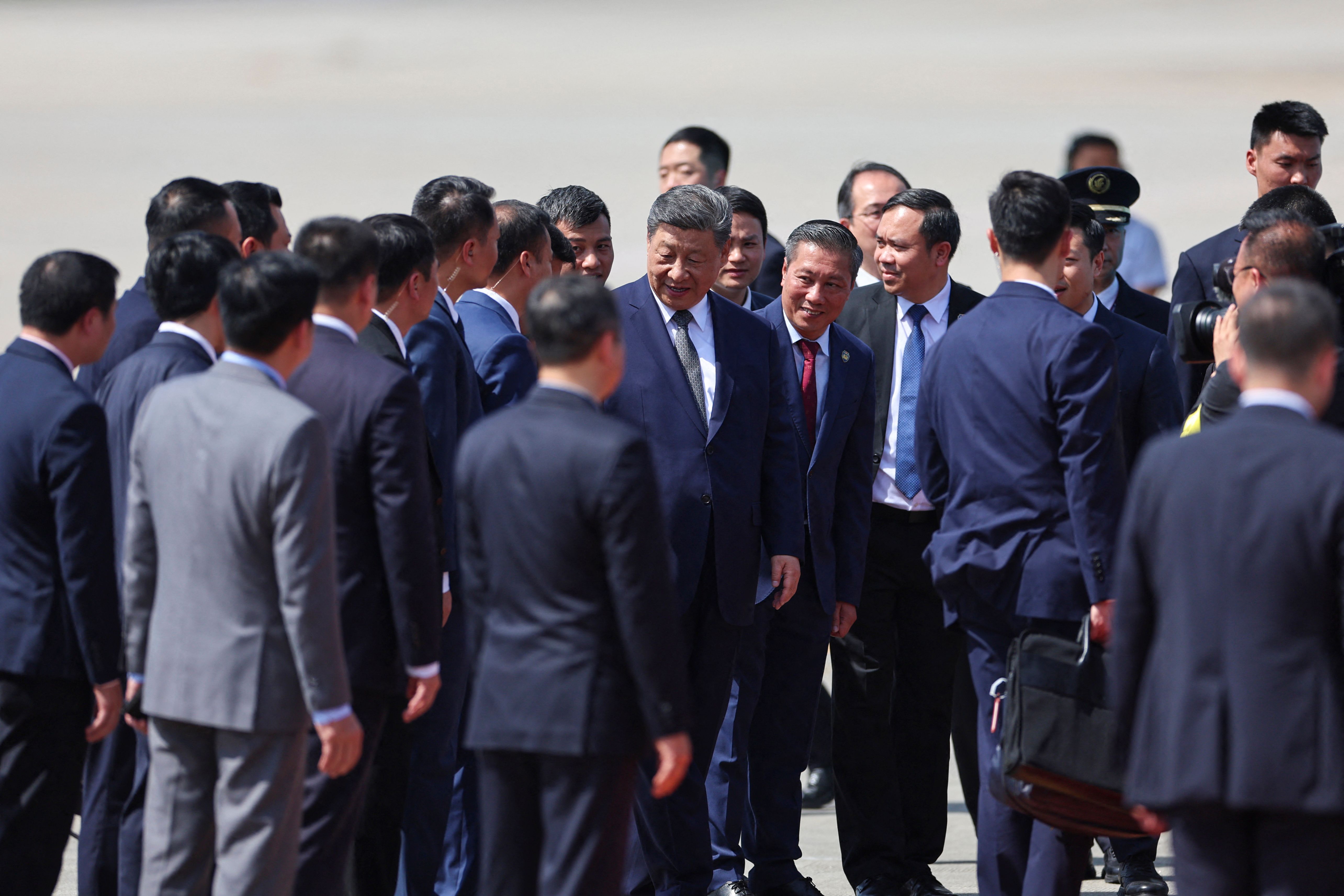
Tapping our network of China experts in the region, Carnegie China offers this latest “China Through a Southeast Asian Lens” report to offer preliminary assessments of whether the U.S. effort to reshape the global trading order will lead countries in the region to tilt toward Beijing.



Selina Ho, Khin Khin Kyaw Kyee, Joseph Ching Velasco, …
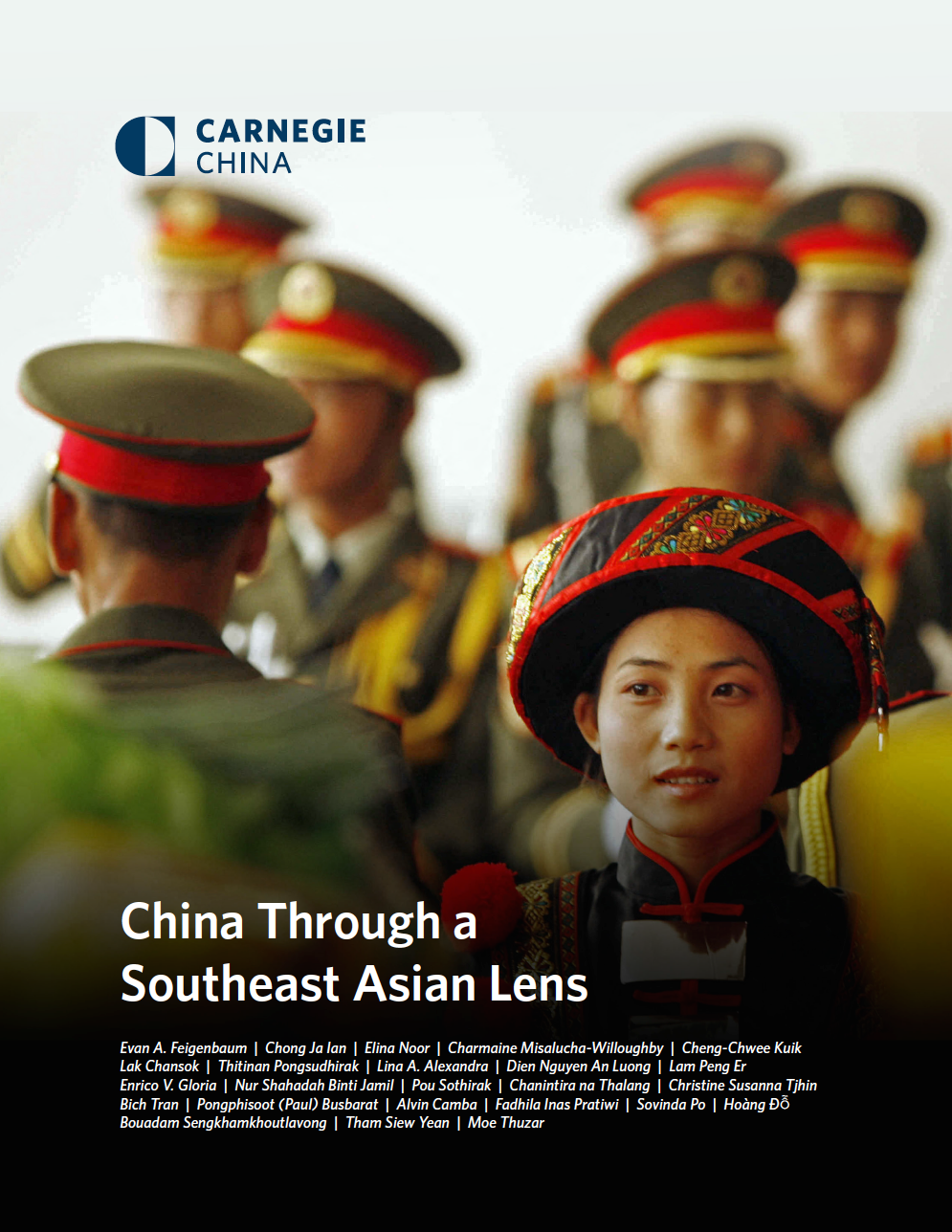
Because strategic, economic, and ideological perceptions of China contain multiple, sometimes contradictory facets in Southeast Asia, receptions of and responses to Beijing diverge across and within state lines.



Evan A. Feigenbaum, Chong Ja Ian, Elina Noor

Most Southeast Asian states behave as if the actions of their Northeast Asian neighbors and the Philippines will be sufficient to maintain a regional status quo from which they can benefit.
Chong Ja Ian