

Commentary
The Thai-Cambodian conflict highlights the limits to China's peacemaker ambition and the significance of this role on Southeast Asia’s balance of power.
Pongphisoot (Paul) Busbarat
{
  "authors": [
    "Jamie Metzl"
  ],
  "type": "legacyinthemedia",
  "centerAffiliationAll": "",
  "centers": [
    "Carnegie Endowment for International Peace"
  ],
  "collections": [],
  "englishNewsletterAll": "",
  "nonEnglishNewsletterAll": "",
  "primaryCenter": "Carnegie Endowment for International Peace",
  "programAffiliation": "",
  "programs": [],
  "projects": [],
  "regions": [],
  "topics": [
    "Security"
  ]
}
REQUIRED IMAGE
Source: Carnegie
U.S. Can No Longer Afford Isolation
Jamie Frederic Metzl, Visiting Scholar
Reprinted with permission from Newsday,September 20,2001
Sixty years ago, the Japanese attack on Pearl Harbor stunned
America out of its isolationism and brought the United States into an
epic struggle to defend democracy and defeat tyranny. From the ashes
of a world destroyed, the "greatest generation" built the foundations
of global stability, peace and prosperity that have endured for the
past half-century.
Last week's unimaginable attacks on the World Trade Center and the
Pentagon, two potent symbols of American power, have faced our nation
with another such existential moment. Like after Pearl Harbor, our
generation's time has come once again to lead the world in a renewed
fight for security, peace and prosperity. We cannot do this alone.
For the past eight months, President George W. Bush and his
administration have taken a unilateralist approach to foreign policy
that has isolated America and alienated our allies. The United States
has threatened to abrogate the Anti-Ballistic Missile Treaty; turned
away from popular international efforts to protect the environment;
opposed UN efforts to halt the spread of small arms, which fuel civil
wars in Africa; refused to sign the Comprehensive Test Ban Treaty on
nuclear weapons; stepped away from the Biological Weapons Convention;
and actively opposed the International Criminal Court, which would
seek to bring war criminals to justice. In deed and in tone, the
administration has sent a message to the world that America stands
alone. Last week's attacks make clear that this approach does not
serve America's interests.
Because terrorist networks are increasingly transnational,
countering them requires more international cooperation than ever
before. The 19 hijackers of last week's flights appear to have been
citizens of Saudi Arabia, the United Arab Emirates and other
Mideastern states, receiving instructions from Afghanistan, with safe
houses in Germany and connected to partners in Canada. Secretary of
Defense Donald Rumsfeld recently estimated that Osama bin Laden's Al
Qaeda organization maintains terrorist cells in 60 different
countries.
Clearly, no single nation, no matter how powerful, can effectively
face this challenge on its own. Only close international cooperation
between governments can begin to address the diffuse threat of
terrorism. Such cooperation is based on trust between nations, which
is built slowly over time and on multiple levels. Now is America's
moment to pull together a strong coalition of states committed to
fighting the scourge of terrorism. Together, we must do a better job
of collecting and sharing intelligence, of cracking down on terrorist
cells and of building more secure transportation systems.
To fight the underlying causes of terrorism, however, America's
global commitment must be even broader. America's post-World War II
reconstruction brilliantly recognized that America's security rested
in the development of multilateral institutions, such as the United
Nations, and in close coordination with America's allies. These
institutions and values must be reinvigorated by an engaged America.
In contrast to the administration's posture since Bush's
inauguration, this is not the time for the United States to shrink
back into isolation. Instead, we need to work with our allies to
overcome differences in pursuit of shared goals. America will be its
strongest and most secure leading a coalition of the like-minded in a
multilateral effort to build a better world for all nations and all
people. The terrorists have given us a terrible lesson - we cannot
hide behind our own borders. Our security lies in building a better
world around us.
Although it is tempting at a time like this to blame entire
communities or populations for these atrocities, it is critical to
remember that the huge majority of people in the Mideast and
elsewhere simply seek a better life for themselves and their
families. Terrorism finds a fertile ground in hopelessness and
despair. One major step toward limiting the terrorist recruitment
pool, therefore, is working with our allies even harder to promote
development and basic education in the poorest parts of the world.
It's not the time to disparage the United Nations, nor should we
question the World Bank's commitment to addressing the needs of the
world's poorest populations, as Treasury Secretary Paul O'Neill did
earlier this year. Instead, we should assist these institutions in
empowering the world's poorest populations to help themselves.
We, our allies and populations around the world must make both our
voices for justice and our voices for peace loudly heard. Our allies
and other responsible states must continue to condemn violence and do
everything in their power to help bring those responsible to justice.
Any attempt to harbor these terrorists or their accomplices should be
seen as an attack on all free nations and dealt with in an
appropriate manner. Justice and retribution must be swift and
powerful, but also targeted and fair.
At the same time, America and our allies should reach a hand of
peace to sympathetic states and populations in the Mideast and
elsewhere in the developing world. Those states and populations
should not only be asked to join the fight against terrorism, but
also to join a renewed global struggle, with a newly engaged,
multilateralist America in the lead, to build a more just - and more
equitable - world for all.
This column first appeared in Newsday on September 20, 2001 and is reproduced with permission. Copyright © 2001 Newsday. Reproduced with permission. All rights reserved. Online at newsday.com.
Former Visiting Scholar
Jamie F. Metzl was a visiting scholar in the Project on the Information Revolution and World Politics at the Carnegie Endowment for International Peace. He has served as Senior Advisor for Information Technology, Senior Advisor to the Under Secretary for Public Diplomacy and Public Affairs, and Senior Coordinator for International Public Information at the U.S. Department of State.
Carnegie does not take institutional positions on public policy issues; the views represented herein are those of the author(s) and do not necessarily reflect the views of Carnegie, its staff, or its trustees.

The Thai-Cambodian conflict highlights the limits to China's peacemaker ambition and the significance of this role on Southeast Asia’s balance of power.

Pongphisoot (Paul) Busbarat

Beijing believes that Washington is overestimating its own leverage and its ability to handle the trade war’s impacts.


Rick Waters, Sheena Chestnut Greitens
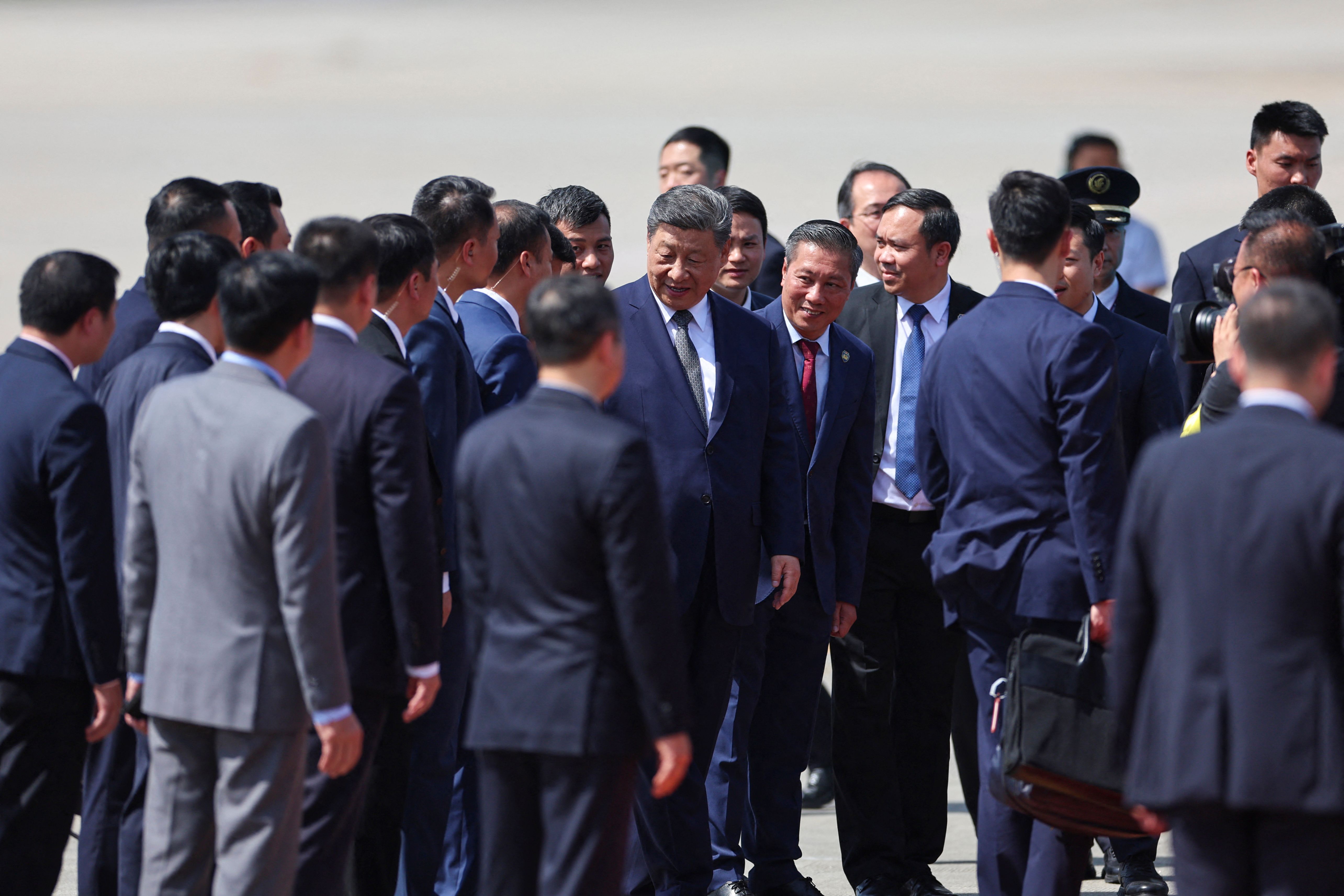
Tapping our network of China experts in the region, Carnegie China offers this latest “China Through a Southeast Asian Lens” report to offer preliminary assessments of whether the U.S. effort to reshape the global trading order will lead countries in the region to tilt toward Beijing.


Selina Ho, Khin Khin Kyaw Kyee, Joseph Ching Velasco, …
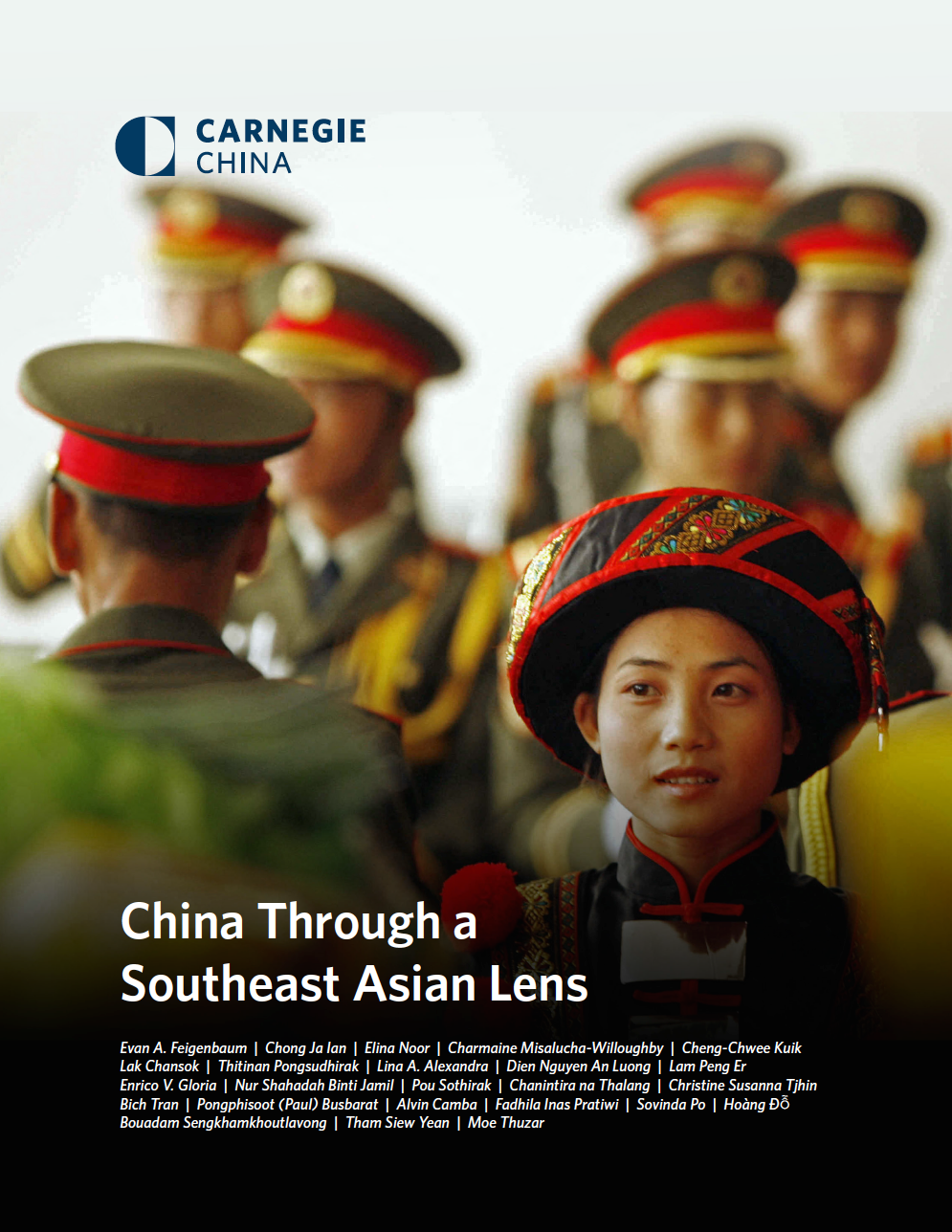
Because strategic, economic, and ideological perceptions of China contain multiple, sometimes contradictory facets in Southeast Asia, receptions of and responses to Beijing diverge across and within state lines.



Evan A. Feigenbaum, Chong Ja Ian, Elina Noor
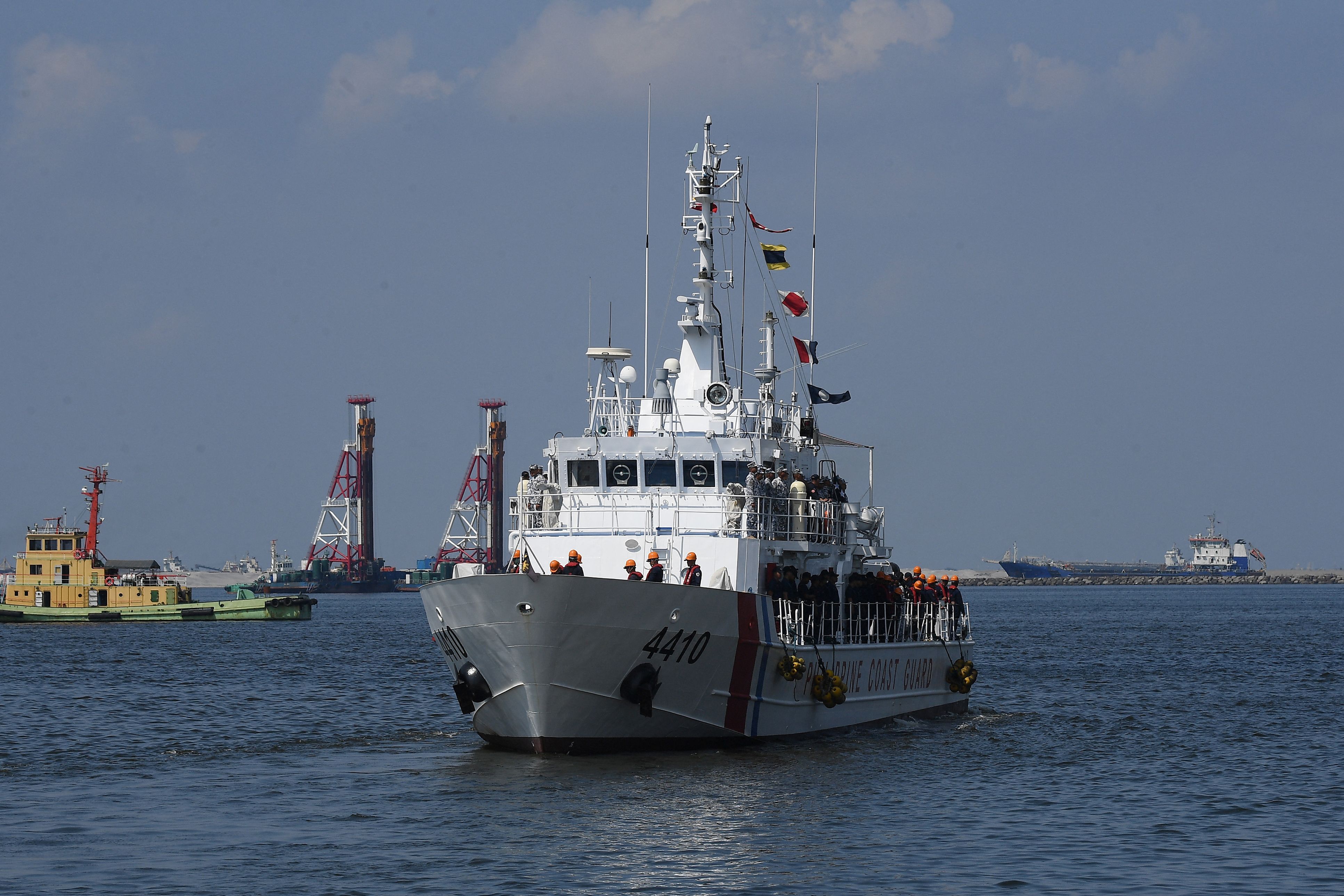
Most Southeast Asian states behave as if the actions of their Northeast Asian neighbors and the Philippines will be sufficient to maintain a regional status quo from which they can benefit.
Chong Ja Ian