

Paper
The nuclear relationship between China and the United States is increasingly shaped by widening perception gaps rather than deliberate strategic design.
Tong Zhao
{
  "authors": [
    "Doris Meissner"
  ],
  "type": "other",
  "centerAffiliationAll": "",
  "centers": [
    "Carnegie Endowment for International Peace"
  ],
  "collections": [],
  "englishNewsletterAll": "",
  "nonEnglishNewsletterAll": "",
  "primaryCenter": "Carnegie Endowment for International Peace",
  "programAffiliation": "",
  "programs": [],
  "projects": [],
  "regions": [
    "United States"
  ],
  "topics": [
    "Security",
    "Military"
  ]
}
REQUIRED IMAGE
Source: Carnegie
The September 11 terrorist attacks abruptly shifted the U.S. immigration debate from liberalizing policy with Mexico to deep misgivings about border controls. To combat terrorism, the United States must strengthen the weak links in its immigration system. This effort should concentrate on prevention by improving visa screening and admission decisions, the country's first line of defense. Other important measures to modernize systems that provide information about visitors, including foreign students, can be implemented reasonably quickly.
Although not fail-safe, these near-term improvements to the immigration system will establish a necessary balance between enforcing controls and facilitating movement. This balance, which has often been lacking, will enable the United States to deter threats more effectively yet continue to capitalize on the benefits of immigration. The nation thus will maintain its openness to the world and defense of civil liberties while ensuring that immigration rules are made to matter.
Click on link above for the full text of this Policy Brief.
About the Author
Doris Meissner is former commissioner of the US Immigration and Naturalization Service, where her accomplishments included reforming the nation's asylum system; creating new strategies to manage US borders in the context of open trade; improving services for immigrants; effectively handling humanitarian crises; and strengthening cooperation with Canada, Mexico, and other countries.
In 1989, Ms. Meissner founded the Carnegie Endowment's International Migration Policy Program, which became one of the world's premier sources of analysis regarding migration and refugees. She left in 1993, when President Clinton appointed her INS commissioner; she served in that post through 2000. She rejoined the Endowment in 2001 to direct a new research project in the Global Policy Program that explores the issues and challenges nations face in implementing global policies.
Former Senior Associate
Carnegie does not take institutional positions on public policy issues; the views represented herein are those of the author(s) and do not necessarily reflect the views of Carnegie, its staff, or its trustees.

The nuclear relationship between China and the United States is increasingly shaped by widening perception gaps rather than deliberate strategic design.

Tong Zhao

But their "principal to principal" model will only be as effective as the political strength of each leader back home.

Damien Ma

U.S. unpredictability has allowed China to capitalize on its positioning as the “responsible great power”. Paradoxically, the more China wins the perception game, the more likely expectations will rise for Beijing to deliver not just words but to demonstrate with its deeds.

Chong Ja Ian
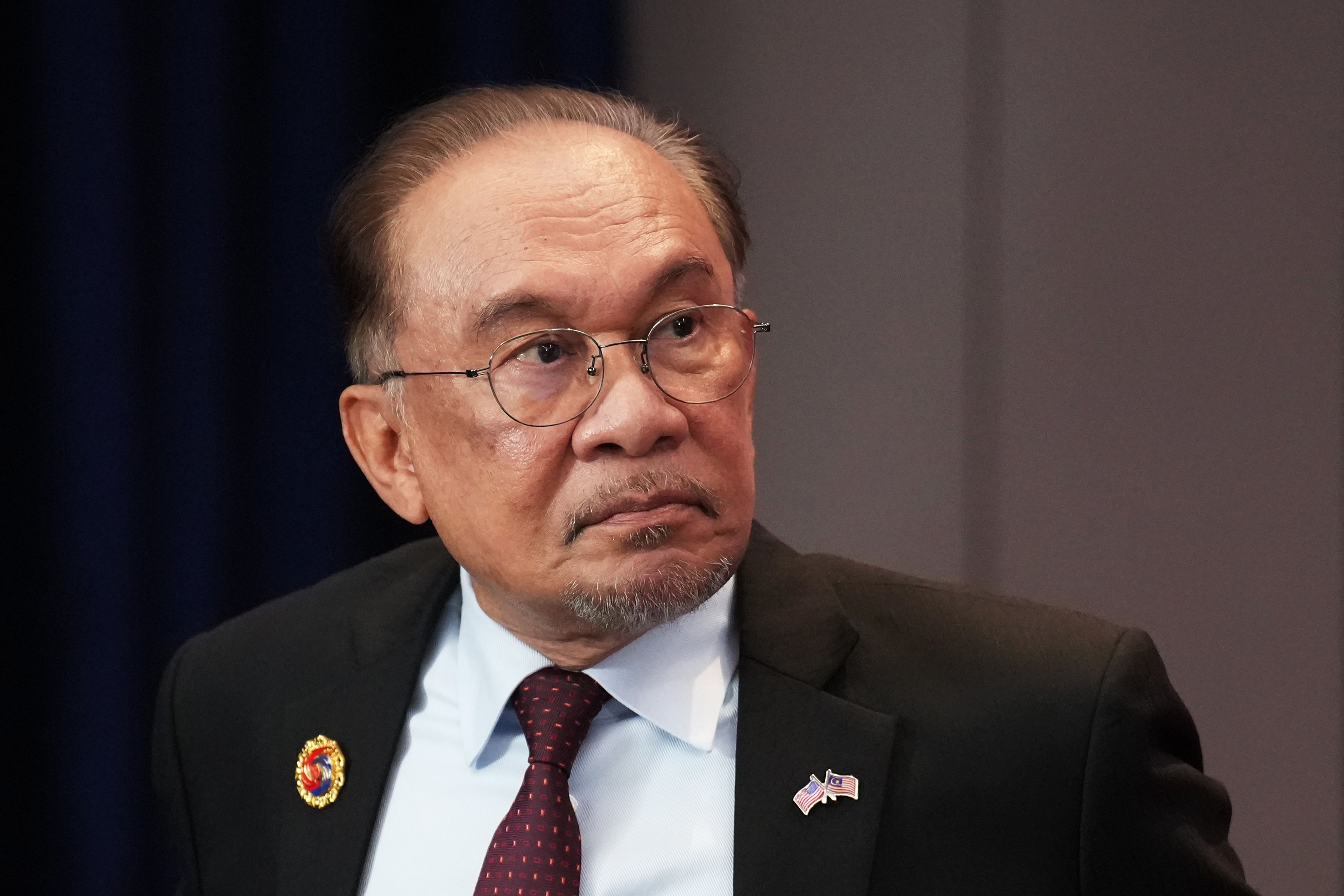
For Malaysia, the conjunction that works is “and” not “or” when it comes to the United States and China.

Elina Noor
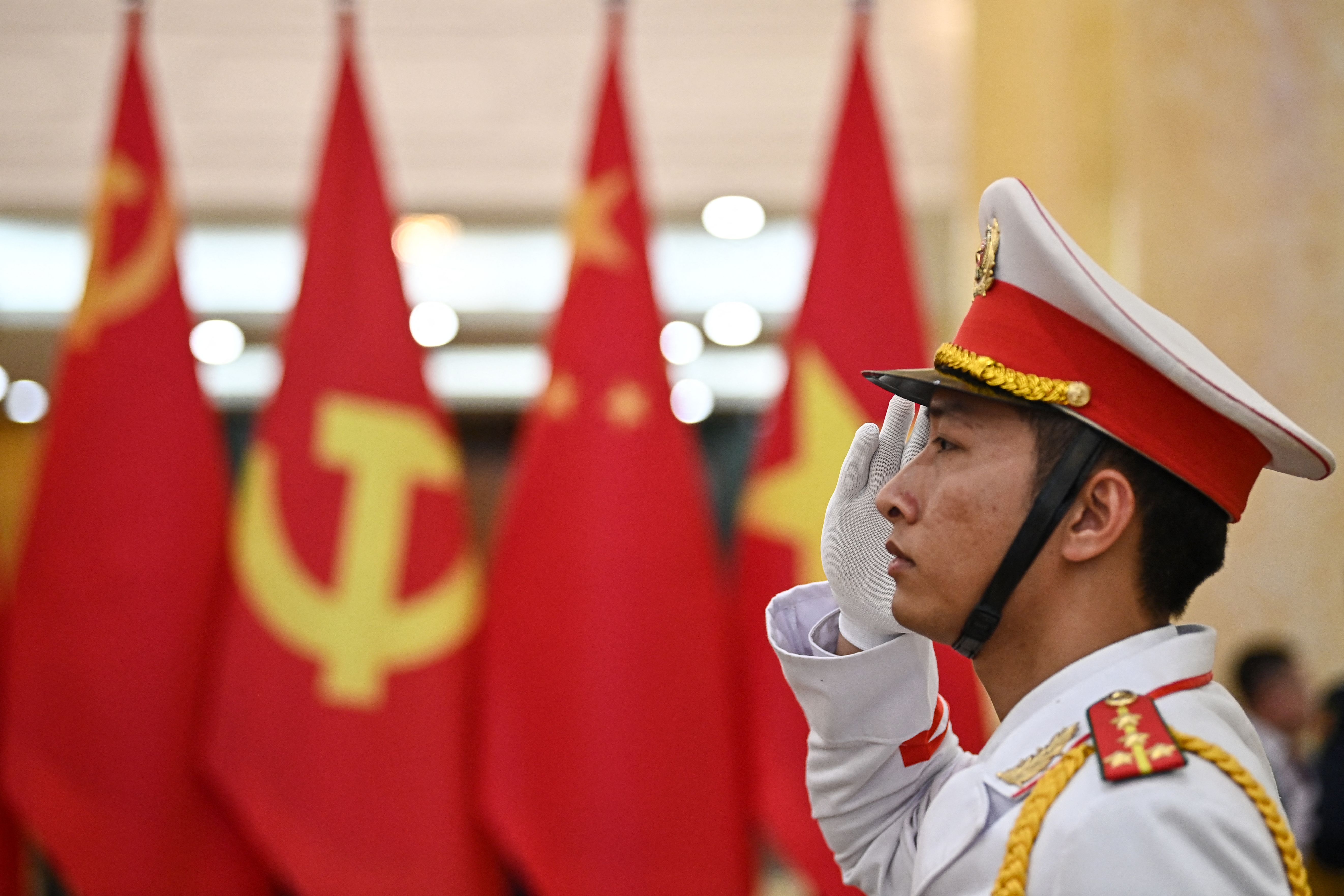
In July 2025, Vietnam and China held their first joint army drill, a modest but symbolic move reflecting Hanoi’s strategic hedging amid U.S.–China rivalry.

Nguyễn Khắc Giang