

Paper
- +1
Mr. Lee Feinstein, James Clad, Lewis Dunn, …
{
  "authors": [
    "Lee Feinstein"
  ],
  "type": "legacyinthemedia",
  "centerAffiliationAll": "dc",
  "centers": [
    "Carnegie Endowment for International Peace"
  ],
  "collections": [],
  "englishNewsletterAll": "ctw",
  "nonEnglishNewsletterAll": "",
  "primaryCenter": "Carnegie Endowment for International Peace",
  "programAffiliation": "NPP",
  "programs": [
    "Nuclear Policy"
  ],
  "projects": [],
  "regions": [
    "Caucasus",
    "Russia"
  ],
  "topics": [
    "Nuclear Policy"
  ]
}
REQUIRED IMAGE
President Bush said in May that he wanted to build a new "strategic framework" for nuclear relations between the United States and Russia. Six months later, he has taken a significant step in that direction with the announcement Tuesday of intentions to reduce U.S. nuclear forces and of a hoped-for compromise on missile defense to be worked out at Crawford, Texas, in days to come.
Source: Carnegie
Carnegie Visiting Scholar Lee Feinstein offers this analysis on President Bush's historic opportunity to shape nuclear relations between the United States and Russia. Mr. Feinstein is a former principal deputy director of the U.S. Department of State's policy planning staff and a former Pentagon official. Currently, he is also a resident fellow at the German Marshall Fund of the United States. His analysis originally appeared in the Los Angeles Times on November 14, 2001.
___________________
President Bush said in May that he wanted to build a new "strategic framework" for nuclear relations between the United States and Russia. Six months later, he has taken a significant step in that direction with the announcement Tuesday of intentions to reduce U.S. nuclear forces and of a hoped-for compromise on missile defense to be worked out at Crawford, Texas, in days to come.
If successful, this agreement would give the United States the ability to pursue an effective missile defense while reducing nuclear forces to their lowest deployed levels since the 1950s.
But based on the statements of some of the president's advisors, you would hardly know that Bush could be on the brink of a historic agreement with his Russian counterpart. Some administration officials have said that this potential agreement is not an agreement at all. That the talks that could produce it are not negotiations. And that the agreement wouldn't update existing pacts (some negotiated by the president's father) but instead would mark the end of the era of agreements. What's going on? The answer may be that Bush's advisors are trying to bridge the divide inside the administration and the GOP between those willing to close a deal with Moscow if the terms are right and those who, in principle, oppose negotiated reductions with Russia.
But actions speak louder than words and, judging by events so far, round No.1 goes to the moderates. Here's what is happening:
Like the Clinton administration before it, the Bush team has threatened withdrawal from the Antiballistic Missile Treaty, partly because it reflects the views of some in the administration and partly as a strategy to win concessions from Moscow. The public debate between moderates and hardliners inside the Bush administration on whether to abrogate the ABM treaty, whatever its larger impact on U.S. diplomacy, has been helpful to U.S. negotiators. Outspoken administration tough guys make the administration's threats to walk away from the ABM treaty credible and help push Moscow toward agreement, even though Bush, unlike his predecessor, has not settled on a plan for deploying a missile defense.
Clinton administration negotiators also threatened to pull out of the ABM treaty if negotiations did not produce results. But Congress and others publicly doubted the Clinton administration's commitment to a missile defense, which had the effect of undercutting the U.S. negotiating position. As a result, President Vladimir V. Putin chose to run out the clock and to take his chances with a new administration, instead of closing a deal with the departing Clinton team.
Another main component of Bush's strategy was to be prepared to offer mutual cuts in nuclear forces in exchange for flexibility on missile defense. Tuesday the president said that over the next decade the U.S. would reduce its stockpiles to 1,700 to 2,200 long-range nuclear weapons. Although portrayed at first as a unilateral step, Bush said Tuesday, "If we need to write it down on a piece of paper, I'd be glad to do that."
The Clinton team was prepared to make a similar trade--perhaps reducing the stockpiles to 1,500 nuclear weapons--when and if the Russians made concessions on missile defenses. But unlike the Bush team, the previous administration would have had to contend with opposition at home to further cuts in U.S. nuclear forces.
The hoped-for Crawford agreement would be an interim accord, kicking many difficult details down the road. In this sense, too, it would follow the approach of the previous administration, which called for negotiating with Russia in two smaller bites, rather than one big one.
In less than a year in office, Bush could conclude an interim deal with Putin that would be a sizable down payment on the new strategic framework that the president pledged to build for the new century.
The administration's commitment to a cooperative outcome will be tested in the future, and there is more to do to seal the deal at Crawford. But such an agreement would be welcomed by the overwhelming majority of Americans and garner broad support in Congress. That is why the president is likely to press Moscow for a missile defense agreement--even if he doesn't call it one.
Former Visiting Scholar
Recent Work
Mr. Lee Feinstein, James Clad, Lewis Dunn, …
Carnegie does not take institutional positions on public policy issues; the views represented herein are those of the author(s) and do not necessarily reflect the views of Carnegie, its staff, or its trustees.

The nuclear relationship between China and the United States is increasingly shaped by widening perception gaps rather than deliberate strategic design.

Tong Zhao
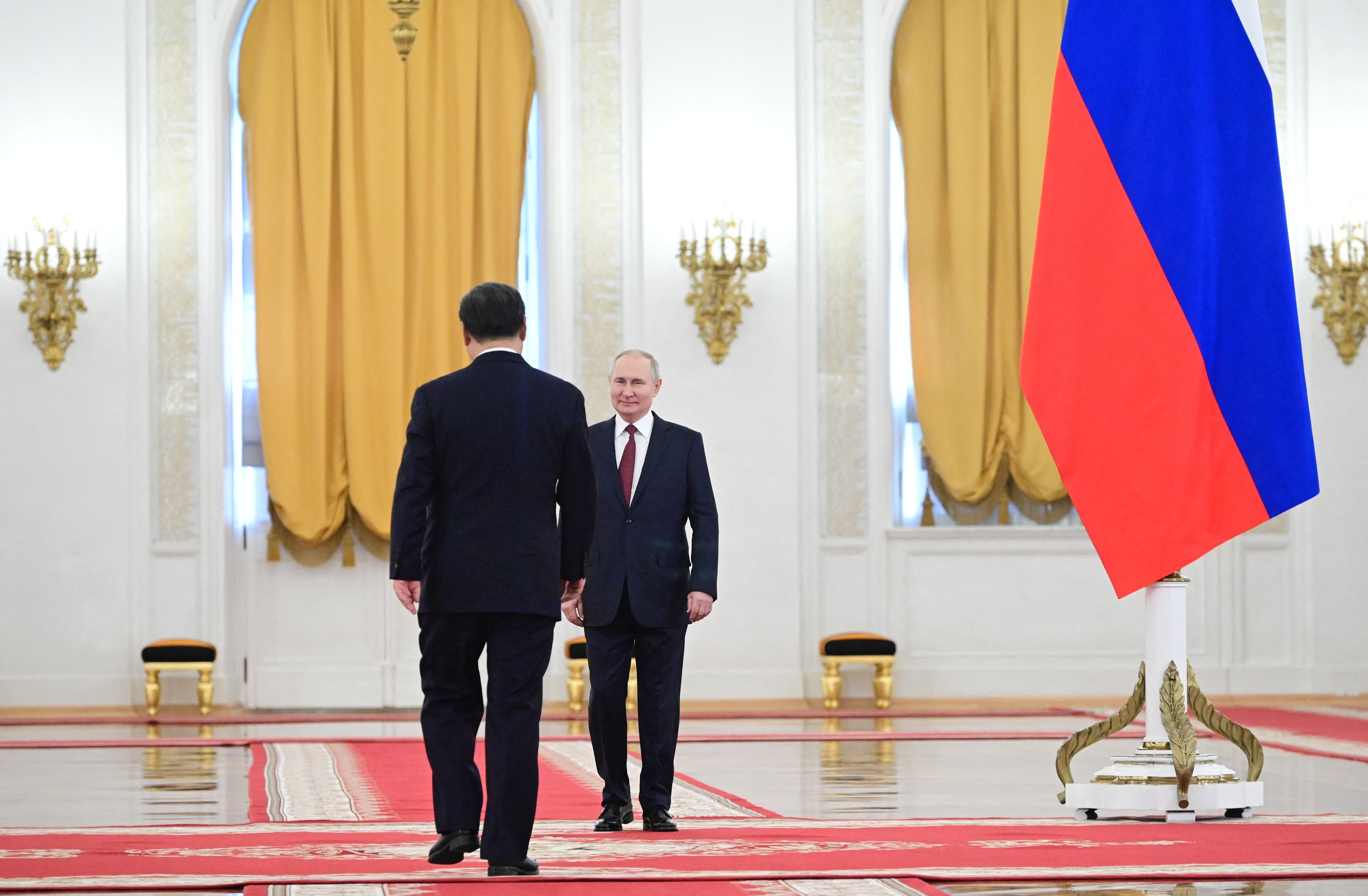
Beijing is trying to navigate the overall situation regarding Ukraine, especially the substance of interactions between Washington and Moscow.



Ellen Nakashima, Zhao Long, Pavlo Klimkin, …
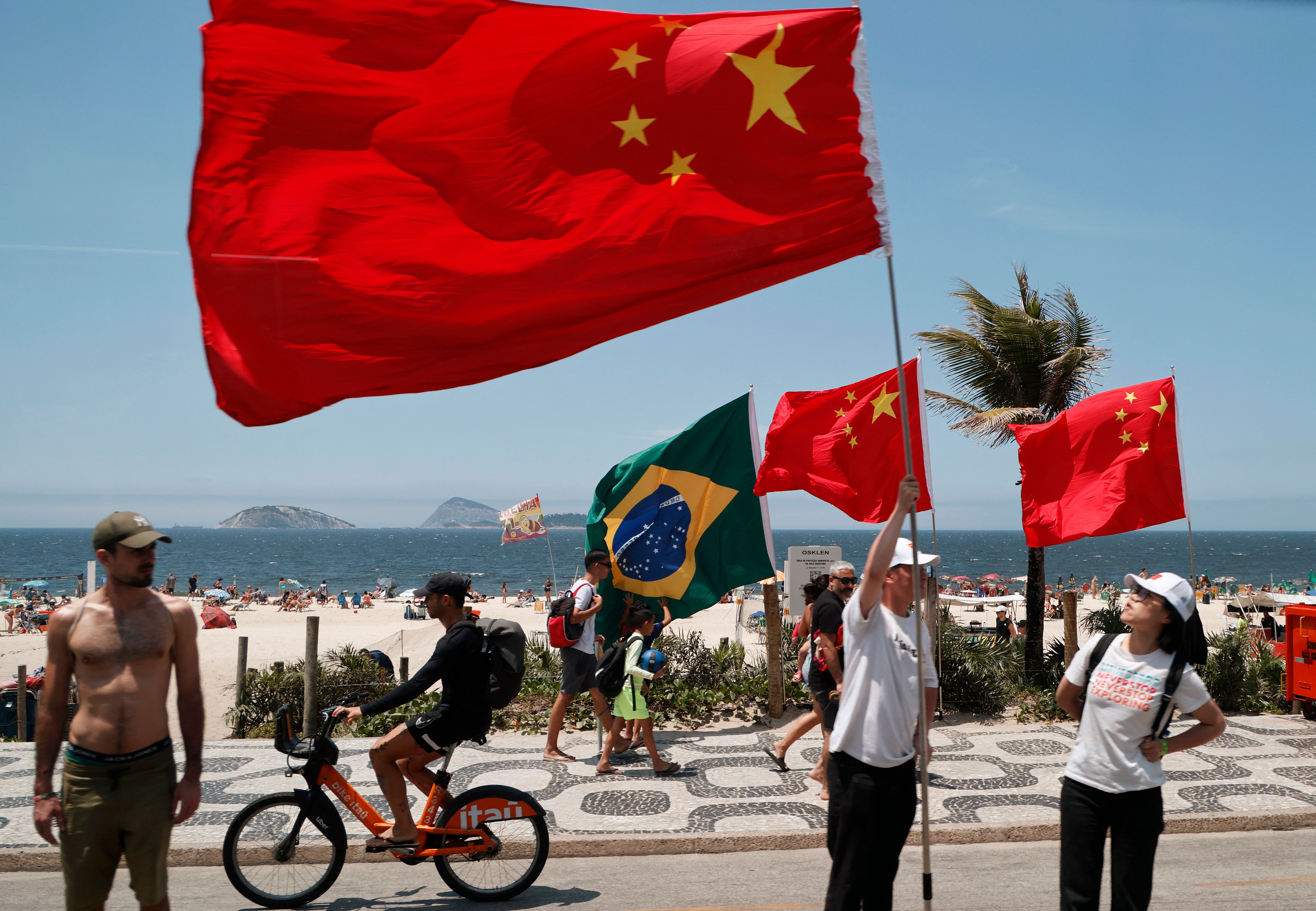
While China will remain a significant political and economic force in the Global South, its ambition to leverage the Global South as a counterbalance to the United States and the Global North is far from assured.

Xue Gong
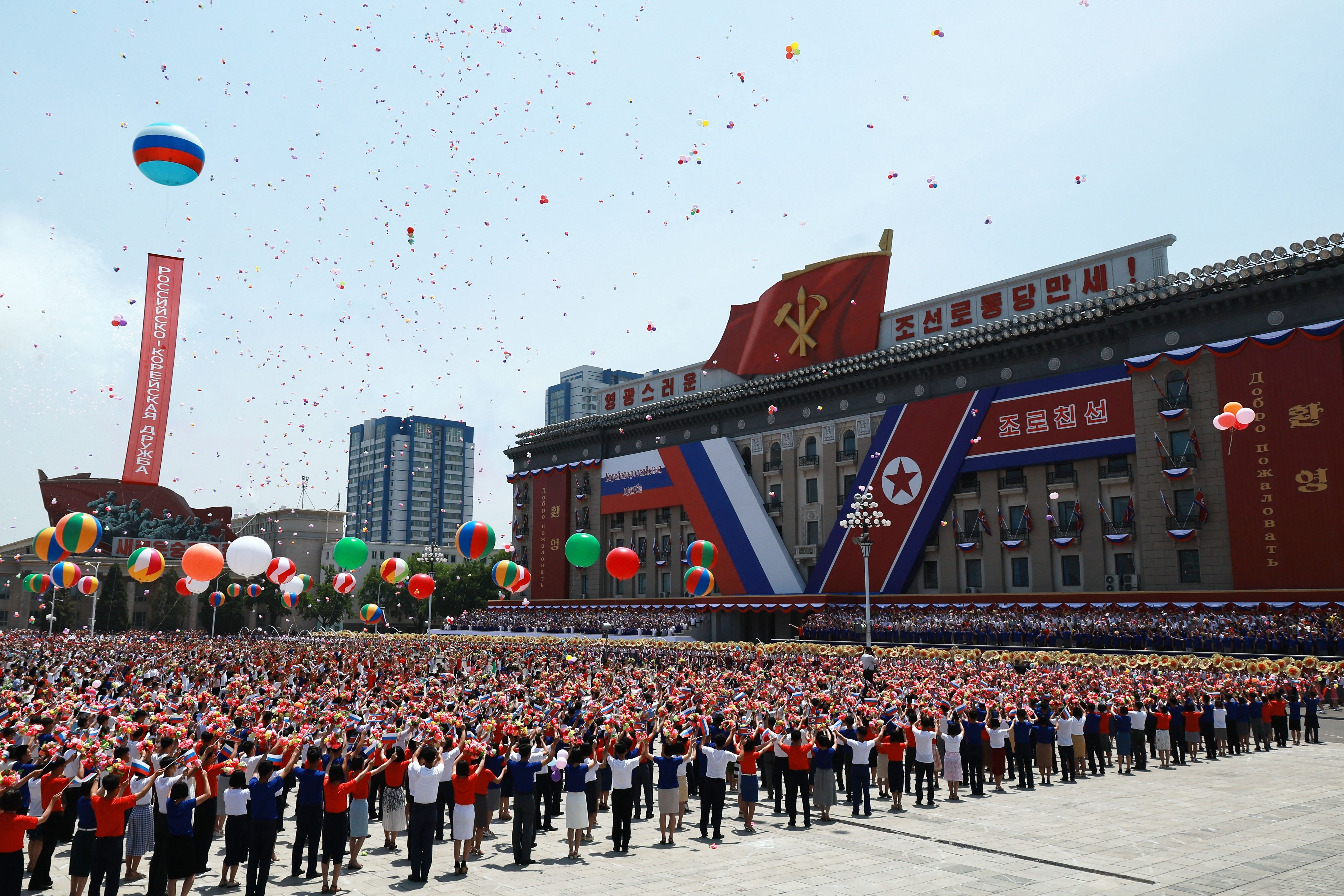
Faced with an increase in strategic maneuvering by Moscow and Pyongyang, Beijing will not sit idly by and allow Putin and Kim to shape the security environment on its behalf.
Tong Zhao
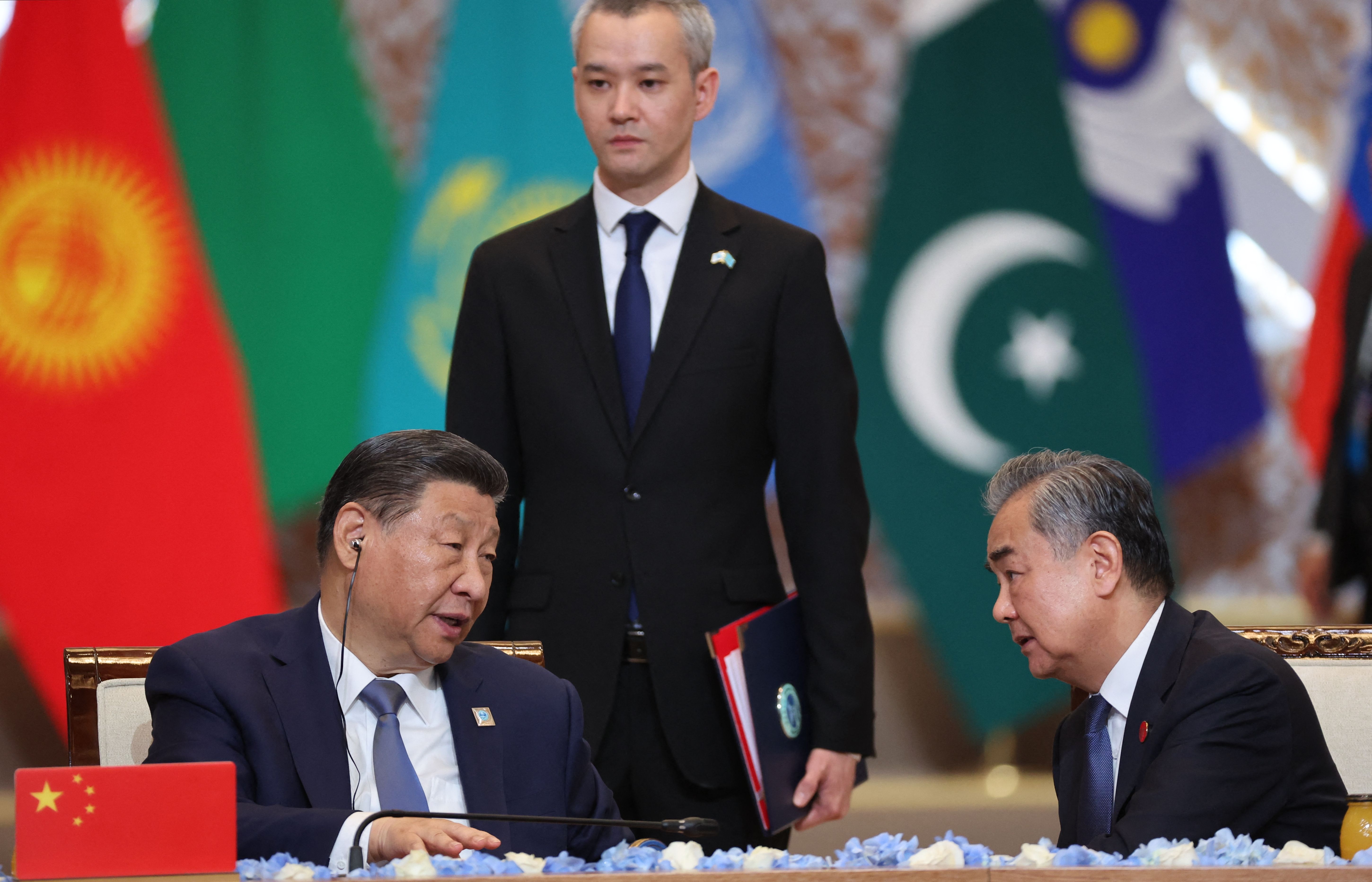
China’s growing attention to Central Asia is perceived as a harbinger of tectonic shifts in regional geopolitics.

Temur Umarov