

Other
Fiona Hill, Anatol Lieven, Thomas de Waal
{
  "authors": [
    "Anatol Lieven"
  ],
  "type": "legacyinthemedia",
  "centerAffiliationAll": "dc",
  "centers": [
    "Carnegie Endowment for International Peace"
  ],
  "collections": [],
  "englishNewsletterAll": "ctw",
  "nonEnglishNewsletterAll": "",
  "primaryCenter": "Carnegie Endowment for International Peace",
  "programAffiliation": "russia",
  "programs": [
    "Russia and Eurasia"
  ],
  "projects": [],
  "regions": [],
  "topics": [
    "Security"
  ]
}
REQUIRED IMAGE
Source: Carnegie
Copyright Financial Times, January 27, 2002
Before September 11, the US suffered from a chronic inability to choose among
international priorities. The terrorist attacks have changed that. They have
not made the US administration more sensitive to the interests or opinions of
others, but they have forced it to recognise the greatest real threats to America
and to shape strategy accordingly.
It is now time for Europe to follow suit, especially when it comes to the direction
of economic aid - the main thing Europe has to offer to international security.
The starting-point for strategic thinking on this subject should be that geo-graphy
still matters, even in the context of a global struggle against terrorism and
its roots.
The greatest dangers to Europeans, and Europeans' greatest capacity to do something
about them, come from near - and in some cases, within - Europe's borders.
This is especially true of the Muslim states of the Maghreb on the other side
of the Mediterranean: Morocco, Tunisia and, above all, Algeria.
From this point of view, there are risks both in excessive concentration on
"burden-sharing" with the US and in the wildly ambitious language
of global salvation used by Tony Blair, UK prime minister, at the Labour party
conference soon after September 11.
Resources for foreign aid are always going to be limited. "Burden-sharing"
must not come to mean Europe trailing in the wake of US military operations
over which it has no influence and with which in future it may not even agree.
Nor should available funds and energy be frittered away in penny packets on
a set of distant, enormous and probably irreparable catastrophes such as the
Congo. If Europe is to be effective, it has to prioritise.
Europe may be just as threatened by Islamist extremism as the US - but the threat
is a different one. It does not come simply from terrorism but from a combination
of terrorism, Muslim immigration and European chauvinist reaction.
The Maghreb is to the southern European states what Mexico is to the US. Yet
it is poorer, with faster-growing populations and with a radical Islamist threat
added. Immigrants, legal and illegal, may be heading for Europe from all over
the world, but by far the largest numbers in France, Spain and Italy are from
the Maghreb.
And as repeated riots have reminded us, large numbers of impoverished European
Muslims have good reason to feel alienated from the societies in which they
live and have had great difficulty assimilating into those societies.
It is not just Muslim extremism we need to worry about but anti-Muslim extremism.
Perhaps the most worrying direct result in western Europe of the September 11
attacks has been the way that they have been used by certain right wing parties
to legitimise chauvinism directed against Muslim minorities and, indirectly,
against minorities in general. This tendency can be seen even in Scandinavia
but is most dangerous in southern Europe and, for the moment at least, in Italy.
If such parties can increase their votes by whipping up fears of Muslim immigrants
and terrorism, this will be bad not only for domestic politics but also for
the image of Europe as a model of relative ethnic tolerance and multiculturalism.
The impact among would-be EU members in eastern Europe, where such values are,
to put it mildly, only weakly rooted, could be severe. What is more, because
nationalist parties in these countries also tend to be hostile to the EU, their
rise could endanger the cohesion of the union, the future of the euro and the
entire European project.
Trying to check illegal immigration requires stronger border controls. From
the point of view of a real contribution to European security, many of the EU's
existing soldiers and sailors would be better deployed on border patrols than
as members of military units that will never serve in any real military operation.
But we must be equally clear that tighter borders are not enough. We need to
do everything possible to help develop the countries from which the largest
numbers of immigrants originate. The problems of the Maghreb need to be seen
as problems for Europe as a whole and the EU should direct much more concentrated,
intelligent and generous assistance towards that region.
A potential framework for this already exists in the form of the Euro- Mediterranean
Partnership, signed in Barcelona in 1995, and the EU Association agreements
with the three Maghreb states.
Tunisia gives some idea of what can be achieved. It saw considerable progress
in the course of the 1990s. Economic growth was an average of 4.6 per cent a
year and per capita income is well above the regional average. Crucially, annual
population growth has been brought down to a stable 1.3 per cent.
This progress owed a good deal to generous European aid and to European backing
for assistance from the international financial institutions. It was also, critically,
due to the relative openness of European markets, which take by far the greater
part of the region's exports.
But even in Tunisia, annual per capita income at $2,129 in 2000 is far below
EU levels and the regional average is only $1,512. Unless these figures can
be radically improved, massive illegal immigration into the EU will continue.
Nw In the new international context, there is every reason to increase further
aid to the Mahgreb. One important area should be education, with its key implications
for combating the radicalisation of youth and improving economic growth, women's
rights and family planning. Others should be transport infrastructure and rural
development.
There is much talk at the moment in the US of turning Afghanistan into a successful
"beachhead" of democracy and economic progress in the Muslim world.
If one is to think in these terms, then even by the standards of the Muslim
world Afghanistan looks like an exceptionally rocky beach on which to land.
Europe might make a more useful contribution both to the war against terrorism
and to its own future if it concentrated its efforts closer to home.
The writer is a senior associate at the Carnegie Endowment for International
Peace in Washington, DC
Former Senior Associate
Recent Work

Fiona Hill, Anatol Lieven, Thomas de Waal
Carnegie does not take institutional positions on public policy issues; the views represented herein are those of the author(s) and do not necessarily reflect the views of Carnegie, its staff, or its trustees.
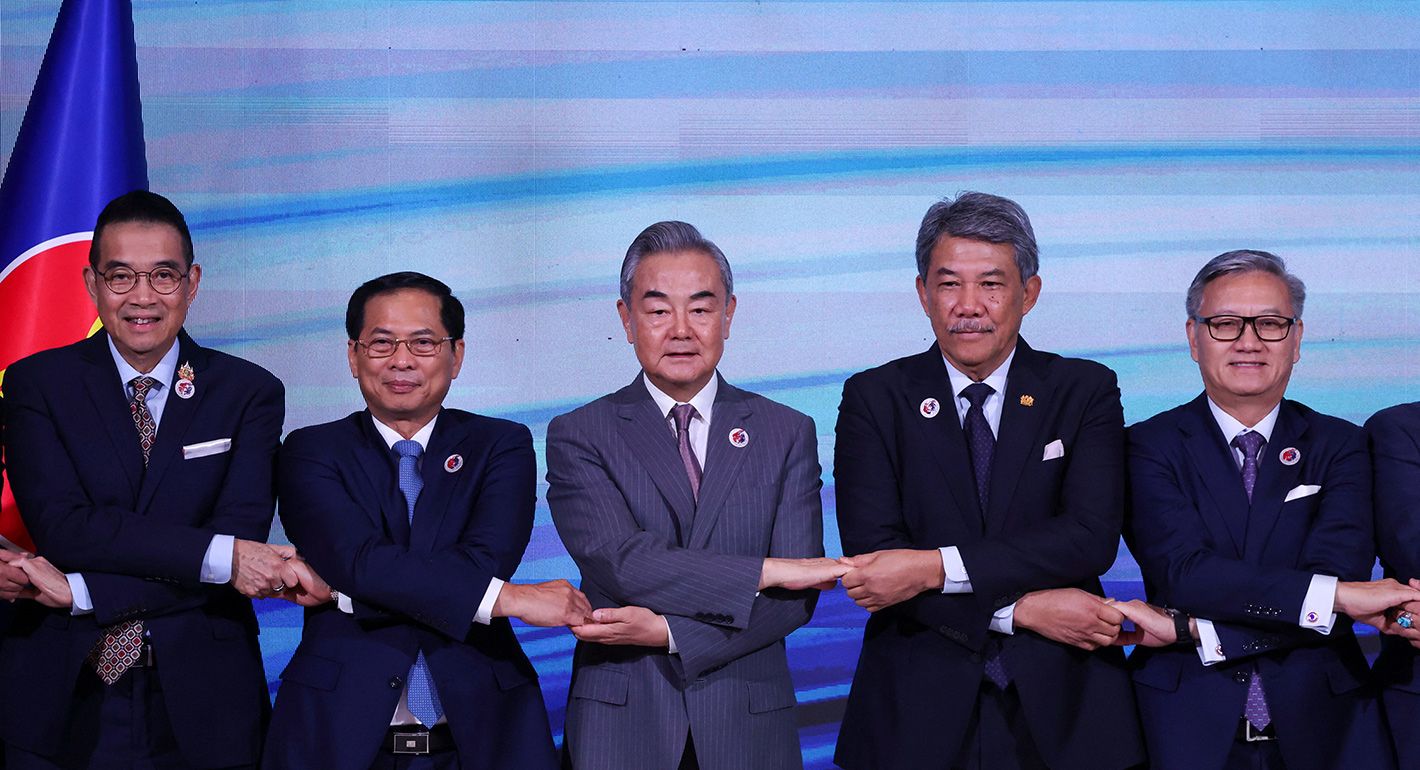
The Thai-Cambodian conflict highlights the limits to China's peacemaker ambition and the significance of this role on Southeast Asia’s balance of power.

Pongphisoot (Paul) Busbarat
Beijing believes that Washington is overestimating its own leverage and its ability to handle the trade war’s impacts.

Rick Waters, Sheena Chestnut Greitens
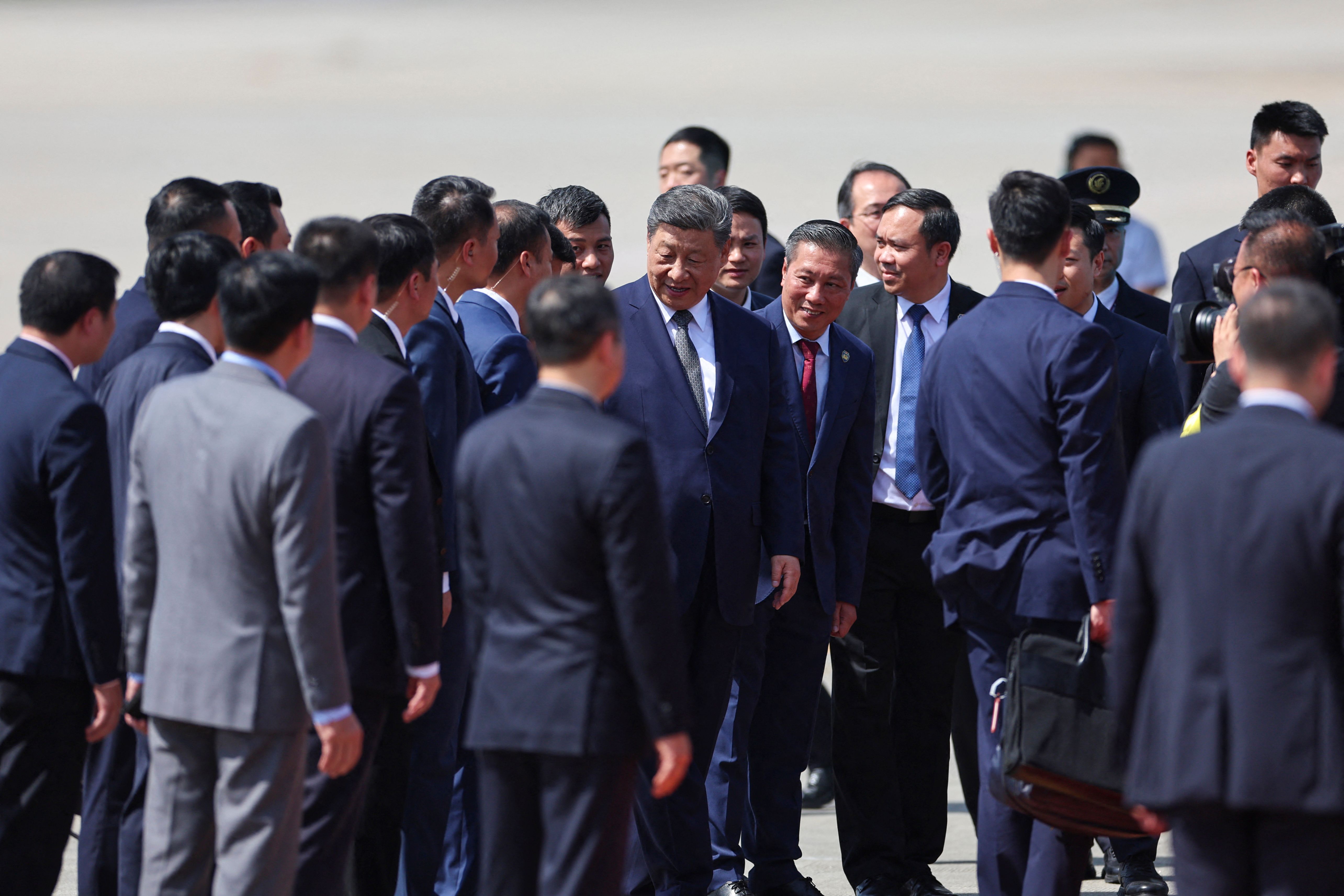
Tapping our network of China experts in the region, Carnegie China offers this latest “China Through a Southeast Asian Lens” report to offer preliminary assessments of whether the U.S. effort to reshape the global trading order will lead countries in the region to tilt toward Beijing.


Selina Ho, Khin Khin Kyaw Kyee, Joseph Ching Velasco, …
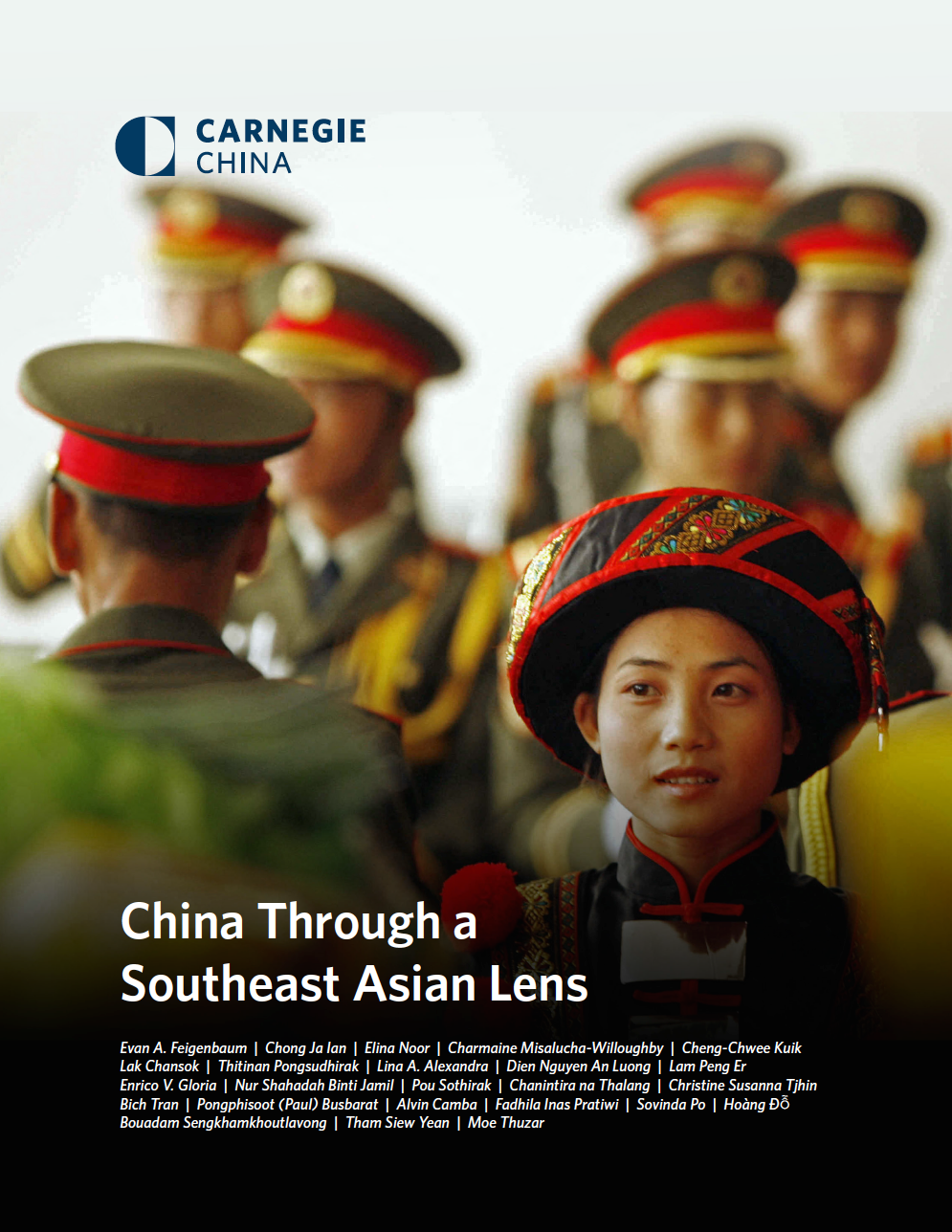
Because strategic, economic, and ideological perceptions of China contain multiple, sometimes contradictory facets in Southeast Asia, receptions of and responses to Beijing diverge across and within state lines.



Evan A. Feigenbaum, Chong Ja Ian, Elina Noor
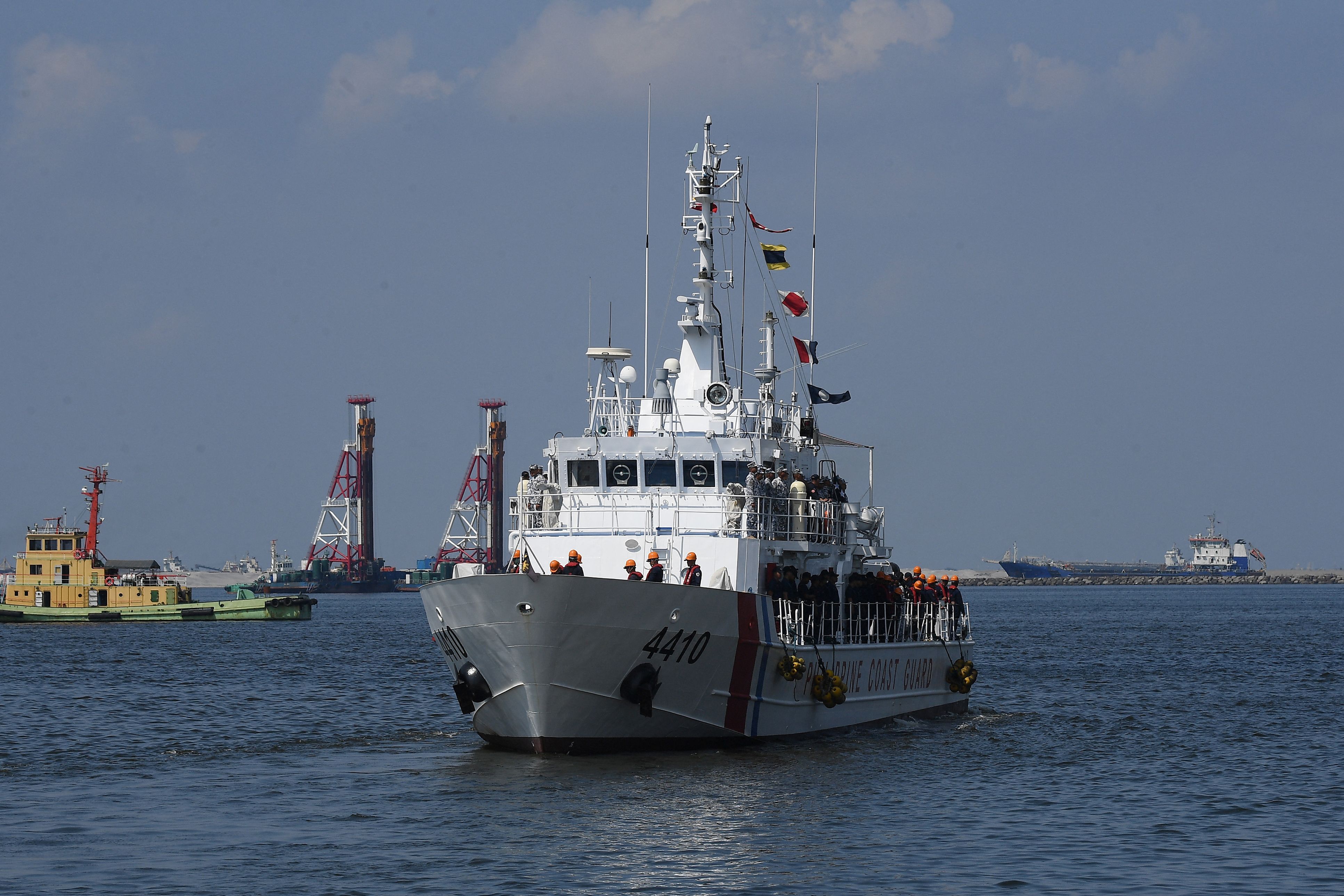
Most Southeast Asian states behave as if the actions of their Northeast Asian neighbors and the Philippines will be sufficient to maintain a regional status quo from which they can benefit.
Chong Ja Ian