

Commentary
In the latest Five-Year Plan, the Chinese president cements the shift to an innovation-driven economy over a consumption-driven one.
Damien Ma
{
  "authors": [
    "Peter Eigen"
  ],
  "type": "other",
  "centerAffiliationAll": "",
  "centers": [
    "Carnegie Endowment for International Peace"
  ],
  "collections": [],
  "englishNewsletterAll": "",
  "nonEnglishNewsletterAll": "",
  "primaryCenter": "Carnegie Endowment for International Peace",
  "programAffiliation": "",
  "programs": [],
  "projects": [],
  "regions": [],
  "topics": [
    "Economy",
    "Trade"
  ]
}
REQUIRED IMAGE
The economic and social costs of corruption-induced market distortions are widely recognized. WTO members must make a commitment to fight cross-border corruption while building trust and collaboration between industrial and developing countries to achieve broader WTO institutional reform.
The economic and social costs of corruption-induced market distortions are widely recognized. In response, civil society groups, governments, and international institutions all are taking steps to put a stop to corruption's corrosive effects on development. As a necessary complement to these emerging anticorruption initiatives, the WTO must now join this effort and devise trade-focused mechanisms to prevent corruption. A key opportunity in this regard is the potential WTO agreement on transparency in government procurement. Resistance to its inclusion as part of the WTO Doha Ministerial was strongest from developing nations-precisely those countries that could realize the greatest benefits from anticorruption reform. Beyond this stalemate, WTO members must make a commitment to fight cross-border corruption while building trust and collaboration between industrial and developing countries to achieve broader WTO institutional reform.
Click on links above for full text of this TED Policy Brief in English and Spanish.
A limited number of print copies are available.
Request a copy.
About the Author
Peter Eigen is the founder and chairman of Transparency International, the leading nonprofit organization engaged in the fight against corruption. In 2001 he became a visiting scholar at the Carnegie Endowment and a professorial lecturer at the Nitze School of Advanced International Studies of John Hopkins University.
The Trade, Equity, and Development (TED) Series is part of an effort by Carnegie's Trade, Equity, and Development Project to broaden the debate surrounding trade liberalization to include perspectives not normally present in the Washington policy community.
Also in the TED series:
Environment's New Role in U.S. Trade Policy, John Audley
Reforming Global Trade in Agriculture: A Developing-Country Perspective, Shishir Priyadarshi
Doha: Is It Really a Development Round?, Kamal Malhotra
Former Visiting Scholar

In the latest Five-Year Plan, the Chinese president cements the shift to an innovation-driven economy over a consumption-driven one.

Damien Ma

Regulation, not embargo, allows Beijing to shape how other countries and firms adapt to its terms.
Alvin Camba
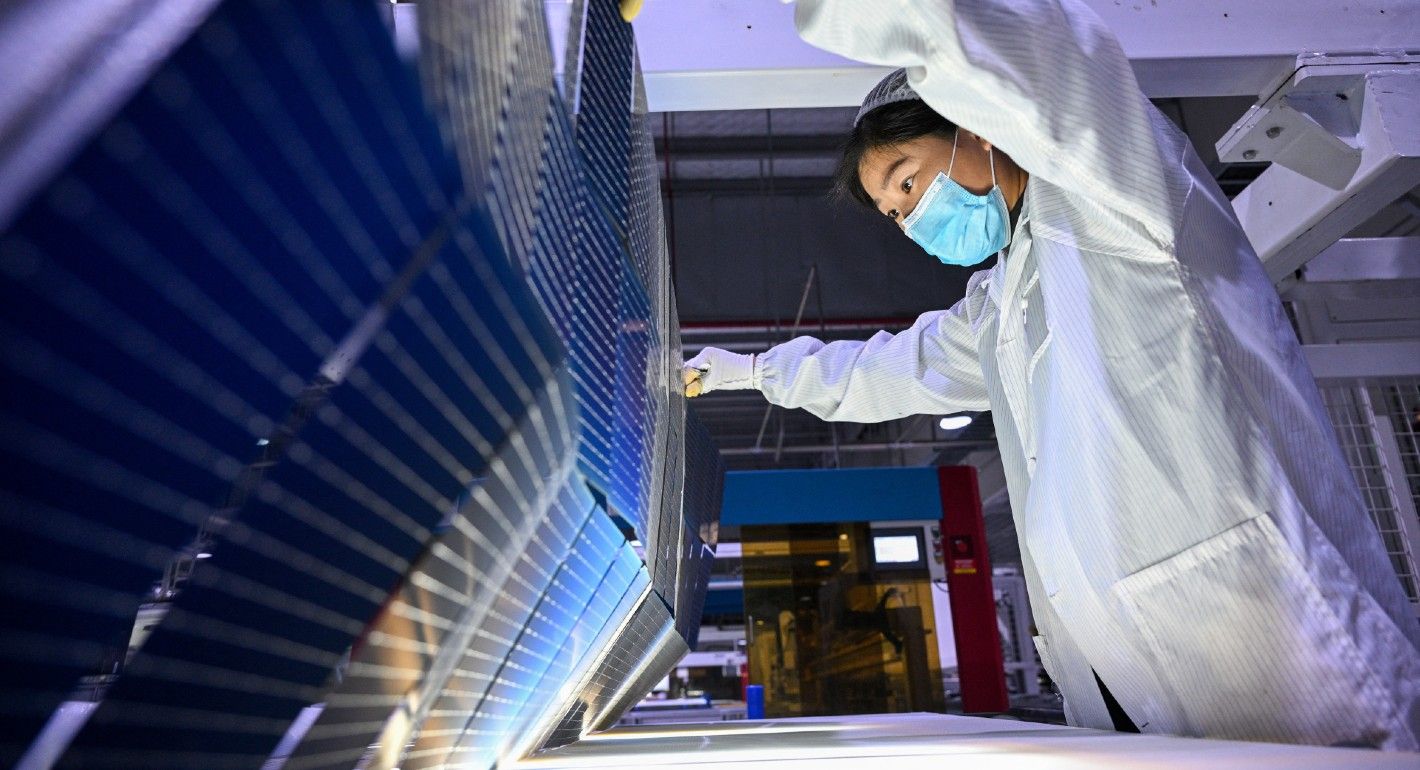
Rather than climate ambitions, compatibility with investment and exports is why China supports both green and high-emission technologies.

Mathias Larsen
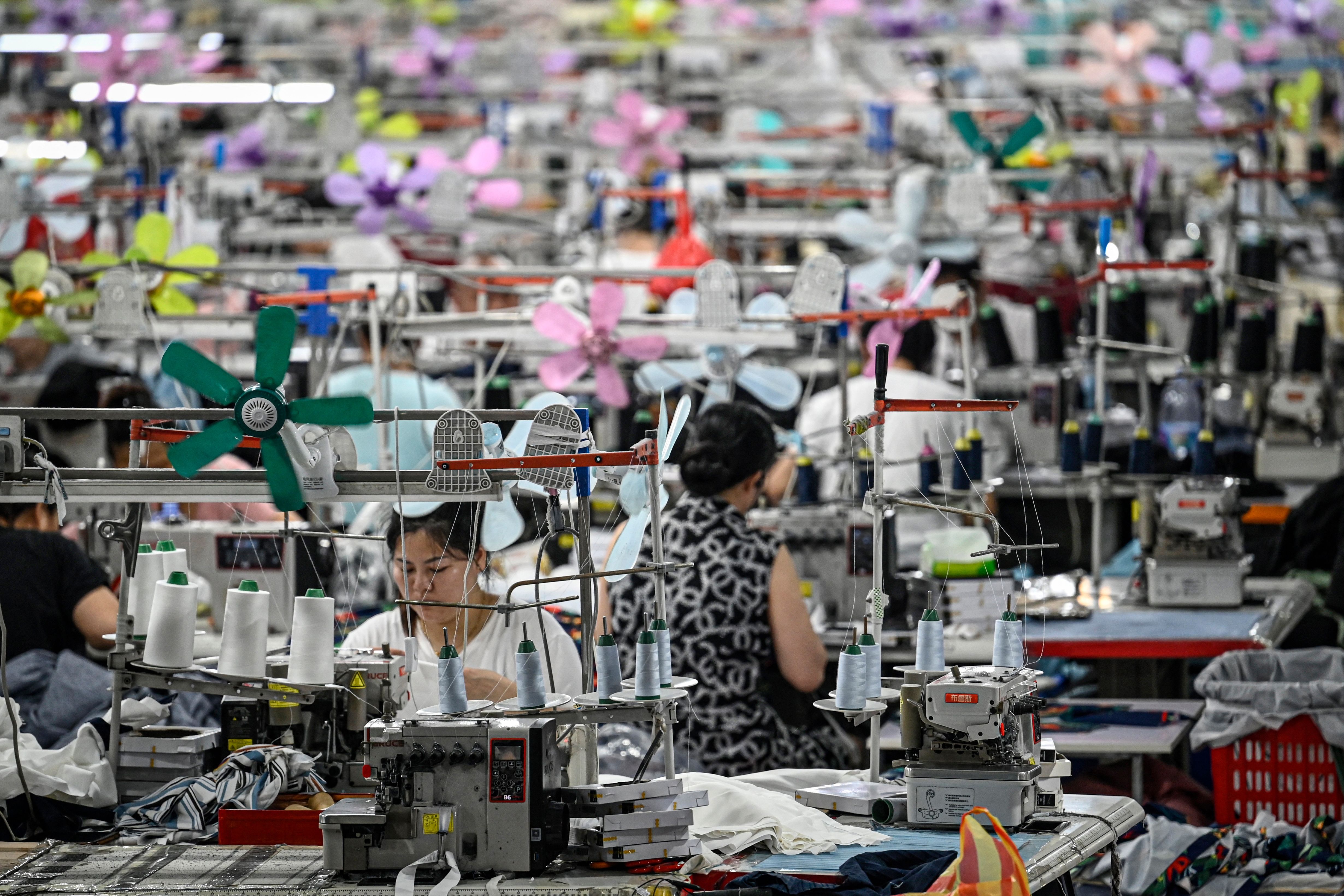
“Involution” is a new word for an old problem, and without a very different set of policies to rein it in, it is a problem that is likely to persist.

Michael Pettis

While China's investment story seems contradictory from the outside, the real answers to Beijing's high-quality growth ambitions are hiding in plain sight across the nation's cities.
Yuhan Zhang