

In The Media
Minxin Pei
{
  "authors": [
    "Minxin Pei"
  ],
  "type": "legacyinthemedia",
  "centerAffiliationAll": "dc",
  "centers": [
    "Carnegie Endowment for International Peace"
  ],
  "collections": [],
  "englishNewsletterAll": "asia",
  "nonEnglishNewsletterAll": "",
  "primaryCenter": "Carnegie Endowment for International Peace",
  "programAffiliation": "AP",
  "programs": [
    "Asia",
    "Democracy, Conflict, and Governance"
  ],
  "projects": [],
  "regions": [
    "United States",
    "Middle East",
    "Iraq"
  ],
  "topics": [
    "Political Reform",
    "Democracy",
    "Economy",
    "Military",
    "Foreign Policy"
  ]
}
REQUIRED IMAGE
Source: Carnegie
THE PARADOXES OF AMERICAN NATIONALISM
Foreign Policy magazine, May/June 2003
Full
text (PDF format)
Summary
As befits a nation of immigrants, American Nationalism is defined not by notions
of ethnic superiority, but by a belief in the supremacy of U.S. democratic ideals.
This disdain for Old World nationalism creates a dual paradox in the American
psyce First, despite this nationalistic fervor, U.S. policymakers generally
fail to appreciate the power of nationalism abroad.
About the Author
Minxin Pei is senior associate and codirector of the Endowment's
China Program. He is the author of From Reform to Revolution: The Demise
of Communism in China and the Soviet Union (Harvard University Press, 1994)
and China's Trapped Transition: The Limits of Developmental Autocracy
(Harvard University Press, forthcoming).
Also by Minxin Pei:
Lessons From
The Past: The American Record of Nation Building(Carnegie Endowment
Policy Brief No. 24)
Beijing Drama:
China's Governance Crisis and Bush's New Challenge (Carnegie Endowment
Policy Brief No. 21)
Rebalancing
United States—China Relations (Carnegie Endowment Policy Brief
No. 13), coauthored with Michael
Swaine
Future
Shock: The WTO and Political Change in China (Carnegie Endowment Policy
Brief No. 3)
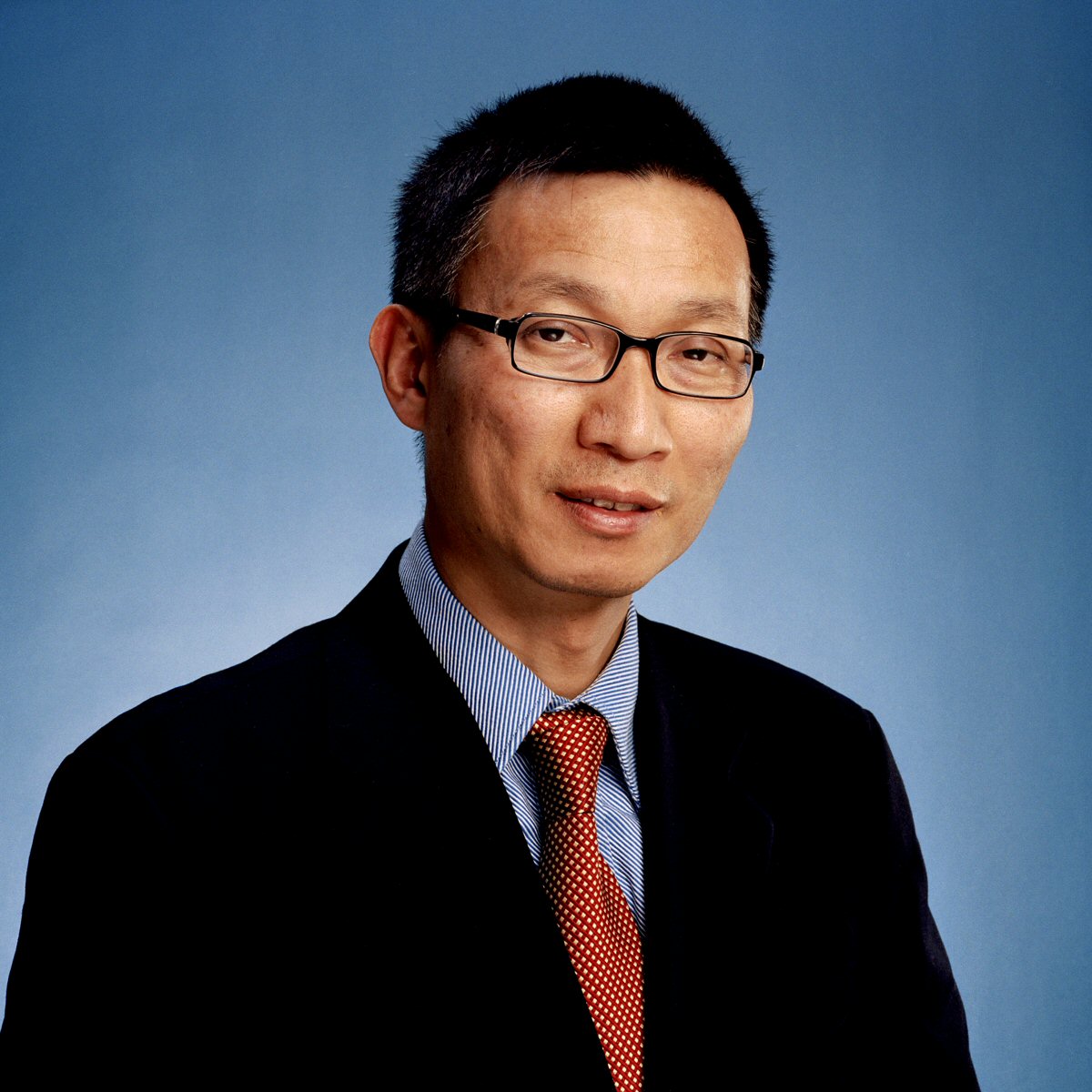
Former Adjunct Senior Associate, Asia Program
Pei is Tom and Margot Pritzker ‘72 Professor of Government and the director of the Keck Center for International and Strategic Studies at Claremont McKenna College.
Recent Work
Minxin Pei
Minxin Pei
Carnegie does not take institutional positions on public policy issues; the views represented herein are those of the author(s) and do not necessarily reflect the views of Carnegie, its staff, or its trustees.

China’s banking crisis in the 2000s was resolved by transferring the costs to households through financial repression—a decision that recapitalized the banks while exacerbating the structural imbalances that continue to shape the Chinese economy today.

Michael Pettis

But their "principal to principal" model will only be as effective as the political strength of each leader back home.

Damien Ma

U.S. unpredictability has allowed China to capitalize on its positioning as the “responsible great power”. Paradoxically, the more China wins the perception game, the more likely expectations will rise for Beijing to deliver not just words but to demonstrate with its deeds.

Chong Ja Ian

Hanoi and Beijing have long treated each other as distant cousins rather than comrades in arms. That might be changing as both sides draw closer to hedge against uncertainty and America’s erratic behavior.

Nguyễn Khắc Giang

Across Asia, China is better positioned to withstand energy shocks from the fallout of the Iran war. Its abundant coal capacity can ensure stability in the near term. Yet at the same time, the country’s energy transition away from coal will make it even less vulnerable during the next shock.
Damien Ma