

Article
China has showcased its engineering prowess with small modular reactor demonstration projects. But turning these technological achievements into commercial success will be a greater challenge.
Tong Zhao
{
  "authors": [
    "John Audley",
    "George Perkovich",
    "Sandra Polaski",
    "Scott Vaughan"
  ],
  "type": "other",
  "centerAffiliationAll": "",
  "centers": [
    "Carnegie Endowment for International Peace"
  ],
  "collections": [],
  "englishNewsletterAll": "",
  "nonEnglishNewsletterAll": "",
  "primaryCenter": "Carnegie Endowment for International Peace",
  "programAffiliation": "",
  "programs": [],
  "projects": [],
  "regions": [],
  "topics": [
    "Economy",
    "Trade"
  ]
}
REQUIRED IMAGE
WTO negotiators will meet in Cancun, Mexico, in September amid competing claims regarding what steps are necessary to make trade serve development goals. The authors outline the policies that governments and international institutions will need to avoid a debacle at Cancun and to assist developing countries in achieving long-lasting growth.
Following the riotous 1999 meeting in Seattle, and a near failure in Doha in 2001, the World Trade Organization dedicated the current round of trade liberalization talks to "development." Negotiators will meet in Cancun, Mexico, in September amid competing claims regarding what steps are necessary to make trade serve development goals. The catch phrases of international trade—"comparative advantage," "the development round," "trade not aid," and "level playing field"—hide tough choices for both developing and developed country governments. Getting trade rules right is not sufficient for development, but getting them wrong can cripple it. The authors outline the policies that governments and international institutions will need to avoid a debacle at Cancun and to assist developing countries in achieving long-lasting growth.
A limited number of print copies are available.
Request a copy
About the Authors
John Audley is senior associate at the Carnegie Endowment, where he directs the Trade, Equity, and Development Project.
George Perkovich is vice president for studies at the Carnegie Endowment.
Sandra Polaski is senior associate in the Trade, Equity, and Development Project and Scott Vaughan is a visiting scholar with the Project.
Former Senior Associate

Japan Chair for a World Without Nuclear Weapons, Senior Fellow
George Perkovich is the Japan Chair for a World Without Nuclear Weapons and a senior fellow in the Carnegie Endowment for International Peace’s Nuclear Policy Program. He works primarily on nuclear deterrence, nonproliferation, and disarmament issues.

Former Senior Associate, Director, Trade, Equity and Development Program
Until April 2002, Polaski served as the U.S. Secretary of State’s Special Representative for International Labor Affairs, the senior State Department official dealing with such matters.
Former Visiting Scholar
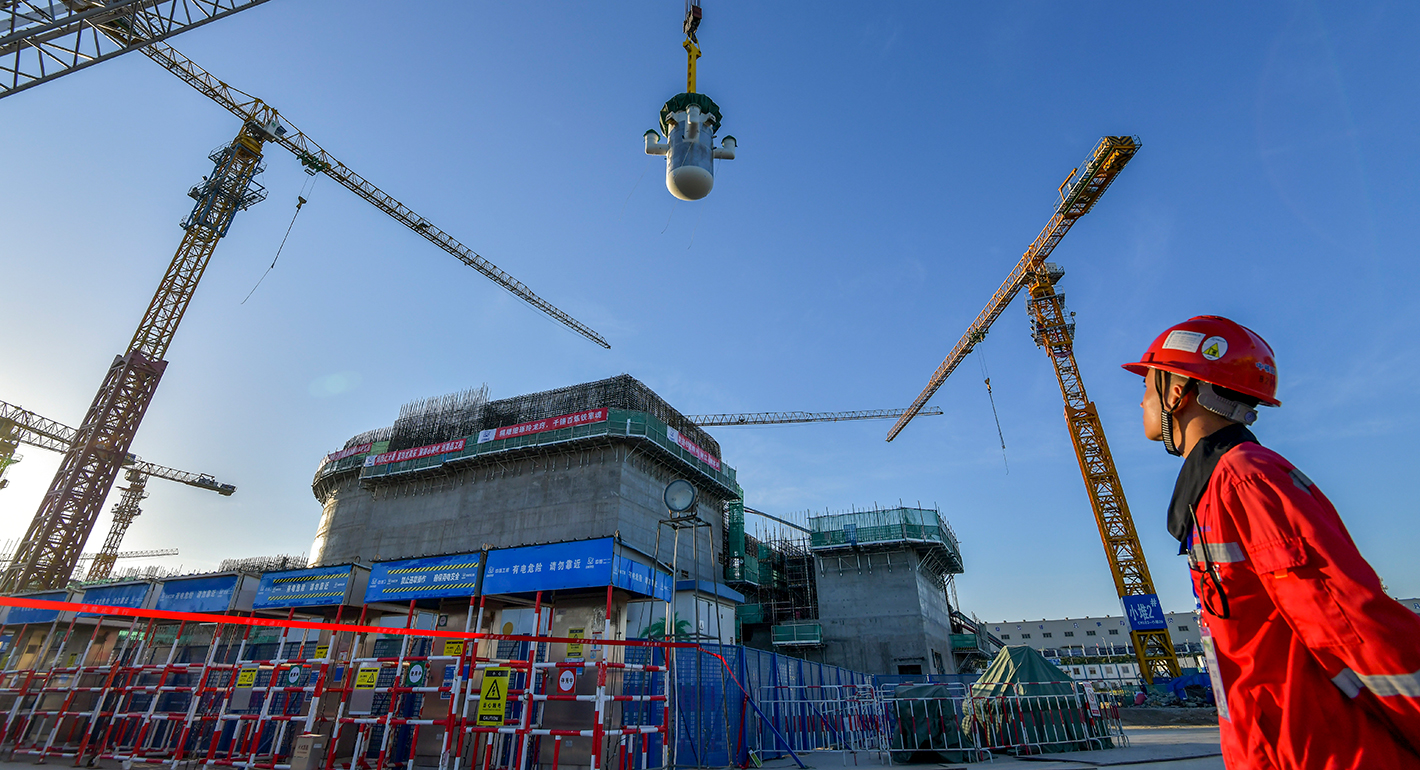
China has showcased its engineering prowess with small modular reactor demonstration projects. But turning these technological achievements into commercial success will be a greater challenge.

Tong Zhao

The Plaza Accord was not an externally imposed punishment of Japan but part of a broader restructuring that Japanese economists and policymakers themselves recognized was necessary. Its effects were undermined, however, when Tokyo responded to the resulting slowdown with policies that exacerbated investment, credit expansion, and the very imbalances the adjustment was intended to resolve.

Michael Pettis
China’s banking crisis in the 2000s was resolved by transferring the costs to households through financial repression—a decision that recapitalized the banks while exacerbating the structural imbalances that continue to shape the Chinese economy today.
Michael Pettis

In the latest Five-Year Plan, the Chinese president cements the shift to an innovation-driven economy over a consumption-driven one.

Damien Ma
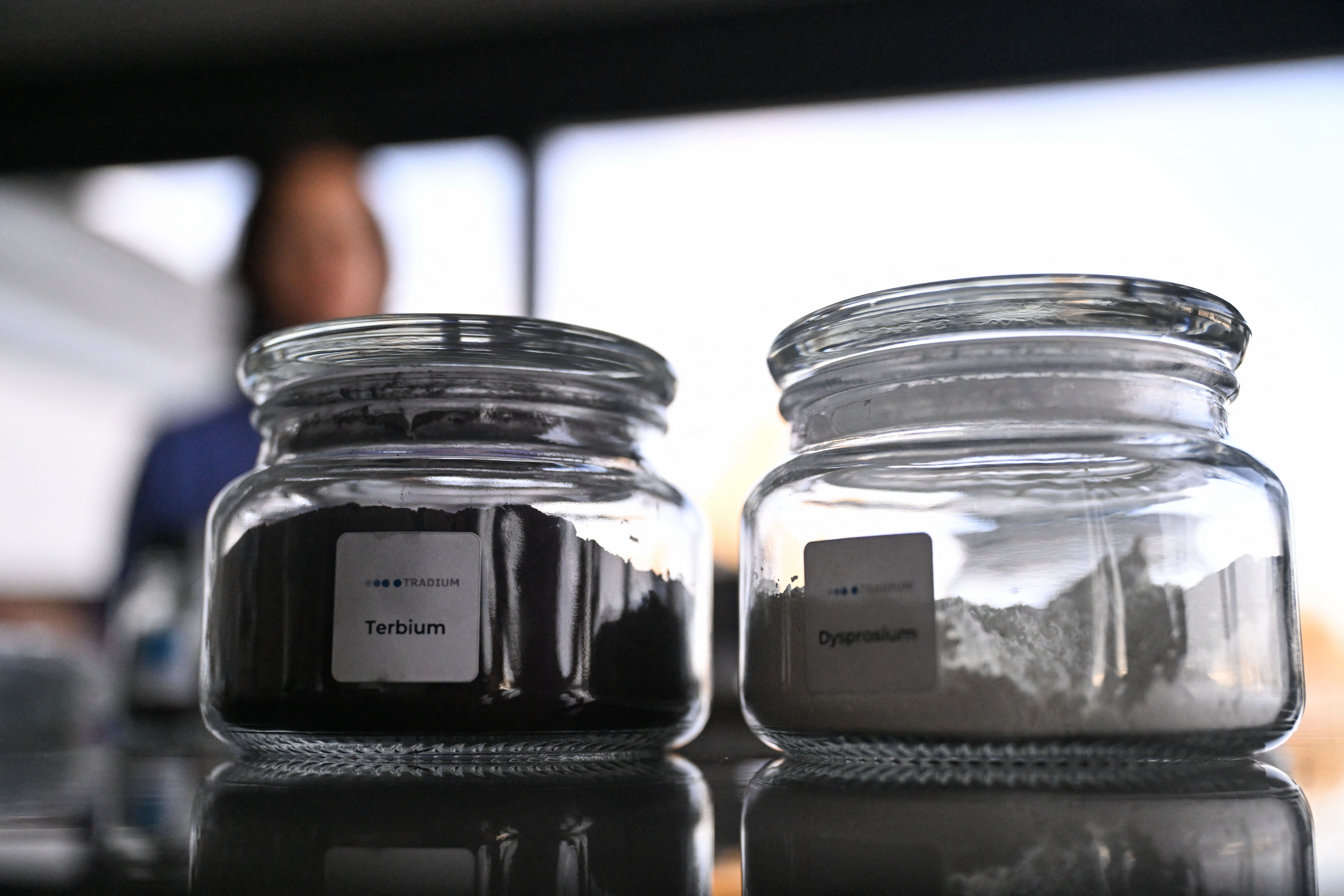
Regulation, not embargo, allows Beijing to shape how other countries and firms adapt to its terms.
Alvin Camba