

In The Media
Mr. David Bosco
{
  "authors": [
    "David Bosco"
  ],
  "type": "legacyinthemedia",
  "centerAffiliationAll": "",
  "centers": [
    "Carnegie Endowment for International Peace"
  ],
  "collections": [],
  "englishNewsletterAll": "",
  "nonEnglishNewsletterAll": "",
  "primaryCenter": "Carnegie Endowment for International Peace",
  "programAffiliation": "",
  "programs": [],
  "projects": [],
  "regions": [
    "Afghanistan"
  ],
  "topics": [
    "Security",
    "Foreign Policy"
  ]
}
REQUIRED IMAGE
Source: Slate
Foreign Policy senior editor David Bosco travelled to Afghanistan in August 2004, and prepared a series of dispatches for Slate magazine. Selections are below.
Monday, August 9
Subject: A Half-Hearted Ceremony for a Half-Hearted Mission
One of Kabul's increasingly notorious traffic jams finally eased as we headed from the city center. My taxi driver, a Tajik who grew up in the city, told me that he drove for the Soviet forces during the occupation. He gestured toward the sprawling complex that used to house the Soviet Embassy here. "They were good people," he said quietly. Unsurprisingly, he relocated to Pakistan after the Soviet-backed government fell in 1992. More
Tuesday, August 10, 2004
Subject: The Limits of Médecins Sans Frontières
I swung by one of the offices of Médecins Sans Frontières in Kabul yesterday. The humanitarian organization is justly famous for its lifesaving work in conflict zones. In 1999, it won a Nobel Peace Prize for its labors. And for almost 25 years—through the Soviet occupation, the civil war, and Taliban rule—MSF doctors and staff provided assistance to the suffering Afghan people. More
Friday, Aug. 13, 2004
Subject: Afghanistan's New Model Army
Armed men aren't hard to find in Kabul. The serious guy down the hall from me carries an M-16 as he pads around the hotel. I suspect his requests for laundry service are met with alacrity. He seems to be one of the private military contractors you hear so much about these days, but I haven't struck up a conversation. I was looking for a different kind of armed man—soldiers from the emerging Afghan National Army. More
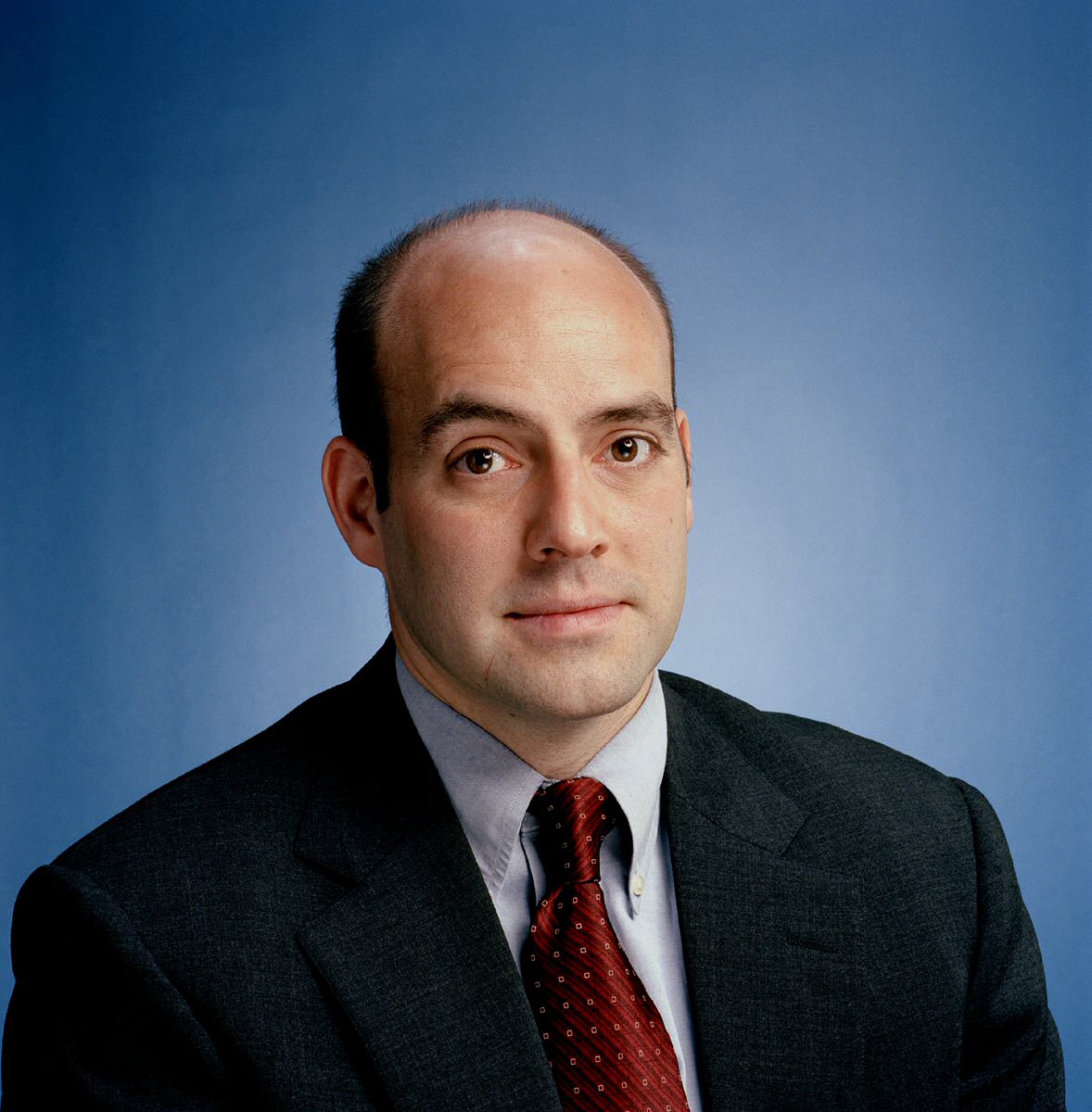
Former Senior Editor, Foreign Policy
David Bosco joined FP in 2004 as a senior editor responsible for commissioning and editing reviews, feature articles, and essays. Prior to joining FP, he was an attorney at the law firm of Cleary, Gottlieb, Steen & Hamilton with a focus on international arbitration, litigation, and antitrust matters. Previously, he researched judicial reform in Chile as a Fulbright Scholar.
Recent Work
Mr. David Bosco
Carnegie does not take institutional positions on public policy issues; the views represented herein are those of the author(s) and do not necessarily reflect the views of Carnegie, its staff, or its trustees.

But their "principal to principal" model will only be as effective as the political strength of each leader back home.

Damien Ma

U.S. unpredictability has allowed China to capitalize on its positioning as the “responsible great power”. Paradoxically, the more China wins the perception game, the more likely expectations will rise for Beijing to deliver not just words but to demonstrate with its deeds.

Chong Ja Ian

Hanoi and Beijing have long treated each other as distant cousins rather than comrades in arms. That might be changing as both sides draw closer to hedge against uncertainty and America’s erratic behavior.

Nguyễn Khắc Giang

Across Asia, China is better positioned to withstand energy shocks from the fallout of the Iran war. Its abundant coal capacity can ensure stability in the near term. Yet at the same time, the country’s energy transition away from coal will make it even less vulnerable during the next shock.
Damien Ma

Malaysia’s chairmanship sought to fend off short-term challenges while laying the groundwork for minimizing ASEAN’s longer-term exposure to external stresses.

Elina Noor