

Article
Frederic Grare
{
  "authors": [
    "Frederic Grare"
  ],
  "type": "other",
  "centerAffiliationAll": "dc",
  "centers": [
    "Carnegie Endowment for International Peace"
  ],
  "collections": [],
  "englishNewsletterAll": "ctw",
  "nonEnglishNewsletterAll": "",
  "primaryCenter": "Carnegie Endowment for International Peace",
  "programAffiliation": "SAP",
  "programs": [
    "South Asia"
  ],
  "projects": [],
  "regions": [
    "South Asia",
    "Pakistan"
  ],
  "topics": [
    "Political Reform"
  ]
}
REQUIRED IMAGE
Source: Carnegie Endowment
In a new Carnegie Policy Brief, Pakistan: The Myth of an Islamist Peril, Visiting Scholar Frederic Grare argues that the risk of an Islamist takeover in Pakistan is a myth invented by the Pakistani military to consolidate its hold on power. In fact, religious political parties and militant organizations are manipulated by the Pakistani Army to achieve its own objectives, domestically and abroad. The army, not the Islamists, is the real source of insecurity on the subcontinent. Sustainable security and stability in the region will be achieved only through the restoration of democracy in Pakistan.
Grare suggests that the West should actively promote the demilitarization of Pakistan’s political life through a mix of political pressure and capacity building. Enlarging the pool of elites and creating alternative centers of power will be essential for developing a working democracy in Pakistan.
Click on link above for the full text of this Policy Brief.
A limited number of print copies are available.
Request a copy
About the Author
Frederic Grare is a visiting scholar with the Global Policy Project at the Carnegie Endowment. He has written extensively on security issues, Islamist movements, and sectarian conflict in Pakistan and Afghanistan.
Former Nonresident Senior Fellow, South Asia Program
Frédéric Grare was a nonresident senior fellow at the Carnegie Endowment for International Peace, where his research focuses on Indo-Pacific dynamics, the search for a security architecture, and South Asia Security issues.
Recent Work
Frederic Grare
Frederic Grare
Carnegie does not take institutional positions on public policy issues; the views represented herein are those of the author(s) and do not necessarily reflect the views of Carnegie, its staff, or its trustees.
Transactional relationships are stable but can be shallow.



Paul Haenle, Maha Yahya, Benjamin Ho, …
Can China and India disengage from contested territories along the border?
Paul Haenle, Ashley J. Tellis, Han Hua, …

It’s about managing oil prices, bread prices, and strategic partnerships.



Amr Hamzawy, Karim Sadjadpour, Aaron David Miller, …
The government extends the uncertainty with its two new taxes and digital rupee.

Anirudh Burman, Priyadarshini D.
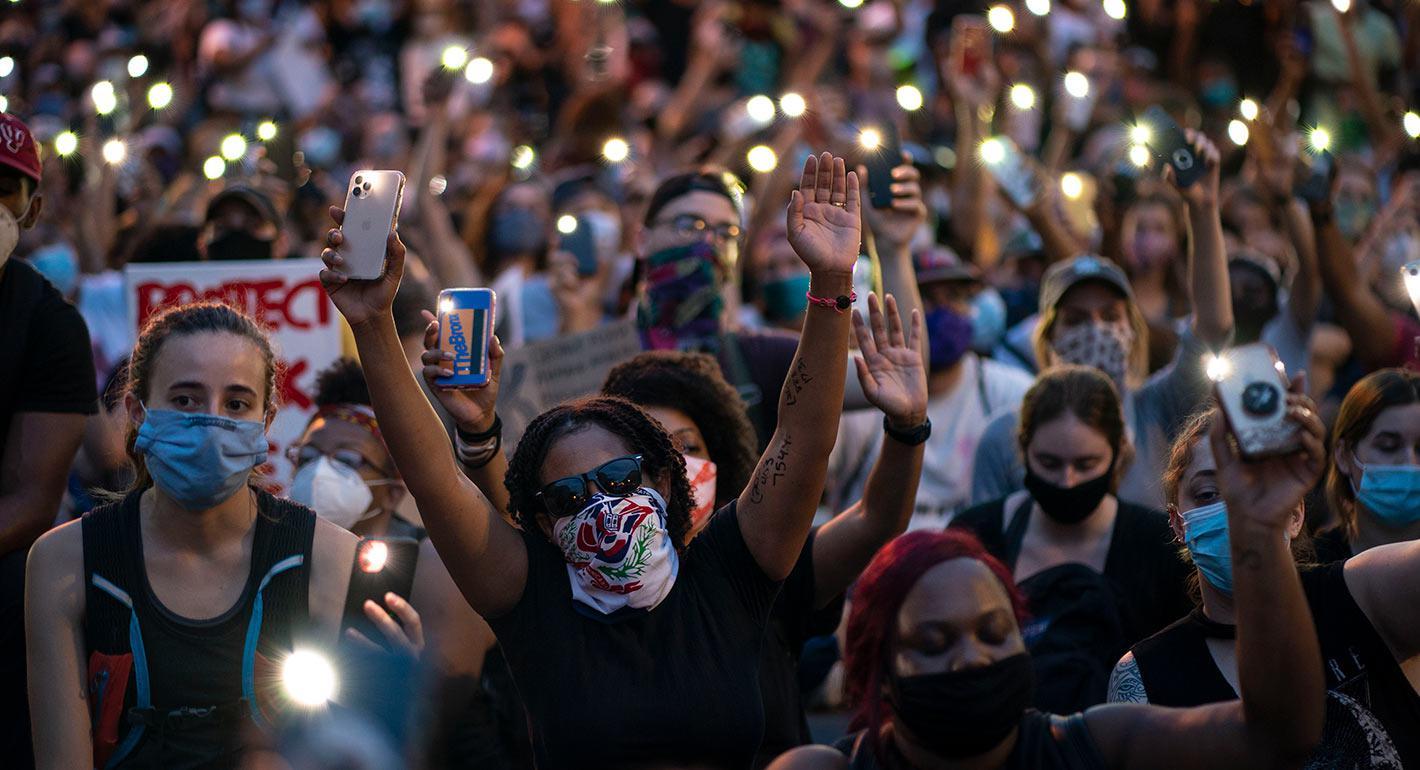
The murder of George Floyd has underscored the deep inequities that have long plagued American society. In a note to the Carnegie community, Bill Burns reflects on Carnegie’s commitment to build a more just future here at home and around the world, without which peace will remain beyond our grasp.
William J. Burns