

Commentary
Malaysia’s chairmanship sought to fend off short-term challenges while laying the groundwork for minimizing ASEAN’s longer-term exposure to external stresses.
Elina Noor
{
  "authors": [],
  "type": "pressRelease",
  "centerAffiliationAll": "",
  "centers": [
    "Carnegie Endowment for International Peace"
  ],
  "collections": [],
  "englishNewsletterAll": "",
  "nonEnglishNewsletterAll": "",
  "primaryCenter": "Carnegie Endowment for International Peace",
  "programAffiliation": "",
  "programs": [],
  "projects": [],
  "regions": [],
  "topics": [
    "Foreign Policy"
  ]
}
REQUIRED IMAGE
For Immediate Release: June 23, 2006
Contact: Jennifer Linker, 202/939-2372, jlinker@CarnegieEndowment.org
On June 20, 2006, the first annual Carnegie Foreign Policy Conference was held at the Carnegie Endowment under the theme of “Managing U.S. Dominance.” The conference was a gathering of 100 outstanding young professionals who will be responsible for adapting U.S. foreign policy to the future geopolitical environment. The Carnegie Endowment intends to host the conference each June for selected young professionals chosen through an application process.
Organized by Carnegie’s Junior Fellow class of 2005-2006, the conference included keynote speeches by Robert Gallucci, Dean of the Georgetown School of Foreign Service, and Dr. Paul Pillar, former CIA National Intelligence Officer for the Near East and South Asia. Jessica T. Mathews, president of the Carnegie Endowment, opened the conference by welcoming this “group of individuals with an amazing richness of experience, across many sectors.”
During the day, breakout sessions engaged participants in an informative dialogue to generate ideas for confronting future challenges. Topics included democracy promotion, China’s rise, the effectiveness of intergovernmental organizations, U.S. energy policy, and the role of non-state actors, among others. These sessions were led by foreign policy scholars Michael McFaul (Carnegie Endowment), John Judis (Carnegie Endowment), David Bosco (Foreign Policy), Michael O’Hanlon (Brookings Institution), Nathan Brown (Carnegie Endowment), Steve Mufson (Washington Post), Tod Lindberg (Hoover Institution), and Michael Swaine (Carnegie Endowment).
Click here to access the Conference Agenda.
Click here for transcripts and more information about the Carnegie Foreign Policy Conference or go to www.CarnegieEndowment.org/JrFellowsConf.
The Carnegie Junior Fellows Program: Each year the Endowment offers 8-10 one-year fellowships to uniquely qualified graduating seniors and individuals who have graduated during the past academic year. They are selected from a pool of nominees from close to 300 colleges. For more information go to: www.CarnegieEndowment.org
2005-2006 Carnegie Junior Fellows Ben Bain, Dina Bishara, Danielle Cohen, Matthew Gibson, Faaiza Rashid, Meredith Riley, and Katherine Vyborny organized the event.
Press Contact: Jennifer Linker, (202) 939-2372, jlinker@CarnegieEndowment.org
If you have received this message in error, send a message to info@CarnegieEndowment.org
###
Carnegie does not take institutional positions on public policy issues; the views represented herein are those of the author(s) and do not necessarily reflect the views of Carnegie, its staff, or its trustees.

Malaysia’s chairmanship sought to fend off short-term challenges while laying the groundwork for minimizing ASEAN’s longer-term exposure to external stresses.

Elina Noor
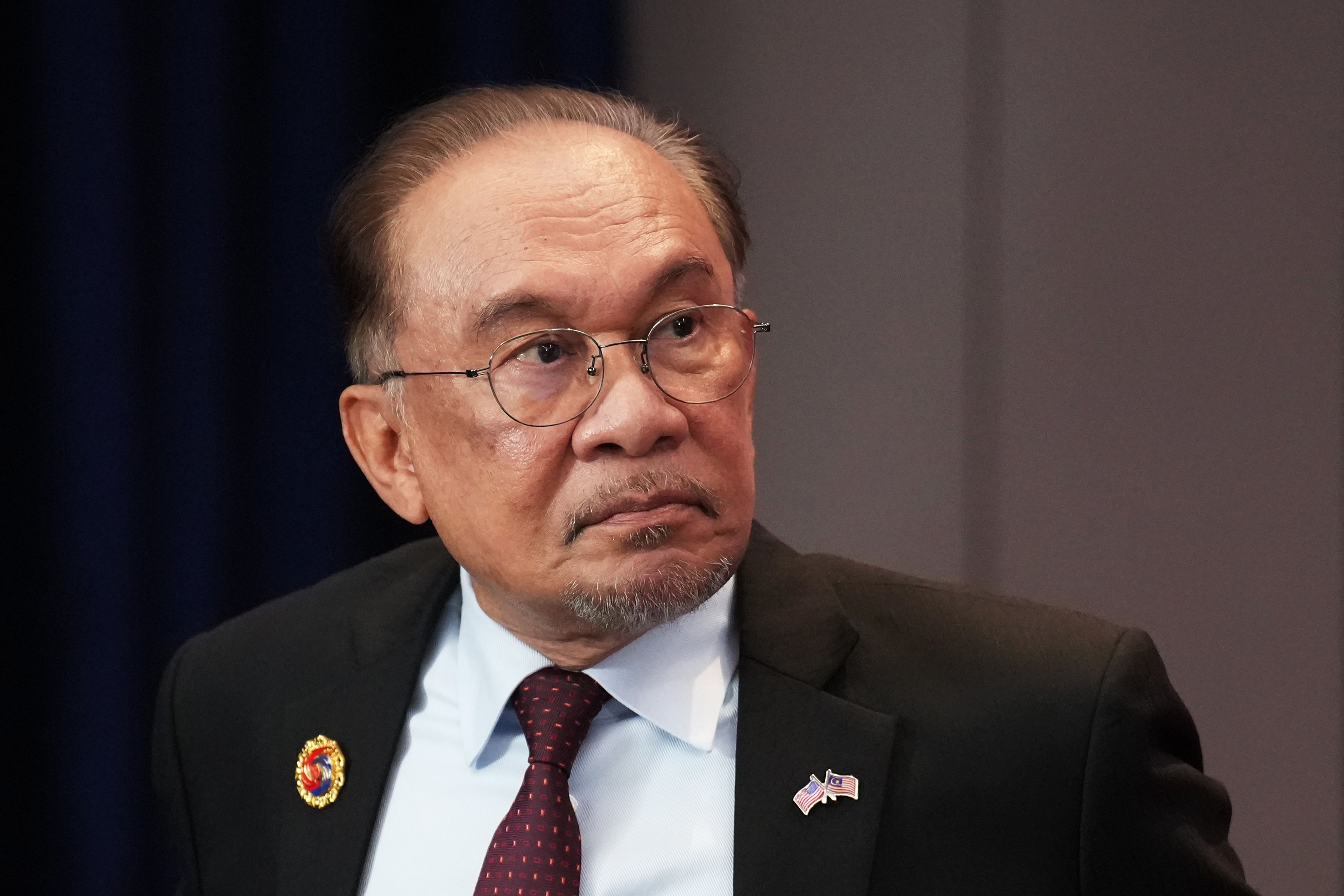
For Malaysia, the conjunction that works is “and” not “or” when it comes to the United States and China.
Elina Noor
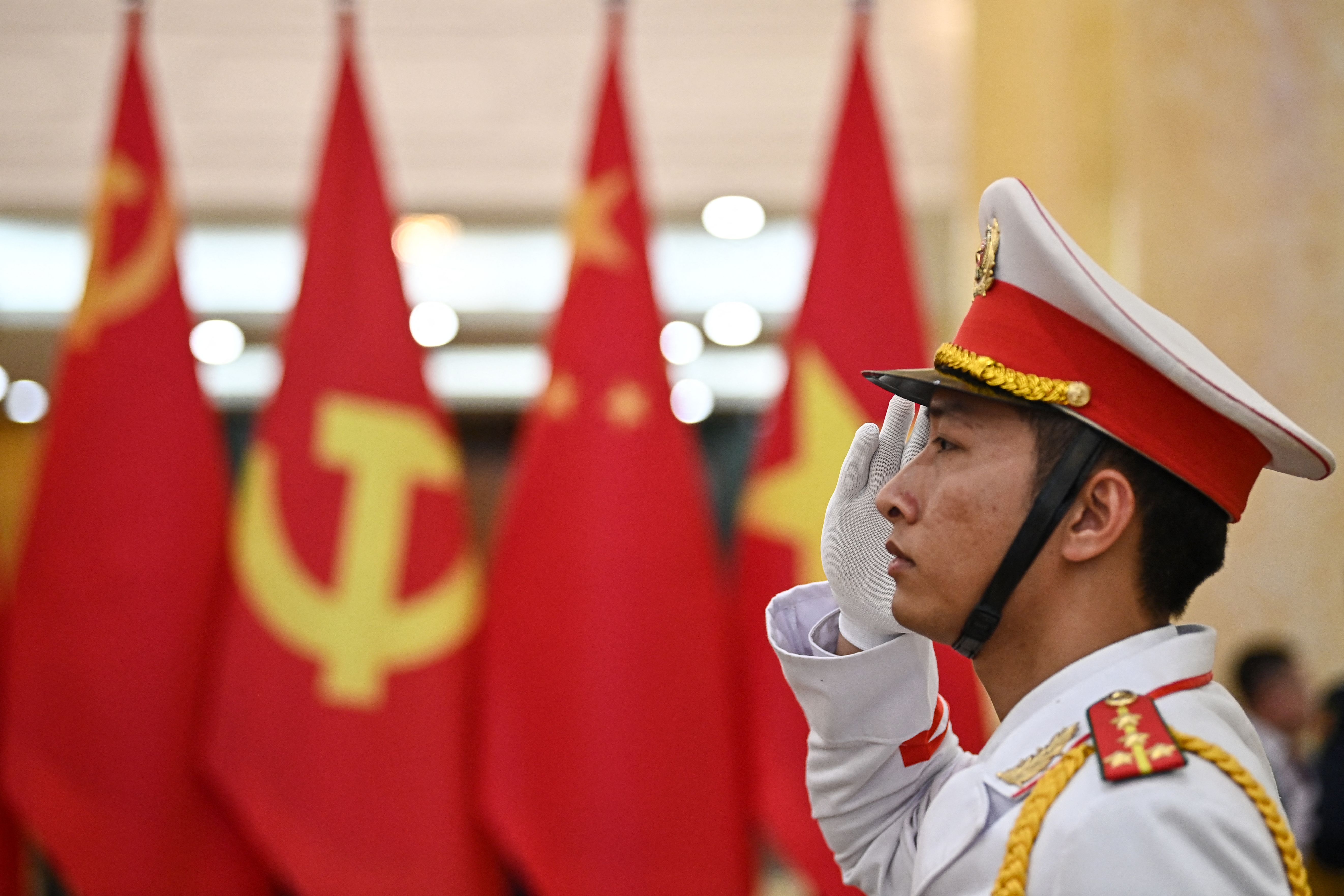
In July 2025, Vietnam and China held their first joint army drill, a modest but symbolic move reflecting Hanoi’s strategic hedging amid U.S.–China rivalry.

Nguyễn Khắc Giang
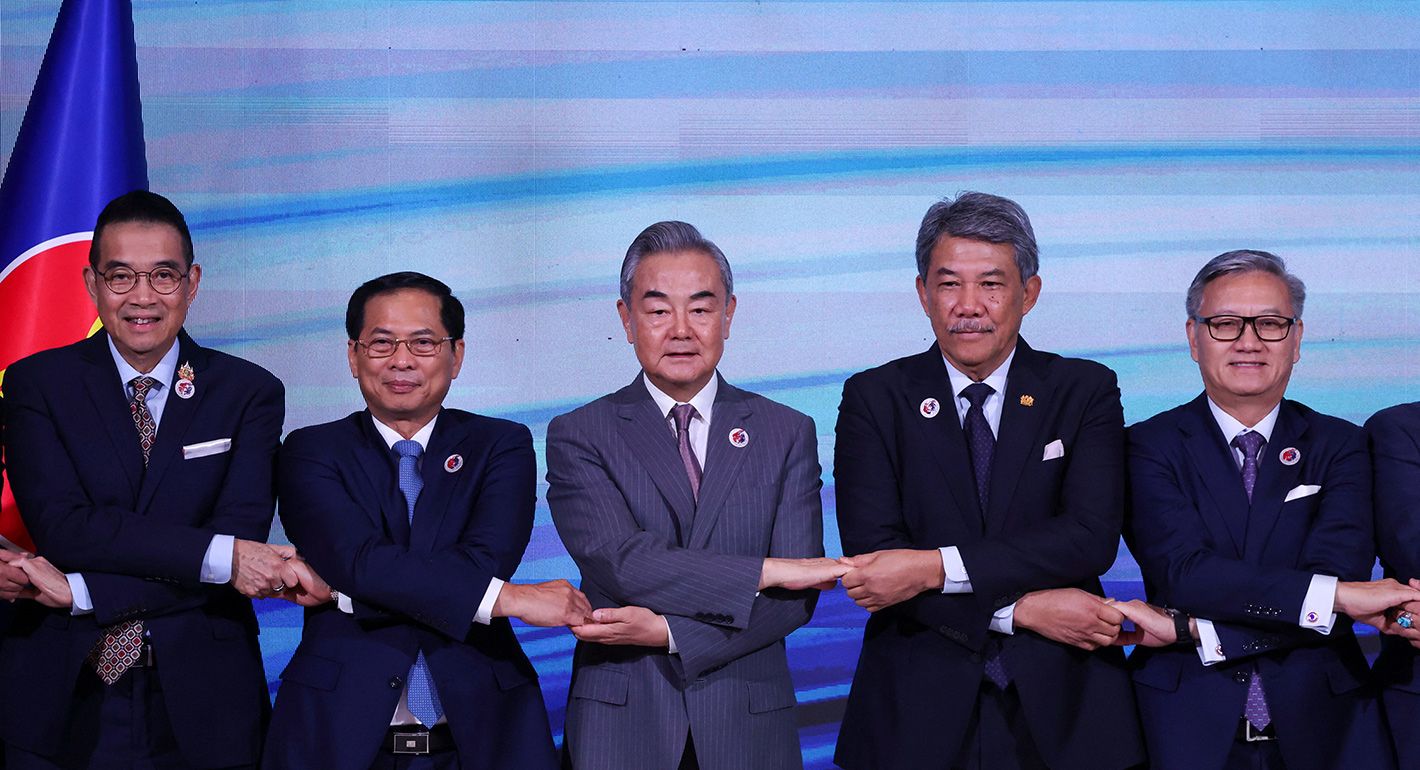
The Thai-Cambodian conflict highlights the limits to China's peacemaker ambition and the significance of this role on Southeast Asia’s balance of power.

Pongphisoot (Paul) Busbarat
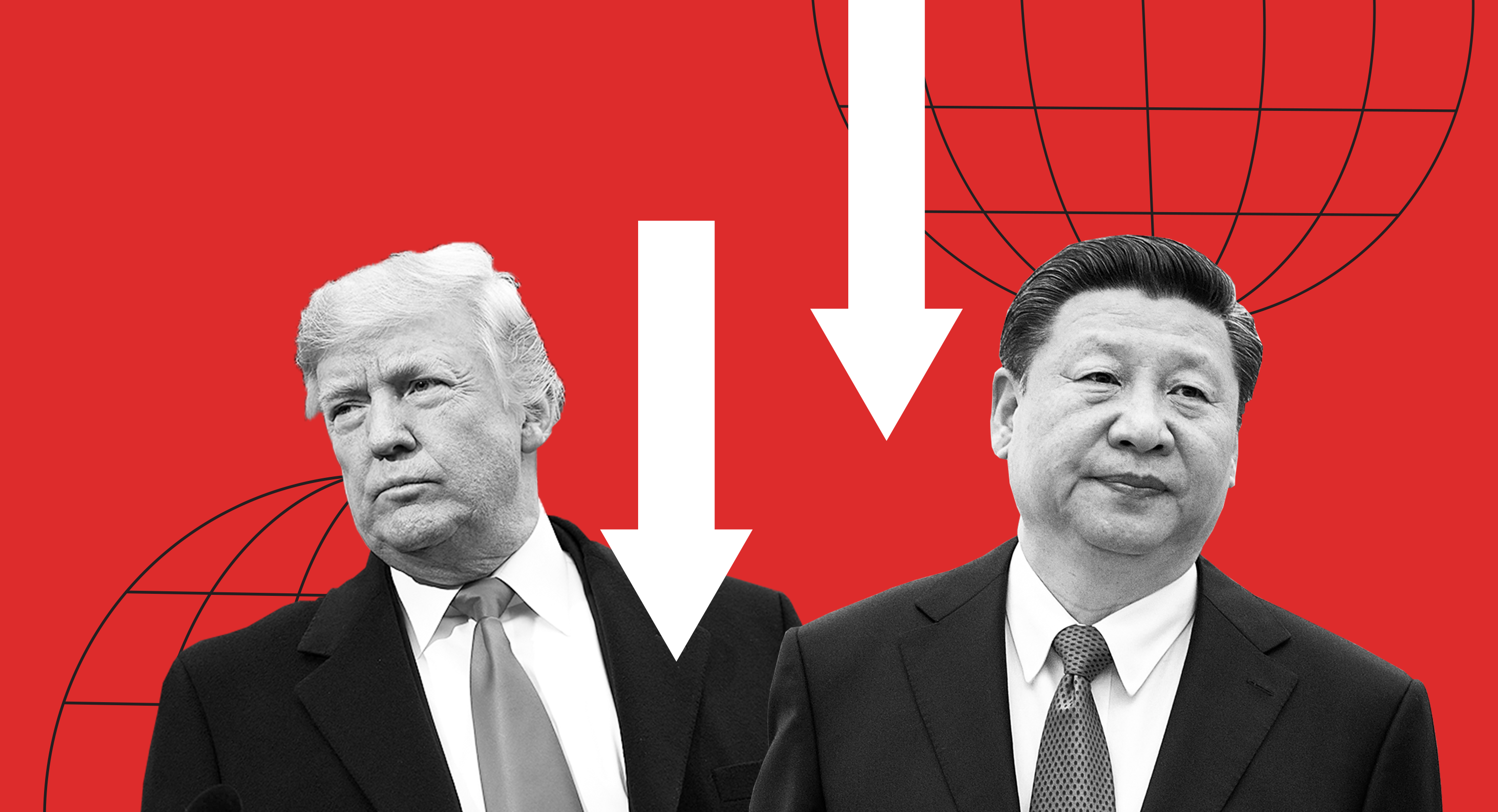
Beijing believes that Washington is overestimating its own leverage and its ability to handle the trade war’s impacts.


Rick Waters, Sheena Chestnut Greitens