

In The Media
Mr. David Bosco
{
  "authors": [
    "David Bosco"
  ],
  "type": "legacyinthemedia",
  "centerAffiliationAll": "dc",
  "centers": [
    "Carnegie Endowment for International Peace"
  ],
  "collections": [],
  "englishNewsletterAll": "menaTransitions",
  "nonEnglishNewsletterAll": "",
  "primaryCenter": "Carnegie Endowment for International Peace",
  "programAffiliation": "MEP",
  "programs": [
    "Middle East"
  ],
  "projects": [],
  "regions": [
    "South Asia",
    "Afghanistan"
  ],
  "topics": [
    "Foreign Policy"
  ]
}
Source: Getty
Source: The Washington Post

The summer fighting in southern Afghanistan marked the entrance of NATO troops into ground combat, which had previously been left to American forces. About 7,000 troops from Canada, Britain and the Netherlands are fending off a Taliban resurgence. The demanding mission has strained NATO politically and logistically. It has also confronted alliance members with the uncomfortable reality that fighting often means taking prisoners.
America, of course, has been taking prisoners in Afghanistan for some time. And that's part of the problem. The European and Canadian publics have been disgusted by reports of prisoner abuse, and they want nothing to do with what they see as American excess. In Brussels and Ottawa, Bagram and Guantanamo Bay are dirty words.
So NATO countries have essentially opted out of the detainee business. Before committing their troops to combat areas, the Canadian, Dutch and British governments signed agreements with the Afghan government stating that any captured fighters would be handed over to Afghan authorities rather than to American forces.
In practice, these agreements mean that NATO troops have no system in place for regularly interrogating Taliban fighters for intelligence purposes. Whenever possible, they let the Afghan troops they operate with take custody. When that's not possible, they house their prisoners briefly in makeshift facilities while they arrange a transfer to the Afghans. NATO guidelines call for the handover of prisoners within 96 hours, far too brief a time for soldiers to even know whom they're holding. And once prisoners are in Afghan hands, international forces easily lose track of them.
It's not good policy. Not only is NATO forfeiting the intelligence benefits that can come with real-time interrogation, it's sending detainees into an Afghan prison system poorly equipped to handle them and rife with abuse.
One international expert sent to evaluate Afghan prisons concluded that "the physical infrastructure is essentially destroyed." Last February thousands of prisoners rioted in Kabul's largest and most notorious prison, Pul-e Charki. Prison officials blamed the riot on al-Qaeda and Taliban diehards, but poor conditions no doubt played a part.
Shuffling detainees off to the Afghans may make it easier for European politicians to sleep at night, but it is an operational and ethical evasion. A better solution is to establish a modern detention center run by the Afghan government but closely monitored by NATO soldiers and intelligence officers, including Americans.
The Dutch government briefly considered refurbishing an existing prison in the southern city of Kandahar, which would be a natural location. The city is near the heart of the insurgency and has become a critical base of operations for international peacekeepers.
Regularly processing and interrogating detainees would be a difficult psychological step for many of America's allies. They want to build houses and schools in Afghanistan, not jails. And they don't want any part of the prisoner scandals that have dogged American forces. But NATO is now fully engaged against the Taliban insurgency, and the alliance cannot afford to pretend otherwise. Nothing in the Geneva Conventions, after all, prohibits them from interrogating detainees humanely.
For its part, the United States will not be able to work closely with its allies on detainees until it retreats from its strained interpretation of the Geneva Conventions and other international treaties. The Supreme Court's recent Hamdan decision has helped repair some of the damage. The Bush administration will have to pledge that detainees in the Afghan prison will not be sent to Guantanamo or extradited to countries that torture.
Perhaps most important: Senior U.S. officials must publicly acknowledge America's past missteps and convince allied governments and publics that cooperating will not mean compromising their values.
It is the right moment for NATO to forge a unified approach. Europe and Canada are quickly becoming acquainted with the messy realities of combating a brutal insurgency. And the United States is slowly recognizing that an ethical detainee policy is in its national interest. There is no better way to reconcile these realities than through the world's strongest alliance of liberal democracies.
David Bosco is a senior editor at Foreign Policy magazine.
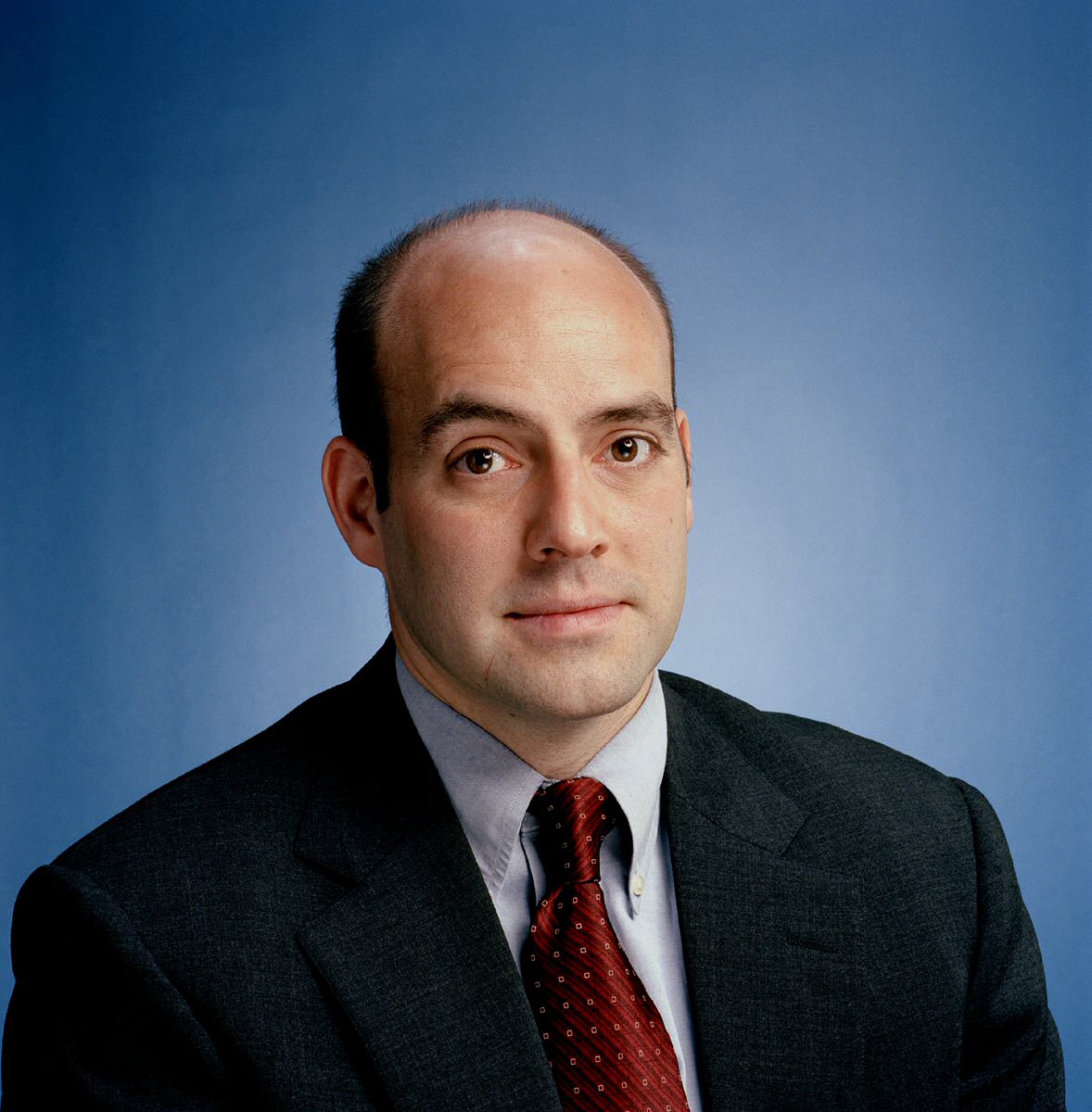
Former Senior Editor, Foreign Policy
David Bosco joined FP in 2004 as a senior editor responsible for commissioning and editing reviews, feature articles, and essays. Prior to joining FP, he was an attorney at the law firm of Cleary, Gottlieb, Steen & Hamilton with a focus on international arbitration, litigation, and antitrust matters. Previously, he researched judicial reform in Chile as a Fulbright Scholar.
Recent Work
Mr. David Bosco
Carnegie does not take institutional positions on public policy issues; the views represented herein are those of the author(s) and do not necessarily reflect the views of Carnegie, its staff, or its trustees.

But their "principal to principal" model will only be as effective as the political strength of each leader back home.

Damien Ma

U.S. unpredictability has allowed China to capitalize on its positioning as the “responsible great power”. Paradoxically, the more China wins the perception game, the more likely expectations will rise for Beijing to deliver not just words but to demonstrate with its deeds.

Chong Ja Ian

Hanoi and Beijing have long treated each other as distant cousins rather than comrades in arms. That might be changing as both sides draw closer to hedge against uncertainty and America’s erratic behavior.

Nguyễn Khắc Giang

Across Asia, China is better positioned to withstand energy shocks from the fallout of the Iran war. Its abundant coal capacity can ensure stability in the near term. Yet at the same time, the country’s energy transition away from coal will make it even less vulnerable during the next shock.
Damien Ma

Malaysia’s chairmanship sought to fend off short-term challenges while laying the groundwork for minimizing ASEAN’s longer-term exposure to external stresses.

Elina Noor