• Commentary
  • Research
  • Experts
  • Events
Carnegie China logoCarnegie lettermark logo
{
  "authors": [],
  "type": "pressRelease",
  "centerAffiliationAll": "dc",
  "centers": [
    "Carnegie Endowment for International Peace"
  ],
  "collections": [],
  "englishNewsletterAll": "menaTransitions",
  "nonEnglishNewsletterAll": "",
  "primaryCenter": "Carnegie Endowment for International Peace",
  "programAffiliation": "MEP",
  "programs": [
    "Middle East"
  ],
  "projects": [],
  "regions": [
    "North America",
    "United States",
    "Middle East",
    "Jordan"
  ],
  "topics": [
    "Political Reform"
  ]
}
REQUIRED IMAGE

REQUIRED IMAGE

Press Release

Press Release: Illusive Reform - Jordan’s Stubborn Stability

In a new Carnegie Paper, "Illusive Reform: Jordan's Stubborn Stability," Julia Choucair argues that Jordan's stability is best maintained through political reform. She contends that the United States and Europe, for short- to medium-term reasons, have shied away from urging Jordan to undertake further reform, which would be in everyone's long-term interest.

Link Copied
Published on Dec 6, 2006

FOR IMMEDIATE RELEASE: December 6, 2006

Political reform is a priority for United States Middle East policy, and Jordan is often showcased as a model of a moderate, pro-American Muslim country that is successfully democratizing.  For two decades, the Jordanian monarchy has introduced positive reforms, such as legalizing political parties and modernizing its economy.  Yet the impact on democratic change has been limited, with the reforms serving more to stabilize the regime amid severe regional and economic challenges. 

Today, deteriorating conditions on Jordan’s borders, a lack of tangible economic success, and an unpopular foreign policy are emboldening an increasingly vocal Islamist opposition movement while simultaneously eroding the regime’s traditional support base.  Jordan faces a critical choice: either to promote more meaningful democratic reform, or risk undermining many years of progress by limiting political freedoms.

In a new Carnegie Paper, Illusive Reform: Jordan’s Stubborn Stability, Julia Choucair argues that Jordan’s stability is best maintained through political reform. She contends that the United States and Europe, for short- to medium-term reasons, have shied away from urging Jordan to undertake further reform, which would be in everyone’s long-term interest.

Choucair recommends the U.S. and Europe press the Jordanian regime -- in both public and private statements and by leveraging economic aid -- to deepen formal and informal channels of communication and representation; and to acknowledge the demands of Jordanian activists by, for example, expanding legislative powers, adopting new press legislation, decreasing regulations on NGOs, and undertaking electoral reform.

To read this Carnegie Paper, go to: www.CarnegieEndowment.org/MiddleEast

Direct link to PDF: http://www.carnegieendowment.org/files/cp76_choucair_final.pdf

Julia Choucair is an associate in the Middle East Program at the Carnegie Endowment and deputy editor of Carnegie’s Arab Reform Bulletin.

Press Contact: Trent Perrotto, 202/939-2372, tperrotto@CarnegieEndowment.org

The Carnegie Endowment for International Peace is a private, nonprofit organization dedicated to advancing cooperation between nations and promoting active international engagement by the United States. www.CarnegieEndowment.org

###

Political ReformNorth AmericaUnited StatesMiddle EastJordan

Carnegie does not take institutional positions on public policy issues; the views represented herein are those of the author(s) and do not necessarily reflect the views of Carnegie, its staff, or its trustees.

More Work from Carnegie China

  • Commentary
    China Sells Stability Amid American Volatility

    U.S. unpredictability has allowed China to capitalize on its positioning as the “responsible great power”. Paradoxically, the more China wins the perception game, the more likely expectations will rise for Beijing to deliver not just words but to demonstrate with its deeds.

      Chong Ja Ian

  • Commentary
    When It Comes to Superpower Geopolitics, Malaysia Is Staunchly Nonpartisan

    For Malaysia, the conjunction that works is “and” not “or” when it comes to the United States and China.

      Elina Noor

  • Commentary
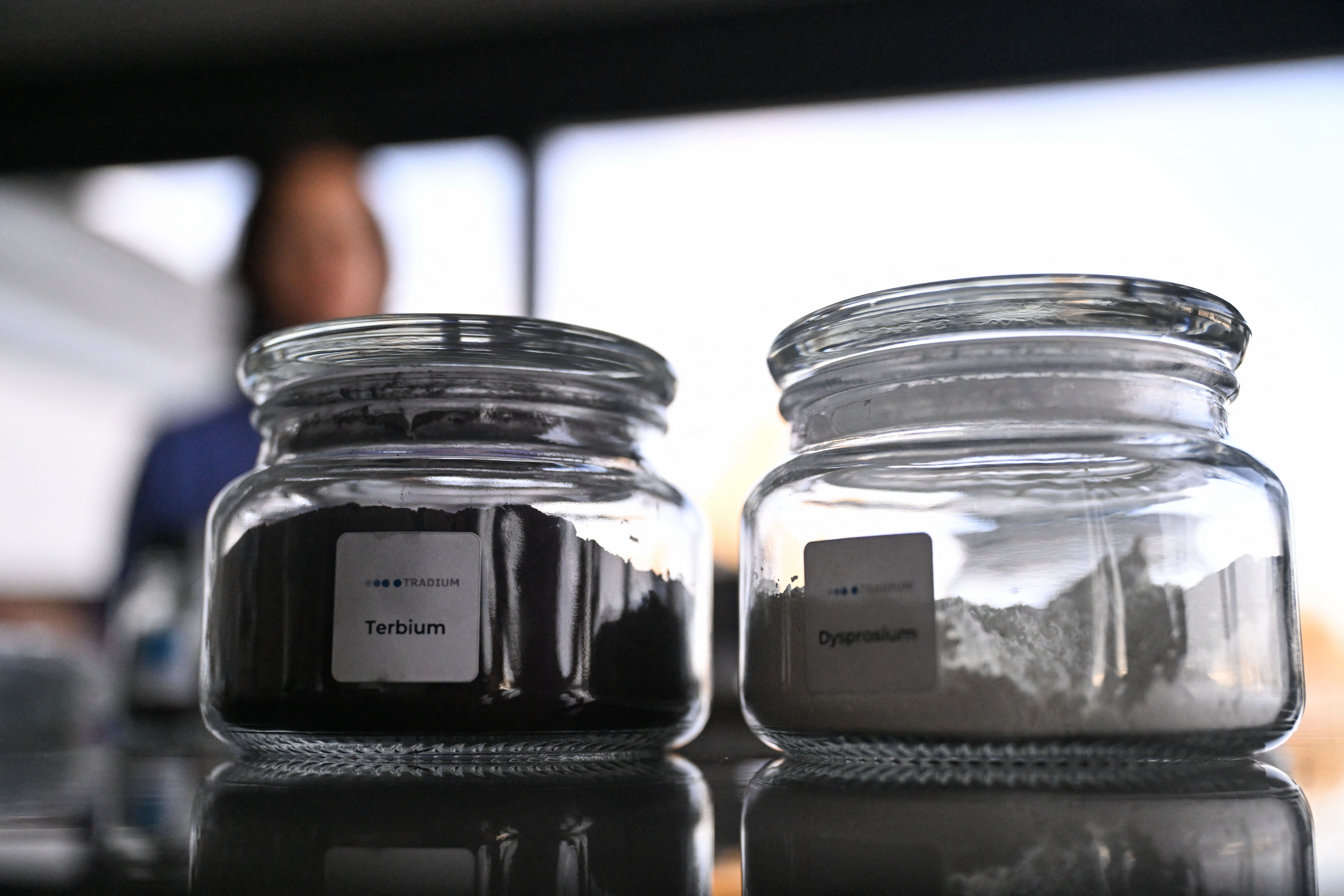
    Today’s Rare Earths Conflict Echoes the 1973 Oil Crisis — But It’s Not the Same

    Regulation, not embargo, allows Beijing to shape how other countries and firms adapt to its terms.

      Alvin Camba

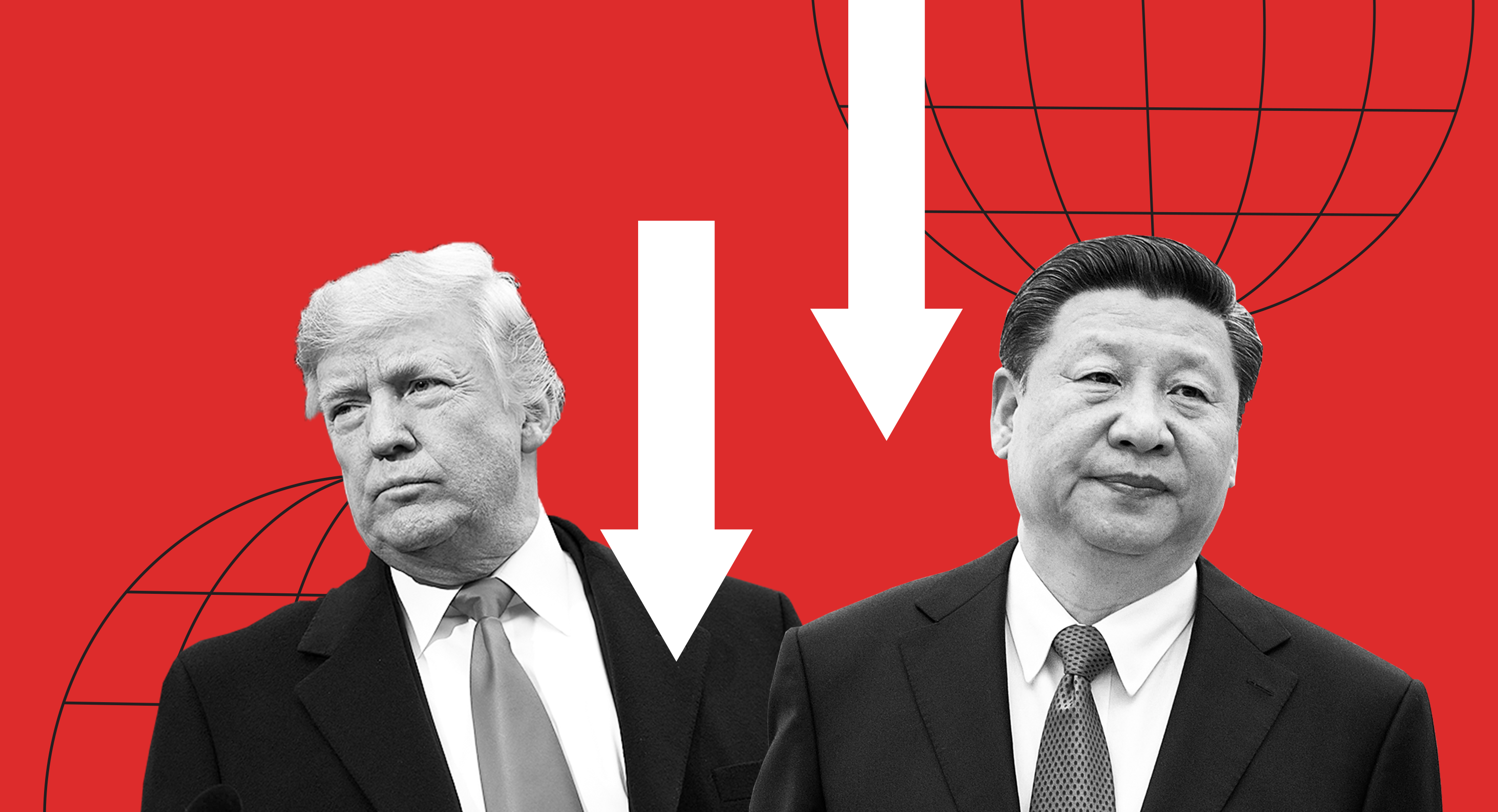
  • Trump and Xi on a red background
    Commentary
    Emissary
    China Is Determined to Hold Firm Against Trump’s Pressure

    Beijing believes that Washington is overestimating its own leverage and its ability to handle the trade war’s impacts. 

      • Sheena Chestnut Greitens

      Rick Waters, Sheena Chestnut Greitens

  • Commentary
    A Second Trump Term: Will Southeast Asia Tilt Toward China?

    Tapping our network of China experts in the region, Carnegie China offers this latest “China Through a Southeast Asian Lens” report to offer preliminary assessments of whether the U.S. effort to reshape the global trading order will lead countries in the region to tilt toward Beijing. 

      • +6

      Selina Ho, Khin Khin Kyaw Kyee, Joseph Ching Velasco, …

Get more news and analysis from
Carnegie China
Carnegie China logo, white
Keck Seng Tower133 Cecil Street #10-01ASingapore, 069535Phone: +65 9650 7648
  • Research
  • About
  • Experts
  • Events
  • Contact
  • Careers
  • Privacy
  • For Media
Get more news and analysis from
Carnegie China
© 2026 Carnegie Endowment for International Peace. All rights reserved.