

Commentary
Russia has its Eurasian Economic Union, and China has its Belt and Road Initiative. For both projects, Central Asia is important.
Temur Umarov, Nargis Kassenova
{
  "authors": [],
  "type": "pressRelease",
  "centerAffiliationAll": "dc",
  "centers": [
    "Carnegie Endowment for International Peace"
  ],
  "collections": [],
  "englishNewsletterAll": "ctw",
  "nonEnglishNewsletterAll": "",
  "primaryCenter": "Carnegie Endowment for International Peace",
  "programAffiliation": "russia",
  "programs": [
    "Russia and Eurasia"
  ],
  "projects": [],
  "regions": [
    "Central Asia"
  ],
  "topics": []
}
REQUIRED IMAGE
FOR IMMEDIATE RELEASE: January 18, 2007
The Carnegie Endowment for International Peace today announced the launch of the Central Asian Voices Portal (www.centralasianvoices.org) – a Web site featuring timely analysis of regional issues, and a forum enabling the exchange of ideas among policymakers, analysts, journalists, bloggers, and informed readers across the globe.
Written in English and Russian, Central Asian Voices consistently features top stories from the region, and currently showcases such topics as: the appointment of the new Kazakh government and the prospects for political change in Uzbekistan. The Portal will also provide links to official primary source documents, and analysis of the regional and geopolitical implications of current events.
One of the Portal’s unique features is its compilation of blogs and media resources from Central Asia, enabling visitors to view press coverage from the region and read first-hand accounts of life in Central Asia from its burgeoning civil society. This direct access to the opinions and perspectives of Central Asians marks a new development in a region often characterized by government-controlled media and a lack of openness.
In line with its mission, the Portal will also feature a new Carnegie Paper by Senior Associate Martha Brill Olcott. Roots of Radical Islam in Central Asia explores the actions of regional Islamic communities, particularly in Uzbekistan, to protest against governments that are “both largely unresponsive and…[made up] almost entirely by those who reject the teachings of Islam” – actions that include the evolution of the jihadi movements and the rise of key Islamic clerics and leaders.
Olcott contends that “the question of the relationship between Islamic believers and the state is a critical one; depending on how it is resolved, it either encourages, permits, or discourages the use of violence in the name of Islam.”
To read this Carnegie Paper, go to: http://www.centralasianvoices.org/research-analysis-archives.cfm
Direct Link to PDF: http://www.carnegieendowment.org/files/cp_77_olcott_roots_final.pdf
Notes:
1. The Central Asian Voices Portal will provide analysis of regional events by adding one to two new feature stories per week that include an interface for user comments.
2. The site will also feature links to Internet-based resources in and about Central Asia, including government and media websites, on-line discussion groups, and blogs providing unique and fresh perspectives.
3. Martha Brill Olcott is a senior associate in the Russian and Eurasian Program at the Carnegie Endowment and directs the Central Asian Voices Portal. She specializes in Central Asia and the Caucasus and is the author of Central Asia’s Second Chance (Carnegie, 2005).
4. Press Contact: Trent Perrotto, 202/939-2372, tperrotto@CarnegieEndowment.org
5. The Carnegie Endowment for International Peace is a private, nonprofit organization dedicated to advancing cooperation between nations and promoting active international engagement by the United States. www.CarnegieEndowment.org
###
Carnegie does not take institutional positions on public policy issues; the views represented herein are those of the author(s) and do not necessarily reflect the views of Carnegie, its staff, or its trustees.
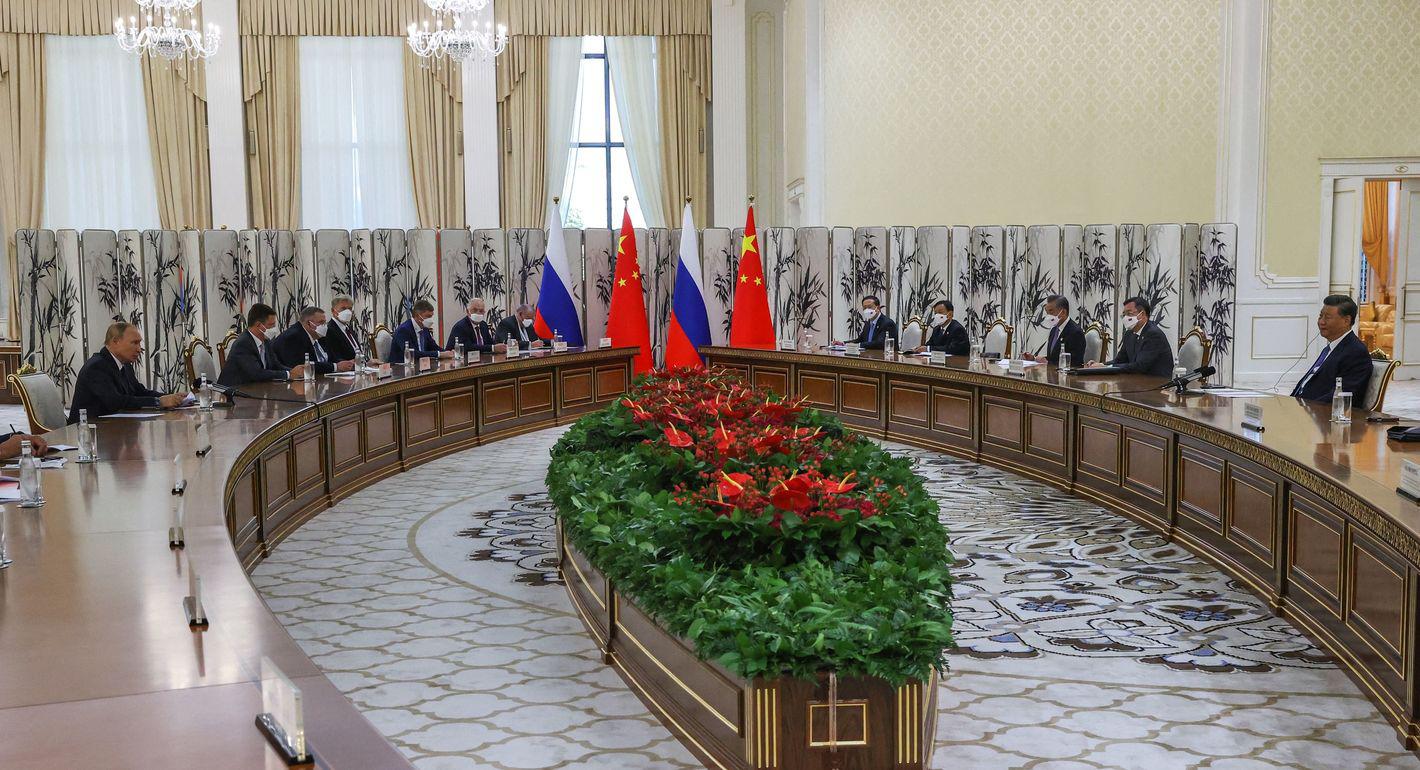
Russia has its Eurasian Economic Union, and China has its Belt and Road Initiative. For both projects, Central Asia is important.


Temur Umarov, Nargis Kassenova
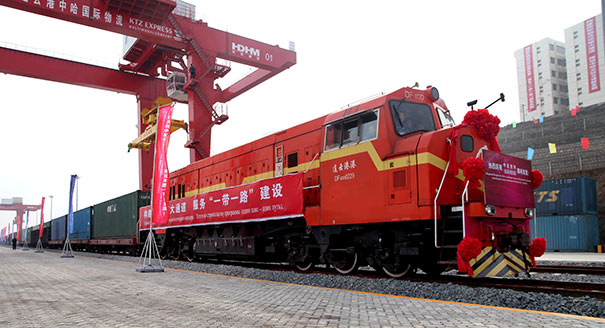
The internationalization of China, and of its companies in particular, is one of the most important phenomena of the beginning of the twenty-first century.
Philippe Le Corre
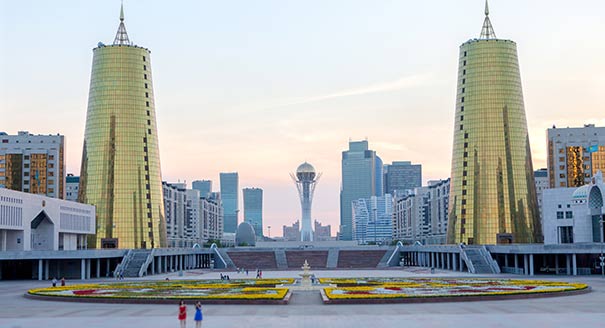
Consumed by domestic controversies and growing foreign policy crises in North Korea and the Middle East, the Trump administration has put little effort into developing a new policy approach towards Central Asia.

Paul Stronski
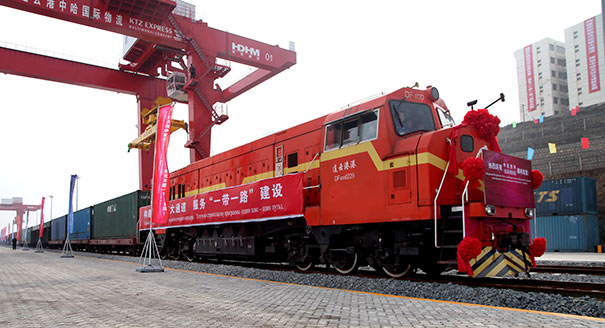
China hopes to use three strengths to make the Belt and Road Initiative a success: its large foreign exchange reserves, dominance in certain infrastructure fields, and unique forms of state backed project finance.

Evan A. Feigenbaum
The new U.S. administration should avoid fueling unrealistic expectations of a breakthrough and instead seek incremental progress on specific topics based on a set of guiding principles.



Eugene Rumer, Richard Sokolsky, Andrew S. Weiss