• Commentary
  • Research
  • Experts
  • Events
Carnegie China logoCarnegie lettermark logo
{
  "authors": [
    "Amr Hamzawy"
  ],
  "type": "legacyinthemedia",
  "centerAffiliationAll": "dc",
  "centers": [
    "Carnegie Endowment for International Peace"
  ],
  "collections": [],
  "englishNewsletterAll": "democracy",
  "nonEnglishNewsletterAll": "",
  "primaryCenter": "Carnegie Endowment for International Peace",
  "programAffiliation": "DCG",
  "programs": [
    "Democracy, Conflict, and Governance",
    "Middle East"
  ],
  "projects": [],
  "regions": [
    "Middle East",
    "Egypt"
  ],
  "topics": [
    "Political Reform",
    "Democracy"
  ]
}
Source: Getty

In The Media

Egyptian Referendum

Link Copied
By Amr Hamzawy
Published on Mar 30, 2007

Source: Radio Broadcast

A referendum in Egypt this week approved controversial changes to the country's constitution. Among other things, the changes will mean Egypt's largest opposition movement, the Muslim Brotherhood, cannot set up a political party. The authorities have been orchestrating a big campaign against the Brotherhood in recent months, arresting its members and trying to cut off its financial backing. Louise Hidalgo asks: Why now? And what will this mean for the Arab world's oldest Islamist movement?

Click here to go to the segment on the BBC site.

Click here to go directly to audio clip.

About the Author

Amr Hamzawy

Director, Middle East Program

Amr Hamzawy is a senior fellow and the director of the Carnegie Middle East Program. His research and writings focus on Egypt’s and other middle powers’ involvement in regional security in the Middle East, particularly through collective diplomacy and multilateral conflict resolution

    Recent Work

  • Q&A
    The Myriad Problems With the Iran Ceasefire
      • Andrew Leber
      • Eric Lob
      • +1

      Amr Hamzawy, Andrew Leber, Eric Lob, …

  • Article
    Amid Iran War, Gulf Countries Slow the Pace of Reforms
      • Sarah Yerkes

      Sarah Yerkes, Amr Hamzawy

Amr Hamzawy
Director, Middle East Program
Amr Hamzawy
Political ReformDemocracyMiddle EastEgypt

Carnegie does not take institutional positions on public policy issues; the views represented herein are those of the author(s) and do not necessarily reflect the views of Carnegie, its staff, or its trustees.
More Work from Carnegie China

  • Commentary
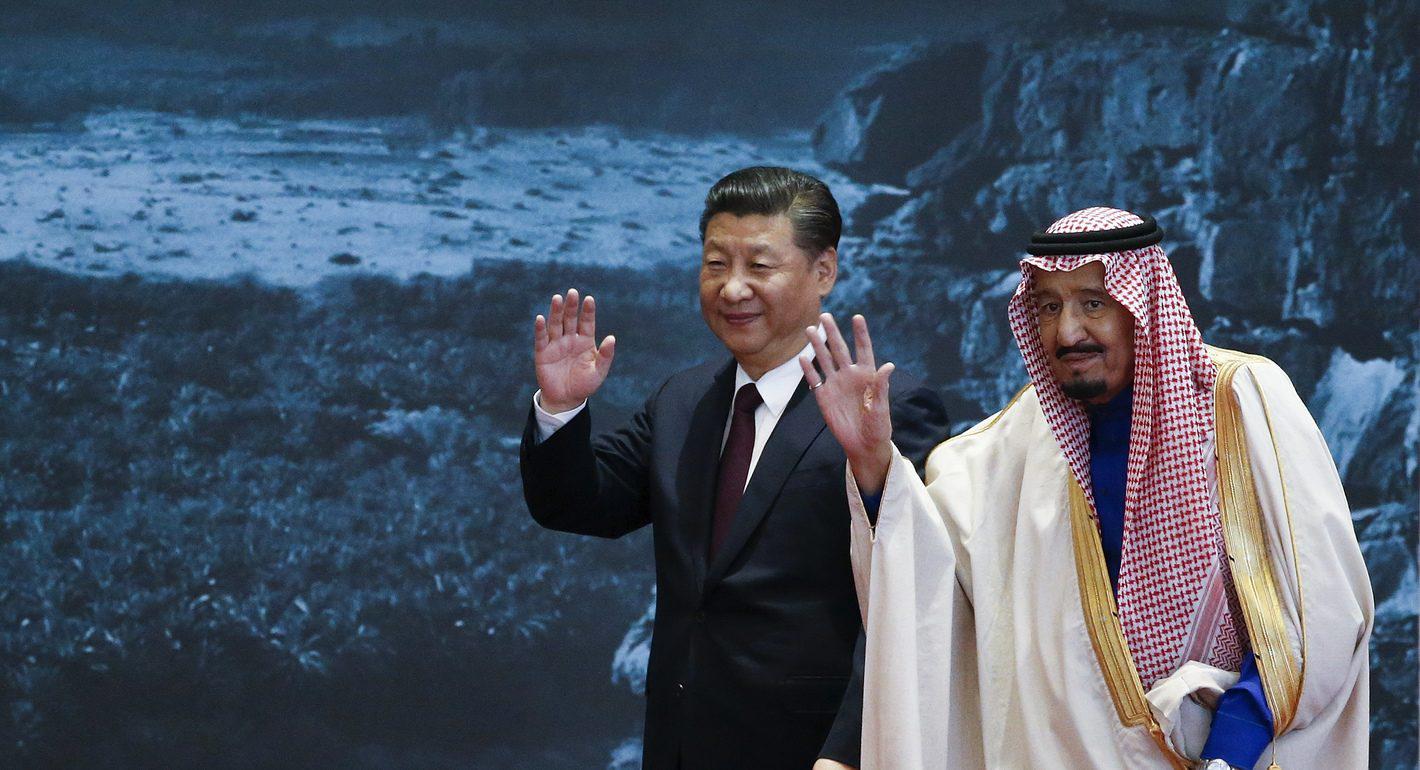
    China’s Evolving Economic and Security Role in the Middle East

    The advantage that China has over other global powers, especially America, is that its foreign policy is closely aligned with those of many of the Middle Eastern countries.

      Jin Liangxiang, Maha Yahya, Hesham Alghannam
  • Commentary
    China’s Rising Influence in the Middle East

    Transactional relationships are stable but can be shallow.

      • +1

      Paul Haenle, Maha Yahya, Benjamin Ho, …
  • Article
    The Many “One Chinas”: Multiple Approaches to Taiwan and China

    Beijing says that over 180 countries accept its “one China principle” regarding Taiwan, but the reality is more complicated.

      Chong Ja Ian
  • Commentary
    China’s Zero COVID Policy Is a Double-Edged Sword

    Beijing must choose between preserving its pandemic narrative or facing more unrest.

      Paul Haenle
  • Commentary
    What the Russian War in Ukraine Means for the Middle East

    It’s about managing oil prices, bread prices, and strategic partnerships.

      • +8

      Amr Hamzawy, Karim Sadjadpour, Aaron David Miller, …

Get more news and analysis from
Carnegie China
Carnegie China logo, white
Keck Seng Tower133 Cecil Street #10-01ASingapore, 069535Phone: +65 9650 7648
  • Research
  • About
  • Experts
  • Events
  • Contact
  • Careers
  • Privacy
  • For Media
Get more news and analysis from
Carnegie China
© 2026 Carnegie Endowment for International Peace. All rights reserved.