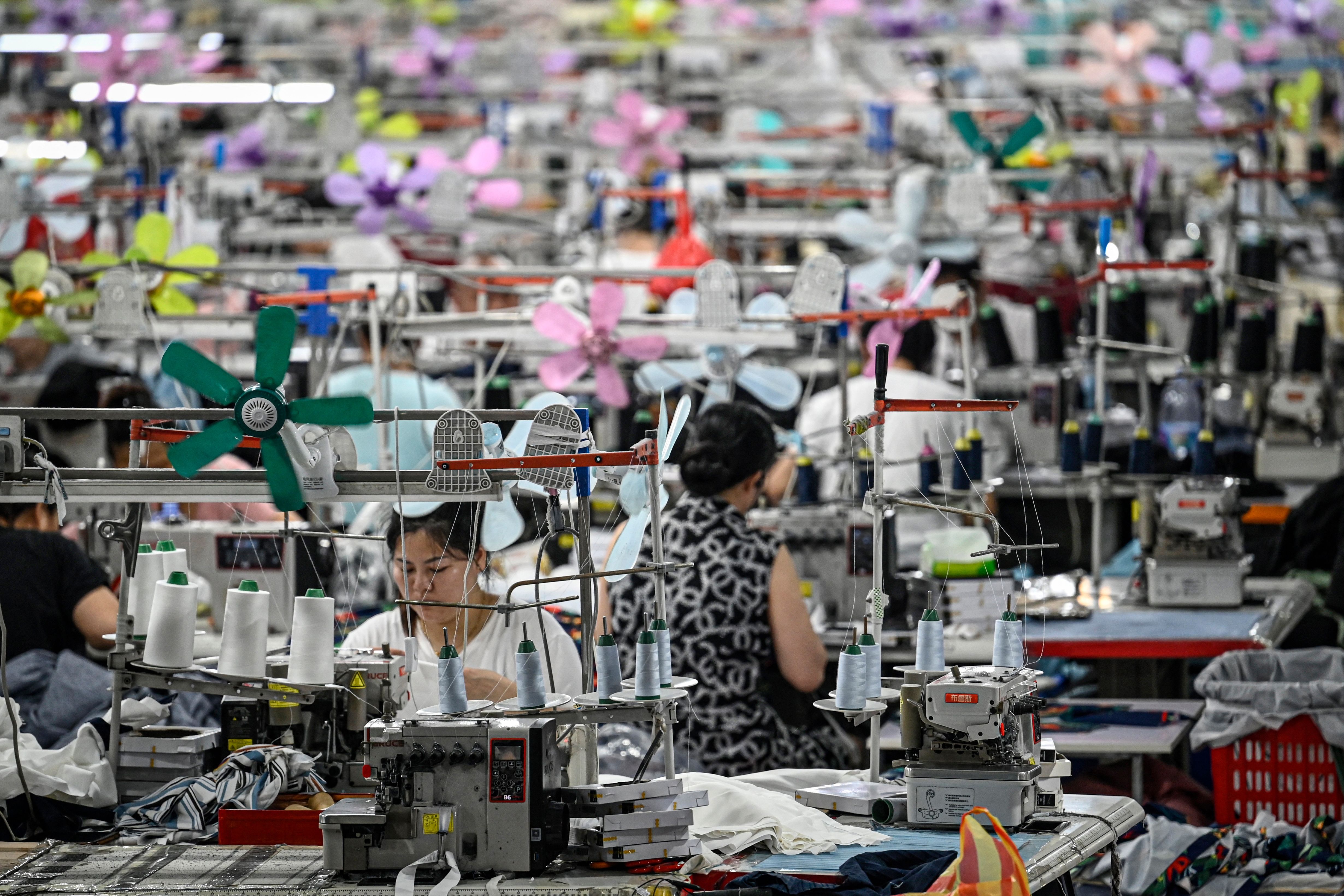
Rather than climate ambitions, compatibility with investment and exports is why China supports both green and high-emission technologies.
Mathias Larsen
{
"authors": [
"Nina Poussenkova"
],
"type": "other",
"centerAffiliationAll": "dc",
"centers": [
"Carnegie Endowment for International Peace"
],
"collections": [],
"englishNewsletterAll": "",
"nonEnglishNewsletterAll": "",
"primaryCenter": "Carnegie Endowment for International Peace",
"programAffiliation": "russia",
"programs": [
"Russia and Eurasia"
],
"projects": [],
"regions": [
"Caucasus",
"Russia"
],
"topics": [
"Economy"
]
}REQUIRED IMAGE
Click on icon above for the full text.
This paper was written for the joint James A. Baker III Institute for Public Policy/Japan Petrolium Energy Center Policy report, The Changing Role of National Oil Companies in International Energy Markets, published by the James A. Baker III Institute for Public Policy.
Click here to read full report. Click here to read more NOC case studies and related research.
Rather than climate ambitions, compatibility with investment and exports is why China supports both green and high-emission technologies.
Mathias Larsen
“Involution” is a new word for an old problem, and without a very different set of policies to rein it in, it is a problem that is likely to persist.
Michael Pettis
While China's investment story seems contradictory from the outside, the real answers to Beijing's high-quality growth ambitions are hiding in plain sight across the nation's cities.
Yuhan Zhang
China's stimulus addiction cannot go on forever. Beijing still has policy space to clean up the country's massive debt issue, but time is running short.
Michael Pettis
A quick look at the complexities behind Beijing’s enduring Catch-22 situation with revaluing the Renminbi, despite advantages of a stronger currency.
Michael Pettis